Fall is when black bears start treating calories like a deadline.
As the weather cools, they spend more time searching for food before winter. That can pull them toward anything easy, from unsecured trash and coolers to pet food left outside.
Georgia’s mountain counties already sit squarely in bear country. In 2025, several North Georgia counties recorded some of the state’s highest black bear totals.
Autumn is therefore a good time to pay closer attention around cabins, campsites, and trailheads.
So no, a fall hike does not come with a bear guarantee.
But the leaves are not the only thing getting busy up there.
Pack the snacks.
Just make sure the bears never get an invitation.
1. Murray County
The highest total in the latest North Georgia summary came from Murray County.
The 2025 records show 50 harvested bears here, with the county’s total documented losses reaching 55. Cohutta Wildlife Management Area also stood out separately, recording 35 harvested bears during the same period.
Those numbers make the northwest Georgia county hard to ignore when talking about established bear country.
The landscape helps explain why.
Large stretches around the Cohutta Mountains offer forested ridges, streams, and the kind of extensive habitat where bears can move without staying close to towns.
Fall visitors should think less about trying to spot one and more about making sure a bear has no reason to investigate them.
On the trail, stay aware of your surroundings and make periodic noise, especially where visibility is limited. Groups should remain together, and dogs should stay leashed.
Camping requires a little more planning.
Food, trash, toiletries, and clothing worn while cooking do not belong inside the tent. Use approved bear-resistant storage, a locked vehicle when permitted, or the food-storage method required by the area where you are staying.
If you see a bear before it notices you, enjoy the moment from a distance and quietly move away.
A mountain photo is plenty.
No closer introduction is necessary.
2. Lumpkin County
Gold gets most of the historical attention around Dahlonega.
Black bears have a stronger claim on the surrounding forests.
Lumpkin County recorded 49 harvested bears in 2025, while total documented losses reached 51. Chestatee Wildlife Management Area accounted for 25 harvested bears in the same state summary.
That puts Lumpkin near the top of the latest North Georgia figures.
The county also sits squarely in the state’s northern bear range, with extensive wooded terrain surrounding one of Georgia’s busiest mountain destinations.
Fall can bring hikers, festival visitors, leaf seekers, and weekend travelers into the same general landscape bears use while searching for food.
The easiest precaution starts before you ever reach a trail.
Do not leave food scraps, wrappers, or fruit pieces behind. Even something that seems harmless can teach wildlife that people and trails are potential food sources.
At a cabin or rental, keep garbage secure and do not leave pet food outside.
Bird feeders can also become an easy calorie source for bears, which is why removing them when bears are active is one of the standard steps for reducing visits around homes.
If a bear notices you outdoors, back away slowly.
Running creates a much worse plan than calmly increasing the distance.
3. White County
A weekend around Helen can feel very civilized.
The surrounding woods are still bear habitat.
White County recorded 39 harvested bears in the 2025 North Georgia summary, with total documented losses reaching 41. Chattahoochee Wildlife Management Area recorded another notable figure within the broader region, with 20 harvested bears.
For visitors, that is a useful reminder that busy mountain tourism and wildlife habitat can exist remarkably close together.
Cabins are where simple habits matter most.
Bring food inside.
Secure trash.
Clean cooking areas after use.
Do not leave pet bowls on decks or patios after feeding.
A bear that finds an easy meal around a rental property has a reason to check similar places again.
Trail behavior is simpler.
Stay alert, keep children close, and avoid using headphones so heavily that you lose track of what is happening around you. Periodic conversation or other normal human noise can give bears time to move away before you ever see them.
If you do spot one, do not approach for a better photograph.
White County already provides plenty of scenery that will hold still for the camera.
Let the bear keep moving.
4. Gilmer County
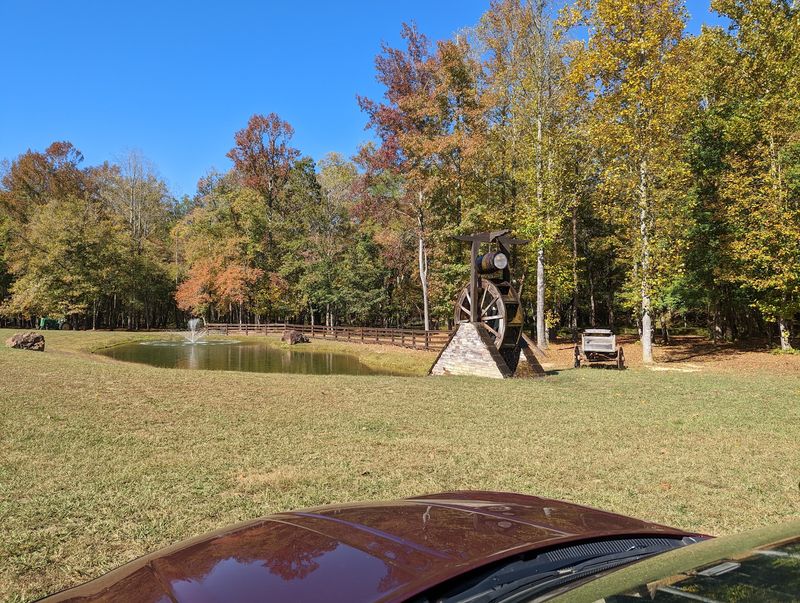
Gilmer County stands out for a different number.
Its 2025 records include 29 harvested bears and a total documented loss figure of 43, but the report also lists 12 road-related bear losses.
That is considerably more than any other county in the same North Georgia table.
For anyone driving around Ellijay during fall, the takeaway is straightforward.
Wooded mountain roads deserve your full attention.
The county’s apple orchards, cabins, ridges, and forested stretches bring plenty of visitors once autumn gets going, and the combination of winding roads and limited sight lines already gives drivers enough to manage.
Do not turn the bear data into a reason to expect an animal around every curve.
Use it as another reason not to rush.
Once you park and start exploring, the same BearWise basics apply as elsewhere.
Pack out every scrap of food.
Keep dogs leashed, and stay with your group. If a bear sees you, slowly increase the distance rather than trying to pass close by.
A fall drive through Gilmer is supposed to be the slower part of the week anyway.
The scenery makes a better excuse for easing off the accelerator than any schedule does for hurrying.
5. Dawson County
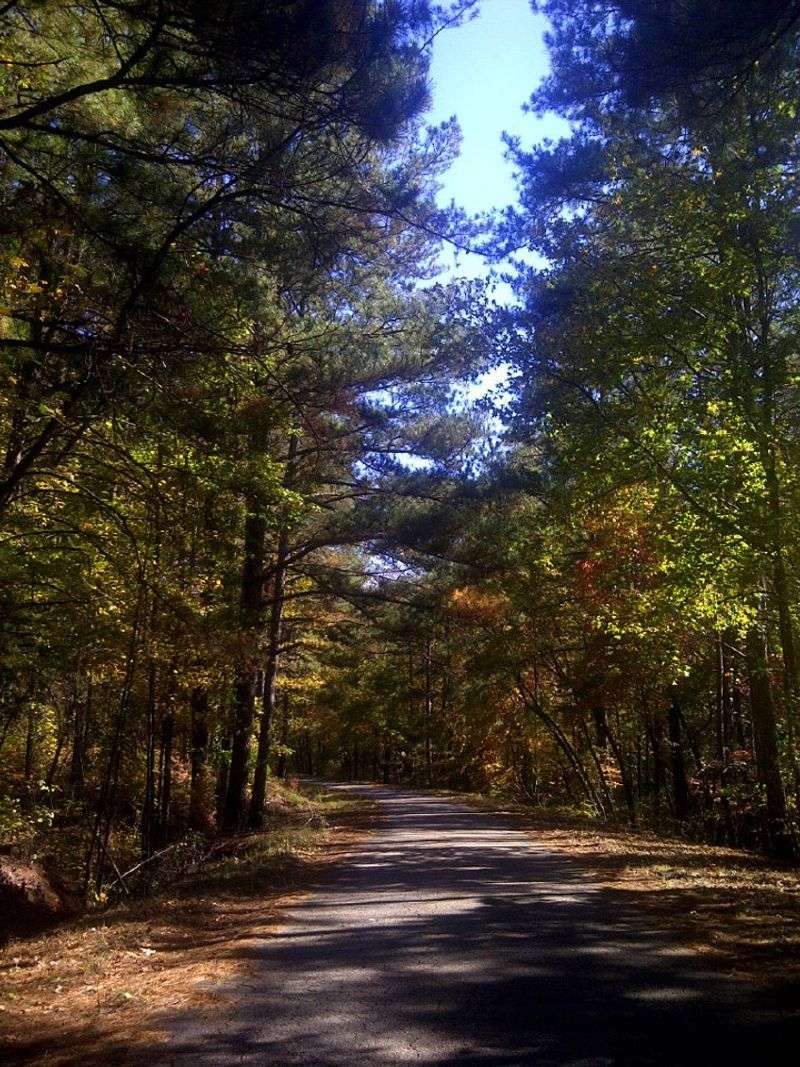
Dawson County offers a useful lesson in how close bear habitat can be to rapidly growing communities.
The county recorded 32 harvested bears in 2025, with total documented losses reaching 35. Dawson Forest Wildlife Management Area recorded 11 harvested bears in the same summary.
You do not need to head deep into the highest mountains to enter established northern bear range.
That matters for both day visitors and people living around Dawsonville.
At home or at a rental, food odors are often the bigger issue than the animal itself.
Garbage should be secured.
Pet food should not remain outdoors.
Grills should be cleaned after use and stored so wildlife cannot reach the grease and residue.
The goal is not to make a yard bear-proof through elaborate tricks.
It is to remove the easy reward.
For hikers, packing out food scraps is equally important. Apple cores and other biodegradable items still smell like food to wildlife and should leave the trail with you.
Dawson County may feel accessible from metro Atlanta, but convenience does not change the habitat.
Once the pavement gives way to woods, behave like you are in bear country.
Because you are.
6. Fannin County
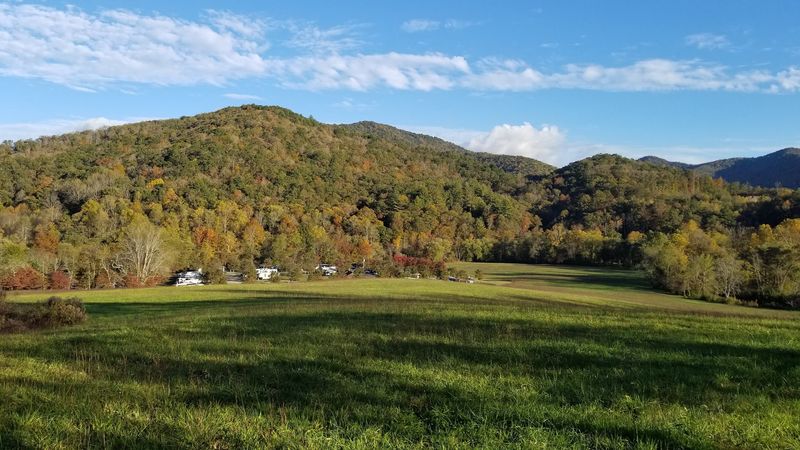
Cabin weekends create one predictable problem.
People bring a lot of food.
Fannin County gives that small logistical detail extra importance. The latest summary lists 26 harvested bears here in 2025 and 28 total documented losses.
The forests around Blue Ridge and elsewhere in the county sit well inside Georgia’s northern bear range.
For cabin guests, the best approach is wonderfully boring.
Keep food indoors.
Secure the garbage.
Do not leave snack bags or leftovers on the deck.
Bring pet food inside once feeding is finished.
If an outdoor grill has been used, clean it thoroughly rather than leaving grease and scraps around overnight.
Those steps may not feel like part of the mountain-vacation fantasy, but they take very little time.
Out on trails, keep dogs leashed and stay aware of what is ahead, especially around dense vegetation.
A bear seen from inside a cabin does not require an outdoor investigation either.
Give it space and remove whatever might be encouraging it to linger.
The rocking chair will still be there after the visitor moves along.
7. Rabun County
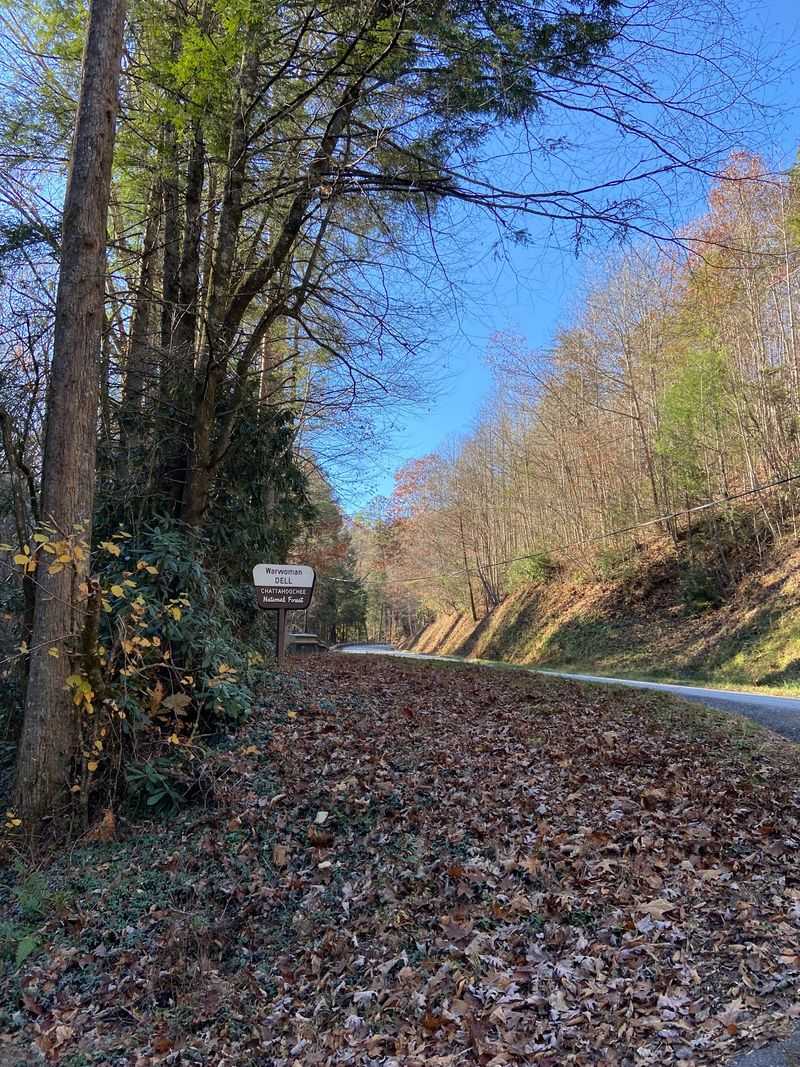
Rabun County had 22 harvested bears recorded in 2025, with total documented losses reaching 25.
That puts the northeastern mountain county comfortably inside the group that stood out in the latest state summary.
The setting is equally convincing.
Waterfalls, forest roads, lakes, high ridges, and extensive public lands make Rabun one of the easier places to spend an entire fall day outside.
That also makes carrying bear spray a reasonable piece of preparation.
It should be accessible rather than buried beneath lunch, a rain jacket, and everything else you decided the backpack absolutely required.
Know how to use it before heading out.
If a bear notices you, back away slowly while keeping it in view.
If it continues approaching, stand your ground, make yourself noticeable, wave your arms, and use a firm voice. Stay together if you are with other people.
Bear spray becomes an option if the animal continues closing the distance.
Most encounters end with the bear leaving.
Your job is to give it the space and opportunity to do exactly that.
Rabun already has plenty of waterfalls to chase. The wildlife does not need to join the itinerary.
8. Habersham County
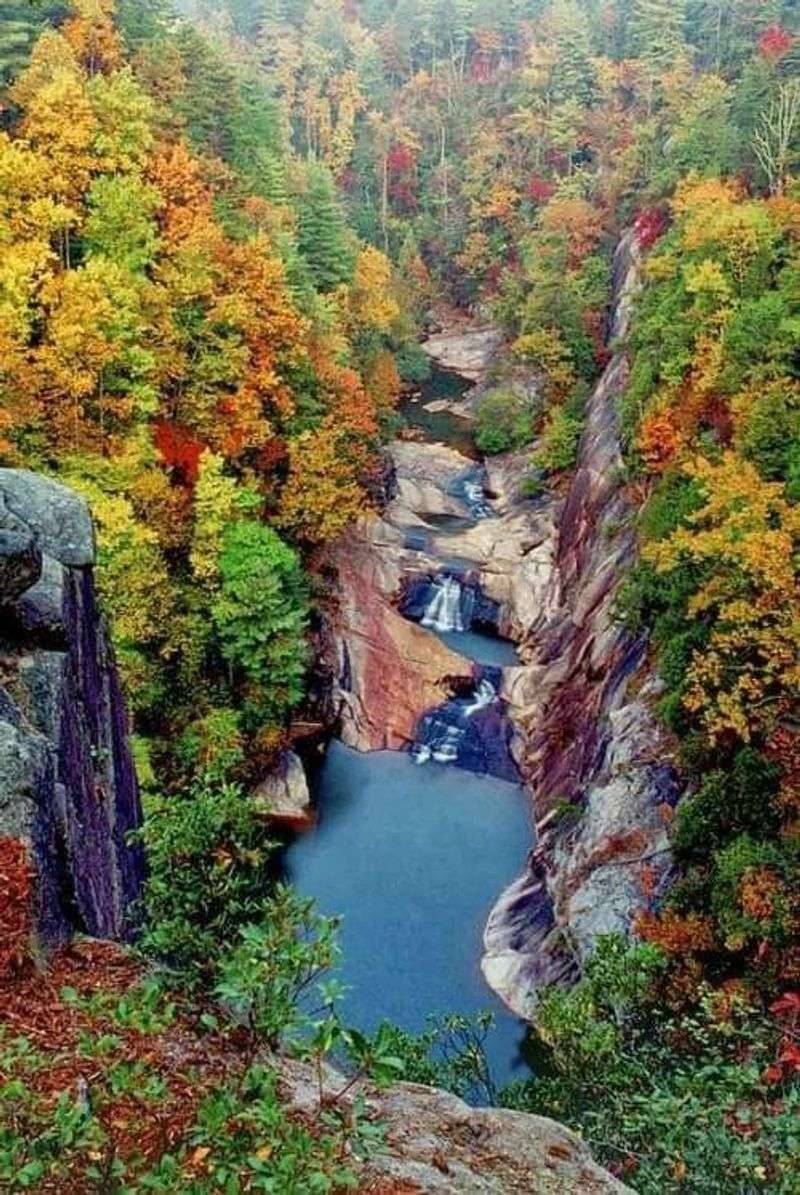
Orchards and mountain woods sit remarkably close together in Habersham County.
So do people and bear habitat.
The county recorded 19 harvested bears in 2025 and 22 total documented losses, placing it among the stronger northern Georgia totals in the latest report.
Fall visitors often arrive for apples, waterfalls, mountain drives, and cooler weather.
Those are easy activities to enjoy without changing much about the day.
Just resist the urge to treat food scraps differently because you are outdoors.
Fruit pieces, sandwich crusts, wrappers, and picnic leftovers should all leave with you or go into secure trash containers.
Families exploring trails should keep children nearby rather than letting them disappear around bends in the path.
Dogs belong on leashes in bear country as well.
If visibility is limited by thick vegetation, ordinary conversation can help wildlife know people are coming.
There is no need to march through the woods making theatrical noises.
Simply avoid moving so silently that both you and an animal discover each other at the same moment.
Fall already brings enough surprises. Keep the bear encounter off that list.
9. Union County
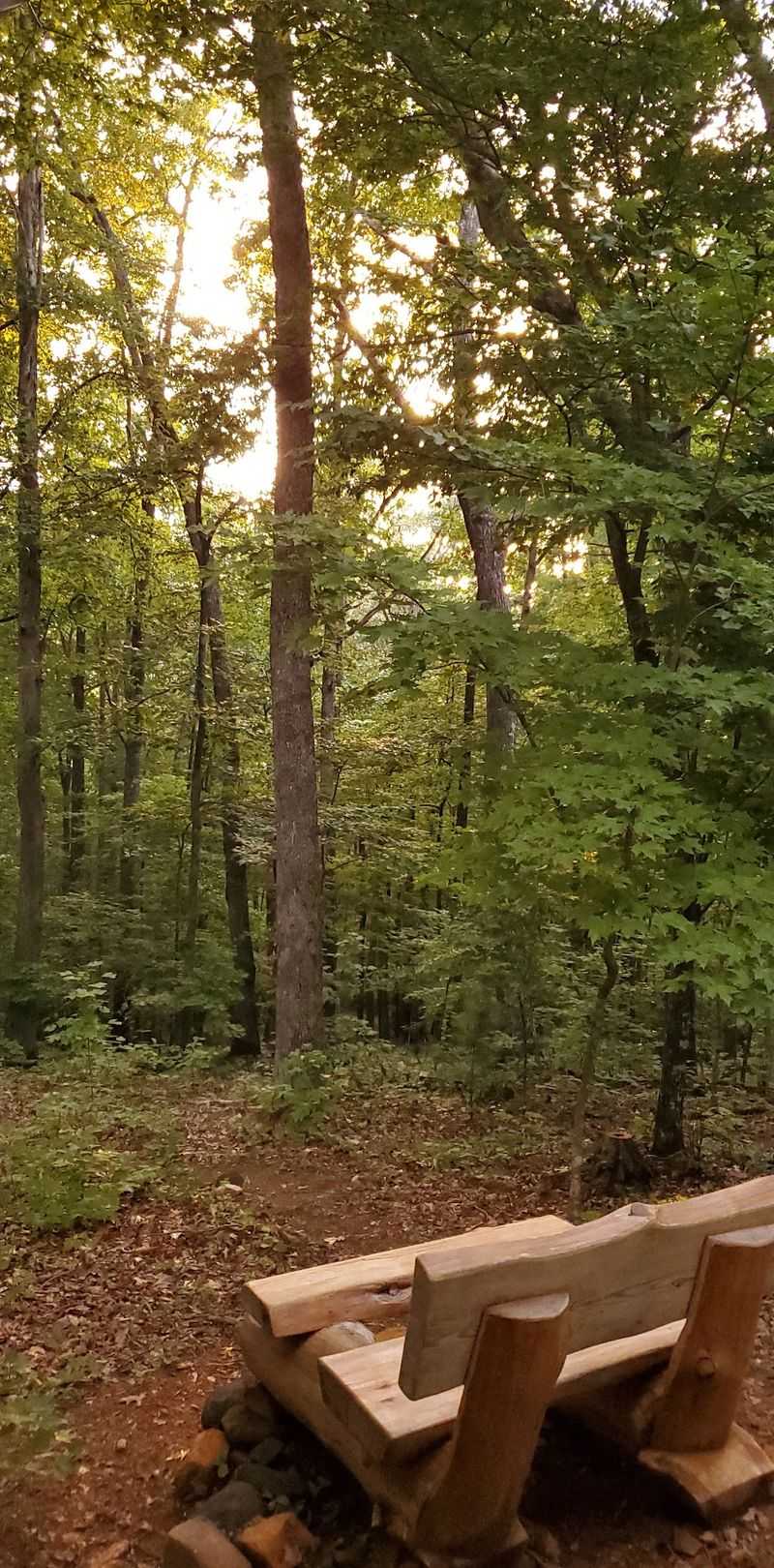
Union County recorded 15 harvested bears in the 2025 summary.
Its total documented losses were also 15.
Those numbers are lower than Murray or Lumpkin, but the county belongs firmly within the core northern mountain bear range.
The landscape around Blairsville includes extensive forest, high elevations, and access to some of Georgia’s best-known hiking country.
That means backpackers should pay particular attention to food storage.
Never keep food, trash, toiletries, or cooking clothes inside your sleeping area.
Where food-storage cables, boxes, or other systems are provided, use them correctly. Elsewhere, follow the storage requirements for that specific campground or trail area rather than improvising.
Cooking away from the tent also helps keep food odors separated from where you sleep.
For day hikers, the routine is lighter.
Stay alert.
Keep your group together.
Carry out everything you brought in.
Fall also overlaps with hunting seasons in parts of Georgia, so hikers should check current regulations and property information before heading onto public land.
Union County offers enough trail choices that a little preparation barely slows the day down.
It simply makes the mountains easier to share.
10. Pickens County
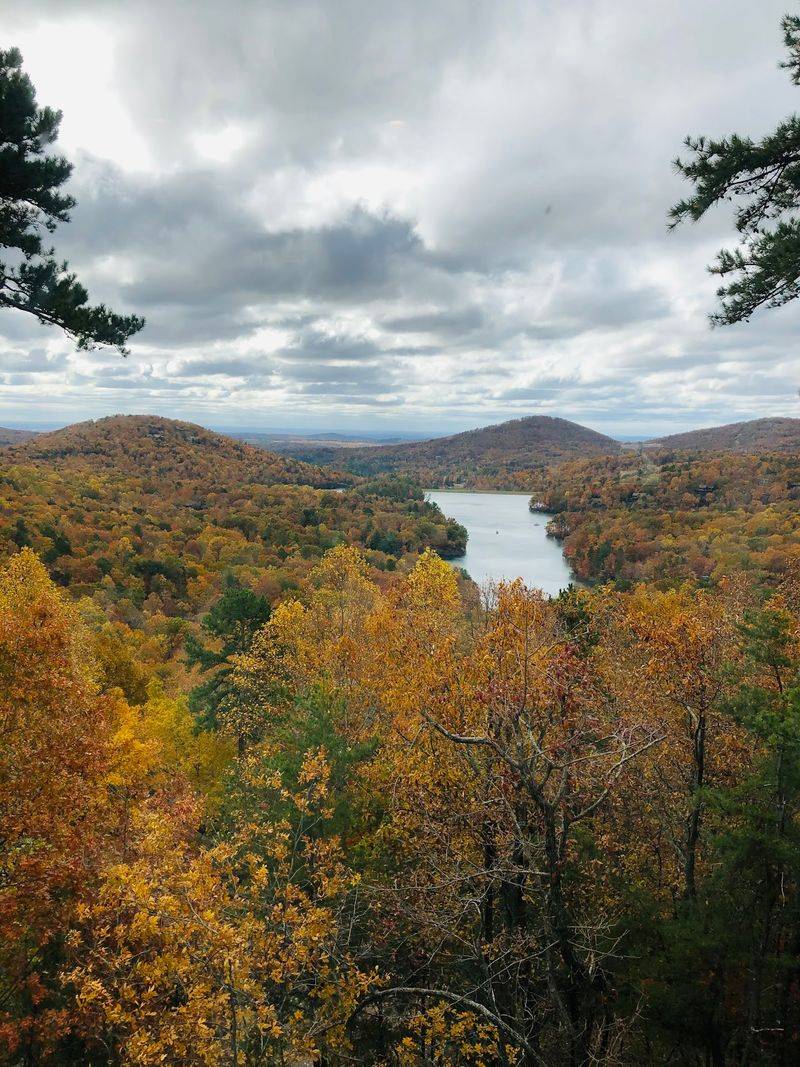
Pickens County tied Union County with 15 total documented bear losses in the latest summary.
Fourteen of those were recorded as harvest.
The county sits farther toward the foothills than several others on this list, making it a useful example of why bear awareness does not stop at the highest ridges.
Homes, roads, neighborhoods, and wooded habitat meet along the edges of northern Georgia communities.
When a bear passes through one of those developed areas, the best response is usually to make the neighborhood unrewarding.
Remove easy outdoor food sources. A bear that finds nothing useful has less reason to linger.
Repeated visits around homes are also something neighbors should communicate about, since several unsecured food sources on one street can undo the work of the household that secured everything properly.
For hikers around Jasper and the surrounding foothills, the outdoor rules remain familiar.
Stay alert, make occasional noise, keep food packed away, and give wildlife room.
The latest data gives Pickens a place on this list.
Good habits are what keep that fact from becoming the most memorable part of your fall afternoon.