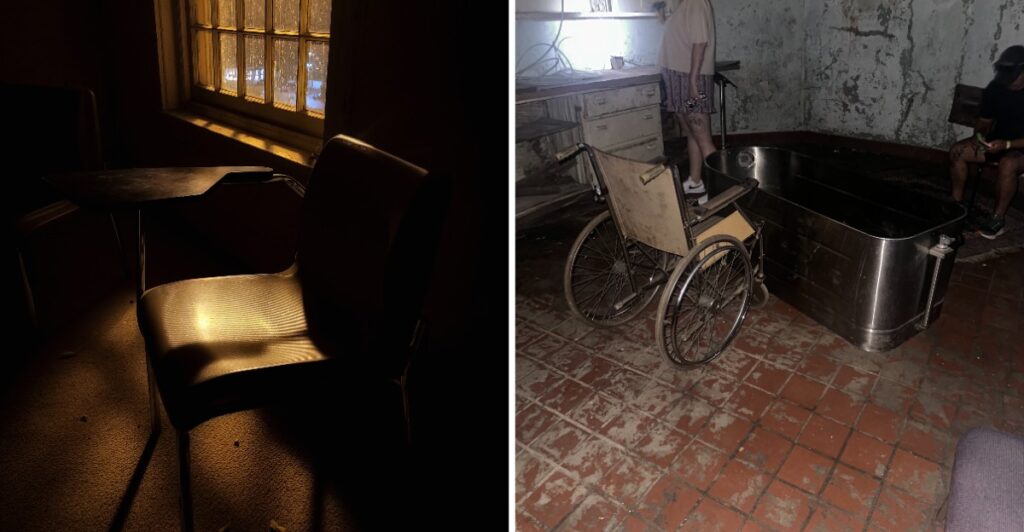
I would want to see this building twice.
Once in daylight.
Then again after dark, when every hallway starts feeling a little more dramatic.
The story already has plenty to work with. The property opened as a boys’ school in 1892, then became a sanatorium in 1916. More than a century later, that history still shapes the way people explore it.
Virginia enters the picture with a place that lets you choose your own level of curiosity.
History tours keep the focus on the past. Flashlight visits change the mood completely. Photography gives you time to notice the building itself, while paranormal investigations lean into the reputation that has grown around it.
Personally, I would start in daylight.
Then I would come back with the flashlight.
Would you?
The Story Started As A Boys’ School In 1892
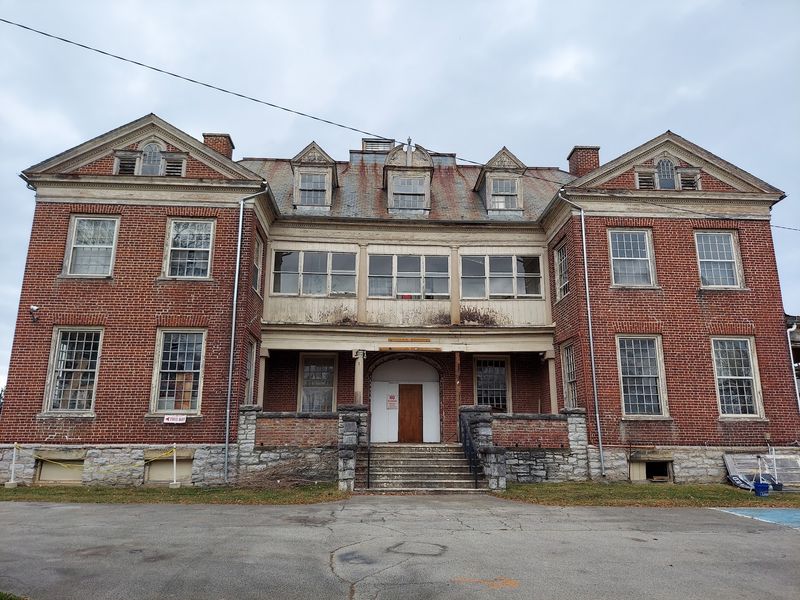
Long before the property became associated with paranormal investigations, it opened as St. Albans School for Boys in 1892.
That early chapter gives the building a very different starting point from the reputation it carries today. Classrooms, dormitory life, schedules, lessons, and school routines came first. The property was designed for students, not for ghost stories.
That matters when you walk through an old building with so many later associations attached to it. It is easy to let the most dramatic chapter take over the imagination, but the school years are part of the same physical place.
For a history-minded visit, that contrast can be the most interesting part. One room may make you think about students moving between lessons. Another may bring the later medical era to mind.
The building becomes easier to understand when those layers are kept separate instead of blended into one spooky story.
A little patience helps here. There is no need to rush from room to room looking for the most dramatic corner.
Start with the oldest chapter. Once the school years are in place, everything that came later has a clearer frame.
The Property Became A Sanatorium In 1916
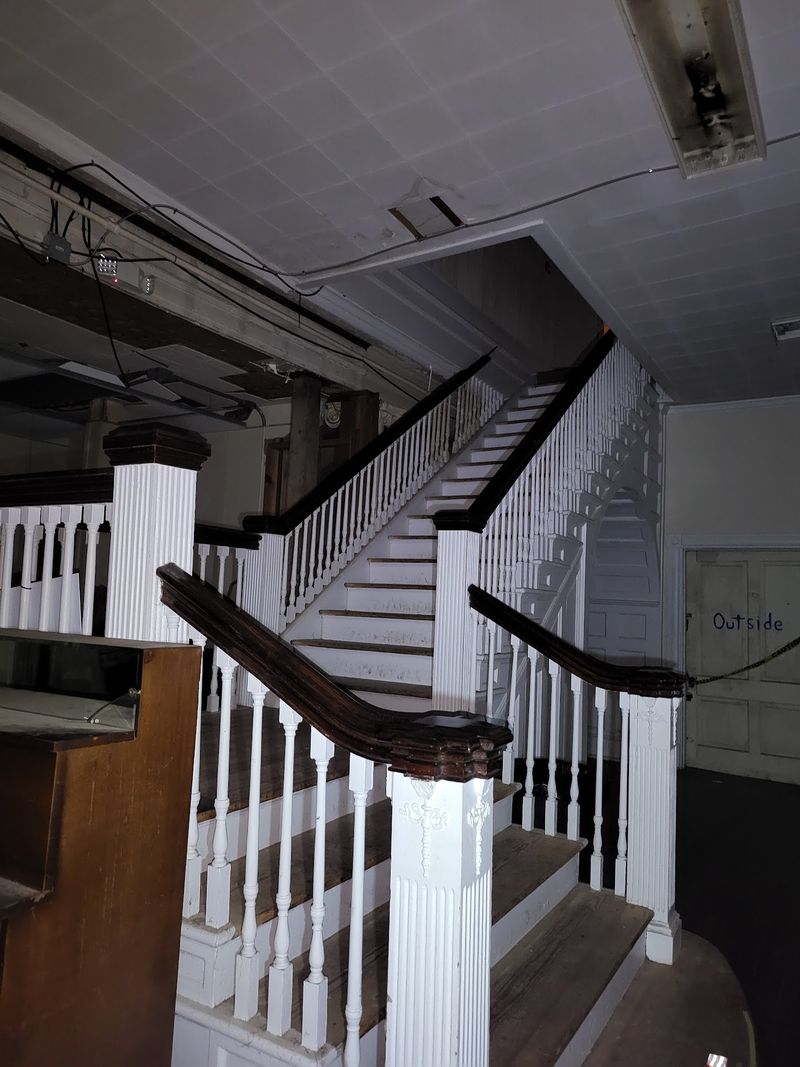
In 1916, the former school entered a new era as St. Albans Sanatorium.
That change reshaped how the building was used and how people experienced it. Spaces once associated with school life became part of a medical institution that served the region for generations before eventually closing.
The broad timeline is interesting enough without turning every room into a dramatic anecdote.
The most useful approach is to remember that this was a working institution filled with ordinary routines, staff responsibilities, patient care, and long stretches of everyday activity.
That perspective makes the building more interesting, not less.
A long institutional history can be easy to flatten into a few eerie sentences. Here, the better route is to let the architecture and chronology do more of the work. A hallway can be old without being mysterious.
A room can feel quiet without proving anything paranormal.
That distinction also keeps the visit respectful. The property’s medical period involved real people and real lives, so history deserves more weight than invented details.
By the time the sanatorium years ended, the building had already moved through decades of change. The paranormal reputation came later, layered onto a place that already had a substantial story.
History Tours And Photo Tours Offer A Daylight Route
You do not need to arrive looking for a paranormal experience.
History tours, flashlight tours, and self-guided photo tours give visitors several ways to see the property without committing to an overnight investigation.
A history tour is the clearest choice if dates, uses, and the building’s changing role matter most. It gives the rooms context and keeps attention on how the property moved from school to sanatorium and eventually into its current life as a historic attraction.
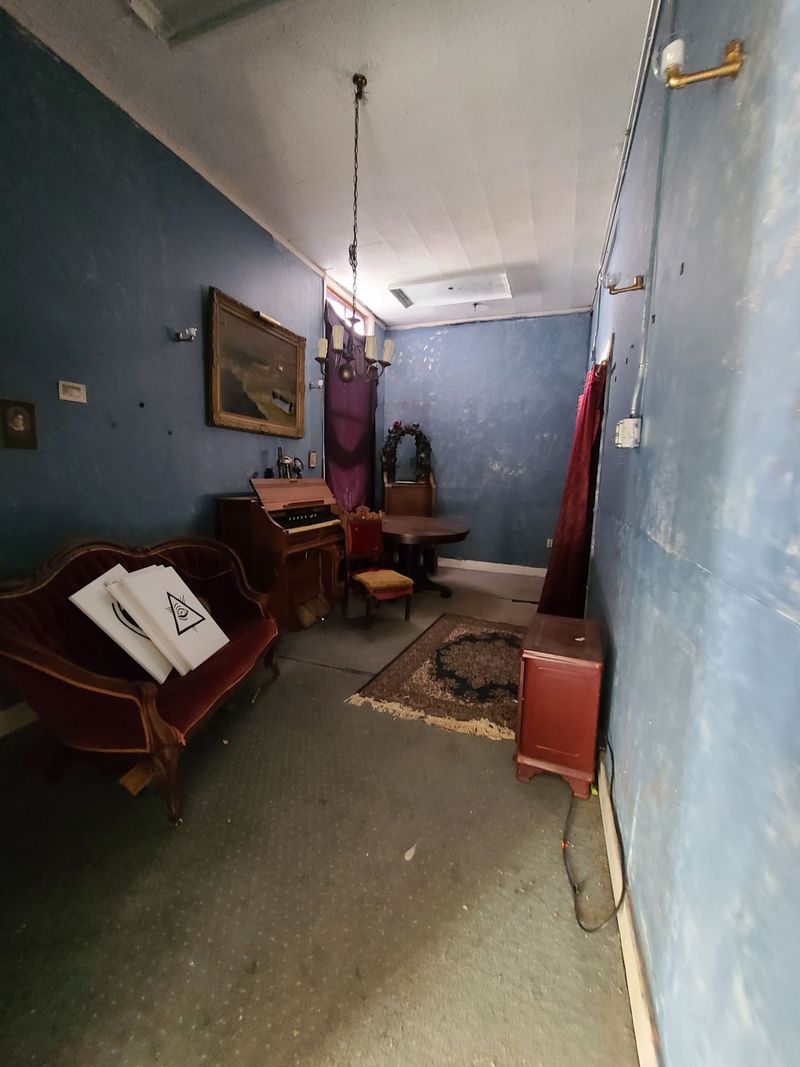
Self-guided photo tours slow things down in a different way. Old walls, worn surfaces, windows, corridors, and architectural details can hold attention without any need to attach a supernatural explanation to them.
That format also changes the pace. Instead of following a group from stop to stop, you can spend longer on composition, light, and the details that are easiest to miss while walking.
Flashlight tours move toward the darker side of the atmosphere without requiring a full investigation. The reduced light changes familiar spaces quickly, which is enough to make an old hallway feel very different from the same hallway in daylight.
Choose the format based on what you actually want from the visit. History, photography, and atmosphere each reveal a different side of the same property.
Paranormal Investigations Are Part Of The Current Experience
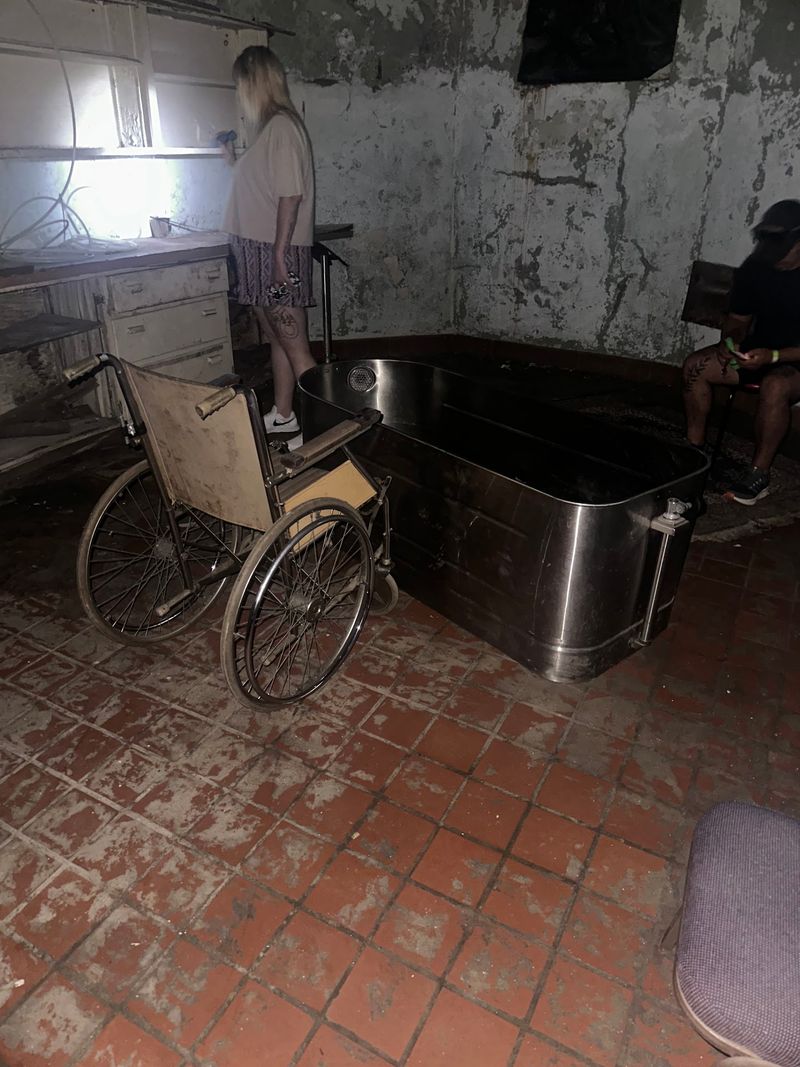
Paranormal activity is part of St. Albans’ public reputation, but reputation is the key word.
Paranormal investigation is part of the property’s modern identity, but unusual sounds, shadows, or personal experiences do not prove a supernatural explanation.
That uncertainty is part of why the investigation format works. Visitors can enter with very different expectations and still participate in the same evening. A believer may listen closely for something unexplained.
A skeptic may pay more attention to old-building noises, acoustics, temperature changes, and how darkness affects perception.
The useful approach is to leave room for both.
Public investigations give visitors a way to experience the property after dark without having to reserve the entire building. Flashlights, quiet rooms, long corridors, and late hours create plenty of atmosphere on their own.
You do not need to decide what every sound means.
Sometimes the most memorable part of an old building at night is simply how much more alert you become when the lights are low and the hallway ahead is empty.
Private Investigations Run Deep Into The Night
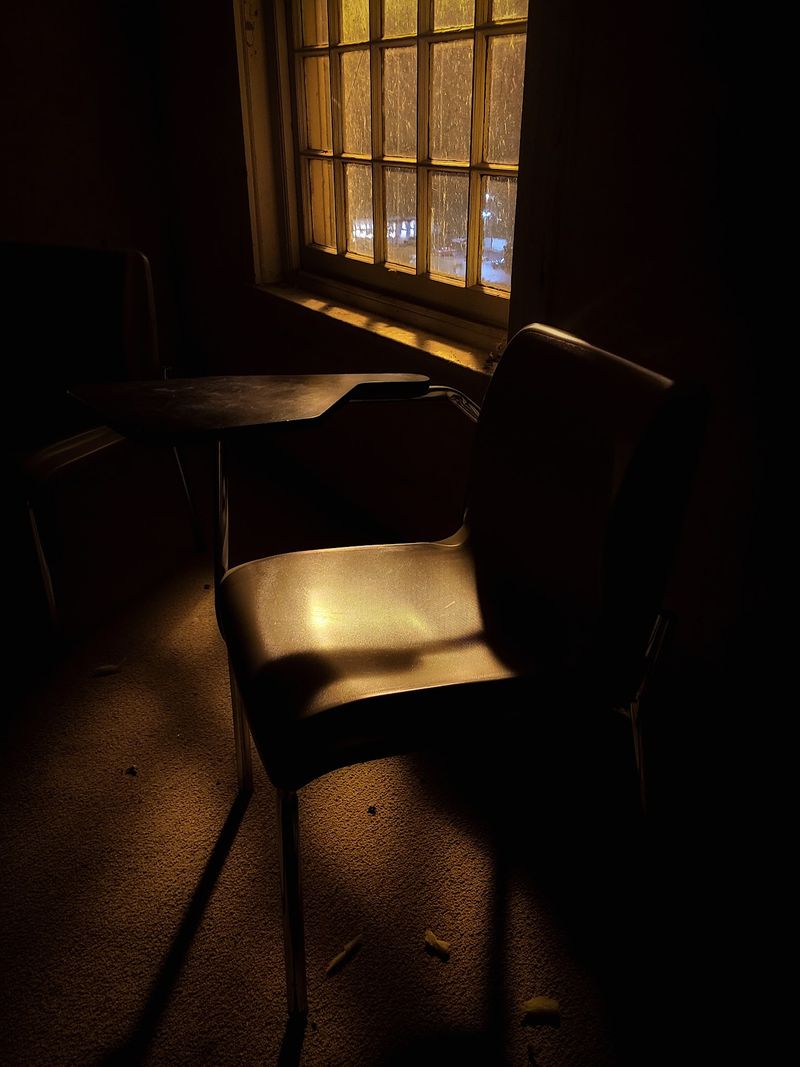
Groups that want a longer experience can reserve the property for a private paranormal investigation.
Private sessions currently run from 7 p.m. to 3 a.m., giving a group eight hours of access after dark. That is a very different commitment from a short tour, so pacing matters.
Eight hours is a long time to stay attentive. Comfortable shoes, layered clothing, water, snacks, and spare batteries can matter more than elaborate equipment once the night gets moving.
A simple group plan helps too. Decide where to meet, how long to spend in one area, and when to take breaks. Old buildings can feel much larger after midnight, especially when everyone is moving quietly and concentrating on small sounds.
The late schedule also changes how people interpret the environment. Fatigue can make a creak sound more dramatic and a shadow look stranger than it did earlier in the evening.
That does not make the experience less interesting. It just makes perspective useful.
The goal does not have to be proving anything. A private night can be about curiosity, history, teamwork, photography, or simply experiencing a historic property in conditions most daytime visitors never see.
The Fairlawn Property Still Welcomes Visitors
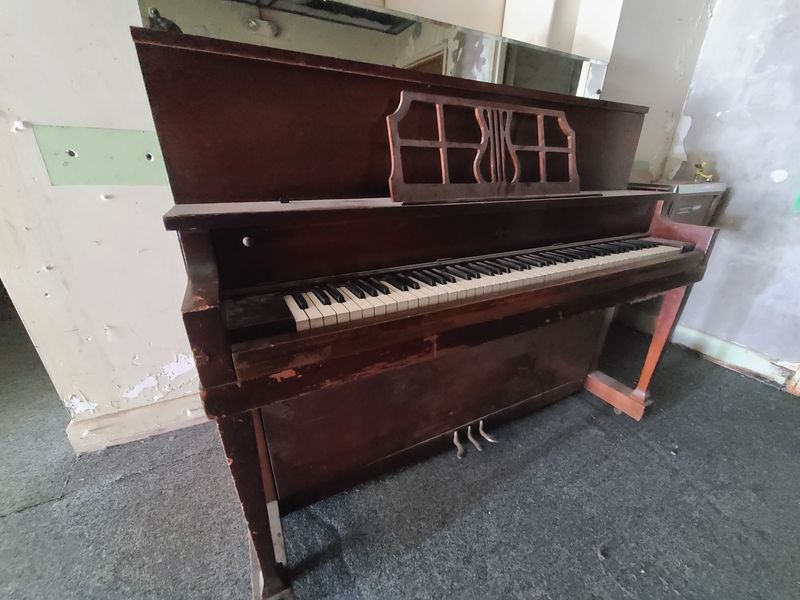
St. Albans Sanatorium remains an active attraction rather than an abandoned property left to decay.
The site is at 6248 University Drive, Fairlawn, VA 24141.
That distinction matters because visits happen through organized tours, investigations, and events. Visitors can choose history-focused experiences, flashlight tours, self-guided photo tours, public paranormal investigations, and private sessions.
The annual House of Shadows adds another seasonal layer. In 2026, the haunted attraction runs from September 25 through October 31 on Friday and Saturday nights, with sessions from 7 p.m. to 11:30 p.m.
House of Shadows is entertainment rather than historical interpretation, so it helps to separate that event from the building’s real timeline.
Costumes, themed rooms, darkness, and jump scares belong to the attraction. The school and sanatorium history belong to the property itself.
That gives autumn visitors two very different experiences to choose between.
If you want context, choose a history-focused visit. If you want controlled scares, House of Shadows is the obvious route. If you want a slower visual experience, photo tours make more sense.
Knowing which version you are booking keeps expectations in the right place.
Its Paranormal Reputation Is Part Of The Modern Story
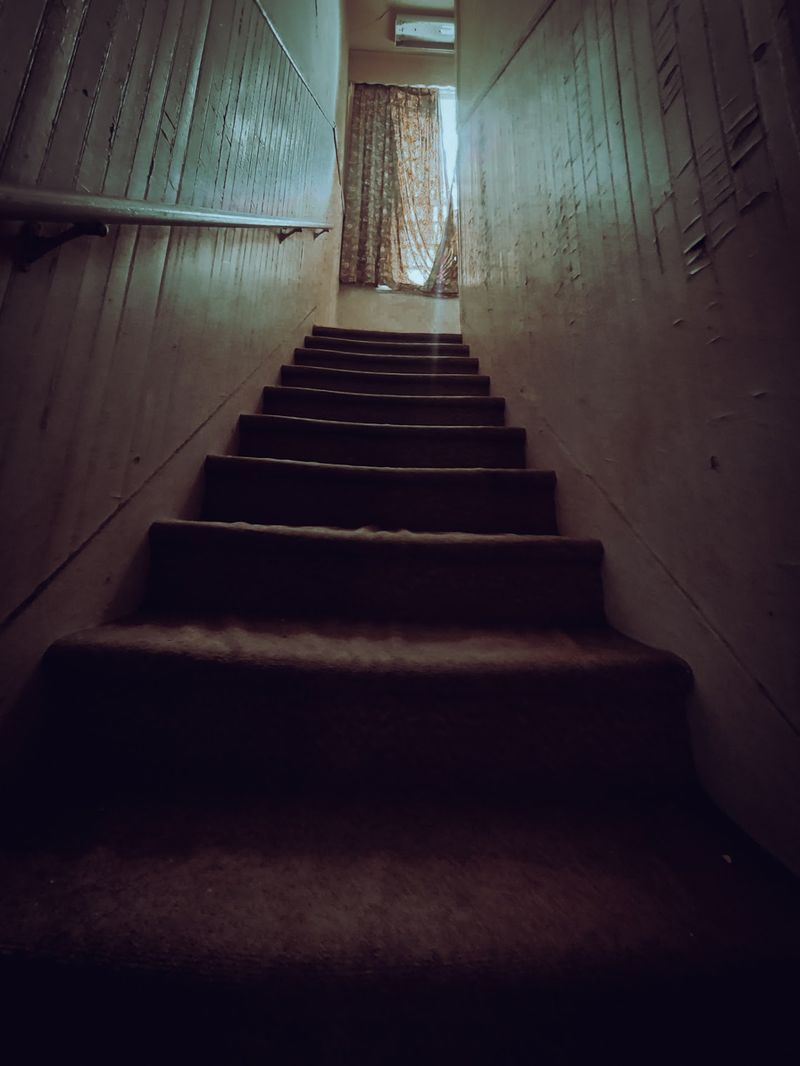
Paranormal investigation has become part of the property’s modern story.
A historic building can accumulate two parallel identities. One comes from documented dates, owners, uses, and institutions. The other grows through investigation culture, personal stories, media attention, and the expectations visitors bring with them.
St. Albans clearly has both.
That gives you room to choose your own level of involvement. You can visit for the 1892 school history and the 1916 sanatorium chapter without caring about paranormal claims at all. You can join a flashlight tour because old architecture feels different after dark.
Or you can spend hours on an investigation and see what the night gives you.
The useful part is not being told what to believe.
More than a century of documented history is already enough to make the property compelling. The paranormal tradition adds another layer, but it does not have to replace the real story underneath it.