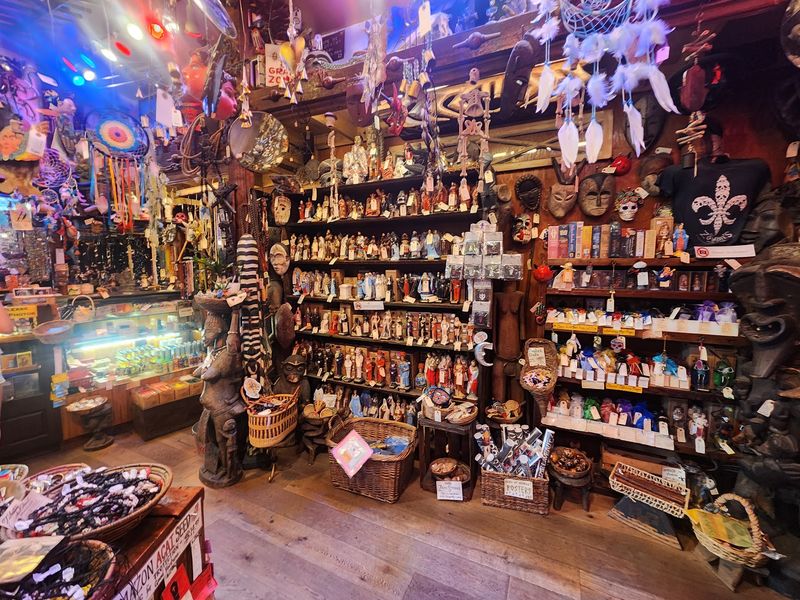
Halfway down the 700 block of Royal Street, a doorway glows red and blue against the old French Quarter brick. Inside, Reverend Zombie’s House Of Voodoo packs candles, masks, dolls, roots and books onto shelves that climb all the way to the ceiling.
The shop sells real spiritual supplies, offers psychic readings and asks one firm thing of every guest: no photos. Here is what waits behind that door, and how to make the most of a stop.
A Voodoo Shop At 713 Royal Street
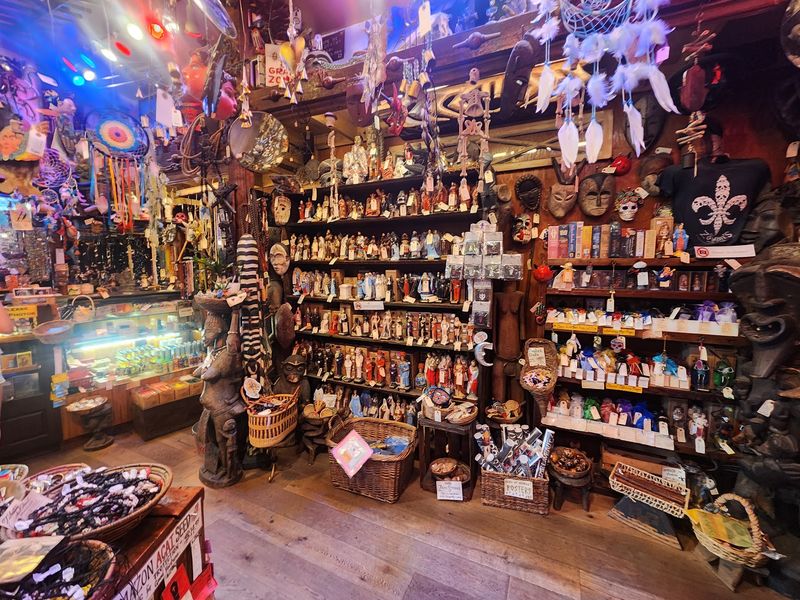
Royal Street is better known for antique dealers and art galleries, so a voodoo shop on the 700 block catches people off guard. Reverend Zombie’s House Of Voodoo sits at 713 Royal Street, between St. Peter Street and the back of the block that runs toward Bourbon.
It is a religious goods store in the plain sense, stocking occult, spiritual and voodoo-related items for people who actually practice.
That double life matters. Some visitors walk in hunting for a quirky souvenir, while others arrive with a shopping list of oils, roots and candles for their own work.
The shop serves both groups without pretending to be a museum or a costume store.
Psychic readings happen in the back, which adds a second reason to step inside. One visitor described seeing a reading area at the rear of the store with a short line of people waiting their turn.
Location helps, too. The shop is just off Bourbon Street and directly across St. Peter from Preservation Hall, so it lands naturally on many French Quarter walks.
One couple waiting for a late show at the hall crossed over simply to pass the time and ended up browsing every crowded corner.
How Reverend Zombie Opened His Doors
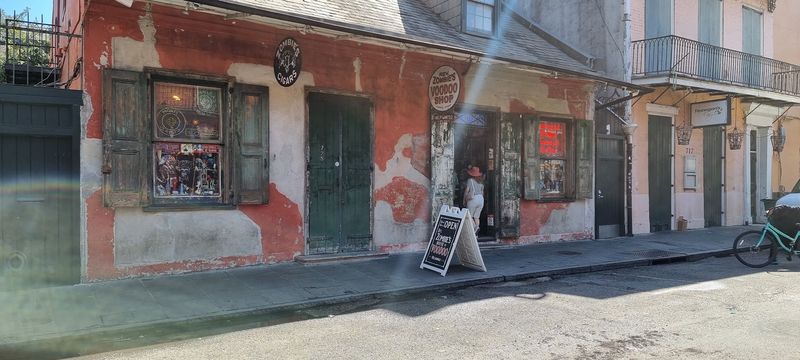
Back in the early 1990s, a figure calling himself Reverend Zombie opened this store on Royal Street. The name was theatrical on purpose, but the goal underneath it was serious: give people a place to explore New Orleans spiritual heritage with real tools and real context.
The shop also has a sister location, Marie Laveau’s House Of Voodoo on Bourbon Street. Both stores share a website, voodooneworleans.com, and both lean into the same mission of recreating the feel of older French Quarter spiritual shops rather than stocking generic gift items.
Over the years, the business has grown in other directions as well. The same company has connections to guided outings, and some visitors who reviewed the shop actually wrote about haunted history walks and a cemetery tour led by storytelling guides.
Those tours share the same interest in the city’s folklore, from paranormal tales to burial grounds.
Thirty-some years is a long run for any small shop in the Quarter, where rents climb and storefronts change hands often. Staying power on a street like Royal suggests the store found a clear identity early and kept it, instead of chasing whatever sold on Bourbon that season.
Marie Laveau And The Roots Of New Orleans Voodoo
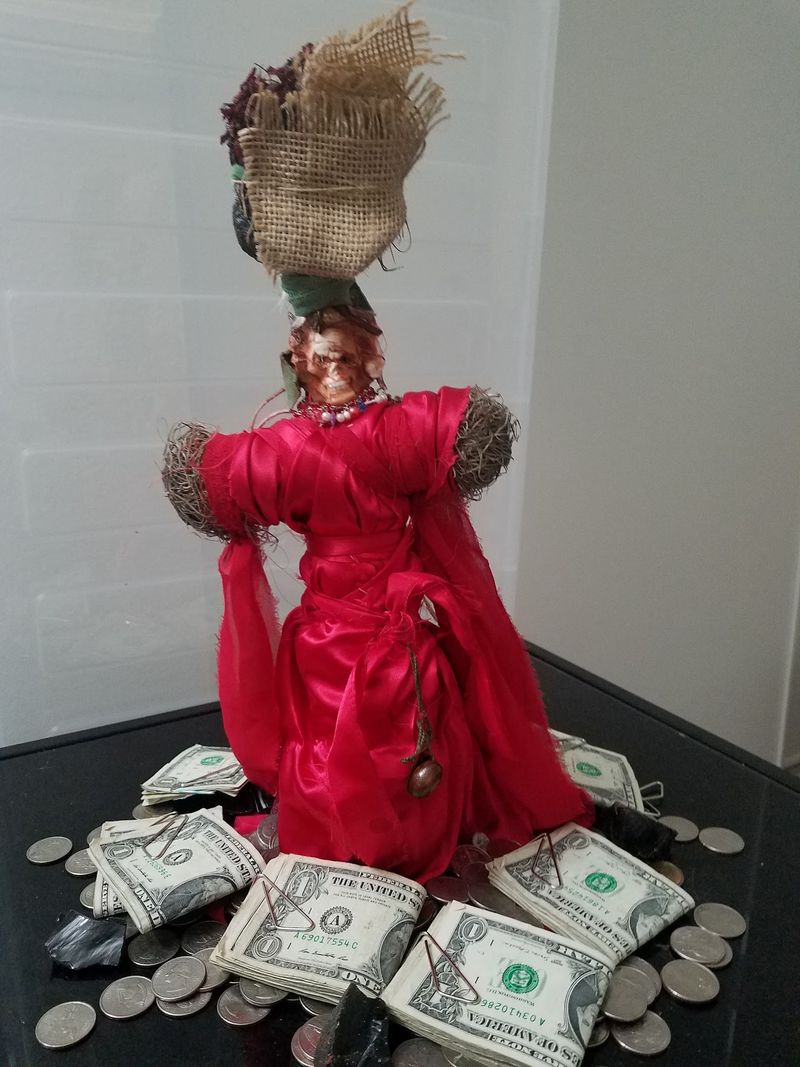
Born a free woman of color in New Orleans in 1801, Marie Laveau became the most famous name in the city’s spiritual history. She was known for community service and for leading rites that blended devout Catholicism with voodoo practice, and her image shows up throughout this shop.
Understanding her story helps explain the shelves. New Orleans Voodoo is an Afro-syncretic religion, combining West and Central African spiritual beliefs with Native American spirituality and European Catholicism.
Enslaved and free people of color carried these traditions to Louisiana and adapted them to survive in a new place.
That blend is why a saint candle can sit near a gris-gris bag without looking out of place. The mixing is the tradition, not a modern marketing choice.
Staff members at Reverend Zombie’s often know this history well, and part of their job is clearing up misconceptions shaped by movies and spooky tourist talk. One visitor noted that even people nervous about voodoo might find the store tasteful, since information is posted for each item.
A good rule from shoppers who have been there: do some homework, stay respectful and let curiosity lead. Treat it as a living religion, because for many people it is.
Rows Of Candles For Every Intention
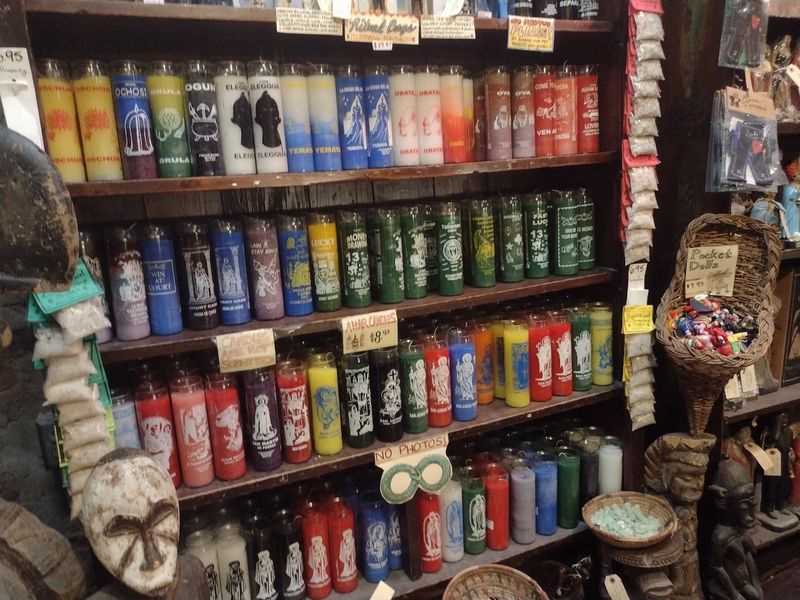
Picture a wall of glass jars in every color, each one tied to a different purpose. Candles are among the biggest categories in the shop, ranging from 7-day spell candles to simple tapers meant for shorter rituals.
In folk practice, color and intention go together, and the shop’s labeling helps newcomers sort out what each candle is meant to do. Practitioners tend to know exactly what they need, while first-timers can read the posted notes or ask staff for guidance.
Incense is the other half of the experience. One shopper said the scent of incense was the first thing she noticed when she wandered in off the sidewalk, before she had even looked at a shelf.
Oils sit nearby, and they draw strong opinions. A visitor found a sandalwood and amber oil for about $12 and reported that a single small dab lasted on her skin for hours.
She compared that to similar fragrances selling online for $50 to $100.
Candles, incense and oils also make practical souvenirs. They pack easily, they do not require any belief to enjoy, and they carry a bit of the Quarter’s smell home in a suitcase.
Masks That Watch From The Walls
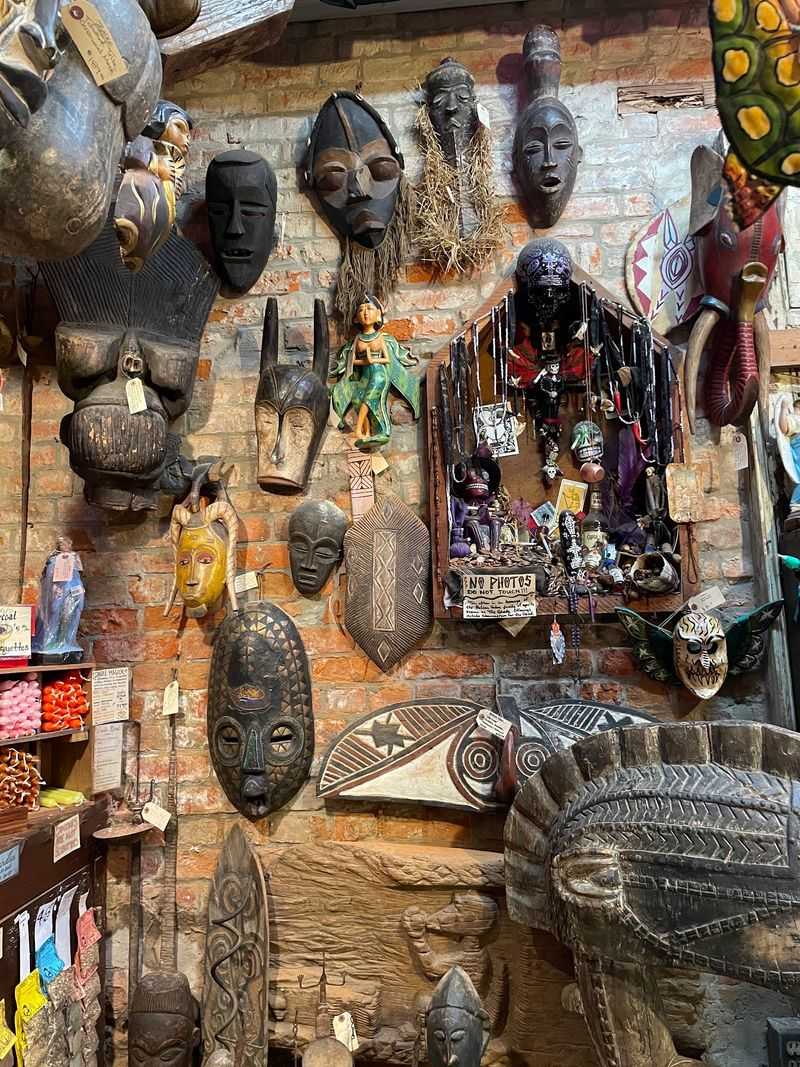
Faces are everywhere once your eyes adjust. Masks from several world cultures hang along the walls and over the shelves, and they tend to be the first thing people remember after leaving.
These pieces are more than wall decor here. In the context of the shop, masks represent ancestral ties and connections to spirits, a reminder that voodoo draws from many traditions rather than one fixed source.
Statues share the space with them. A visitor who stopped in on a rainy night listed masks alongside altarpieces, statues and divination pieces, all crammed together under handwritten signs.
The overall effect is part gallery, part working supply room.
Shoppers looking for decor often head straight for this section. One returning visitor said she buys natural jewelry or home pieces every time she is in town and always finds something new on the shelves.
A practical note: the shop has a clear rule that if you break something, you own it. With masks stacked high and aisles narrow, it pays to keep bags close and elbows tucked.
That goes double during busy evenings, when shoppers squeeze past one another to get a better look at the higher shelves.
Dolls, Gris-Gris Bags And Curious Spell Kits
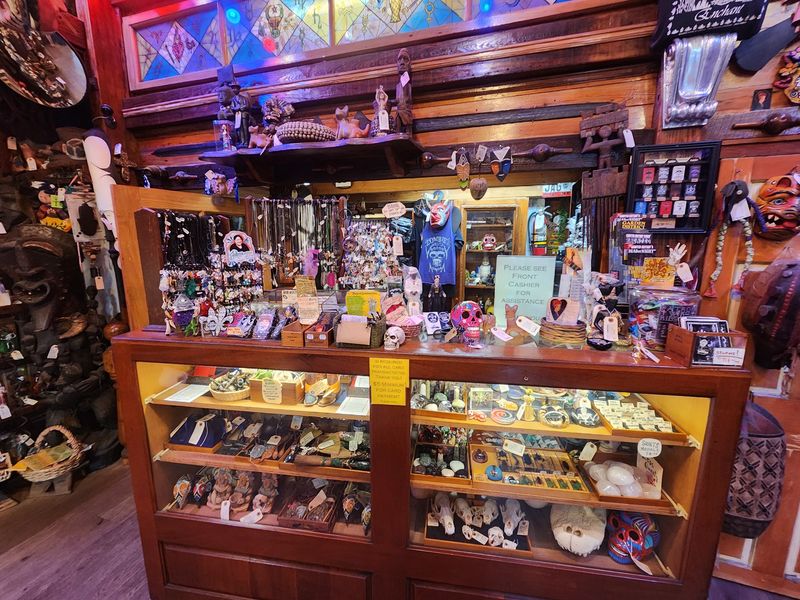
Dolls are the item most visitors expect, and the shop delivers plenty of them. One family bought a voodoo doll to carry back to New York for their daughter, who was thrilled with her New Orleans keepsake.
Gris-gris bags hang nearby. These small pouches hold herbs, stones and other materials meant to carry a specific intention, and they are one of the most traditional objects in the store.
Beyond those, the inventory runs deep: talismans, charms, crystals, roots, spiritual waters, potion oils and even teeth, bones and skulls. Each item generally comes with an explanation of its cultural background and traditional use.
Then there are the spell kits, which show the playful side of folk magic. Names like “Other Attorney Be Stupid” and “Hex Your Ex” get plenty of grins, though they are sold as real tools.
Collectors find odd treasures as well. One shopper picked up a bat, and another showed staff a video of his existing collection so they could suggest pieces to add.
Shoppers mention that most items feel unusual and hard to find elsewhere. Gift hunters with friends into witches, zombies or the occult tend to leave with a bag.
Occult Books And Tarot Readings In The Back
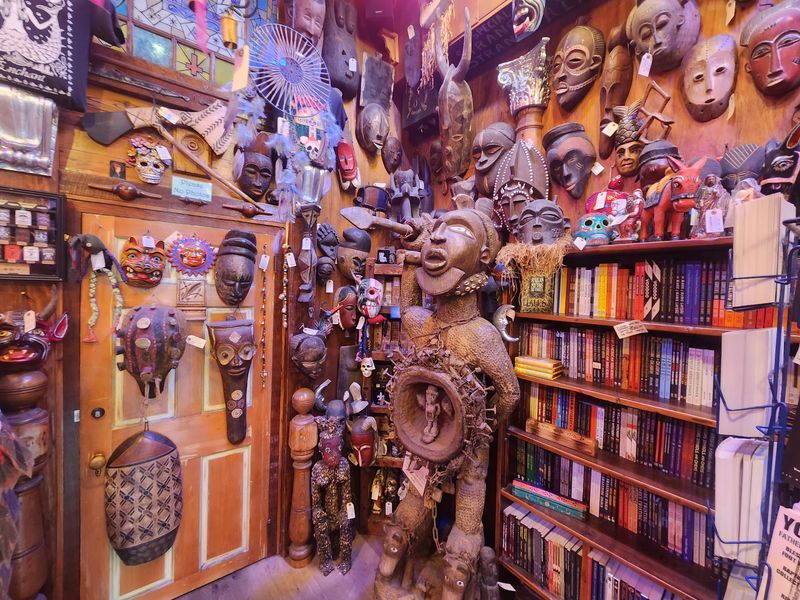
Knowledge gets as much shelf space as candles. The book section covers Voodoo, Hoodoo, Rootwork, Conjure, Santeria, Ifa, Witchcraft and Spiritualism, which makes it a solid stop for anyone wanting to read beyond tourist pamphlets.
Readings are the other draw. Psychics and spiritualists offer tarot and palm readings plus spiritual consultations, usually in an area at the back of the store.
Experiences vary. One guest described a reader who explained the cards, suits and numerology in detail without fishing for information, and she recommended booking ahead because that reader stays busy.
Another regular said readings often happened with little or no wait.
Price is the main sticking point. One group came in looking for palm or tarot readings, found the cost higher than at other spots nearby and left without one, though they still liked the atmosphere.
The smart approach is to ask about pricing and length before sitting down. Readers differ in style, so a short conversation first helps match expectations.
Even skipping a reading, the books are worth a browse. Plenty of shoppers pick up a title to understand what they just saw on the altars.
Altars, Handwritten Signs And A Hollywood Fence
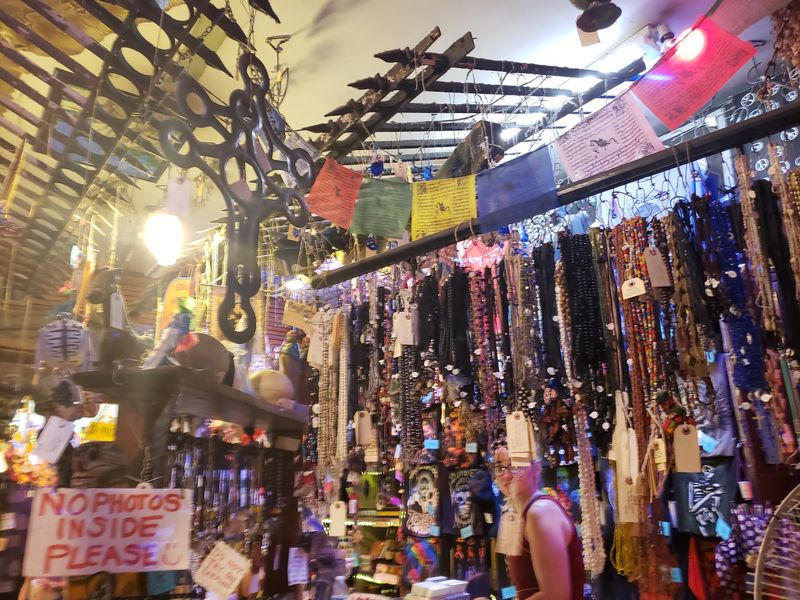
Look up before anything else. A fence used as a prop in the movie “Interview With The Vampire” hangs from the ceiling, a sly nod to the films that helped shape the city’s spooky reputation.
Below it, the store is filled floor to ceiling with merchandise and props. Several altars act as focal points, often holding offerings and petitions left by visitors and practitioners.
Those altars are not for touching. A family who shopped there summed it up simply: be a good tourist, be kind and leave the altar alone, because this is a serious religion for many people.
Handwritten signs are everywhere, mixing house rules with witty asides. They give the place a personal voice and help explain items without a staffer standing over every shelf.
Descriptions of the space differ. Some guests call it small and crowded, while others say the layout keeps it from feeling stifling.
Both can be true depending on the hour and the crowd.
From the street, red and blue light spills out the windows. After an evening rain, that glow on wet brick may be the most memorable view of the whole visit.
No Photos, Plenty Of Questions Welcome
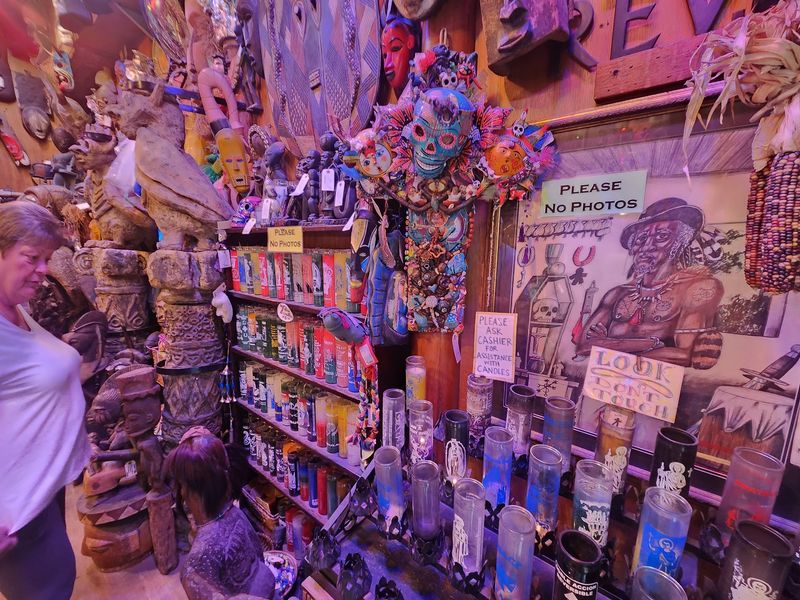
Phones stay in pockets here. The shop enforces a strict no-photo and no-video policy, and nearly every visitor mentions it.
The rule protects the sacred items and keeps people focused on the room rather than their screens. Staff take it seriously, and guests who ignore it get reminded, sometimes more than once.
One shopper watched a group beside him get corrected repeatedly and said it helped him understand why employees sometimes sound tired of saying it.
A few reviewers felt staff were too sharp about the rule. Most, though, describe the team as friendly and patient.
Employees get mentioned by name for gift suggestions, for answering questions about oils and for helping a collector expand his set.
Families come too. One visitor said kids enjoy browsing the creepy, unusual pieces, so long as adults keep small hands off fragile items and altars.
Asking questions is encouraged. If a candle color or root has you puzzled, the staff can explain its use, and posted information often fills gaps.
Curiosity paired with respect goes a long way inside, and that combination tends to get the warmest response from the people behind the counter.
Hours, Prices And A Soft Verdict
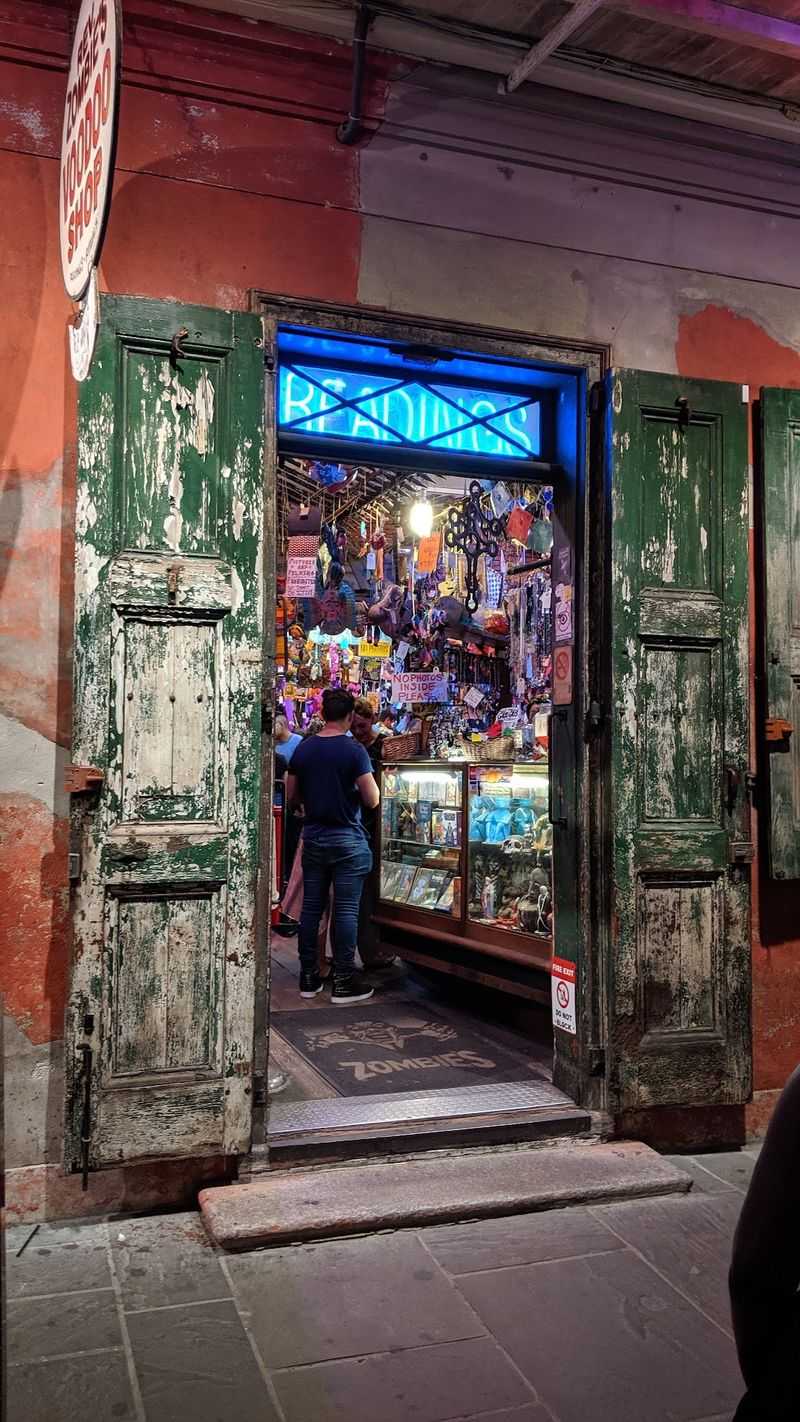
Timing is easy. Reverend Zombie’s House Of Voodoo opens daily from 10 a.m. to 8:30 p.m., seven days a week, at 713 Royal Street.
That late close lines up nicely with an evening in the Quarter.
Getting there is a short walk from Bourbon Street, and the store sits across St. Peter from Preservation Hall. Busy periods can mean a line at the door, with one visitor reporting about a ten-minute wait to get inside.
Prices draw mixed comments. Some shoppers call them reasonable or decent on most items, while others found them high, which is common across the French Quarter.
Small buys like oils and incense tend to feel like the best value.
Plan for readings to cost more than a simple purchase, and ask before committing. Check voodooneworleans.com for current details, including the Bourbon Street sister shop.
So who should go? Anyone curious about New Orleans spiritual life, practitioners stocking up and gift hunters with a taste for the strange will find plenty here.
Leave the camera alone, keep your hands off the altars and give yourself time. The best moment may be stepping back onto Royal Street under that red and blue glow.