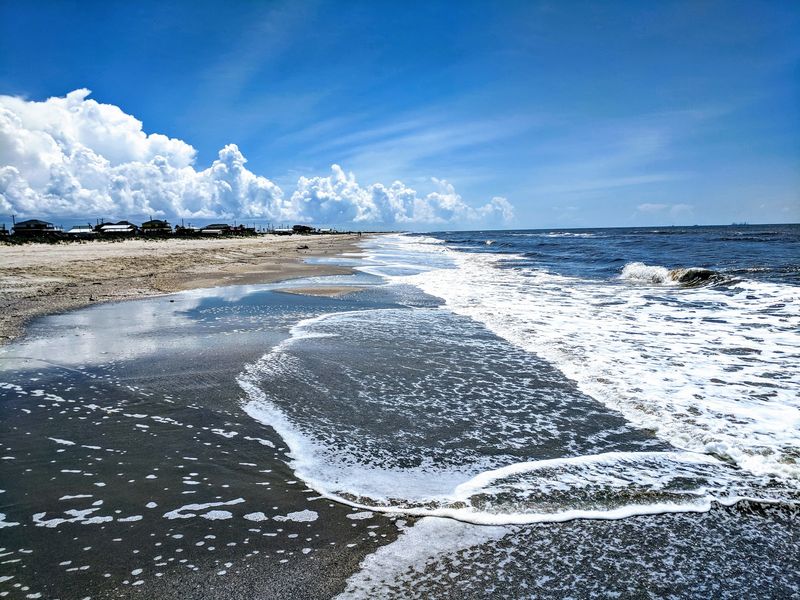
The Creole Nature Trail runs about 180 miles through southwest Louisiana, looping from Sulphur and Lake Charles down to the Gulf and back through marsh, prairie, and chenier ridges. Folks call it Louisiana’s Outback, and the nickname fits once the refineries fade and the sky opens up over miles of grass and water.
The route sits where two major bird flyways meet, so the cast of wildlife changes with the season and sometimes with the mile marker. Here are 12 stops that each show a different face of this working, wild coast.
1. Creole Nature Trail Adventure Point
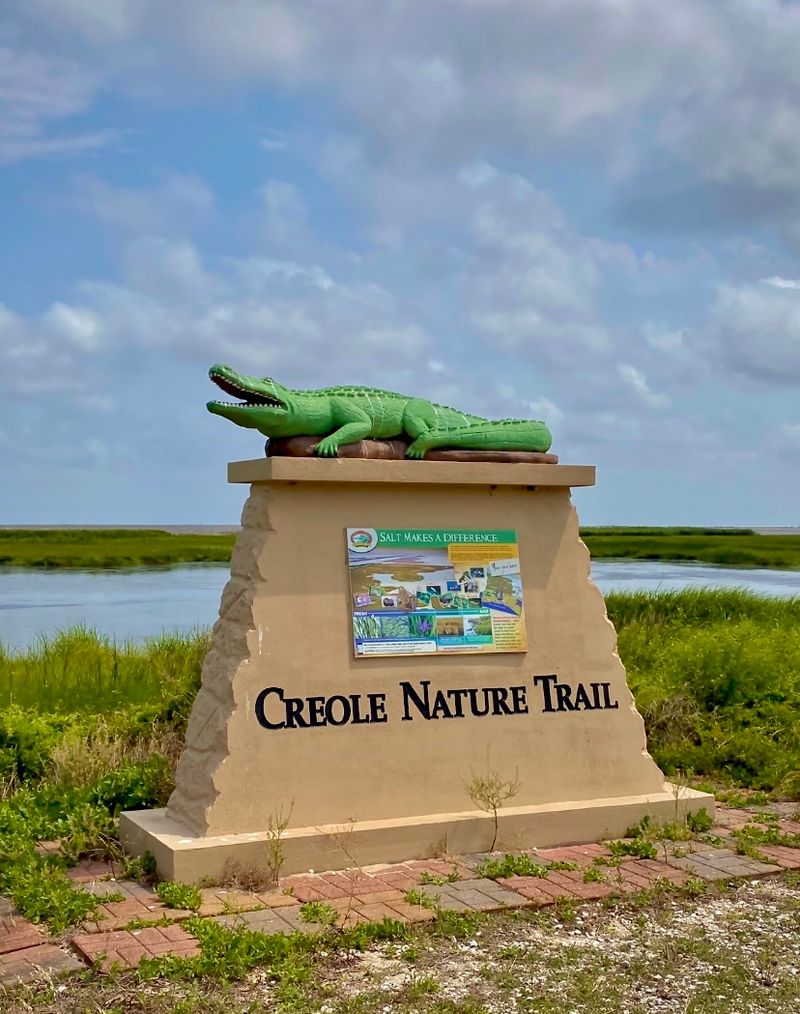
Start with the map in your hands instead of on your phone. Coverage gets thin once the marsh takes over, and the staff at Adventure Point in Sulphur can tell you where the gators have been sunning, which crabbing spots are producing, and how long each leg of the loop really takes.
The building sits at 2740 Ruth St, close enough to Interstate 10 that it works as the natural first stop for anyone coming in from Lake Charles or Texas. Inside, interactive exhibits walk through the trail’s ecosystems and the Cajun and Creole culture that grew up around them.
Kids tend to gravitate toward the hands-on displays, including a Zydeco band setup and stations that simulate the smells of regional cooking.
Admission is free, and there are restrooms, which matter more than you might think on a route where facilities get sparse. Hours run Monday through Friday from 8:30 a.m. to 5 p.m. and Saturday from 8:30 a.m. to 4 p.m., with Sundays closed.
Grab the printed guides and ask about recent wildlife sightings before heading south. Twenty minutes here can save an hour of guessing later, especially if you hope to time the ferry or catch birds during migration.
2. Sabine National Wildlife Refuge
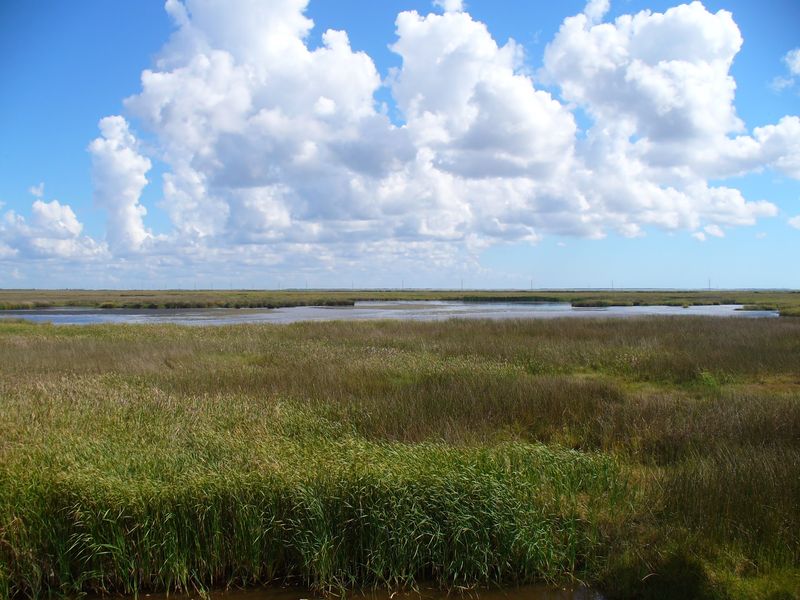
Roughly 125,000 acres of marsh make Sabine one of the largest coastal refuges on the Gulf, and it anchors the western side of the trail along Holly Beach Highway south of Hackberry. Driving through it, the land flattens into grass and water as far as you can see.
The refuge was set aside for migratory waterfowl, and winter brings ducks and geese by the thousands. Spring and fall are prime for alligator sightings, when the big ones haul out along the canals that parallel the highway.
Snakes, wading birds, and the occasional turtle round out the roadside show, so drive slowly and keep binoculars within reach.
Two of the trail’s best walks sit inside the refuge boundaries, and each gets its own entry below because they feel so different from one another. The refuge also has public restrooms, and dogs are allowed in designated areas, a welcome bit of flexibility for road-trippers traveling with pets.
Crabbing along the refuge waterways is popular in the warmer months. Weekday mornings tend to be quieter than weekends, which helps if you want the canals to yourself.
Call the office at 337-762-3816 for current access conditions before you go, since storm repairs have affected parts of the refuge in recent years.
3. Wetland Walkway Trail
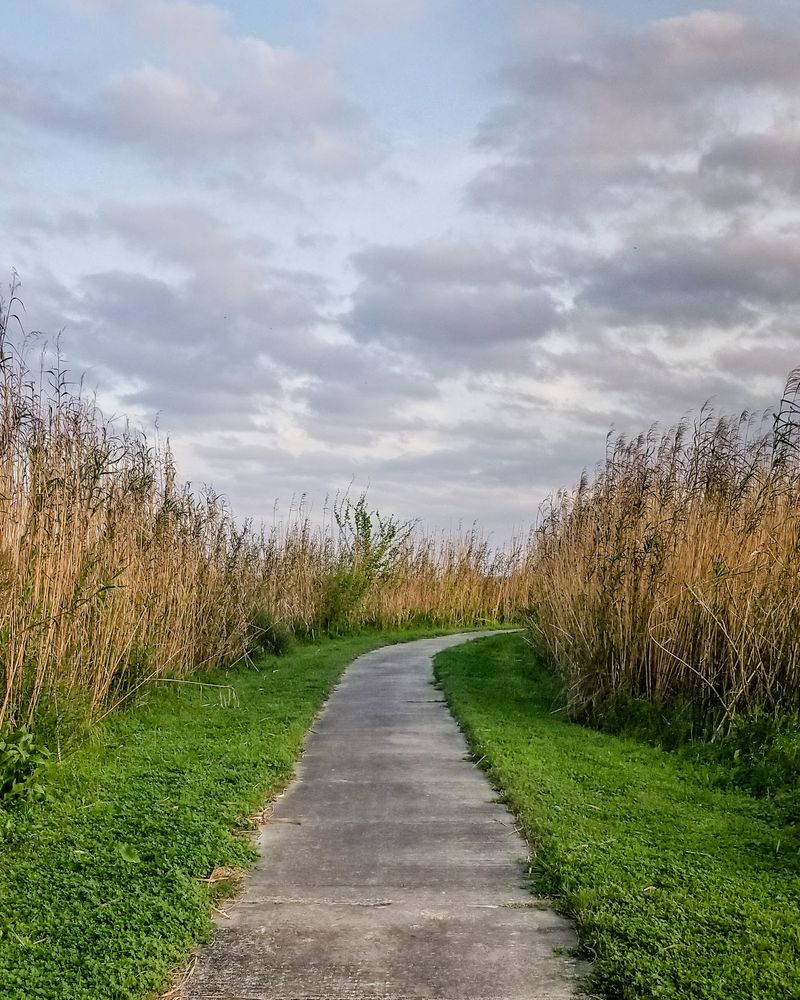
Few places in Louisiana let you stroll above a freshwater marsh on pavement. The Wetland Walkway inside Sabine National Wildlife Refuge is a 1.5-mile loop built right over the grass and shallow water, and it remains one of the easiest ways on the trail to get close to gators without a boat.
The path is paved and wheelchair accessible, and there are restrooms at the trailhead. That makes it a strong choice for families with strollers, grandparents, or anyone who wants wildlife without a muddy hike.
Alligators are the main draw, especially in spring and early summer when they bask along the edges, but herons, egrets, and smaller marsh birds keep the walk busy between gator sightings.
A few practical notes help. The observation tower overlook has been closed for an extended period, so plan on enjoying the view from the walkway itself.
Bring bug spray, because the marsh produces mosquitoes generously in warm months.
Morning and late afternoon light suits photographers best, and the open sightlines mean you can spot movement in the water well before you reach it. Allow about an hour if you like to stop and watch, which most people do once the first big gator shows up.
4. Blue Goose Trail
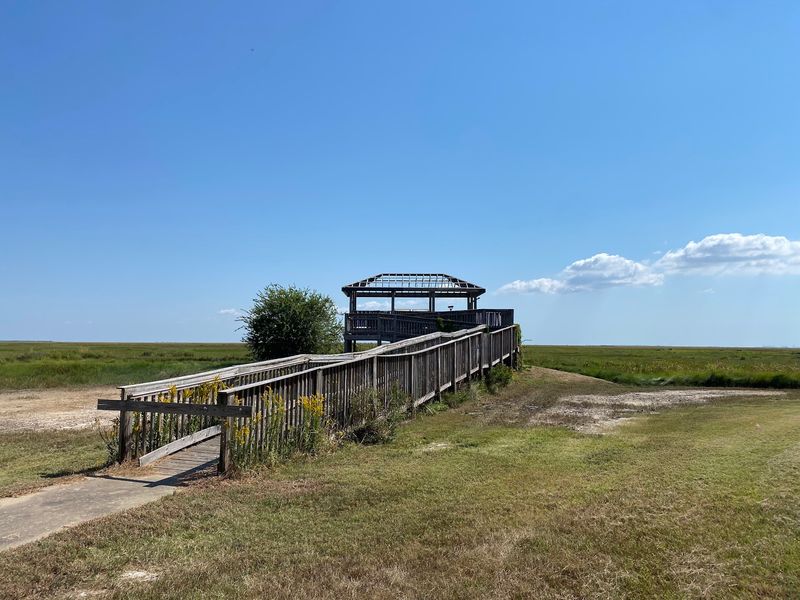
Salt changes everything. A short drive from the Wetland Walkway, the Blue Goose Trail trades freshwater marsh for brackish and saline habitat, and the shift in wildlife shows how quickly coastal Louisiana changes character.
The trail runs about a mile with wide paved walkways that make it an easy stroll. Open water sits along the route, and the far end delivers a quiet view toward the Gulf.
Shorebirds, wading birds, and waterfowl work the shallows, and sharp eyes may catch a diamondback terrapin, a turtle that prefers brackish water and is far less common than the sliders you see elsewhere.
Alligators still turn up, and the paved path brings you close enough to watch them in their own element. Even so, the bigger appeal here is the sense of openness.
Wind moves across the grass without much to stop it, and the horizon feels wider than it does back at the freshwater loop.
Pair this walk with the Wetland Walkway for a side-by-side lesson in marsh types within the same refuge. Weekday afternoons are often quieter, and the trail rarely feels crowded.
Pack water and a hat, since shade is scarce once you leave the parking area.
5. Holly Beach
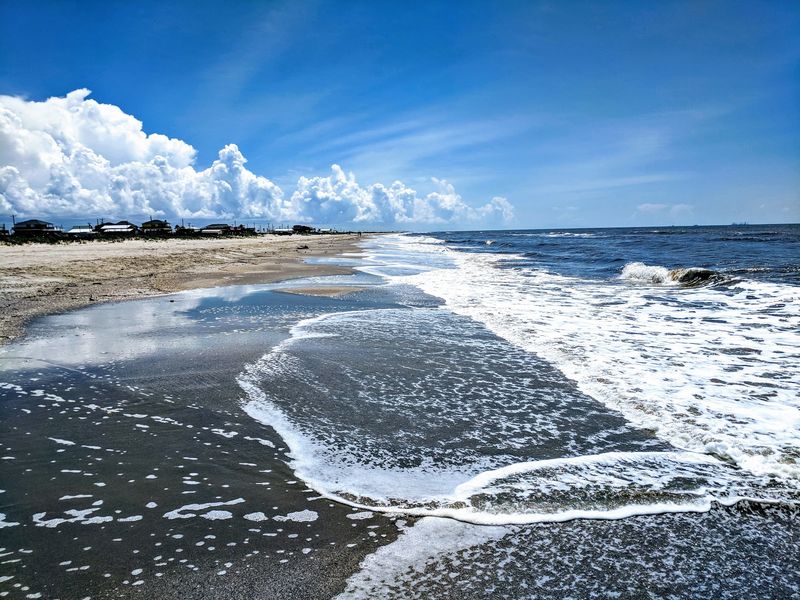
Locals call it the Cajun Riviera with a grin, and the joke works because Holly Beach is about as far from a high-rise strip as a Gulf beach can get. Highway 82 runs right alongside it, and the sand stretches long and open with plenty of room to spread out.
Driving on parts of the beach is common here, which gives the place a laid-back, tailgate kind of feel. Families set up for the day, fishing lines go out into the surf, and crab nets come out in season.
Dolphins often roll just offshore, a nice surprise for anyone watching the water instead of their phone.
Shelling is a quiet pleasure along the tideline. Whelks, cockles, angel wings, olives, and coquinas wash up regularly, and early mornings after a blow tend to bring the best finds.
The beach is rustic, so plan accordingly. Bring water, shade, and anything else you need, since services are limited compared to bigger coastal towns.
Sunrise and sunset both light up the wide sky, and with so little development around you, the view stays mostly water, sand, and clouds. That simplicity is exactly why so many people keep coming back to this stretch of Cameron Parish.
6. Rutherford Beach
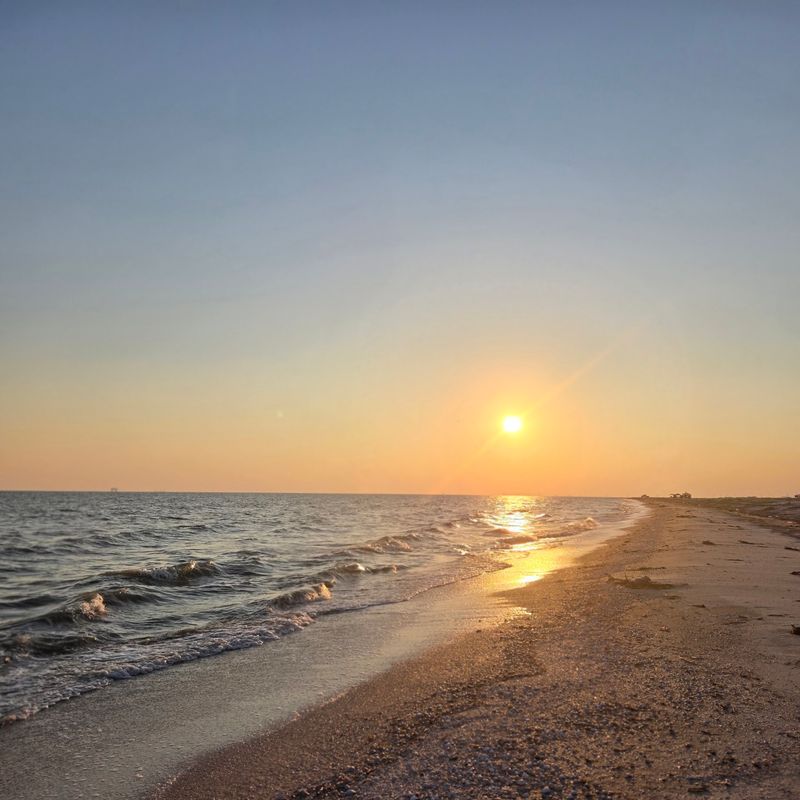
Shells first, then silence. Rutherford Beach in Creole draws shell hunters with a steady supply along the tideline, but many visitors linger for the calm that settles over this stretch of the Gulf once the wind and waves take over the soundtrack.
The beach sits at the end of Rutherford Beach Road, south of the community of Creole on the eastern half of the trail. It stays open around the clock, and it offers more basics than you might expect from such an undeveloped spot.
A freshwater rinse shower, portable toilets, trash bins, and public restrooms make a full day here manageable.
Overnight stays are possible too. RV camping with water hookups and tent sites give travelers a chance to wake up to sunrise over the water, and dogs are welcome.
Parking options include free spaces as well as paid lots.
Surf fishing, picnics, and long walks fill most days, while birds work the shoreline and gulf breezes take the edge off summer heat. Compared with Holly Beach, Rutherford tends to feel more tucked into its surroundings, a place for slowing down rather than spreading out.
Bring a bucket for shells and a chair for the hours that follow.
7. Cameron Prairie National Wildlife Refuge Visitor Center
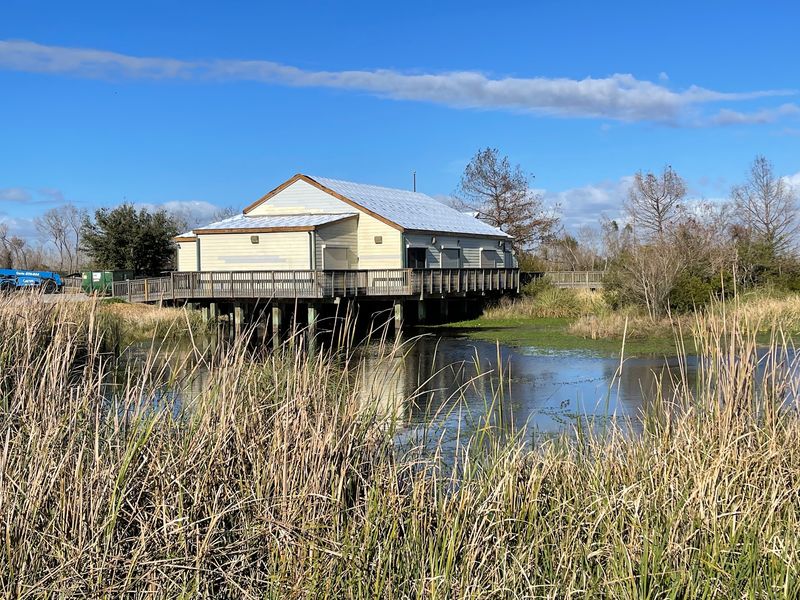
Here the coast meets the prairie. Cameron Prairie National Wildlife Refuge protects a slice of the coastal grassland that once covered much of southwest Louisiana, and its visitor center along LA-27 near Bell City is the best place to understand that landscape.
Exhibits inside cover wetland conservation, bird migration patterns, and the Cajun and Creole cultures tied to the land. Displays are approachable for kids, and the restrooms are a welcome stop on this northern stretch of the loop.
Outside, a quarter-mile boardwalk leads over the water, and alligators are regularly seen right near the building. For travelers who have driven the whole trail without a good gator sighting, this is often where the luck finally turns.
Hours are limited, so plan carefully. The center opens Tuesday through Thursday from 9:30 a.m. to 2:30 p.m. and stays closed the rest of the week.
Call 337-598-2216 to confirm before making the drive.
Birding stays strong year-round, and the refuge also supports fishing and regulated hunting. Even when the building is closed, the surrounding wetlands remain worth a look, especially as a jumping-off point for the wildlife drive next door.
8. Cameron Prairie NWR Pintail Drive
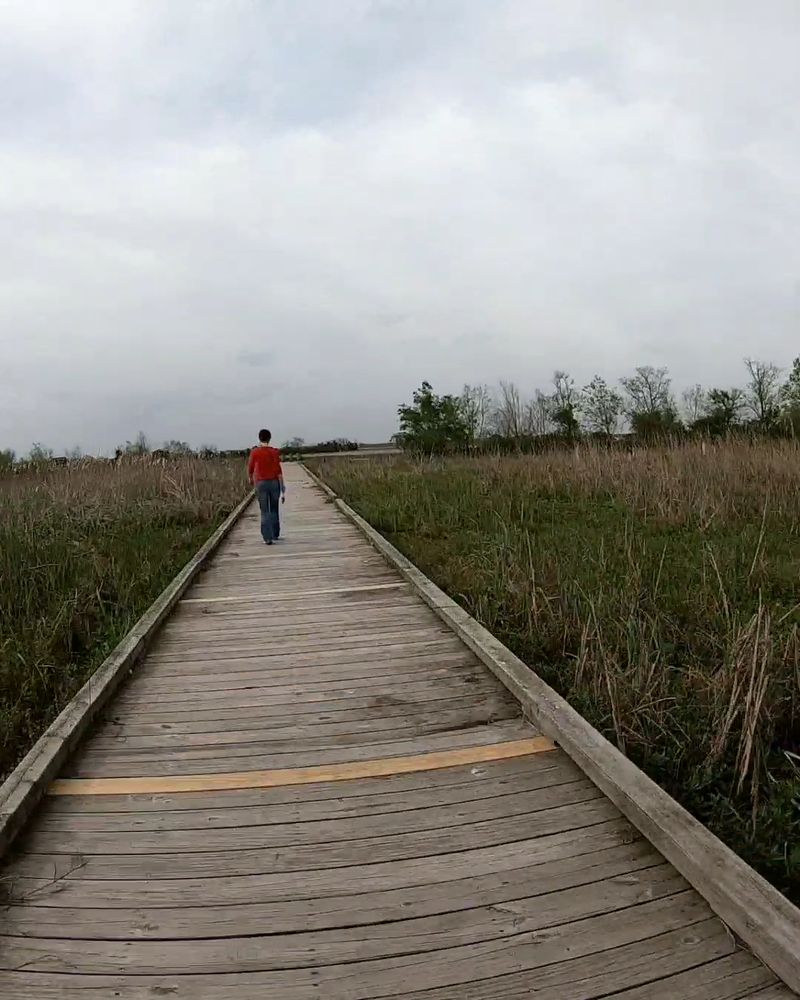
Windows down, speed low, eyes on the ditches. Pintail Wildlife Drive is a three-mile loop through managed wetlands at Cameron Prairie, and it rewards patience more than almost any stretch of the trail.
The road is designed for viewing from your vehicle, which turns the car into a moving bird blind. Wildlife tends to ignore slow-rolling traffic, so long-legged waders like herons, egrets, and spoonbills keep feeding right beside the road.
Alligators live here all year and are frequently seen in good numbers, along with turtles, white-tailed deer, otters, and muskrats if you get lucky.
Near the start of the loop, a boardwalk offers a chance to step out and get closer to the water on foot. Late fall through early spring brings ducks and geese in heavy numbers, filling the marsh with noise and movement.
These wetlands also serve as nurseries for brown shrimp and blue crab, a reminder that the habitat here supports far more than the visible wildlife. Bring binoculars and a camera with some zoom.
Plan for at least 45 minutes, even though the mileage is short. Most of the time goes to stopping, watching, and waiting for the next bird to step out of the grass.
9. Lacassine National Wildlife Refuge
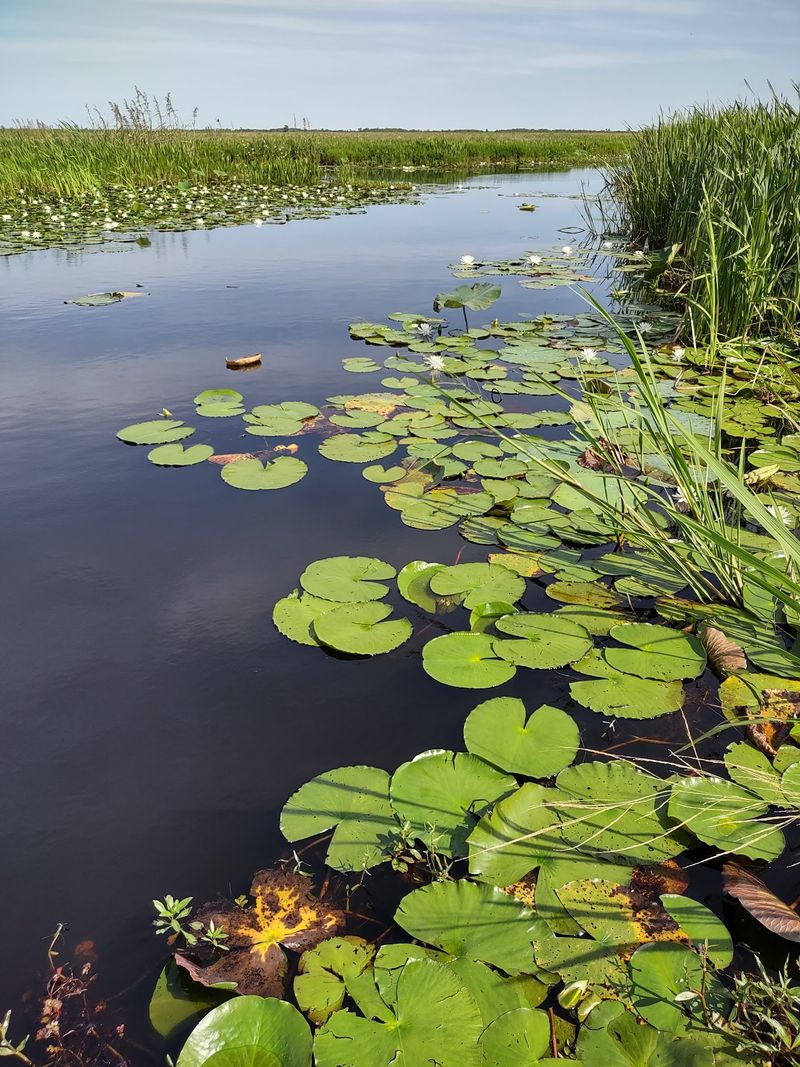
Bass anglers know Lacassine Pool long before they know the rest of the refuge. The 16,000-acre freshwater impoundment has a reputation for big fish, and two boat launches give fishermen plenty of access to open water.
The refuge sits off the main loop near Lake Arthur at 209 Nature Road, making it a detour east along LA 14. It earns the extra miles by showing a side of the region the coastal stops cannot.
Everything here leans fresh rather than salty, with marsh habitat that supports a different mix of plants, fish, and birds.
A 2.8-mile wildlife drive loop is the easiest way to take it in. Lookout points and hiking trails add more options for travelers who want to stretch their legs.
Winter brings snow geese and other waterfowl, while spring and fall migrations bring songbirds through in large numbers.
Alligators are common, and photographers find plenty of subjects among the wading birds. Hunting is permitted in season under refuge rules, so check regulations if you visit in fall or winter.
Weekday afternoons can be quieter than weekend mornings. Call 337-774-5923 for current conditions and road status before heading out.
10. Rockefeller Wildlife Refuge
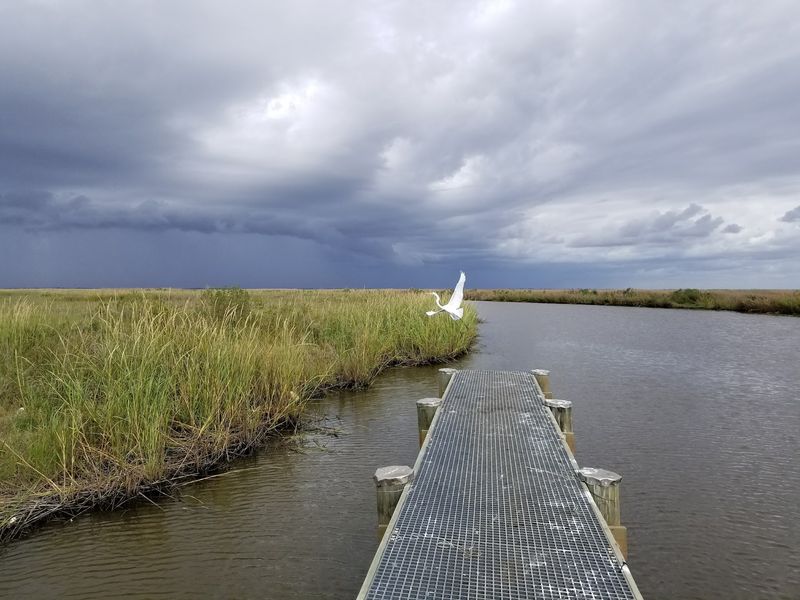
Bring chicken necks, a long-handled net, and an ice chest. Rockefeller Wildlife Refuge near Grand Chenier ranks among the most popular spots on the trail for recreational crabbing, shrimping, and fishing, and summer weekends show it.
The state-owned refuge stretches across a huge swath of coastal marsh on the eastern side of the trail, with its headquarters at 5476 Grand Chenier Highway. Piers and recreation areas give easy access to the water, and Price Lake Road is a well-known crabbing spot.
Peak crab season runs roughly May through September.
Paperwork matters here. Crabbing on the refuge requires a Wildlife Management Area permit along with a standard Louisiana recreational license, so sort that out before you arrive.
Wildlife viewing is strong as well. Gators are plentiful, and the refuge draws birders through every season.
Public restrooms help families stay longer, and dogs are allowed.
Saturday mornings tend to bring the biggest crowds, while weekday evenings are much calmer. Few stops on the trail capture the coast as a place where people actually gather food the way Rockefeller does, with buckets filling up on the bank and kids learning to pull a line slowly.
11. Peveto Woods Bird & Butterfly Sanctuary
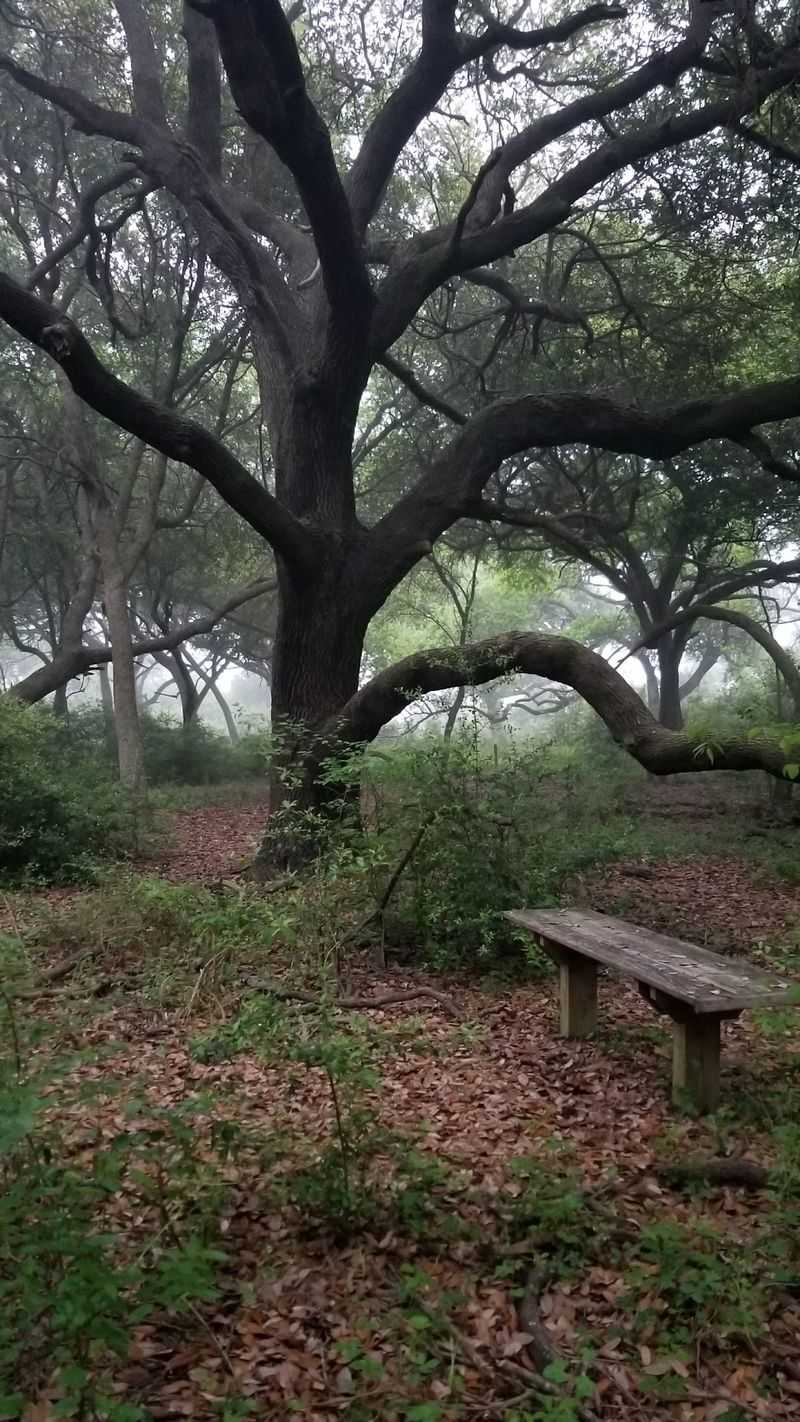
Imagine flying nonstop across the Gulf of Mexico and spotting the first trees in hundreds of miles. For millions of songbirds each spring, Peveto Woods is that landing zone, a patch of live oaks on a chenier ridge near Johnson Bayou.
Cheniers are old beach ridges built from sand and shell, standing just high enough above the marsh to support trees. At this sanctuary, managed by the Baton Rouge Audubon Society, the oaks grow arched and windswept from years of salty wind.
Exhausted birds rest and feed here to rebuild the muscle and fat burned during the crossing before continuing north.
The sanctuary was Louisiana’s first chenier sanctuary, and it covers around 40 acres. Several clean trails wind through the woods, with benches and sitting areas placed for quiet watching.
Warblers and kingbirds are frequent visitors, and butterflies add color during their own migrations.
Timing makes a big difference. Spring migration, especially after a north wind, can fill the branches with birds, while fall brings a second wave heading south.
Find it at 182 Gulf View Road in Cameron. Move slowly, sit often, and let the birds come to you.
12. Prien Lake Park
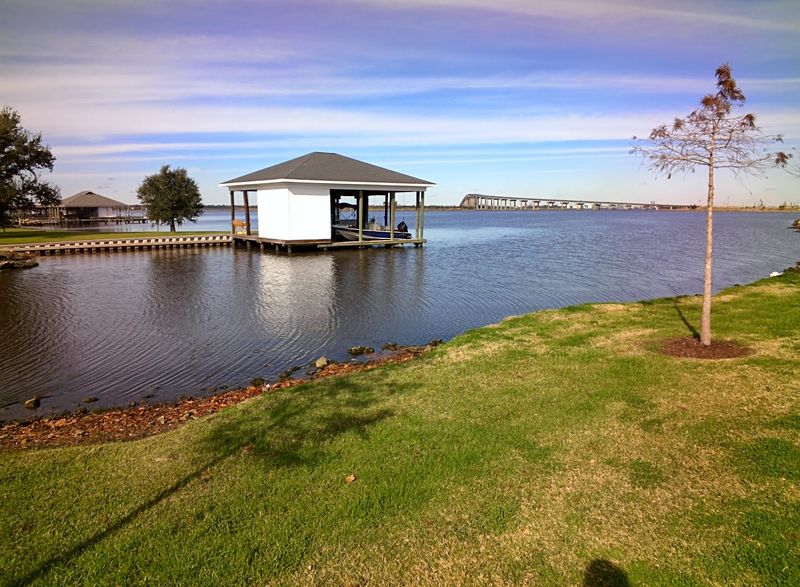
After a day of marsh, mud, and mosquito spray, a manicured lakeside lawn feels like a reward. Prien Lake Park in Lake Charles offers a gentler bookend to the trail, a 29-acre spot along the water where the day can wind down slowly.
Sunsets here are the main event. The western view across Prien Lake lights up in orange and pink most clear evenings, and a walking trail along the shore makes it easy to watch the color change.
Families find plenty to do. A gated playground with slides and swings, a children’s water play area, picnic tables, and barbecue grills turn it into an easy dinner stop.
Restrooms are on site, dogs are welcome, and a boat launch serves anglers heading onto the lake.
The park stays open daily from 5 a.m. to 11 p.m., so early risers can catch quiet mornings before starting the drive south. Weekend afternoons draw the biggest crowds, while weeknights are calm.
Find it at 3700 West Prien Lake Road. With wide lawns and open water, it reminds you that the trail’s wild coast and the city of Lake Charles sit only a short drive apart.