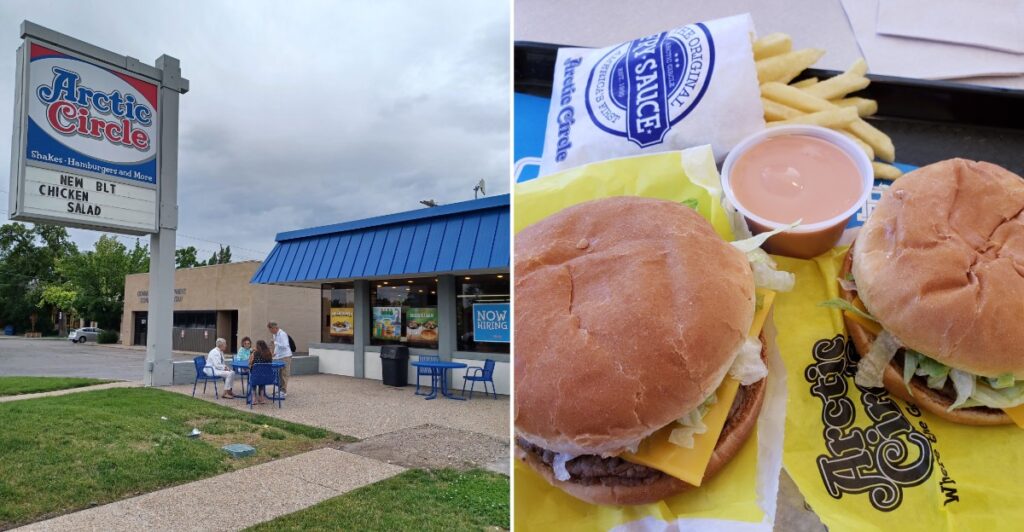
The most interesting thing about your burger might be sitting in a tiny cup beside the fries. That pink, creamy dip is more than a condiment.
It’s a local tradition with a story worth knowing. At a burger chain’s 1700 South location in Salt Lake City, Utah, an ordinary order comes with a little food history.
The chain helped turn fry sauce into an everyday favorite, giving generations of customers something extra to dunk their fries into. But there’s a detail that could trip up anyone chasing culinary nostalgia.
Visiting this location means experiencing the chain associated with the sauce, not standing inside its original restaurant. Same legacy, different address.
And really, isn’t it funny how something so simple can become part of a state’s identity? For anyone exploring Utah through its food traditions, this is a reminder that memorable local stories sometimes arrive alongside a burger, wrapped in paper with extra napkins.
A Pink Dip With A Salt Lake City Backstory
The smallest cup on the tray carries the biggest story. Fry sauce, the pink condiment closely linked with Utah, turns an ordinary order of fries into a chance to explore a regional food tradition.
Its familiar base is mayonnaise and ketchup, although recipes vary among restaurants and home kitchens. That distinction matters: knowing the basic idea does not mean knowing a particular restaurant’s full recipe.
Salt Lake City is central to the story because the chain behind this location credits its founder with developing its original sauce. The history belongs to the business, not automatically to every building that later carried its name.
For a first visit, keep the experiment simple. Order fries with fry sauce, taste a fry without it, then try the same food with the dip.
You do not need a grand meal or a serious tasting face. A small comparison is enough to understand why a condiment can become the reason people remember a restaurant.
The interesting part is how modest the whole idea remains. A sauce served alongside everyday food offers a direct connection to a regional story, without requiring a reservation, a special occasion, or much explanation beyond what is sitting right there on your tray.
Arctic Circle Connects 1700 South To The Sauce Story
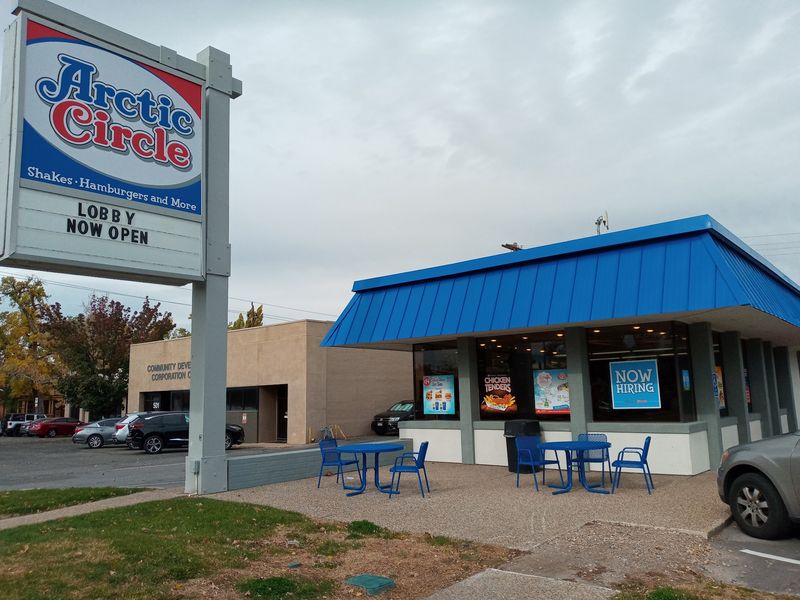
Here is the name behind the pink cup: Arctic Circle, at 525 E 1700 S, Salt Lake City, UT 84105, USA. The supplied location listing identifies this branch as a fast food restaurant serving burgers, fries, shakes, and halibut sandwiches.
The larger company traces its beginnings to Don Carlos Edwards, who opened the first restaurant under the chain’s name in Salt Lake City in 1950. He is credited with creating the sauce that became a defining part of its identity.
There is an important wrinkle in the headline, though. The available information connects fry sauce’s origin to the chain, but does not establish this particular street address as the place where Edwards first made it.
That makes this location a connection to the story, rather than a verified birthplace building. It is still an appealing distinction for anyone curious about Utah food history.
A visit can pair a familiar fast food meal with a specific question: how did such a simple condiment become so closely associated with one region?
You need not settle every debate about who mixed similar sauces elsewhere. The useful, supported connection here is between Edwards, the Salt Lake City business he founded, and the signature sauce associated with that business today.
Burgers, Halibut, And Shakes Share The Spotlight
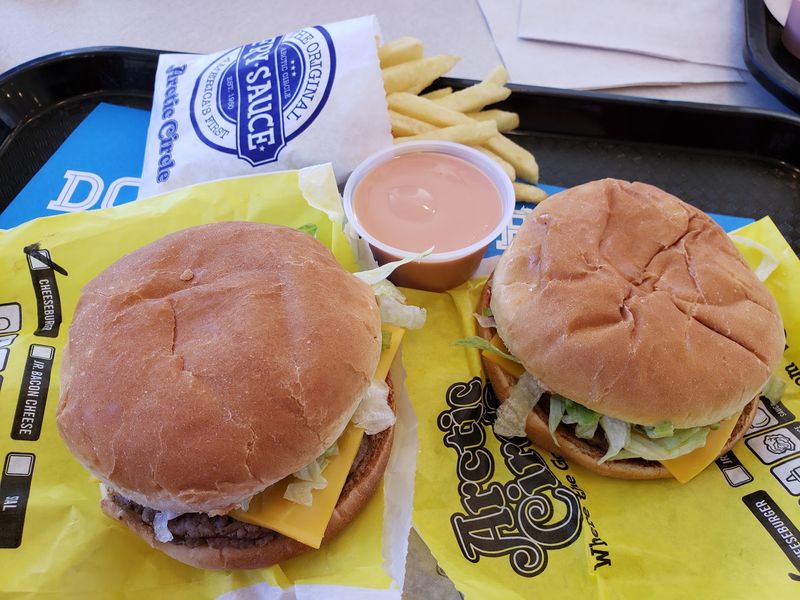
A condiment may bring you here, but it does not have to do all the work. The location information describes a menu built around Black Angus burgers, halibut sandwiches, milkshakes, and fries.
Those categories give Arctic Circle a clearer identity than a story about sauce alone. Beef, fish, and frozen treats offer different ways to build a meal while keeping the central fry sauce connection in view.
Start with the food you actually want to eat. A burger and fries make a straightforward introduction; a halibut sandwich gives someone who prefers fish another direction to consider.
Check the location’s current ordering menu before choosing a specific variation. Named burgers, shake flavors, prices, and promotional items can change, so an older menu photograph should not become your lunch plan.
Likewise, ask about ingredients when allergies or other food needs are involved. A broad menu category cannot tell you everything about toppings, preparation, or shared equipment.
The practical appeal is choice without turning lunch into a research assignment. Decide on the main food first, add fries if you want to explore the sauce, and leave room for a shake only if that sounds good.
Dessert does not need to be a test of regional loyalty either.
The 1700 South Drive Through Keeps Plans Flexible
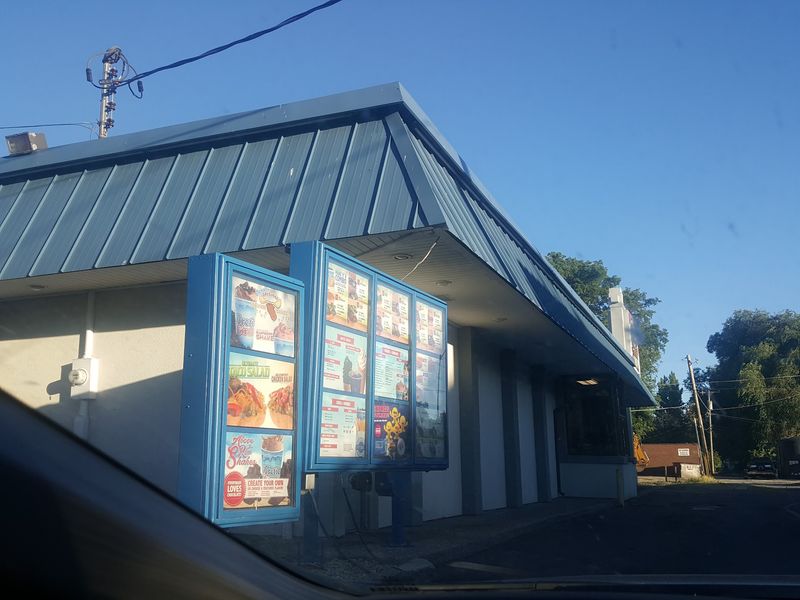
The history lesson can fit inside an ordinary lunch break. You do not have to turn a stop at this branch into a full afternoon devoted to restaurant nostalgia.
Location feedback documents a drive through, which gives Arctic Circle a practical role alongside its sauce story. That option can suit a takeout meal, although it should not be mistaken for a promise of immediate service.
Good To Know: Check the current menu and hours before heading over, especially when your schedule leaves little room for changes. Listed schedules can shift around holidays or other circumstances.
For visitors exploring Utah, the useful contrast is between a regional food connection and a familiar ordering format. You can try something associated with the state without learning an unfamiliar dining routine.
Keep expectations matched to the kind of business involved. This is a fast food stop, not a guided historical attraction, and the sauce story is background you bring to the meal.
That can be refreshing. Sometimes the most manageable discovery is not another destination that needs tickets or a carefully timed arrival, but a lunch choice with a little context.
Give yourself enough time to order, check your food, and enjoy it rather than treating the stop as a race.
One Sauce Story For Different Kinds Of Diners
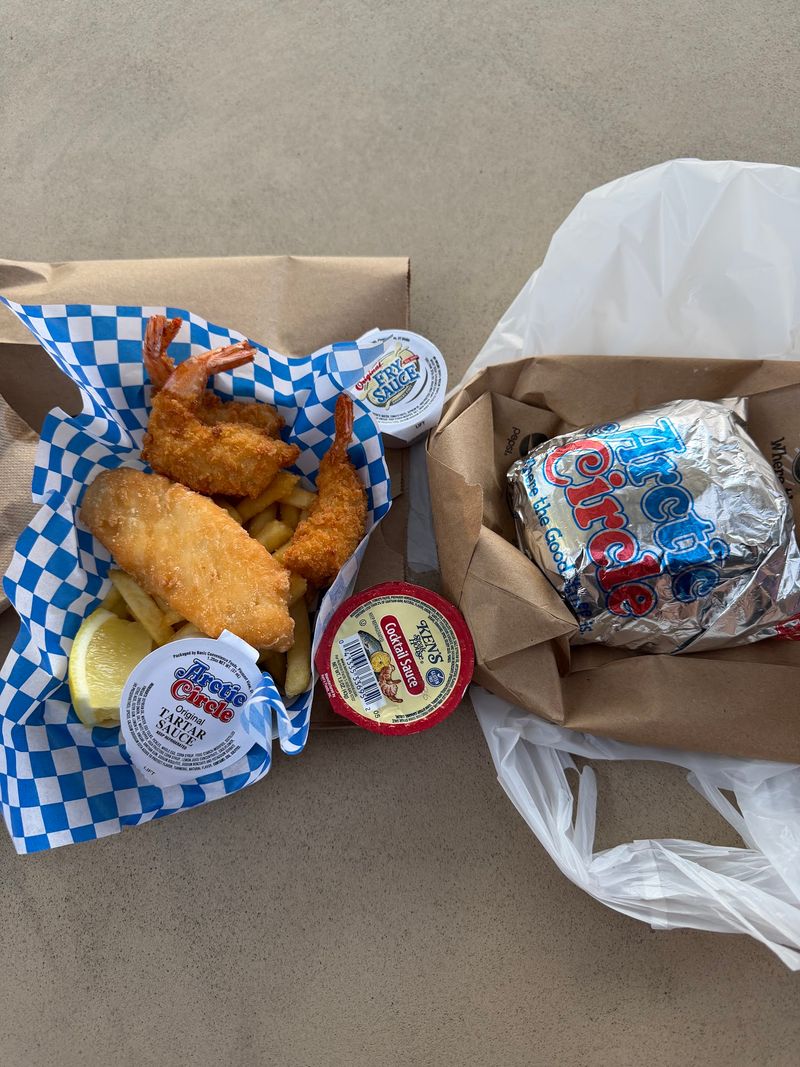
Not everyone at the table needs to care equally about condiment history. One person can come for the backstory while another simply wants a burger, a fish sandwich, or a shake.
That balance makes Arctic Circle a reasonable option for mixed interests. Its listed food categories provide a familiar starting point for families, couples, solo diners, and weekend travelers without requiring everyone to order the same meal.
For adults visiting with children, the sauce can become a small conversation rather than a lengthy lesson. Explain its link to the chain, then let anyone curious try it with their fries.
A couple can keep the stop casual, while someone eating alone can explore the same regional connection without needing a shared occasion. Neither plan requires pretending that fast food is a formal event.
Travelers interested in Utah may find the most value in that ordinary quality. Regional food is not always an elaborate dish; sometimes it is a familiar meal with one distinctive addition.
Still, choose based on your group’s actual needs. Confirm ingredients, current prices, and available ordering options instead of assuming that a broad menu solves every concern.
The sauce supplies the conversation starter, but a meal everyone can comfortably order matters more than completing a food history checklist.
A Post Errand Stop On 1700 South
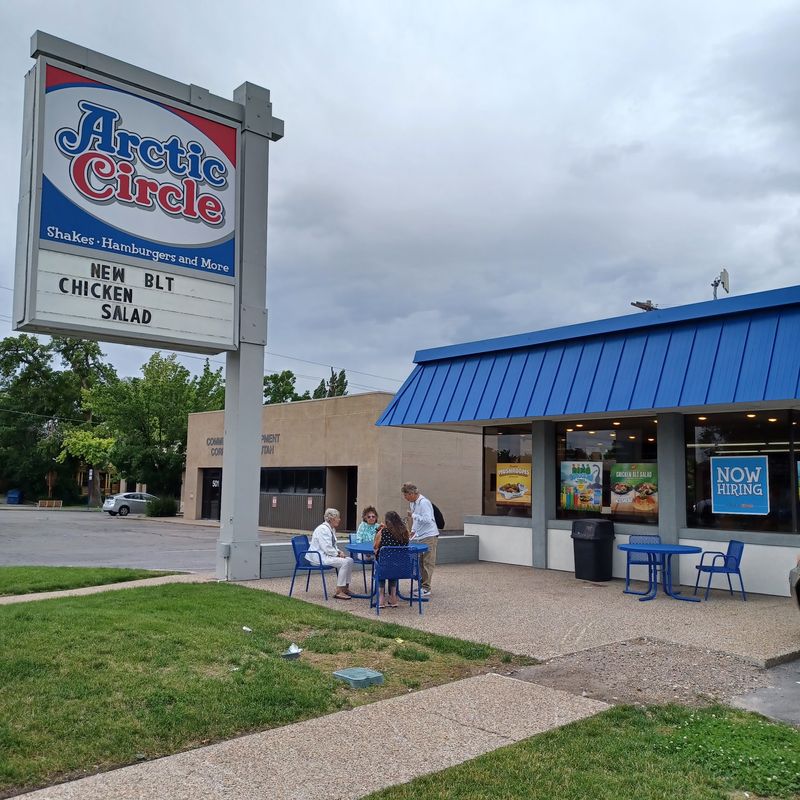
Picture the errands finished and lunch still undecided. Rather than adding an ambitious outing, you could make a straightforward food stop at 525 E 1700 S, Salt Lake City, UT 84105, USA.
Save that exact destination in your map app, since Arctic Circle has multiple branches. Checking the street address prevents a search for the company name from sending you somewhere other than the location discussed here.
Before leaving, look over the current menu and confirm that the branch is open. The supplied listing shows daily service, but checking again is sensible if you are planning around a holiday or arriving near closing.
Keep the order focused if fry sauce is your main interest. Fries and the dip can anchor the visit, with a burger or another listed main added according to your appetite.
Ask about sauce availability and any extra charge when ordering rather than assuming unlimited portions. Check the bag before departing, particularly if you have requested changes or ordered for several people.
Nothing else needs to be scheduled around it. This can remain a post errand meal or a modest weekend detour, not a tour of unverified nearby attractions.
Let the restaurant’s actual location guide the plan, and let your remaining afternoon stay open.
The Fry Sauce Legacy Is Bigger Than One Building
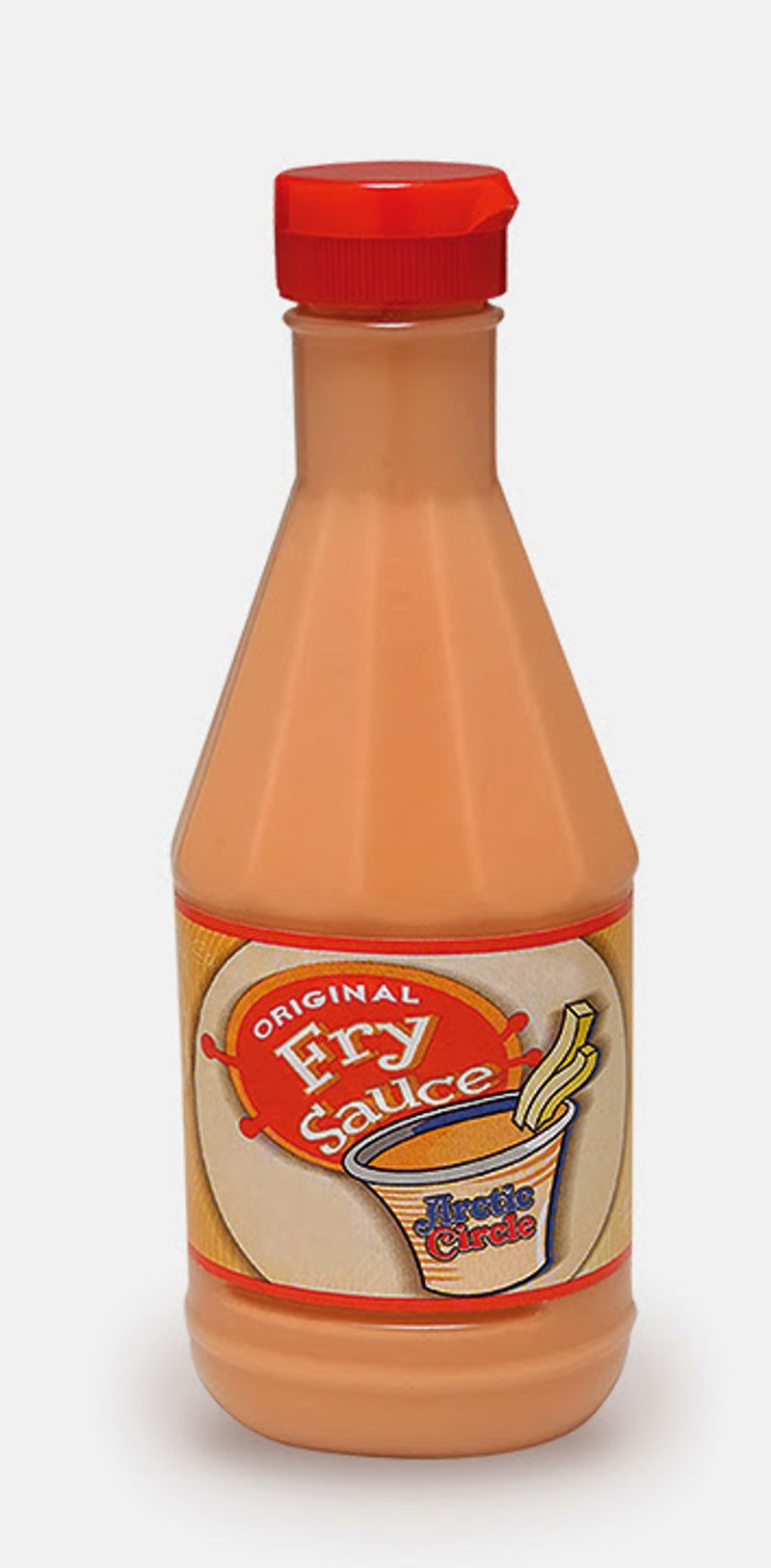
A good food story should survive a careful look at its headline. Here, the strongest reason to visit is the connection to the chain credited with developing its signature fry sauce, not an unsupported claim about one building.
Arctic Circle gives that history an everyday setting. You can order food associated with the business and consider how a modest condiment became part of the way Utah talks about its regional meals.
Keeping the distinction clear does not drain the story of interest. It makes the visit more honest: this branch represents the legacy, while the founding history belongs to the company and its beginnings in Salt Lake City.
There is also no need to turn the sauce into a competition. Try it, decide what you think, and enjoy the meal on its own terms.
The useful recommendation is modest. Choose this location when its menu and address fit your day, and bring enough curiosity to notice the connection between an ordinary order and an unusually recognizable regional condiment.
You may remember the burger, the shake, or simply the reason you asked for sauce instead of reaching straight for ketchup. Either way, the most interesting souvenir is not a grand claim about a birthplace.
It is a pink cup carrying a Salt Lake City story.