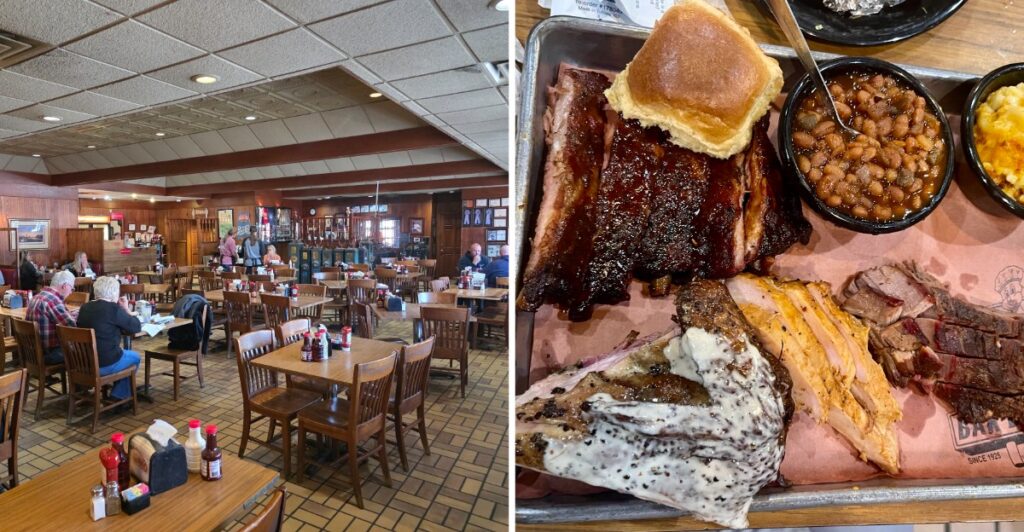
White barbecue sauce?
Yes, Alabama has some explaining to do.
It has been part of Alabama barbecue since 1925, with smoked chicken giving that tangy sauce exactly the kind of partner it needs.
A century later, the combination is still going strong.
The chicken spends hours over hickory before meeting the sauce, which is probably all the introduction you need before picking up a fork.
There is plenty more happening around the pit, but I would not rush past the dish that helped make this place famous.
Start with the chicken.
Give the white sauce a fair shot.
Then ask yourself the question everyone eventually gets to:
Why does barbecue sauce have to be red anyway?
A Century Of Smoke Rising Over Decatur
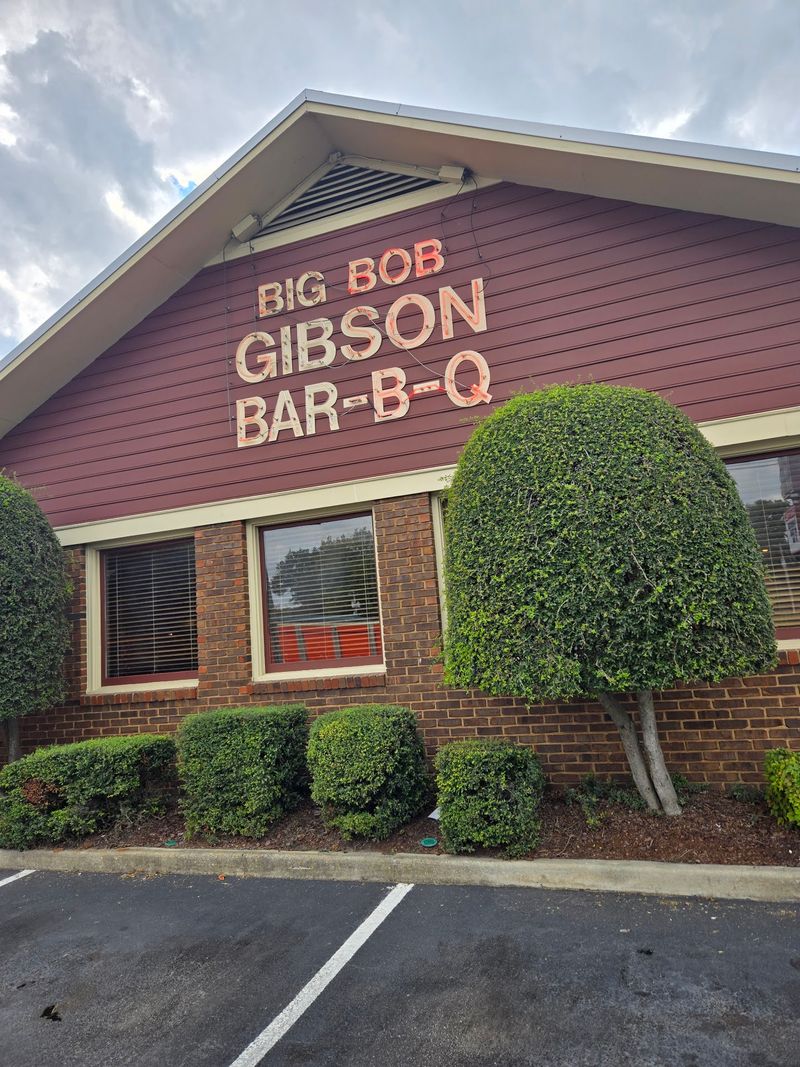
The story begins in 1925, when Bob Gibson, an L&N railroad worker, started serving barbecue from his backyard in Decatur. He cooked in a hand-dug pit and used a makeshift table built from oak planks nailed to a sycamore tree.
That backyard setup did not stay small forever. Family members expanded the barbecue business across northern Alabama afterward.
The business moved through several Decatur locations as it grew, eventually developing into the restaurant that still carries his name.
Hickory-fired brick pits became central to the cooking style. Pork and chicken were early staples, and later generations expanded both the menu and the restaurant operation while keeping those pit-cooked meats at the center.
If you are planning a first visit, the 6th Avenue location is the easiest reference point. It is open daily and has both dine-in and drive-thru service, so the stop can work whether you want to sit down or keep the day moving.
A century of history can sound heavy, but the meal does not need to be. Order the chicken, add a side, and let the oldest part of the story come to the table first.
The Tangy Sauce Is Built For Smoked Chicken
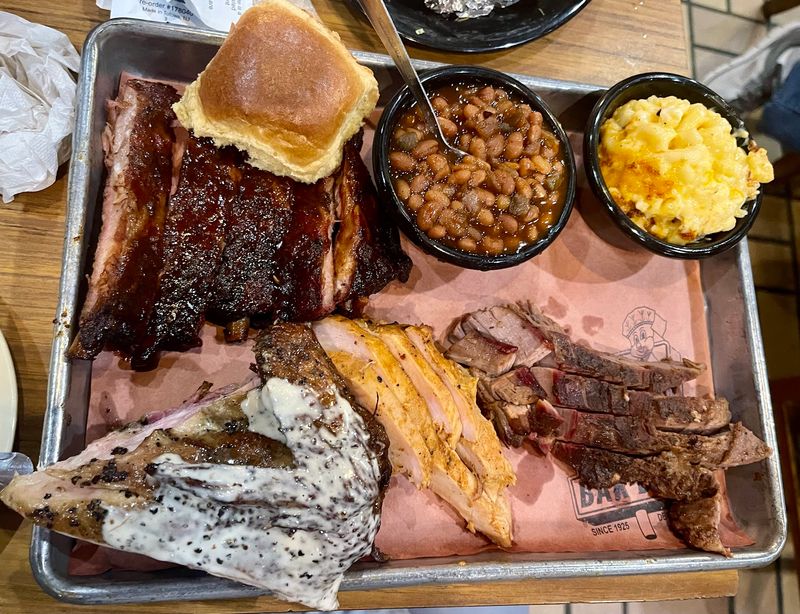
Alabama white barbecue sauce began here in Decatur with Big Bob Gibson’s 1925 recipe. The Original White Sauce is tangy, peppery, and mayonnaise-based, with a flavor profile very different from the thick red sauces many people expect with barbecue.
Vinegar and black pepper sharpen the mayonnaise-based sauce further.
The sauce was paired with chicken and pork from the early backyard days, and it remains part of the restaurant today. Bottles are also sold for home use, so the same sauce can move from the restaurant table to a backyard grill or kitchen.
For a first taste, start with the chicken as served before adding anything extra. The sauce already arrives as part of the finishing step, so there is no need to cover the plate again before you know how much tang you want.
Its pale color may be the first thing you notice, but the sharper vinegar and pepper notes are what separate it from sweeter barbecue sauces. That contrast makes the chicken the natural place to begin.
If you want to compare, try a bite with the sauce as served, then another with a little more from the table. Small changes are enough to shift the balance without turning lunch into a sauce experiment.
Hickory Wood Still Shapes The Cooking
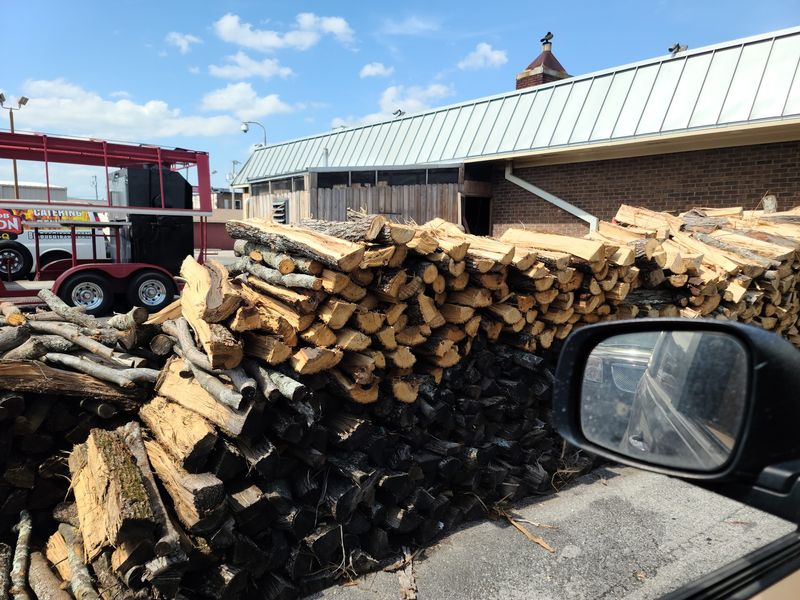
Hickory has been part of the restaurant’s cooking story from the early years.
Bob Gibson specialized in smoking pork and chicken in hickory-fired brick pits, and that pit tradition remains one of the clearest links between the restaurant’s beginnings and its current barbecue.
The process is built around time rather than speed.
Historically, cooks shoveled burning hickory coals underneath brick pit grates.
Chicken cooks over the pit for hours before it reaches the final sauce dip, while pork and other meats follow their own pit schedules.
Hickory brings a distinct smoke character to the meat, so the first bite does not depend on sauce alone. Try the chicken before adding more white sauce, and you can pick out the smoke underneath the tang.
The same principle works if you move on to pork or ribs. One plate can lean toward smoke, another toward sauce, depending on what you order and how much you add at the table.
For a quieter comparison, keep extra sauce on the side and alternate bites. That makes it easier to notice how the hickory, seasoning, and white sauce divide the work instead of letting one flavor dominate.
The competition record also includes pork, chicken, ribs, brisket, and sauces, tying the pitroom to a much larger barbecue circuit.
Golden Chicken Gets Its Finishing Dip
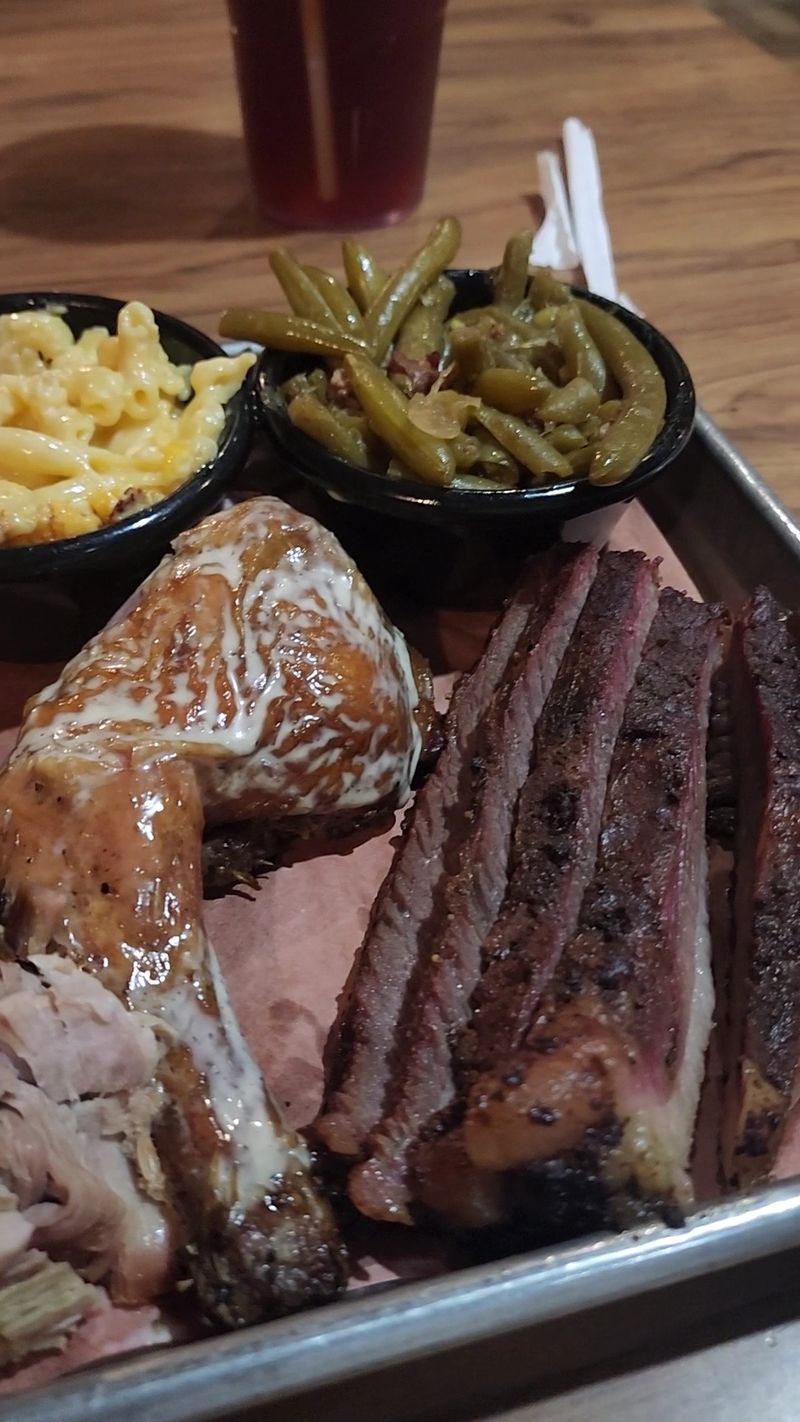
The chicken preparation is one of the most clearly documented parts of the restaurant’s routine.
Each chicken is split before seasoning and lengthy pit cooking for about three and a half hours at roughly 350 degrees.
Once the chicken is golden brown, it is dipped into the Original White Sauce. That finishing step puts the tangy sauce directly onto the hot meat rather than treating it only as a table condiment.
If this is your first visit, order the chicken before branching out. It combines hickory-smoked chicken with the Original White Sauce finish.
The 6th Avenue restaurant sits at 1715 6th Ave SE, Decatur, AL 35601. Dine-in runs from 9:30 a.m. to 8:15 p.m. daily, while drive-thru service continues until 8:30 p.m.
Want to try more than one meat? Use the chicken as the anchor, then add pork or another barbecue option if your appetite allows. That keeps the signature preparation at the center without making the plate feel like a checklist.
A Sauce That Dates Back To 1925
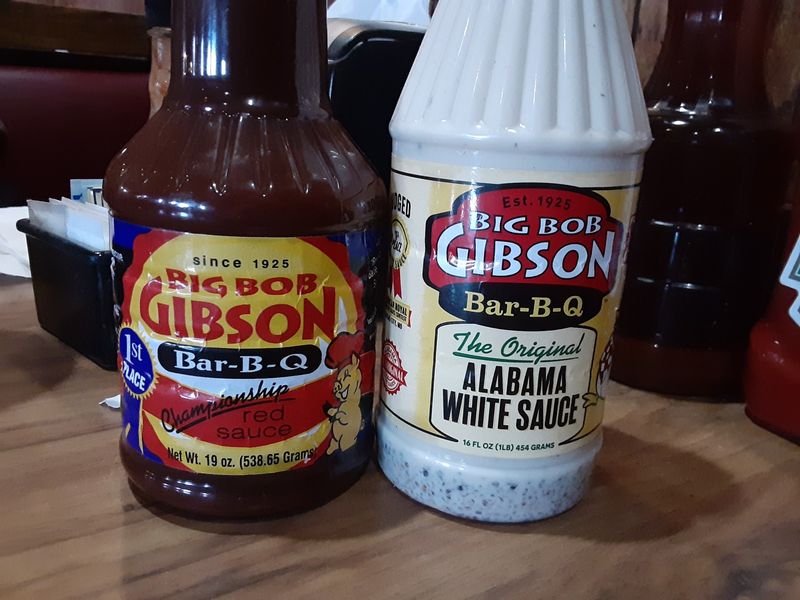
The Original White Sauce dates to the same year Bob Gibson began serving barbecue in Decatur. By the time commercially sliced bread appeared a few years later, the sauce was already part of his cooking.
The sauce is still served today and is also bottled for retail sale.
The bottled version can go with poultry, pork, seafood, wild game, salads, slaw, and potato salad, but chicken remains the most direct route back to the restaurant’s early use of it.
Other sauce varieties include Championship Red and Backyard Mustard Sauce.
The sauce also has its own competition history. In 1995, Original White Sauce took first place at the American Royal International Barbecue Contest.
If you want to carry part of the meal home, a bottle is the simplest option. Use it sparingly at first, especially on grilled or smoked chicken, and adjust from there.
The continued presence of the sauce on the restaurant table and in bottled form gives you two ways to approach it: taste it with the barbecue in Decatur, or take some home for another meal.
Competition Wins Added Another Chapter
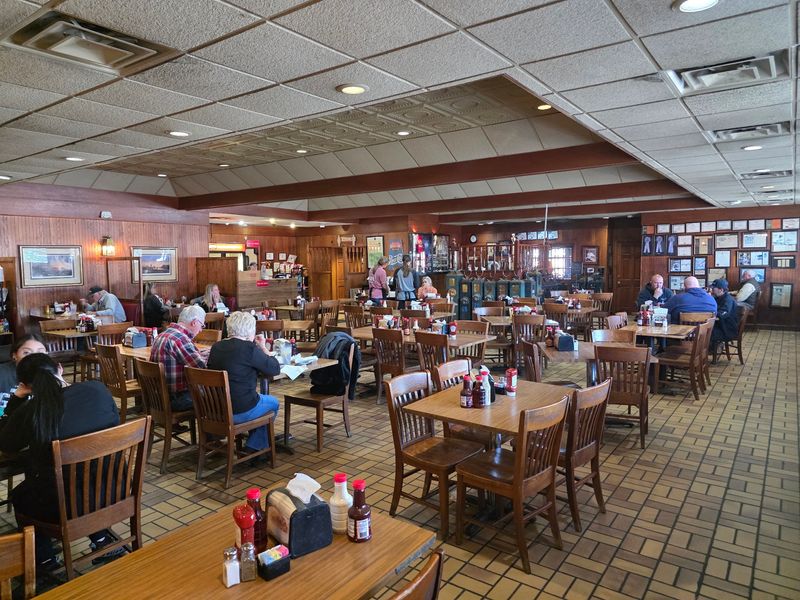
Big Bob Gibson Bar-B-Q has spent decades competing beyond Decatur, and the awards list is long enough to show that the restaurant’s competition arm became a major part of its modern story.
Its record includes multiple Memphis in May Grand Championships, an American Royal Invitational Grand Championship, state titles, and category wins for pork, chicken, brisket, ribs, and sauces.
The team won the American Royal Invitational championship in 2004.
The Original White Sauce has competition recognition of its own, while other house sauces have also earned awards over the years.
You do not need to know the trophy count before ordering lunch, but the competition history gives another route into the menu. Pork and brisket connect to major contest categories, while the white sauce points back to the restaurant’s oldest signature flavor.
If you like comparing barbecue styles, keep the order simple. Start with the white-sauce chicken, then add one competition-style meat rather than stacking the table with too many choices at once.
That approach leaves room to notice the differences between smoke, sauce, texture, and seasoning instead of blending everything together.
Pork, Ribs, Turkey, And Pie Round Out The Table
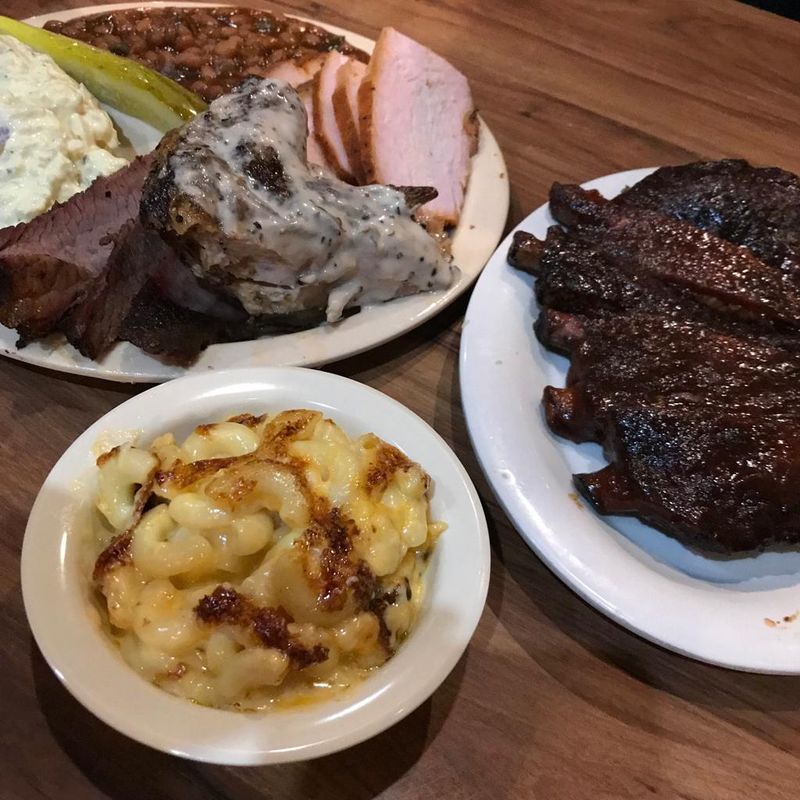
Chicken may lead the story, but it does not have to fill the whole meal. Pork, ribs, turkey, and other barbecue staples have long been part of the restaurant’s menu and history.
Longtime sides include coleslaw, potato salad, baked beans, and barbecue stuffed potatoes. Those give you several ways to build a plate without relying on a long list of extras.
Turkey is another option if you want something different from pork or chicken. Pit-smoked turkey became part of the menu in a later generation and remains tied to the restaurant’s broader barbecue tradition.
Dessert has its own history here too. Chocolate, lemon, and coconut cream pies were added decades ago, giving the final course a direct connection to the restaurant’s family story rather than feeling like an afterthought.
The easiest first order is still the most focused one: chicken with Original White Sauce, one side, and pie if you have room. On another visit, shift toward pork, ribs, turkey, or a stuffed potato and build a different plate around the same hickory-smoked foundation.
That way, the century-old story stays present without turning lunch into a history lesson.