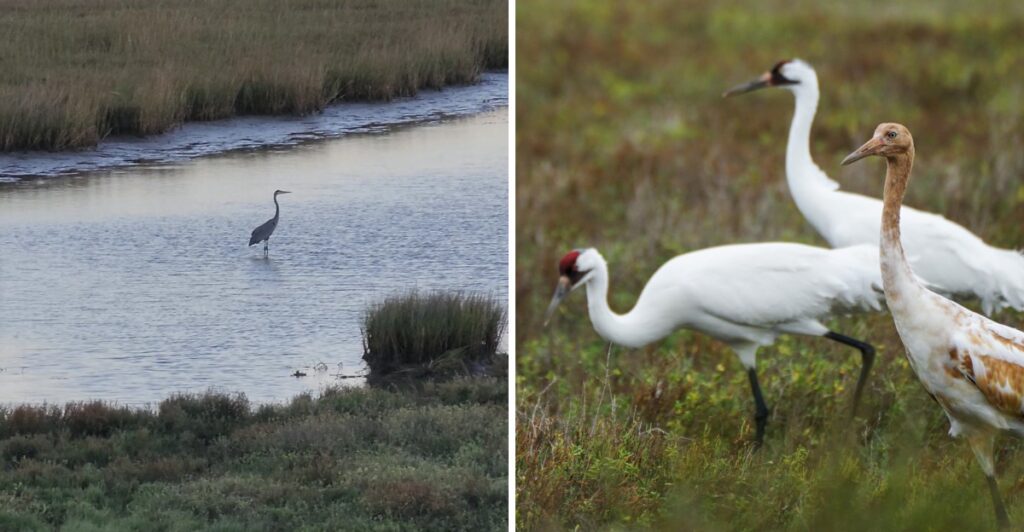
Imagine being nearly five feet tall, flying 2,500 miles, and arriving in Texas just in time for winter. Whooping cranes have this whole seasonal travel thing figured out.
They’re North America’s tallest birds, and their story gets pretty remarkable. In the early 1940s, the wild flock dropped to roughly 15 to 21 birds. Recent surveys now estimate around 540 wintering along the Texas coast.
Those numbers are worth celebrating.
Their Gulf Coast hangout isn’t exactly quiet, either. Alligators and javelinas share the landscape, while a 40-foot observation tower gives visitors a better look. Bring binoculars, and don’t underestimate the mosquitoes.
These cranes cross half a continent for their winter address. Seeing them in the wild beats scrolling past another bird photo, doesn’t it?
The Star Of The Show Stands Almost Five Feet Tall
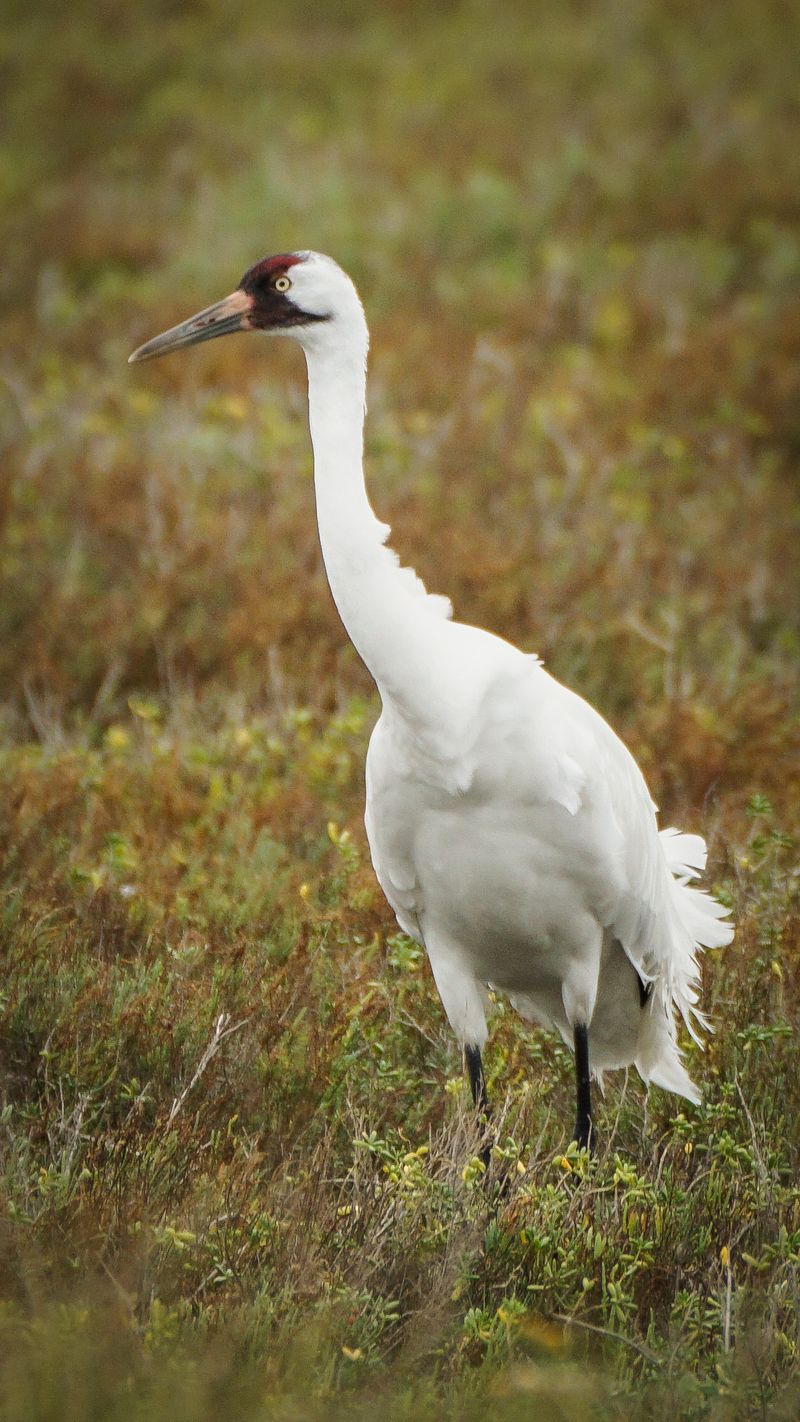
Tall, white, and loud, the whooping crane got its name from its distinctive calls. Aransas National Wildlife Refuge is the main winter home for the world’s only naturally self-sustaining wild migratory flock.
These birds stand nearly five feet tall with a wingspan of about seven feet. That’s taller than plenty of sixth graders, and wider than most cars.
Every year, the flock travels about 2,500 miles from Wood Buffalo National Park in Canada. They land on the Texas coast and settle into the salt marshes for the season.
Arrivals usually begin in late October or early November. The cranes then stay until late March or early April before heading north again.
For your best shot at seeing them, plan a trip between December and February. That’s the peak viewing season, when the most birds are around.
Here’s a tip that saves disappointment. Whooping cranes are migrants, so a summer visit won’t include them at all.
Pack binoculars or a camera with a long lens. The birds often stay a fair distance from viewing spots, and extra zoom makes a big difference.
A Comeback Story That Started With Just A Handful Of Birds
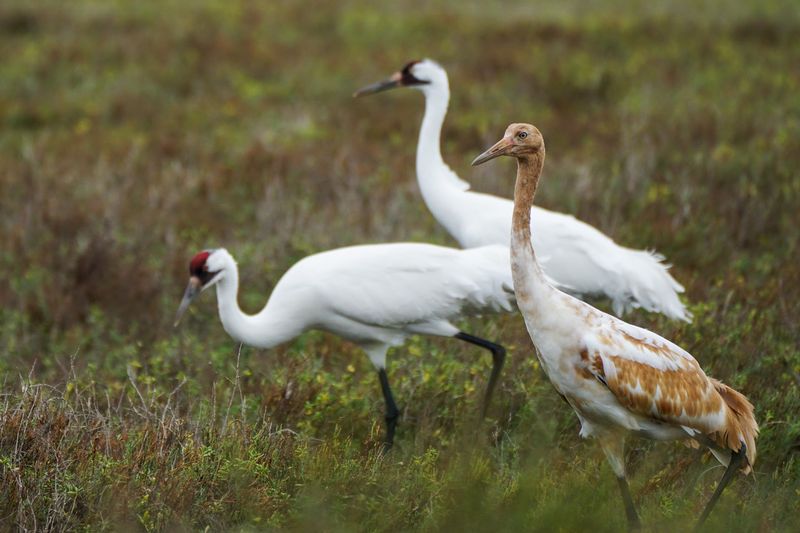
Back in the early 1940s, only about 15 to 21 whooping cranes wintered on this coast. That’s fewer birds than students in a typical classroom.
Fast forward to the 2024-2025 winter survey, and the estimate reached about 557 birds. Few wildlife stories in the country can match that kind of turnaround.
President Franklin D. Roosevelt created the refuge on December 31, 1937. It first carried the name Aransas Migratory Waterfowl Refuge.
Protecting these cranes became a major focus starting in 1941. Decades of careful work followed, and the numbers slowly climbed.
The refuge also earned international attention. It holds recognition under the Ramsar Convention, which highlights wetlands that matter on a global scale.
Knowing this history makes a visit feel different. You’re not just spotting a pretty bird, you’re seeing proof that protection works.
Here’s a fun way to share it with kids. Ask them to guess how many cranes existed in 1941, then reveal today’s count.
Their faces will probably do the rest. Big numbers hit harder when you know where they started.
Climb The 40-Foot Tower For A Bird’s-Eye Crane Search
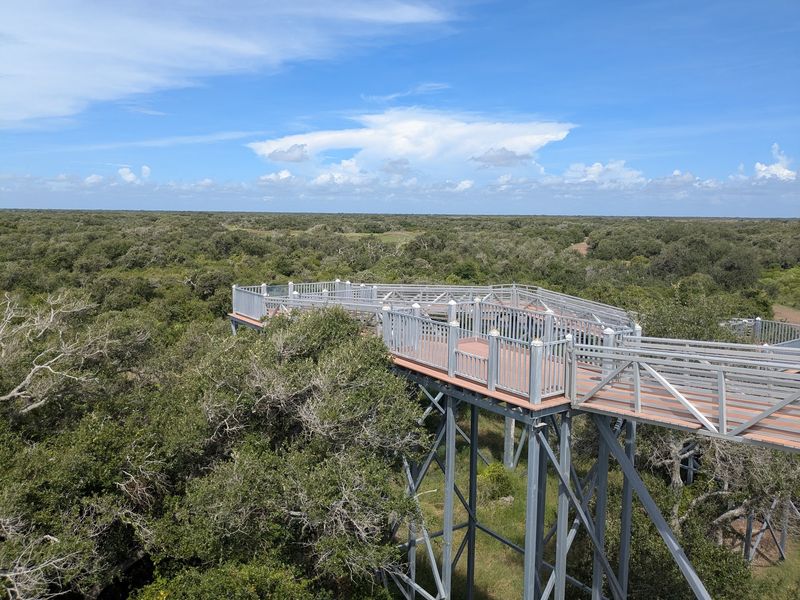
Forty feet up beats squinting from the ground every time. The refuge’s 40-foot observation tower ranks among the best land-based spots for viewing whooping cranes.
Better yet, a ramp leads to the top. That means strollers, wheelchairs, and tired legs can all make the trip.
The view stretches across marshes and open water. From up there, tall white birds stand out against the grass much more easily.
There’s also a smaller 20-foot tower elsewhere on the refuge. Several observation platforms add spotting scopes for a closer look.
Don’t skip the Big Tree Observation Deck either. Each viewing spot gives a slightly different angle on the landscape.
Timing matters here. Visit during peak crane season, between December and February, to boost your chances.
Bring your own binoculars even with the scopes available. Sharing one scope with a group can get slow, and the birds won’t wait.
A small snack and water bottle help too. You might want to linger, scanning the marsh until a flash of white finally appears.
Cruise A 16-Mile Loop At A Lazy 25 Miles Per Hour
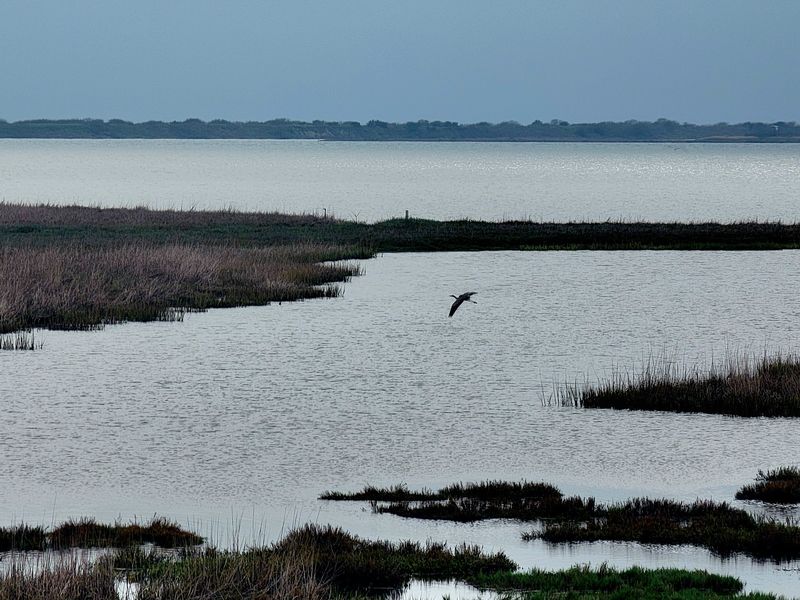
Road trips rarely come with a built-in excuse to drive slowly. The 16-mile auto tour loop at Aransas National Wildlife Refuge has a 25 mph speed limit.
It runs one way through several habitats. You’ll pass coastal prairie, marshes, ponds, and woodlands filled with blackjack oaks.
Slow driving pays off. Deer, javelinas, and armadillos can show up near the roadside without much warning.
Prefer pedaling? Bicycling is allowed, but only on this paved loop.
The drive connects to many trailheads and viewing spots. You can park, stretch your legs, and hop back in whenever you like.
Only street-legal vehicles may use refuge roads. Leave the off-road toys at home.
Drones and remote-controlled aircraft are not allowed either. The wildlife here prefers quiet skies.
A smart move is to start early in the day. Cooler hours often mean more animal activity and a more relaxed drive.
Short Trails Lead To Surprisingly Big Wildlife Moments
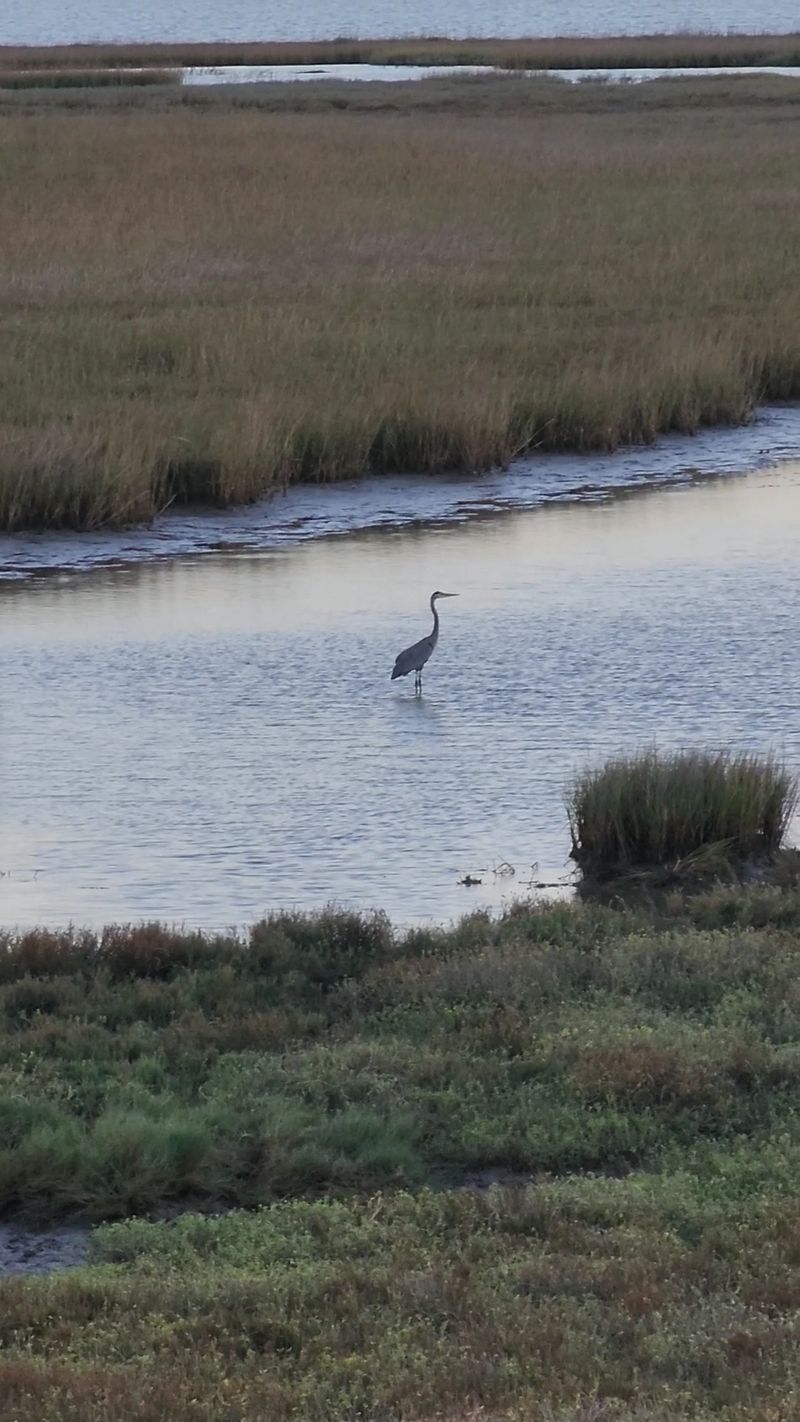
Not every great hike needs to wear you out. Many trails here are short, making them easy wins for families and casual walkers.
Heron Flats Trail runs 1.4 miles and includes observation platforms. It’s a strong pick for spotting wading birds along the water.
Big Tree Trail covers about 0.7 mile. Dagger Point Trail stretches about one mile through the landscape.
Need something tiny? Songbird Loop and Oak Sanctuary each measure about 0.1 mile, while Rail Trail runs half a mile.
Jones Lake and the Alligator Viewing Area each take less than 0.1 mile to reach. Those are perfect for a quick stop between drives.
Stay on designated trails and walkways at all times. That rule protects both you and the habitat.
Bug spray belongs in your bag here. Mosquitoes are part of the refuge’s food chain, so nobody sprays for them.
Sun protection and water help too. Coastal Texas sun can feel strong, even outside summer months.
Your First Stop Should Be The Visitor Center
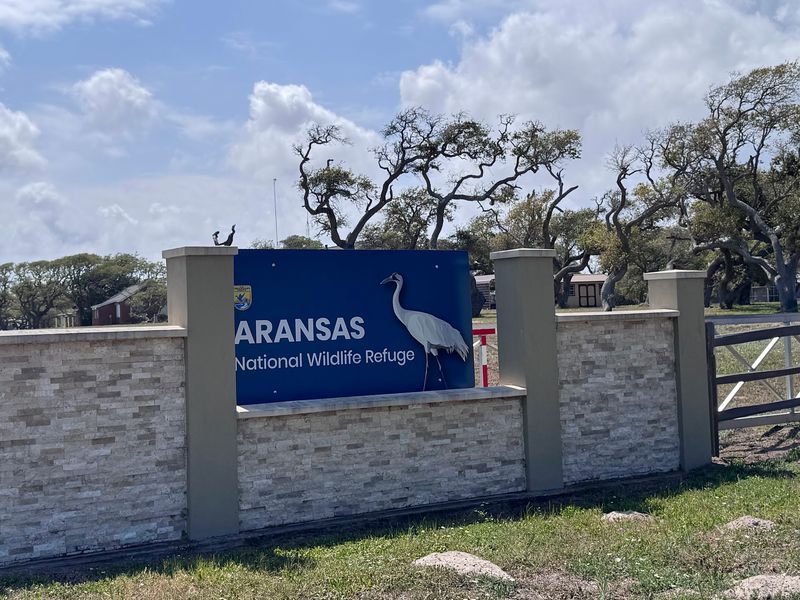
Smart visits start with a little local knowledge. The visitor center at Aransas National Wildlife Refuge offers maps, information, and educational exhibits.
You’ll find it at 1 Wildlife Circle, Austwell, TX 77950. It makes a great place to plan your route before driving the loop.
The newer building earned LEED Certification in 2024. That label recognizes greener design and construction.
One clever feature protects the birds directly. The windows use bird-strike deterrent glazing, which helps migrating birds avoid crashing into glass.
Staff can point you toward recent wildlife activity. Asking where the animals have been lately could save you plenty of time.
The refuge also offers guided shuttle bus tours and nature programs. Check ahead to see what’s running during your visit.
Remember to register and pay the daily entry fee. Federal passes like America the Beautiful are accepted, and fees can be paid in cash or online.
Grab a map before leaving. Cell service and memory both get fuzzy out in the marsh.
Pack A Picnic, Because Nobody Is Selling Snacks Out Here
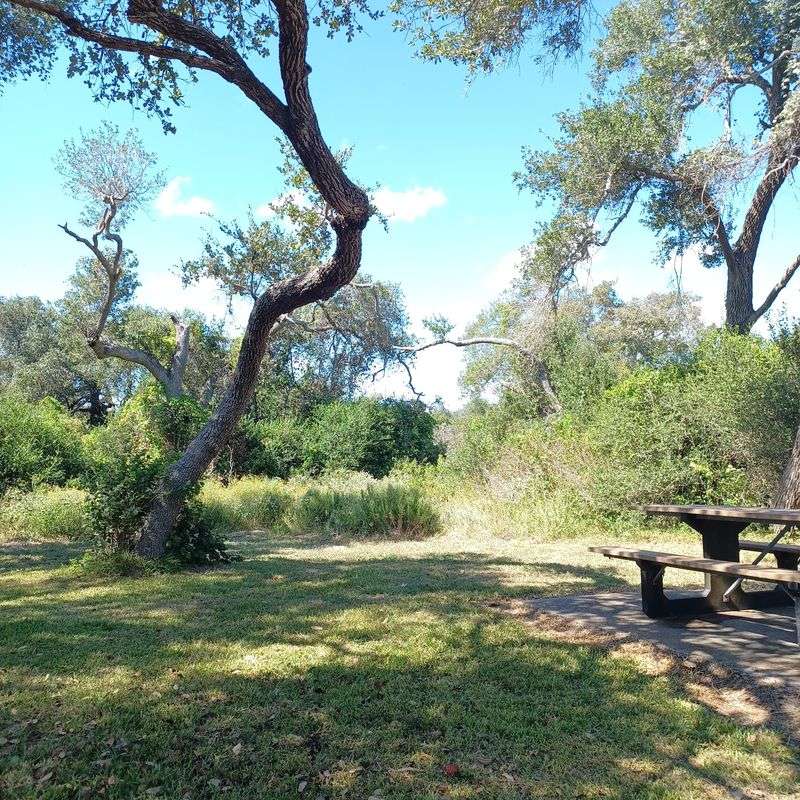
Hungry visitors, take note. There are no food vendors on the refuge, so planning ahead really matters.
Designated picnic areas give you a pleasant place to eat. Bring a cooler with sandwiches, fruit, and plenty of water.
Grilling is allowed with one catch. Only propane grills are permitted, and charcoal grills or open fires are not.
You also won’t find trash cans anywhere. The refuge follows a pack it in, pack it out policy.
Toss a few extra bags in your car. They make cleanup quick and keep the area looking wild.
Fishing and crabbing are allowed in specific designated areas. Kayaking and canoeing are also available in certain spots.
Check the rules for each activity before heading out. Designated areas exist for good reasons.
Camping isn’t permitted anywhere on the refuge. Plan your lodging nearby, and enjoy the picnic as your grand finale.
Want A Closer Look? Head Out On The Water
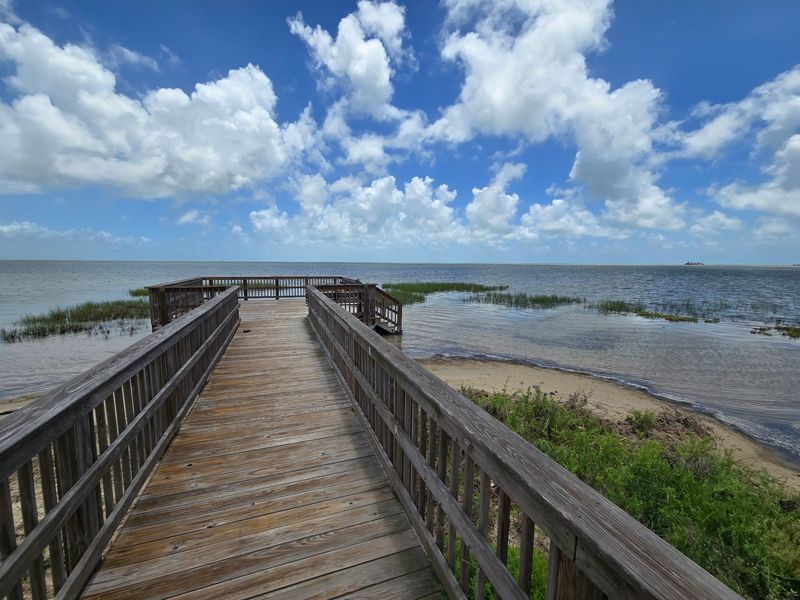
Land views are great, but boats can bring you even closer. Commercial boat tours from Rockport or Port Aransas often provide the most reliable whooping crane sightings.
These tours generally run from October through April. Many include naturalists on board who explain what you’re seeing.
Boats can reach marsh edges that trails simply can’t. That often means better photos and longer looks.
Combining both experiences works nicely. Spend one day on the refuge and another on the water.
Gate timing deserves attention on refuge days. The refuge is open from sunrise to sunset, and gates lock 30 minutes after sunset.
Closing times are strictly enforced. Leave the loop with time to spare.
The refuge covers more than 115,000 acres, including nearly all of Matagorda Island. That’s a lot of Texas coastline working hard for wildlife.
Every winter, it gives the tallest bird in North America a safe place to rest. Not a bad reason to plan a trip.