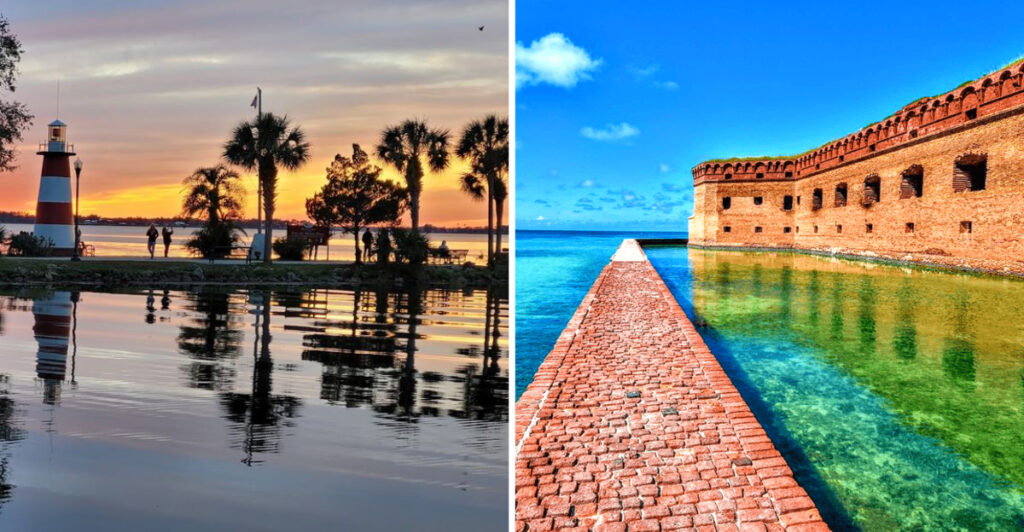
When someone says Florida, the first thing that crosses your mind is summer and sunny beaches. This state has so many tricks up its sleeve with amazing places that feel exotic. Exploring these places, you can come across many beautiful views.
Wake up your senses while exploring forests so green they feel endless to waters so clear they reflect the sky like glass. This will defy your imagination.
I have driven these roads, wandered these trails, and stood amazed at more than a few sunsets, and I can tell you that the Sunshine State earns every bit of its reputation. Repeating that experience is on my to-do list.
Pack your bags, load up a playlist, and get ready to follow a route that connects 15 of Florida’s most enchanting spots, each one more surprising than the last.
Wakulla Springs State Park
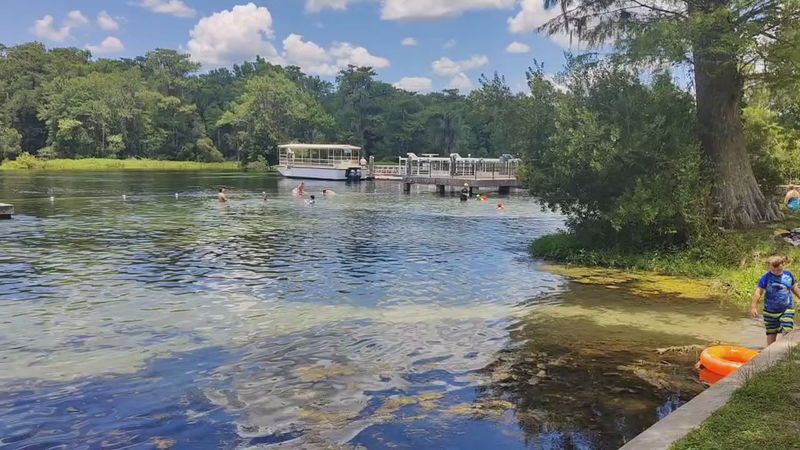
Some places feel like they belong in a nature documentary. Wakulla Springs is absolutely one of them.
Located in Wakulla County, just south of Tallahassee, this state park sits on one of the world’s largest and deepest freshwater springs, pumping out millions of gallons of crystal-clear water every single day.
While glass-bottom boat tours are no longer a regular activity due to water clarity, standard boat tours still let you explore the spring and its surroundings, where manatees, turtles, and a variety of wildlife can often be spotted.
The park’s old lodge, built in 1937 with Spanish-style architecture and hand-painted ceilings, adds a storybook charm that is hard to find anywhere else.
Swimming is allowed in designated areas, and the surrounding forest trails are peaceful enough to make you forget the outside world exists.
Arrive early on weekends, as this hidden treasure fills up quickly.
Apalachicola, Franklin County
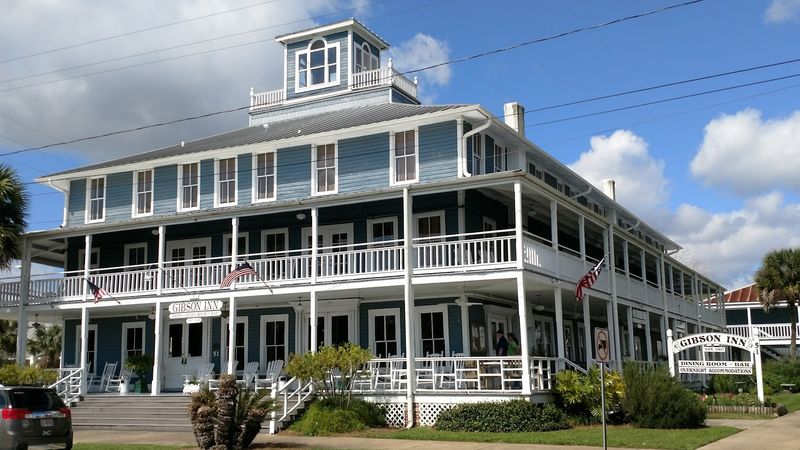
There is a quiet magic to a town that has barely changed in a hundred years.
This place can be found along the panhandle coast in Franklin County.
This small fishing village is famous for its oysters, its beautifully preserved Victorian architecture, and its slow, unhurried pace.
Walking the main street feels like flipping through a sepia-toned postcard, with historic storefronts, art galleries, and cozy cafes lining every block.
The Apalachicola Bay is a designated estuary of national significance, and the surrounding national forest offers hiking, paddling, and some of the most unspoiled nature in the state.
Sunsets over the water here are the kind that make you put your phone down and just look.
It is a small town with an oversized personality, and it never disappoints.
Cedar Key
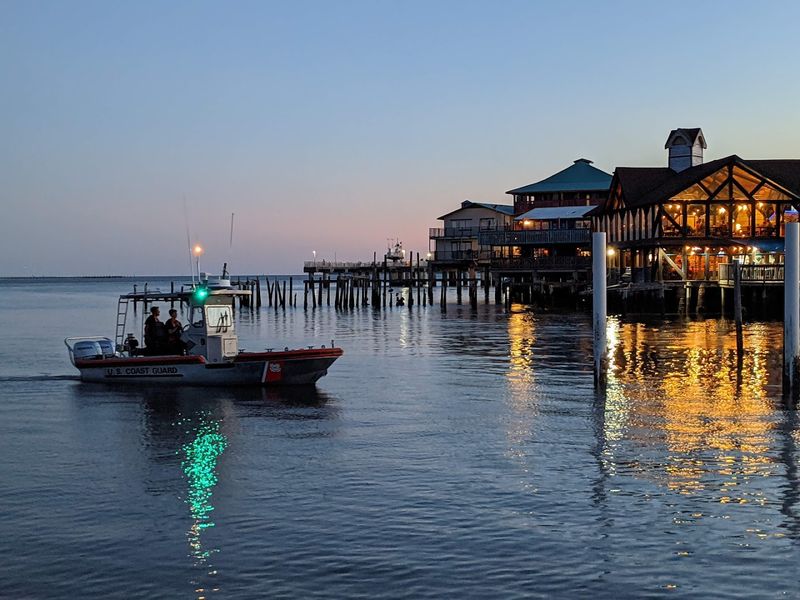
Found on a cluster of tiny islands off Florida’s Nature Coast, Cedar Key is like a place where the modern world is not invited.
Located in Levy County, this laid-back fishing village has been drawing artists and nature lovers for well over a century, and it is easy to see why.
The shallow waters surrounding the islands are rich with bird life, making it one of the top birding destinations in the Southeast.
Kayaking through the backwater channels is a truly immersive experience, with ospreys diving overhead and dolphins occasionally surfacing beside your paddle.
The town itself has a handful of excellent seafood spots, quirky galleries, and a history museum that tells the story of the pencil-making industry that once thrived here.
Cedar Key is small, soulful, and genuinely unlike anywhere else in Florida.
Ocala National Forest, Marion County
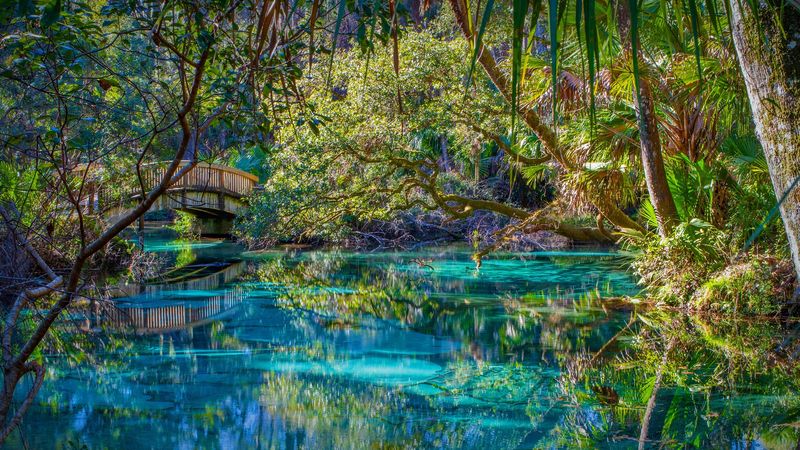
This place will blow your mind before you even hit the highway.
Florida’s forests do not get nearly enough credit, and Ocala National Forest is proof that the state’s beauty goes far beyond its beaches.
Covering nearly 400,000 acres in Marion County, this is the southernmost national forest in the continental United States and one of the most biodiverse.
The forest is home to three major spring systems, including Juniper Springs, Alexander Springs, and Salt Springs, each one stunningly clear and refreshingly cool even in the height of summer.
The Florida National Scenic Trail passes directly through the forest, offering backpackers and day hikers miles of varied terrain through scrub, swamp, and pine flatwoods.
Black bears, white-tailed deer, and the endangered Florida scrub-jay all call this forest home.
If you want a side of wilderness with your road trip, Ocala National Forest is the answer you were looking for.
Mount Dora
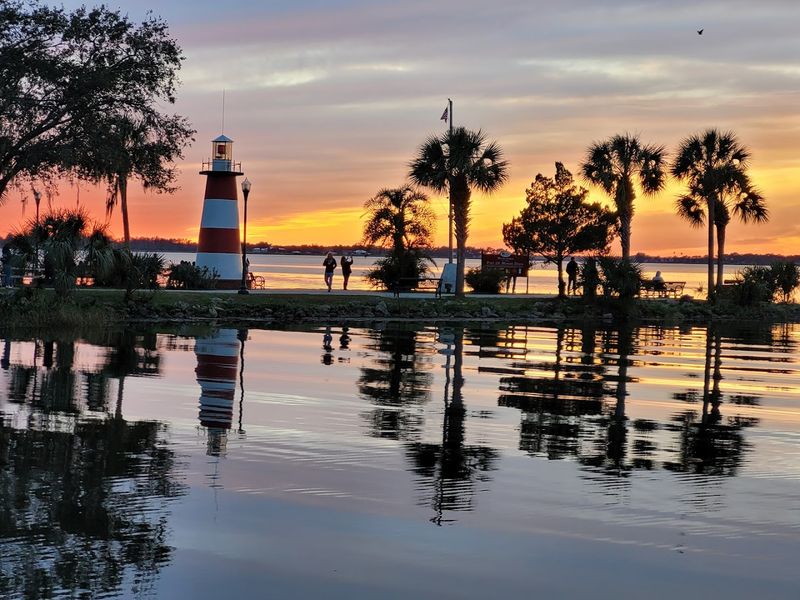
Not many Florida towns make you feel like you have wandered into a New England village, but Mount Dora pulls it off beautifully.
Sitting on the shores of Lake Dora in Lake County, this hilly little town is an anomaly in the otherwise flat Sunshine State, with rolling terrain, brick streets, and an antique scene that draws collectors from across the country.
The downtown area is lined with independent shops, cozy bakeries, and art galleries that could keep you busy for an entire afternoon.
Festivals happen here almost every month, from art fairs to sailing regattas, giving the town a lively calendar year-round.
The lakeside park offers beautiful walking paths, and the historic Lakeside Inn, which opened in 1883, is worth a visit even if you are just stopping for a coffee on the porch.
Cassadaga, Volusia County
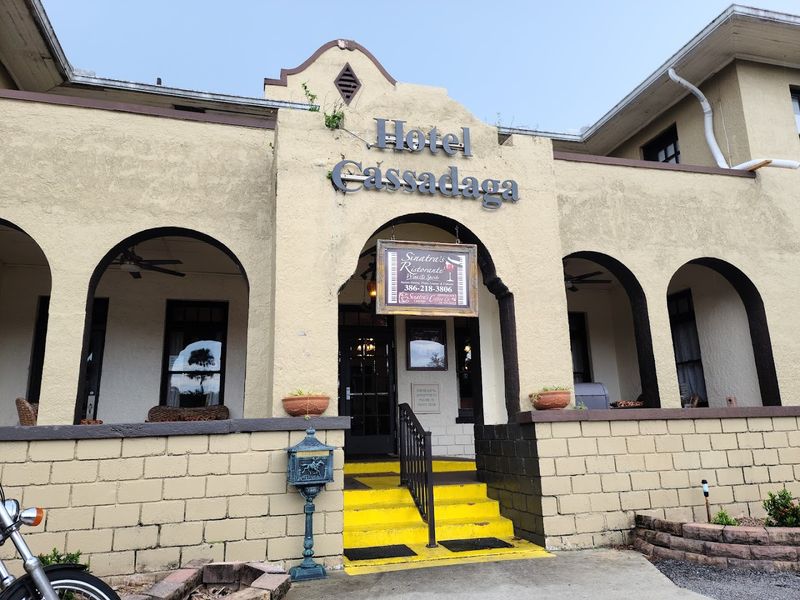
If you are more of a person who appreciates peace and comfort, this is the place for you.
Florida has quirky towns, and then there is Cassadaga, which exists in a category entirely its own.
Located in Volusia County, this small community was founded in 1894 as a spiritualist camp and has operated as one ever since, making it the oldest active spiritualist community in the southeastern United States.
Residents here are practicing mediums, healers, and spiritualists, and visitors can book readings, attend lectures, or simply wander the quiet, oak-shaded streets and take in the atmosphere.
The Andrew Jackson Davis Building serves as the community’s gathering space and offers a small bookshop full of metaphysical titles.
Even if you are a total skeptic, the town’s peaceful, moss-draped setting and fascinating history make it genuinely worth the detour.
Cassadaga is one of those places that stays with you long after you have driven away.
New Smyrna Beach

I hope you have your surfing board in your garage for this one.
Surfers discovered this place decades ago, and they were very smart to keep it relatively quiet for as long as they did.
New Smyrna Beach, also in Volusia County, is the kind of beach town that feels authentic rather than manufactured, with a thriving arts district, independent restaurants, and a genuinely relaxed coastal vibe.
Canal Street and Flagler Avenue are the twin hearts of the town, lined with galleries, surf shops, and outdoor dining spots that buzz with energy on weekend evenings.
The beach itself is wide and beautiful, with fewer crowds than nearby Daytona Beach and much more character.
The Smyrna Dunes Park at the northern tip offers excellent hiking on elevated boardwalks with panoramic views over the inlet.
Also, New Smyrna Beach rewards slow exploration, so plan to spend at least a full day here.
Blue Spring State Park, Volusia County
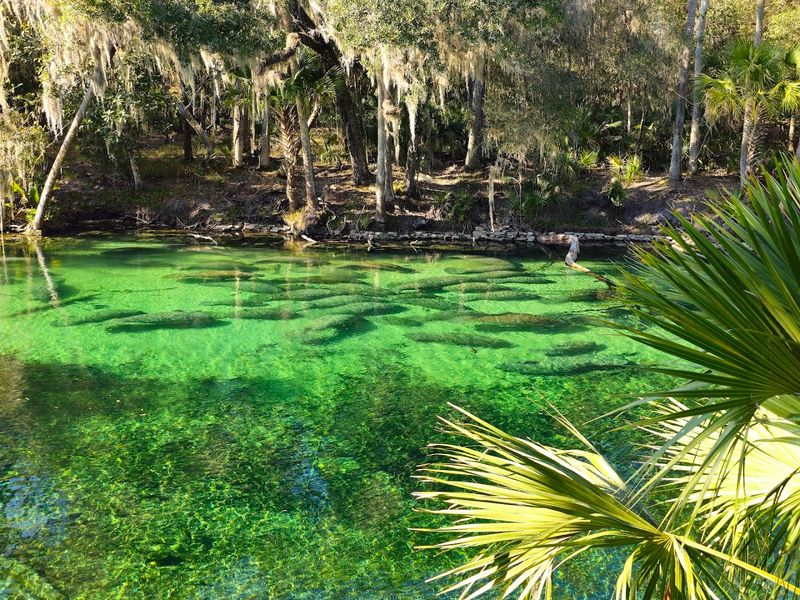
Every winter, something magical happens in Orange City that draws nature lovers from across the country.
Blue Spring State Park becomes a seasonal refuge for West Indian manatees, who gather in the warm, 68-degree spring waters between November and March to escape the cooler temperatures of the St. Johns River. On a good day, you can spot dozens of these gentle giants resting and swimming in the crystal-clear water directly below the park’s elevated boardwalk.
During summer months, swimming, snorkeling, and scuba diving are allowed in the spring, offering one of the most memorable freshwater experiences in the state. Camping is available in the park, and the surrounding nature trails wind through old-growth forest along the river’s edge.
Visiting during manatee season is more of a wildlife-watching experience than a swim, making it feel like a genuine encounter with Florida’s natural magic.
Bok Tower Gardens
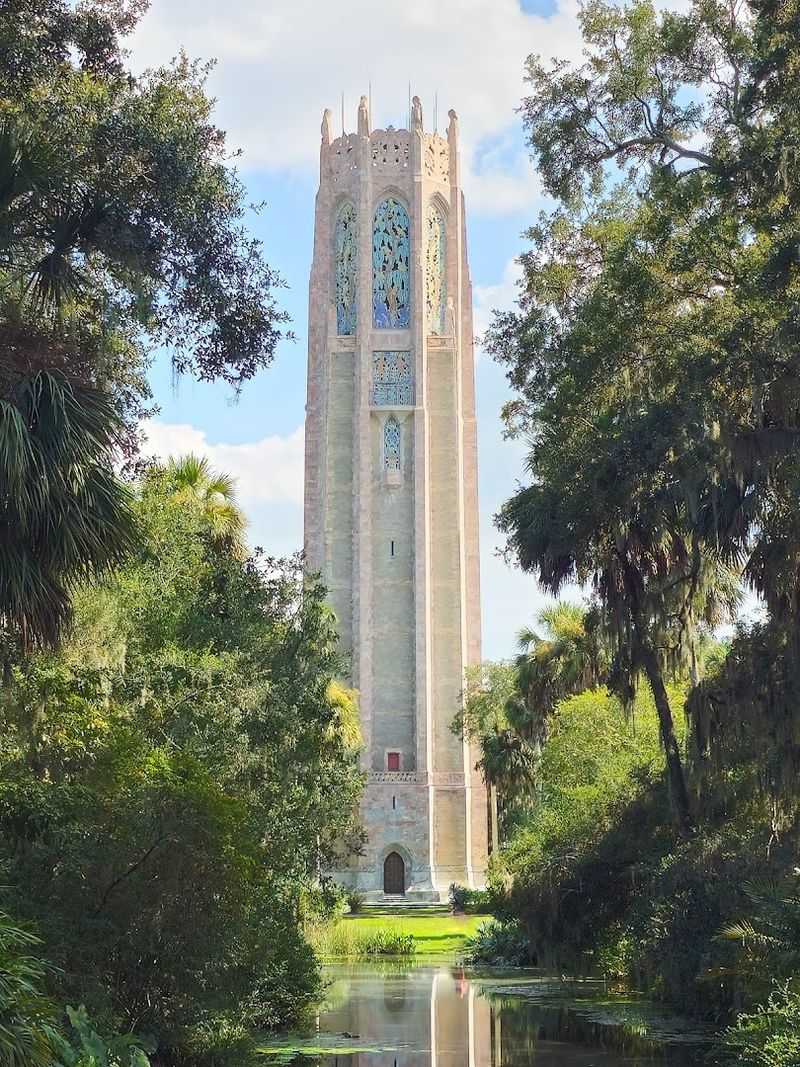
Standing at Florida’s highest point, a singing tower plays carillon melodies over gardens that look like they were lifted straight from a European fairy tale.
Bok Tower Gardens in Lake Wales, Polk County, was designed by landscape architect Frederick Law Olmsted Jr. and dedicated by President Calvin Coolidge in 1929.
The 205-foot Gothic and Art Deco Carillon Tower is the centerpiece, and live performances ring out across the gardens twice daily, creating an atmosphere that is genuinely otherworldly.
The surrounding 250-acre landscape is home to thousands of plants, winding garden paths, a reflecting pool, and the beautifully restored Pinewood Estate.
Spring brings spectacular azalea blooms, and autumn migrations fill the gardens with songbirds.
Bok Tower Gardens is one of those places that quietly becomes your favorite Florida stop the moment you arrive.
Weeki Wachee Springs State Park
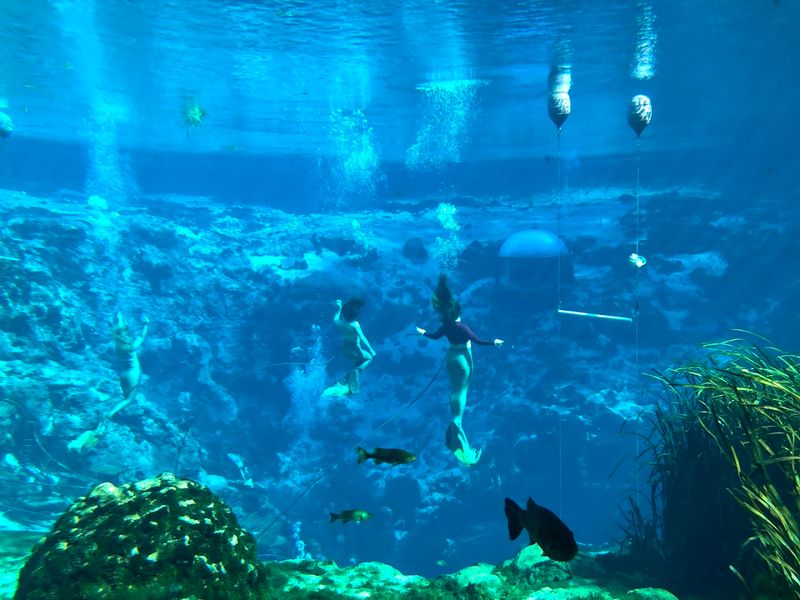
Real mermaids perform underwater shows in Florida, and yes, that sentence is completely true.
Weeki Wachee Springs State Park in Hernando County has been hosting live mermaid performances in its natural spring theater since 1947, making it one of Florida’s most beloved and wonderfully eccentric roadside attractions.
Performers breathe through hidden air hoses while gracefully dancing and acting out underwater scenes for audiences seated behind large glass windows, with the spring’s vivid blue water creating a surreal backdrop.
Beyond the shows, the park offers a waterpark, nature boat tours along the Weeki Wachee River, and a beach area for swimming.
The river itself is strikingly beautiful, flanked by cypress trees and home to otters, herons, and manatees during cooler months.
It is nostalgic, charming, and completely unique, the kind of place that reminds you why Florida road trips are worth every mile.
Tarpon Springs
This one is different from the others.
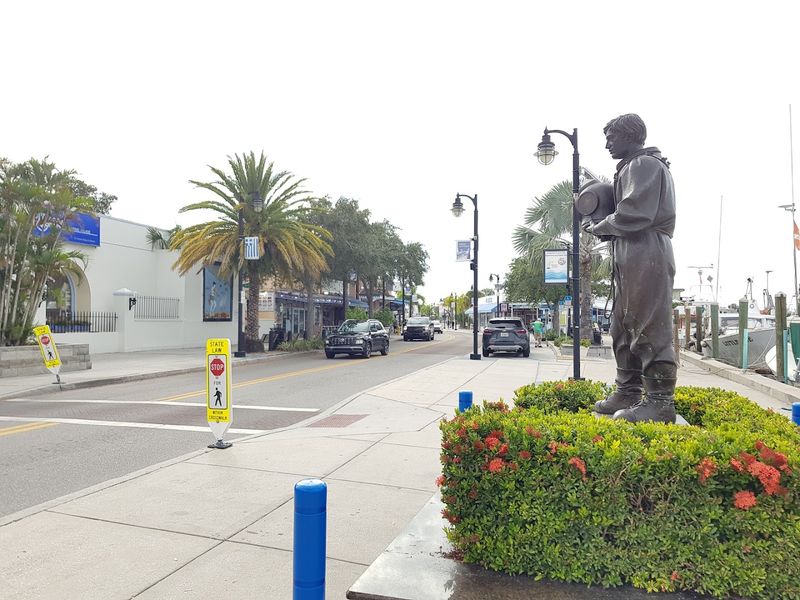
Walk along the sponge docks here and you could almost convince yourself you have teleported to the coast of the Aegean Sea.
Tarpon Springs in Pinellas County has the highest percentage of Greek Americans of any city in the United States, a legacy of the Greek sponge divers who settled here in the early 1900s and built a thriving community.
The historic sponge docks are lined with shops selling natural sea sponges, Greek bakeries offering fresh loukoumades, and restaurants serving authentic Greek cuisine that rivals anything you would find overseas.
The St. Nicholas Greek Orthodox Cathedral is a stunning architectural landmark worth visiting, particularly during the annual Epiphany celebration each January.
Boat tours depart from the docks to show visitors how sponges were historically harvested.
Tarpon Springs is a cultural treasure hiding in plain sight along Florida’s Gulf Coast.
Caladesi Island State Park
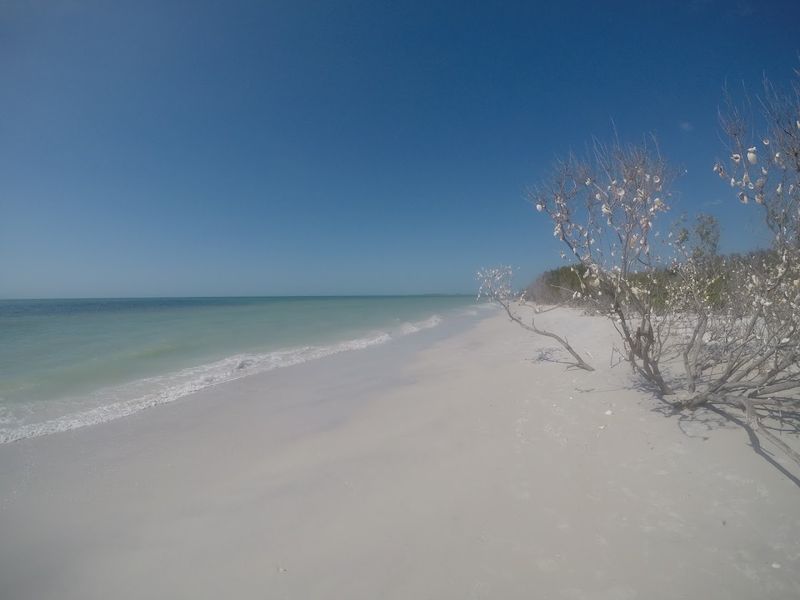
Getting here requires a ferry ride, and that short trip across the water. That is exactly what makes it feel like a true escape.
Caladesi Island State Park in Pinellas County is consistently ranked among the best beaches in the United States, and once you step onto its powdery white sand, you will understand why without any further explanation needed.
The island is largely undeveloped and accessible only by boat, which keeps the crowds manageable and the natural environment beautifully intact.
Three miles of Gulf-front beach stretch along the island’s western edge, while the interior holds mangrove forests and winding kayak trails through serene backwater channels.
Shelling here is excellent, and dolphins frequently cruise the shallows just offshore.
Caladesi Island is the kind of place that makes you genuinely reconsider your life choices and wonder why you do not visit Florida more often.
Corkscrew Swamp Sanctuary

The oldest bald cypress trees in North America are standing right here in southwest Florida, and they have been waiting patiently for you to visit.
Corkscrew Swamp Sanctuary in Collier County is managed by the National Audubon Society and protects one of the last remaining old-growth cypress forests in the country, with some trees estimated to be over 500 years old.
A 2.5-mile boardwalk winds through the sanctuary, taking visitors through a range of ecosystems including wet prairie, pine flatwoods, and the cathedral-like interior of the ancient cypress forest.
Wood storks, painted buntings, barred owls, and alligators are regular residents here.
The sanctuary is open year-round, though winter offers the best wildlife viewing and the most comfortable temperatures.
Walking through Corkscrew feels like stepping into a world that existed long before roads ever crossed this state.
Everglades National Park
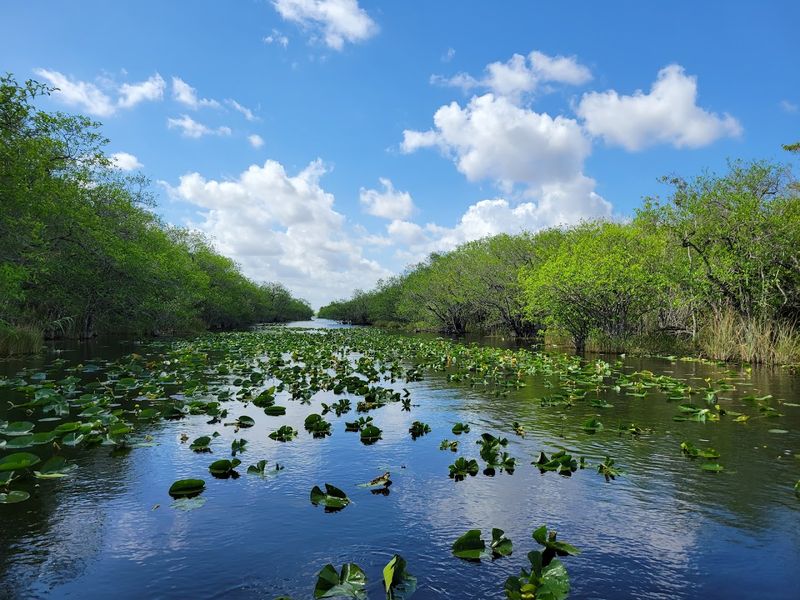
There is no landscape in North America quite like this one, and that is not a boast, it is simply a fact.
Everglades National Park spans parts of Miami-Dade and Monroe Counties, covering over 1.5 million acres of subtropical wilderness that functions as a slow-moving river of grass flowing toward the sea.
The park is a UNESCO World Heritage Site, an International Biosphere Reserve, and home to an astonishing variety of wildlife including American alligators, American crocodiles, Florida panthers, and over 350 species of birds.
Airboat tours, canoe trails, ranger-led walks, and scenic drives all offer different ways to experience the ecosystem.
The Anhinga Trail near the Royal Palm Visitor Center is one of the best short wildlife walks in the entire national park system.
The Everglades asks for your attention, and it gives back something extraordinary in return.
Dry Tortugas National Park

Seventy miles west of Key West, reachable only by seaplane or ferry, sits one of the most spectacular and remote national parks in the entire country.
Dry Tortugas National Park in Monroe County is centered around Fort Jefferson, a massive 19th-century brick fortress built on a tiny coral island surrounded by impossibly clear, Caribbean-blue water.
The snorkeling here is world-class, with vibrant coral reefs, sea turtles, and tropical fish living in the shallow water just steps from the beach.
The park is also a legendary spot for birdwatching, particularly during spring migration when thousands of birds stop on the islands to rest during their journey across the Gulf of Mexico.
Primitive camping is available on Garden Key for those who want to experience sunrise and sunset over the open Gulf.
Dry Tortugas is the grand finale this road trip deserves.