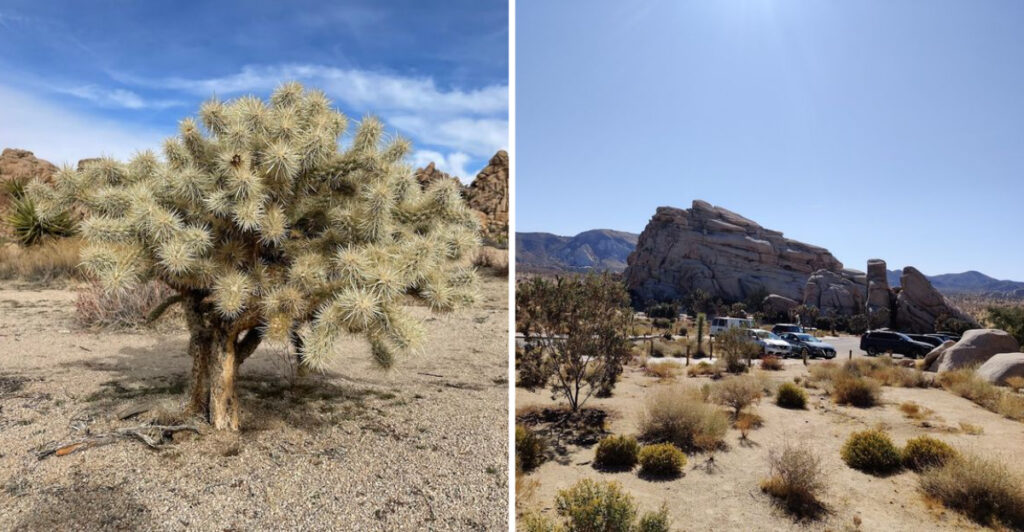
California has plenty of places that know how to make a first impression, but this one does something better. It keeps getting more interesting the longer it has your attention.
What starts as a short desert trail quickly turns into a maze of giant boulders, strange shapes, quiet corners, and views that keep changing just enough to make you look again. Nothing here feels overbuilt or overexplained.
The fun is in how naturally it all unfolds. One minute the space feels wide open, and the next it feels tucked away and almost secret.
For a trail that only stretches about a mile, it has a way of making the experience feel much bigger. That is what makes this spot so easy to underestimate and so hard to forget.
This place in California has a lot more personality than its distance lets on.
The Trail That Packs A Punch In Just One Mile
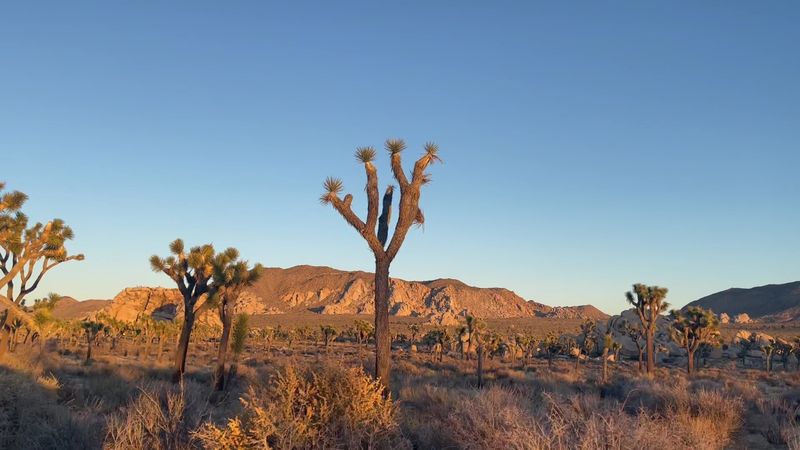
The first few steps set the tone fast. The Hidden Valley Nature Trail is a 1-mile loop with only about 100 feet of elevation gain, making it genuinely accessible for almost anyone who shows up wearing reasonable footwear.
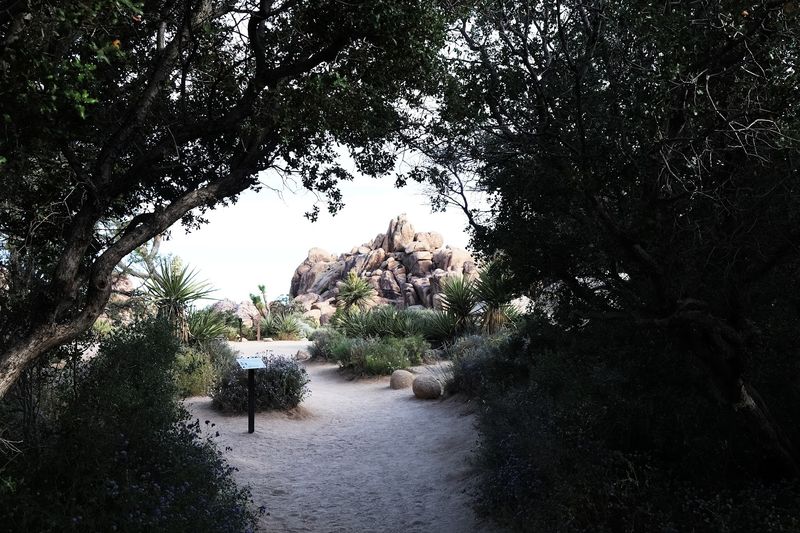
The path is well-maintained and clearly marked for most of its length, guiding hikers through a surprisingly lush desert valley ringed by dramatic rock formations. Families with young children, older visitors, and first-time hikers all feel right at home here.
That said, calling it completely flat would be a stretch. There are sections where the trail climbs over rocky steps, and a few spots near the end require a bit of careful footing.
Still, the overall effort is minimal compared to the visual reward.
Most people complete the loop in 30 to 45 minutes at a comfortable pace, though spending more time exploring side paths and rock formations is easy to do without any extra planning.
A Valley With A Surprisingly Colorful History
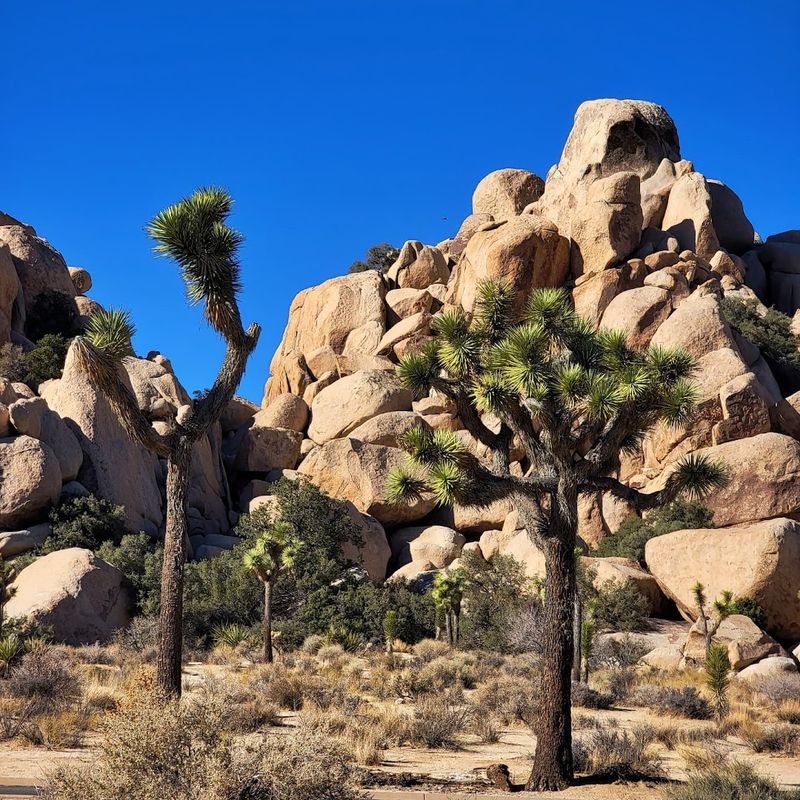
The name “Hidden Valley” is not just poetic branding. This enclosed valley, surrounded on all sides by massive rock walls, was reportedly used by cattle rustlers in the late 1800s who found it to be a near-perfect natural hideout for stolen livestock.
The geography made it ideal. The only entrance was a narrow passage through the boulders, easy to guard and nearly invisible from the outside.
Ranchers searching for missing cattle had little luck spotting the hidden enclosure without knowing exactly where to look.
Today, informational placards placed along the trail share this history in a way that feels genuinely engaging rather than dry or textbook-like. Reading them while standing inside the valley adds a whole new layer to the experience.
California has preserved this story well, weaving it into the fabric of the hike itself. The landscape looks almost unchanged from those older days, which makes the history feel immediate and tangible rather than distant.
Rock Formations That Look Like They Belong On Another Planet
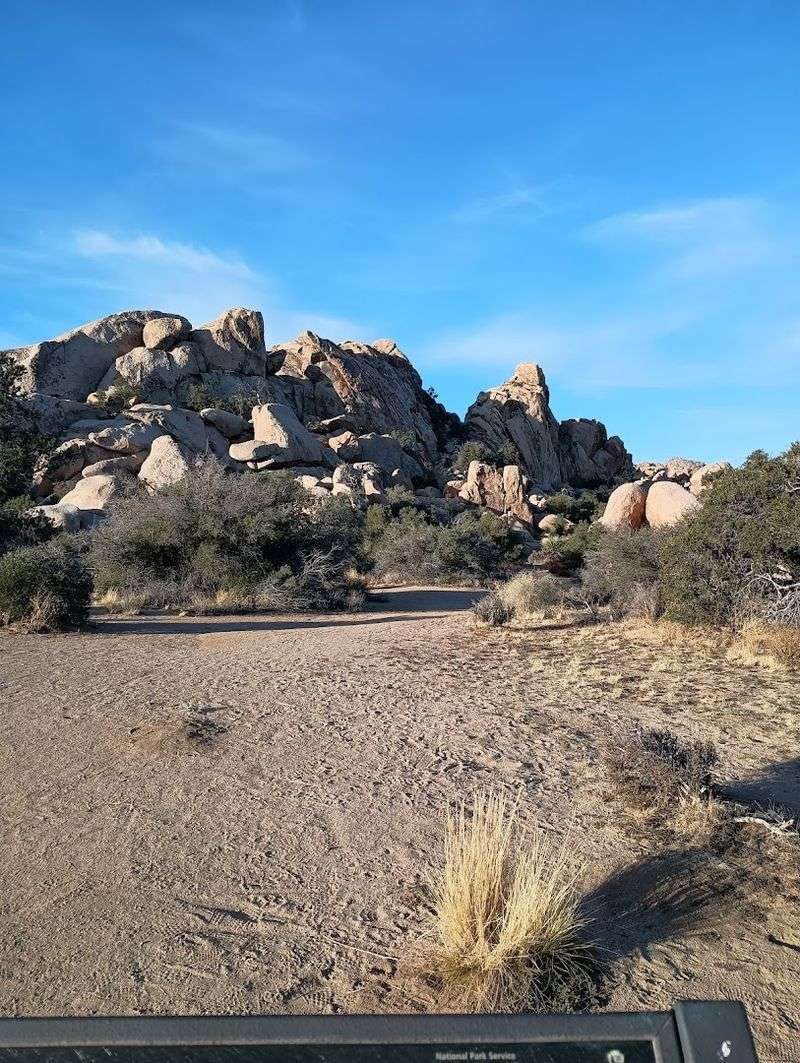
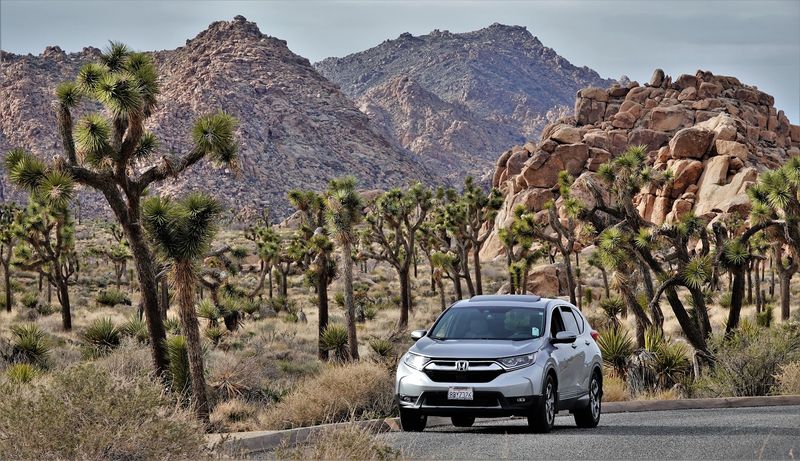
Every turn looks like something was carefully arranged, even though nothing was. The rock formations at Hidden Valley are composed of monzogranite, a type of igneous rock that formed underground millions of years ago and slowly pushed its way to the surface over time.
Wind, water, and temperature changes have spent millennia rounding and sculpting the surfaces into the smooth, stacked shapes visible today.
The result is something that looks almost intentionally designed, like a sculptor with infinite patience and time worked every curve.
Some boulders rise so high they create their own shade pockets and wind channels. Others lean against each other at angles that seem to defy logic, forming natural archways and narrow passages that beg to be explored.
Visitors frequently describe the landscape as otherworldly, and that reaction makes sense. California is full of beautiful scenery, but the specific visual combination found at Hidden Valley is genuinely unlike anything found in most other places.
Joshua Trees Up Close And Personal
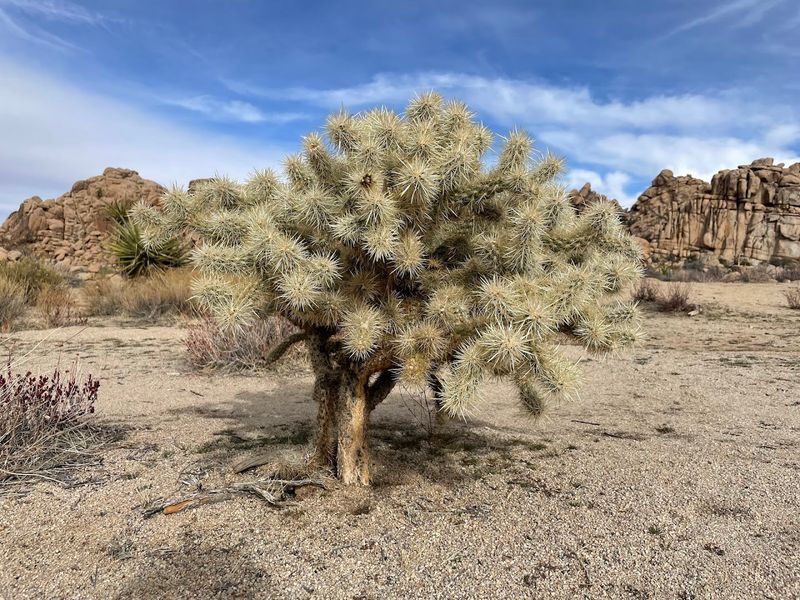
Few plants are as immediately recognizable as the Joshua tree, and this trail offers some of the best close-up encounters with them anywhere in the park. These spiky, arm-waving trees are actually a species of yucca, not a true tree in the traditional botanical sense.
They can live for hundreds of years and grow very slowly, sometimes adding only an inch or two per year.
The ones lining the trail at Hidden Valley are full-grown specimens with thick trunks and dramatic branching patterns that make every photo look effortlessly composed.
The trees play an important ecological role, providing habitat for birds, insects, and small mammals. Spotting a bird perched in the upper branches of a Joshua tree while hiking the loop is a small but genuinely satisfying moment.
California officially designated the Joshua tree as a symbol of the Mojave Desert, and standing among them on this trail makes it easy to understand why they carry such cultural and environmental significance in this region.
Wildlife That Shares The Trail Without Much Fuss
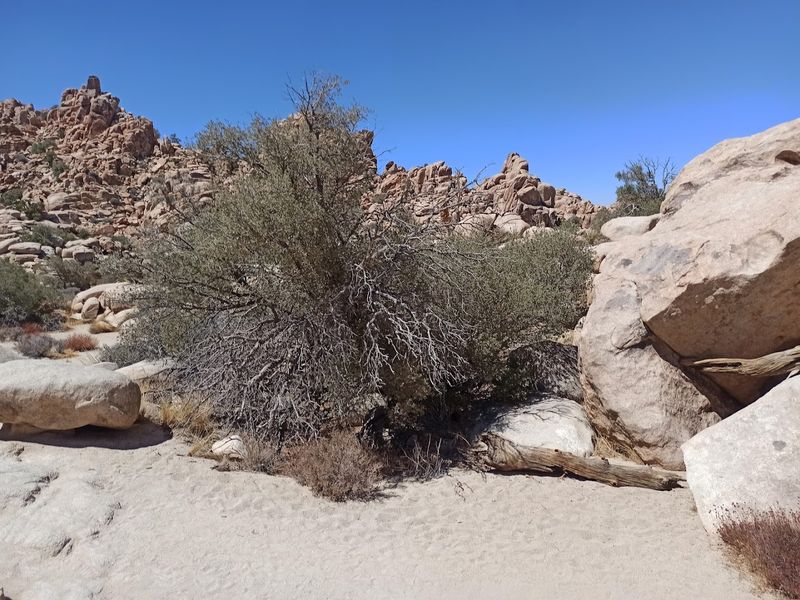
The desert looks quiet at first glance, but the Hidden Valley trail is surprisingly alive with wildlife once attention is paid to the smaller details.
Lizards are the most commonly spotted residents, often seen basking on warm rocks along the path or darting quickly into crevices as footsteps approach.
Chipmunks and ground squirrels are also frequent trail companions, sometimes bold enough to approach hikers at rest stops. Watching them race across the sandy ground and disappear into boulder gaps is consistently entertaining.
Bird activity along the trail is worth noting too. Several species make their home in and around the valley, and the relatively low foot traffic near the rock walls can bring some surprisingly close encounters.
For the very lucky, a bighorn sheep sighting is possible in this area, though far from guaranteed. These animals are cautious and tend to stay higher on the rock faces.
Either way, the wildlife presence gives the trail a lively, dynamic energy that pure scenery alone cannot provide.
Rock Climbing That Draws Serious Athletes And Curious Onlookers
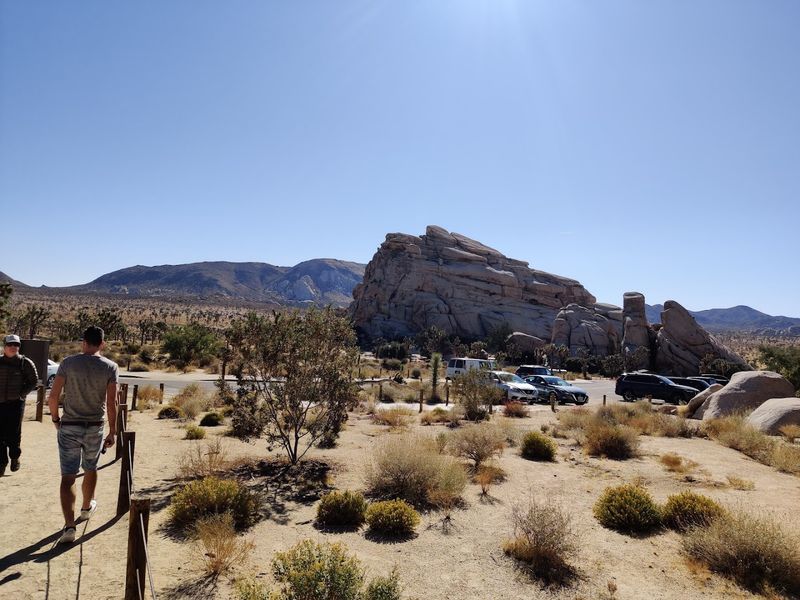
Joshua Tree National Park is one of the most celebrated rock climbing destinations in the entire country, and Hidden Valley sits right in the middle of that reputation.
The boulder formations here attract climbers of every skill level, from beginners working on basic technique to experienced athletes tackling challenging vertical routes.
Watching a skilled climber move across a smooth granite face with apparent ease is one of those unexpected trail highlights that can stop a hiker mid-stride.
The movements are precise, deliberate, and genuinely impressive to observe even without any climbing knowledge.
The park permits a wide range of climbing styles, including free climbing and rappelling, which means the walls around the valley see consistent activity on most days.
Gear and chalk marks on popular routes are visible evidence of just how frequently these rocks get used.
For hikers who are curious but not ready to commit to ropes and harnesses, scrambling on lower boulders near the trail is a perfectly acceptable way to satisfy the urge to climb something impressive.
Stargazing After Dark In A Surprisingly Dark Sky
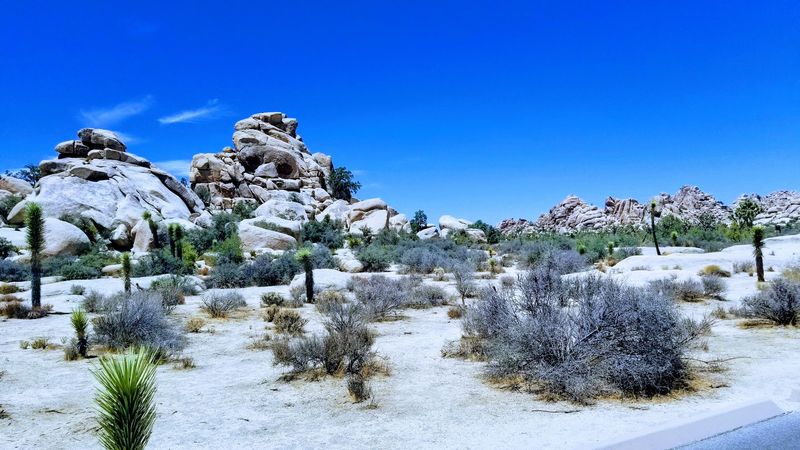
When the sun drops, this place shifts into something completely different. Joshua Tree National Park is recognized as an International Dark Sky Park, meaning light pollution is minimal and the night sky is extraordinary on clear evenings.
Hidden Valley in particular offers a compelling backdrop for stargazing and astrophotography. The silhouettes of boulder formations and Joshua trees framed against a Milky Way-filled sky create images that look almost too dramatic to be real.
Arriving after dark requires some preparation. A headlamp or flashlight is essential, and the parking lot can fill with other night sky enthusiasts, especially on weekends.
Occasional light from vehicles exiting the lot can temporarily interrupt long-exposure photography attempts.
California’s desert nights also cool down significantly after sunset, even in summer, so an extra layer of clothing is worth packing.
For those willing to plan ahead, the nighttime version of this trail is a completely different and deeply rewarding experience that very few short hikes can match.
Practical Tips That Make The Visit Much Smoother
A one-mile hike sounds short enough to show up unprepared, but the desert environment at Joshua Tree demands a bit more respect than that.
Bringing at least 32 ounces of water per person is the standard recommendation, and more is always better on warm days when temperatures can climb well above 90 degrees Fahrenheit.
Sun protection is non-negotiable. The trail has virtually no shade, meaning the sun hits from above without interruption for the entire loop.
A wide-brimmed hat, sunscreen, and UV-blocking sunglasses all make a real difference in comfort and safety.
Footwear does not need to be technical.
Most visitors manage the trail comfortably in regular athletic shoes, though sandals can become uncomfortable on the rockier sections near the boulders.
Closed-toe shoes are a reliable choice.
Dogs are not permitted on this trail, which is worth knowing before arriving with a four-legged companion.
Restrooms and picnic tables are available near the trailhead, and the parking lot is generously sized, though it fills quickly on busy weekends and holidays throughout California.
When To Visit For The Best Possible Experience
A little planning makes this short hike feel even better. The cooler months, from October through April, are widely considered the ideal window for hiking in this part of California’s desert.
Spring brings the bonus of wildflower blooms, which can transform the valley floor into a surprisingly colorful scene depending on winter rainfall levels. March and April in particular tend to offer mild temperatures and excellent visibility.
Summer visits are possible but require serious heat management. Temperatures regularly exceed 100 degrees Fahrenheit in July and August, making early morning the only practical time to hike without discomfort.
Midday visits during summer are genuinely risky and best avoided entirely.
Holiday weekends draw the largest crowds regardless of season.
Thanksgiving, Memorial Day, and spring break periods tend to pack the parking lot fast. Arriving earlier on any busy day almost always guarantees a parking spot and a less congested trail experience overall.
Why This One-Mile Loop Stays With Visitors Long After They Leave
There is something quietly powerful about a place that manages to feel both wide open and completely enclosed at the same time.
Hidden Valley pulls off that contradiction effortlessly, creating an atmosphere that is hard to describe but easy to feel the moment the trail enters the valley proper.
The combination of geological drama, living desert plants, visible wildlife, human history, and accessible terrain creates an experience that layers itself in a way most short hikes simply do not achieve.
Each element adds something without overwhelming the others.
Visitors who come expecting a quick checkbox on a park itinerary often find themselves lingering far longer than planned. A boulder to climb here, a placard to read there, a lizard pausing long enough for a photo, and suddenly an hour has passed.
Hidden Valley Nature Trail earns its high rating not through spectacle alone but through the rare ability to make every type of visitor, young, old, athletic, or casual, feel like the desert made something just for them.