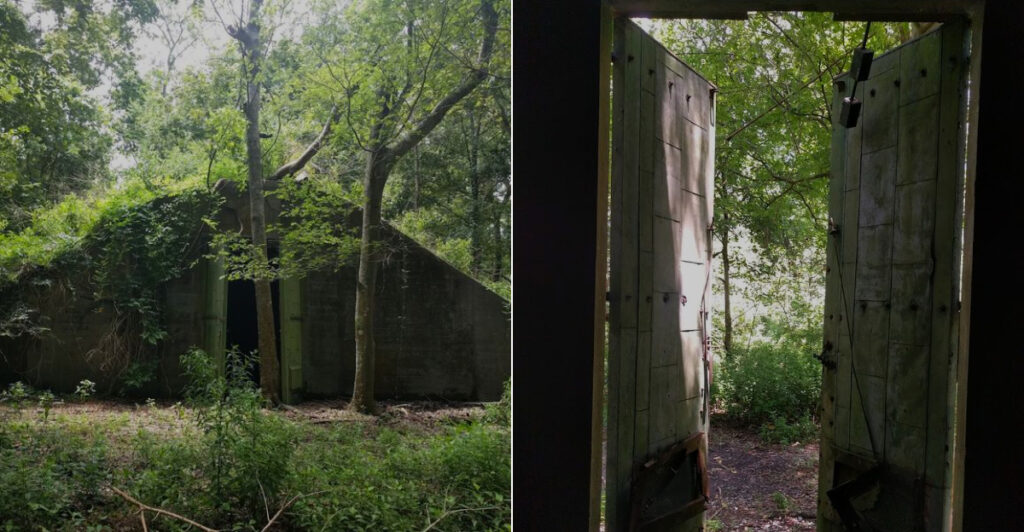
The trail starts on a wooden boardwalk over swamp water and ends at the mouth of a concrete bunker that once held artillery shells meant for a war fought oceans away.
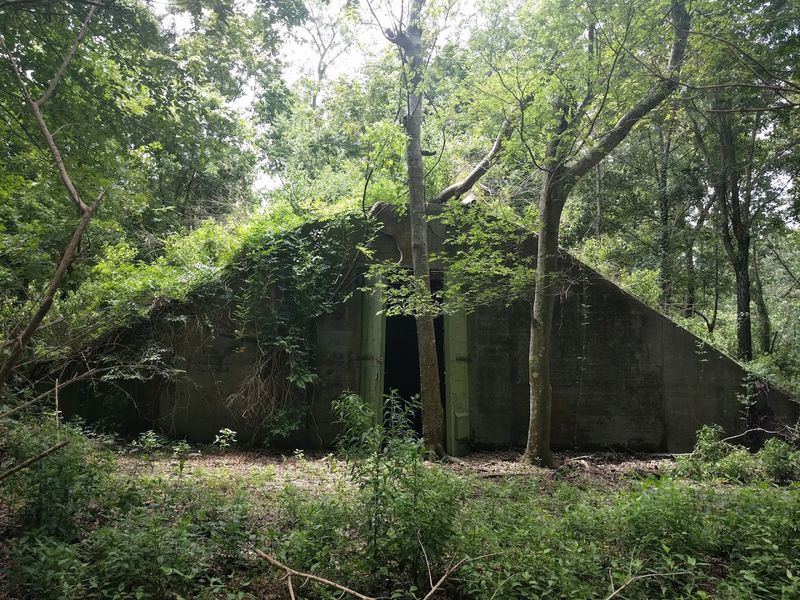
Ammunition magazines built during World War II sit half-swallowed by forest in southern Louisiana, their thick walls covered in graffiti and moss, their steel doors rusted open just enough to let daylight reach the interior where soldiers once stacked crates from floor to ceiling.
The hike itself covers a few miles of flat terrain through bottomland hardwood forest where ibis pick through the shallows plus warblers call from the canopy above.
Each bunker appears without warning along the path, a rectangle of gray concrete standing where no building has any business being. The military once stored enough explosives here to supply the Pacific theater, and that history is still visible in the Louisiana swamp.
Where Nature Reclaims History
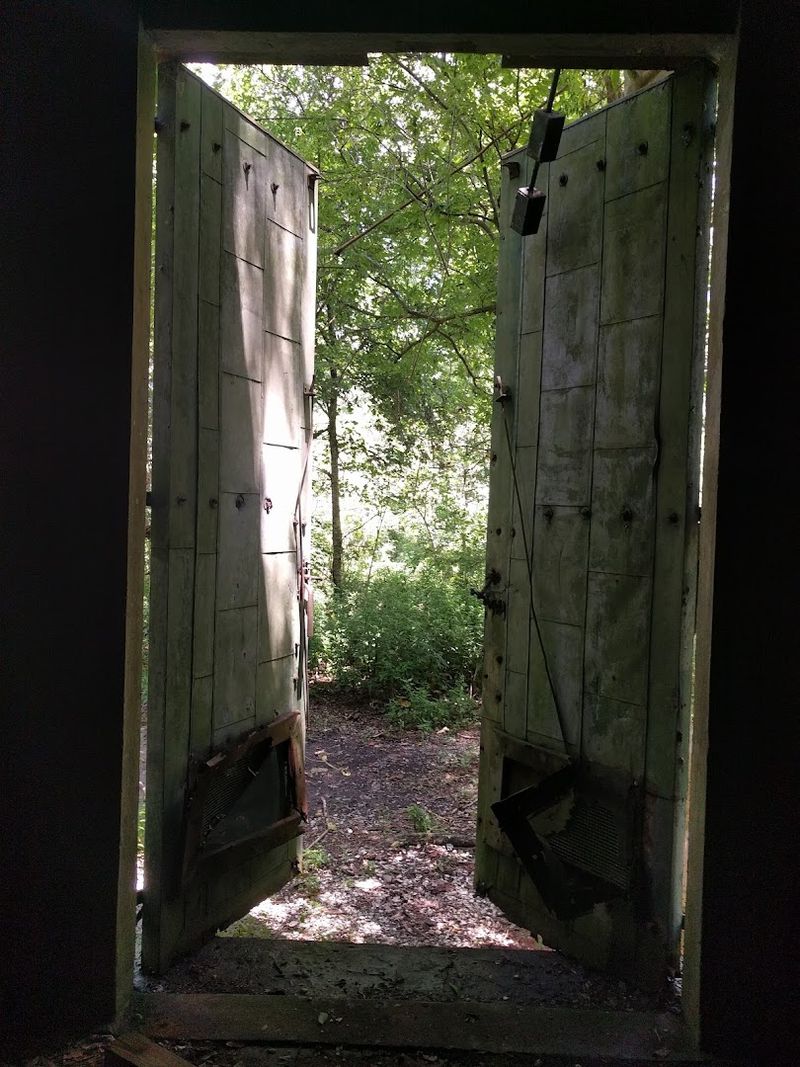
The woods grow quieter as the Bottomland Trail pushes deeper into Woodlands Conservancy, and then the concrete appears. Ten abandoned World War II ammunition magazines sit back in the trees, thick-walled and unexpectedly solemn.
Their hard geometry looks almost theatrical against the soft disorder of wetland forest.
These structures date to the former Marine Base Naval Ammunition Depot New Orleans, active from 1939 into the postwar period, with later use during the Korean War. They were built to store black powder for naval vessels, and their engineering was meant to direct force inward rather than outward.
That detail changes the way you look at them.
I found the contrast unforgettable: a preserved habitat full of birds, roots, and damp earth holding relics of military logistics. If you step inside, go carefully and check first for wildlife sheltering in the shade.
The Last Half-Mile Feels Like The Woods Swallowed The Road
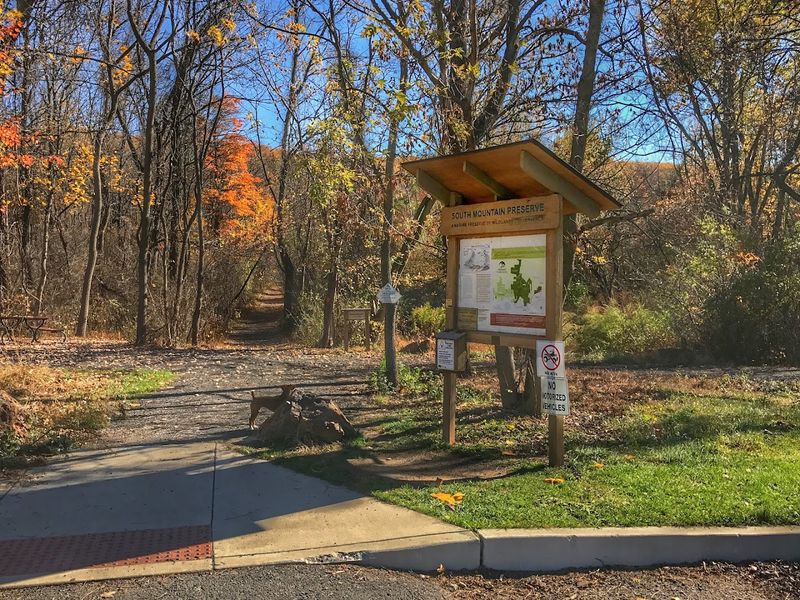
Woodlands Conservancy sits at 449 F. Edward Hebert Boulevard in Belle Chasse, Louisiana.
From downtown New Orleans, cross the Crescent City Connection to the Westbank, then take the General DeGaulle East exit.
Continue over the Intracoastal Canal and use the traffic circle to connect with Highway 406, also called Woodland Highway. At the caution light, turn left onto F.
Edward Hebert Boulevard and keep going as the surroundings grow quieter.
After about half a mile, watch for the entrance on the left. Follow the dirt road along the canal to the trailhead parking area, where the city finally gives way to the forest.
Bottomland Trail To The Bunkers
If you are coming specifically for the magazines, the Bottomland Trail is the route to know. The full hike is generally described as about 5.5 to 6 miles, mostly flat, shaded, and more interesting than strenuous.
A parallel equestrian path shares part of the corridor, which adds to the sense that this preserve is still actively used rather than staged.
The terrain can be muddy after rain even without major elevation, and roots and cypress knees deserve attention. Long pants, closed shoes with grip, water, and bug protection all make the walk more pleasant.
Dogs are allowed on leash, which suits the trail’s easy rhythm.
I would start early, when the air is cooler and the path feels almost secretive. The approach matters here because the magazines land with more force after a long, quiet walk.
A Forested Wetland With A Job To Do
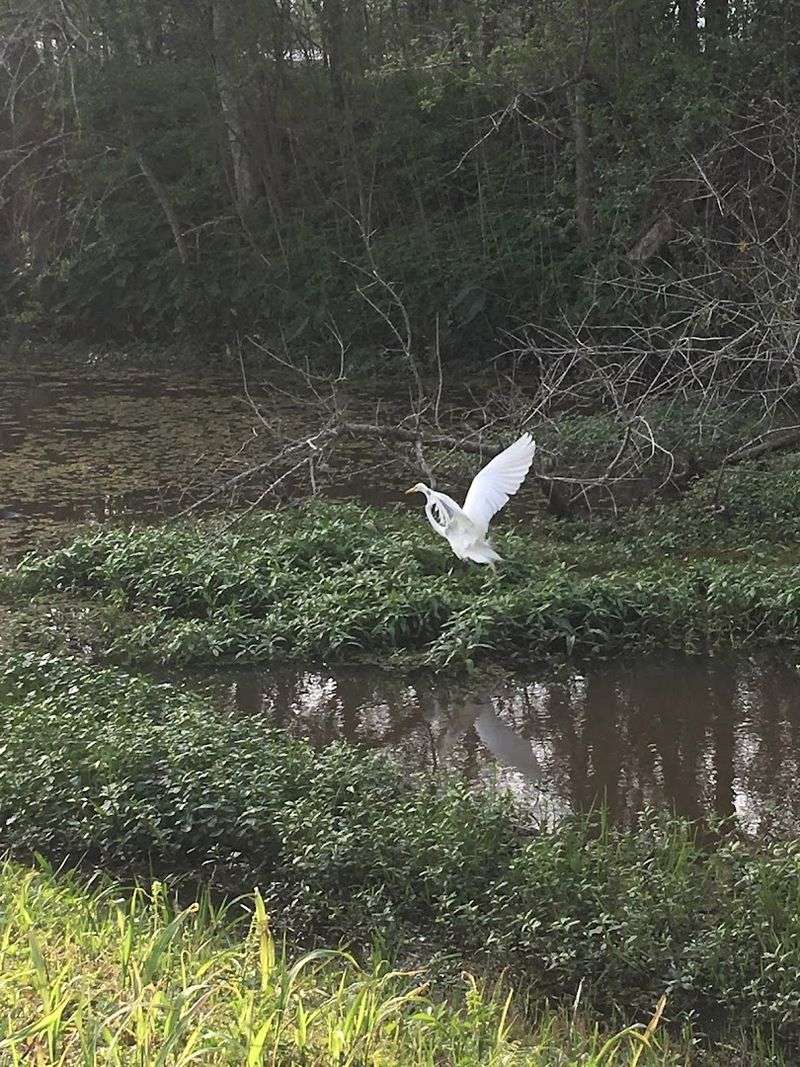
Woodlands Conservancy is not only a historical curiosity. It protects about 840 acres of forested wetlands, a landscape that works constantly whether visitors notice or not.
These woods absorb stormwater, soften wind, and provide a natural buffer for nearby communities on the West Bank.
That practical ecological role gives the place unusual gravity. You are hiking through habitat, not decorative scenery, and the preserve supports resident wildlife as well as migratory birds moving through coastal Louisiana.
The sense of function is part of the beauty.
Along the trail, the living details keep interrupting the military past in the best way. Frogs call from wet pockets, birds move through the canopy, and the soil smells richly alive.
The bunkers may draw you in, but the wetlands explain why this place matters now.
The Strange Logic Of The Magazines
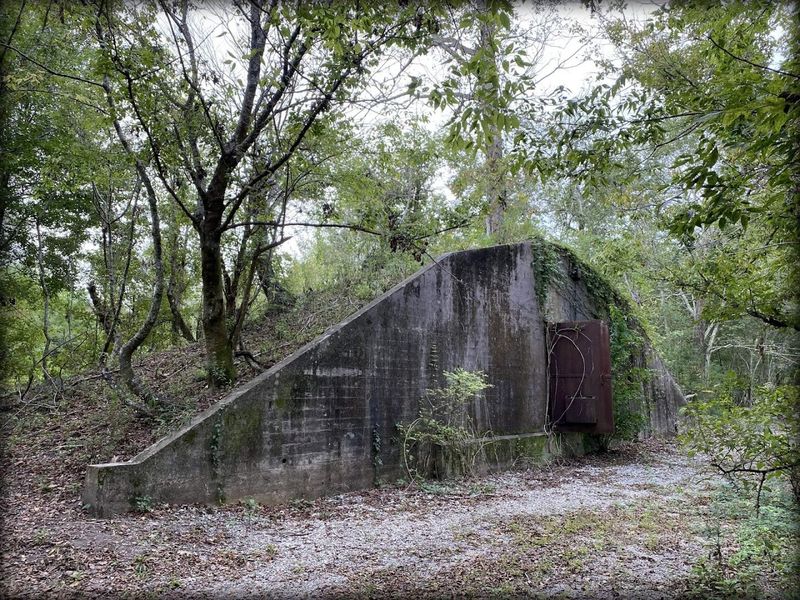
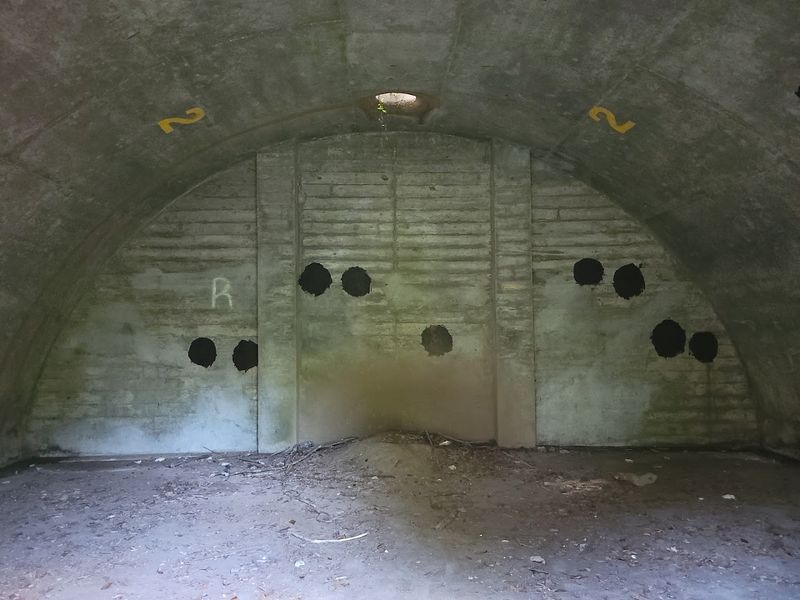
What stays with you most is not their size but their logic. The ammunition magazines were designed for black powder storage, and their construction reflected a grim kind of precision.
According to Woodlands Conservancy’s research brief, they were engineered to implode rather than explode, reducing outward damage if disaster struck.
That single fact makes the architecture feel more legible. The walls are thick, the doors heavy, and the structures sit with a blunt seriousness that the forest cannot quite soften.
They are less romantic ruin than practical wartime machine.
Seen up close, the magazines feel eerie without becoming sensational. Echoes carry inside, air cools quickly, and every footstep sounds overcommitted.
It is a rare place where engineering history becomes physically understandable, even if you arrive knowing very little about military storage design.
Layers Of Military Past
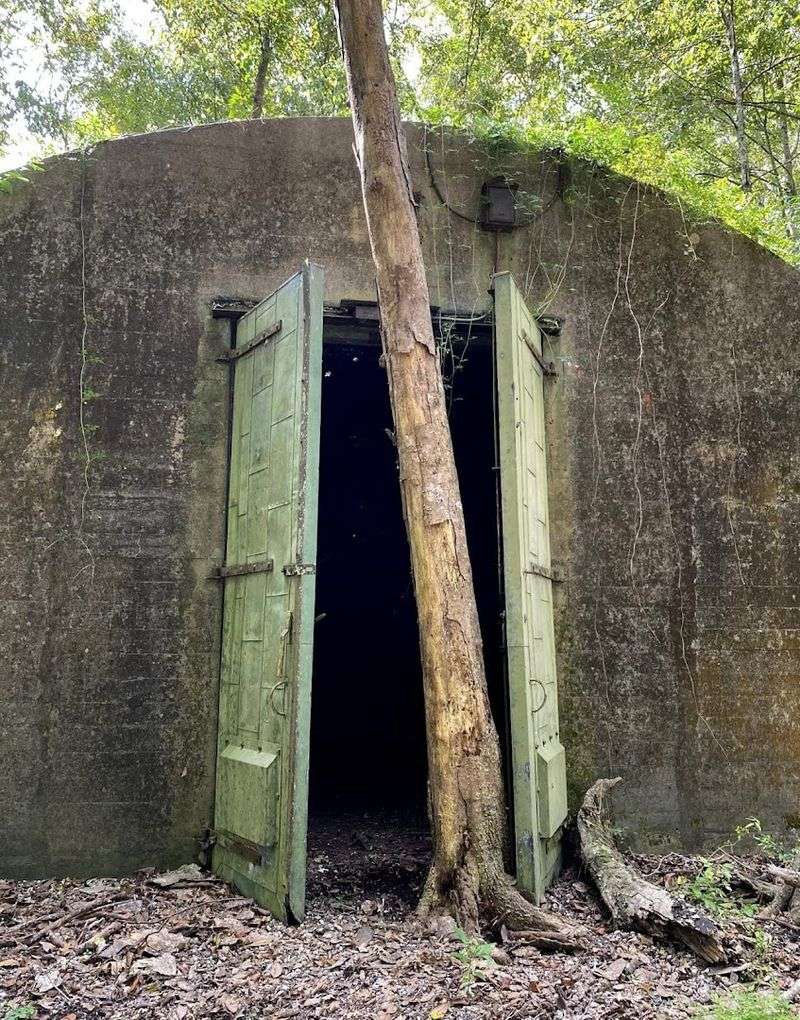
This pocket of Belle Chasse holds more history than the trail first admits. In 1939, the United States Navy acquired thousands of acres on the peninsula for ammunition storage, with supplies arriving by ship and rail.
Marines provided security, and historical accounts describe horseback patrols moving through this same landscape.
The site remained significant beyond World War II. It saw renewed use during the Korean War before decommissioning in 1963, and later the broader area was tied to secret CIA training connected to Cuban exiles and the Bay of Pigs era.
Those facts are documented, and they add real weight to an already unusual walk.
What I appreciated most is how little the conservancy needs to exaggerate. The history is sufficiently strange on its own, especially when it unfolds in a setting now devoted to restoration and public access.
Wildlife Between The Concrete Walls

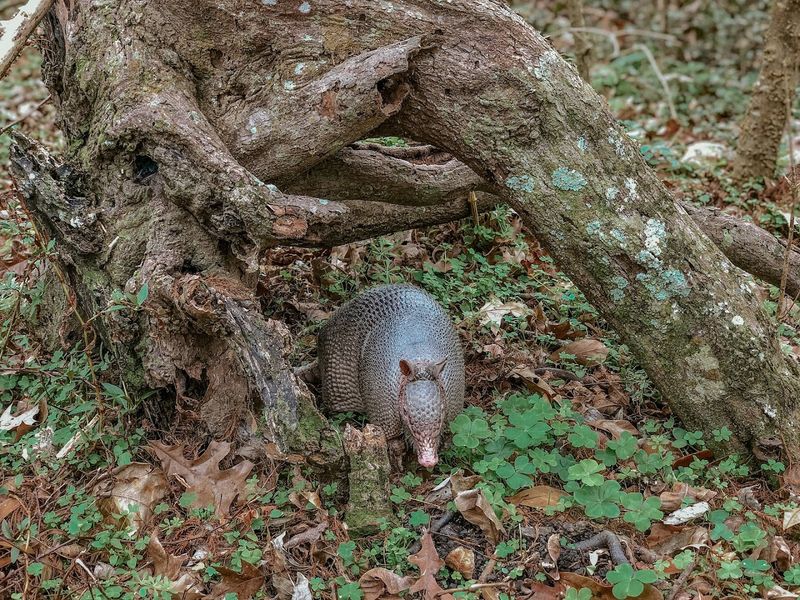
A place built for munitions now belongs largely to wildlife, and that reversal gives the hike its emotional texture. Armadillos are commonly spotted here, and the preserve also supports turtles, frogs, snakes, alligators, and a large variety of birds.
The trail asks you to stay observant in a very practical way.
Because the route is flat and shaded, it can lull you into casual walking, but the ground still deserves respect. Roots, muddy stretches, and sudden animal movement keep the experience lively.
Near the magazines, shaded interiors and edges can also attract creatures seeking cover.
That is part of the point, really. Woodlands Conservancy is managed as habitat first, so visitors enter on nature’s terms rather than the other way around.
I like that the place never lets history eclipse the living systems steadily reclaiming it.
Practical Things To Know Before You Go
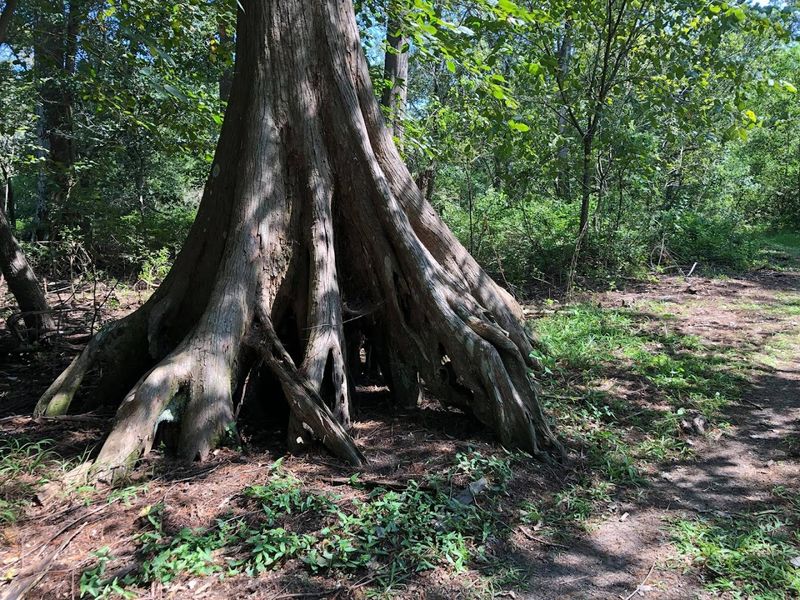
Woodlands Conservancy’s Woodlands Trail is free and open daily, with posted hours from 6:30 AM to 6:30 PM. The trailhead is at 449 F.
Edward Hebert Boulevard in Belle Chasse, and there are restrooms at the start, plus a practical, unfussy setup that suits the preserve’s low-key character. Parking can feel a little informal, so pay attention as you arrive.
The entrance has a reputation for being easy to miss, and conditions can vary with rainfall. Some sections become muddy or overgrown, especially after wet weather, because this is a natural surface trail in a wetland environment.
Checking current conditions before a longer hike is smart.
Bring water, wear pants if bugs are active, and keep your expectations tuned to nature rather than polish. That mindset makes the whole place read correctly.
The Shorter Loop And The Longer Story
Not every visit has to be a bunker mission. Woodlands Conservancy also offers the shorter Upland Trail, about 1.1 miles, which gives you a compact introduction to the preserve’s wooded character without the longer commitment of the Bottomland route.
It is useful on hot days, rushed afternoons, or first visits when you want to get your bearings.
The longer loop, though, tells the fuller story. It gradually reveals how the preserve shifts from approachable neighborhood green space to something wilder, wetter, and historically stranger.
That progression is one reason the magazines feel discovered rather than displayed.
If you have the time and conditions are decent, choose the long walk. The bunkers are the headline, but the real pleasure comes from watching the preserve change around you, from trailhead practicality to deep-woods concentration and back again.
Restoration In Plain Sight
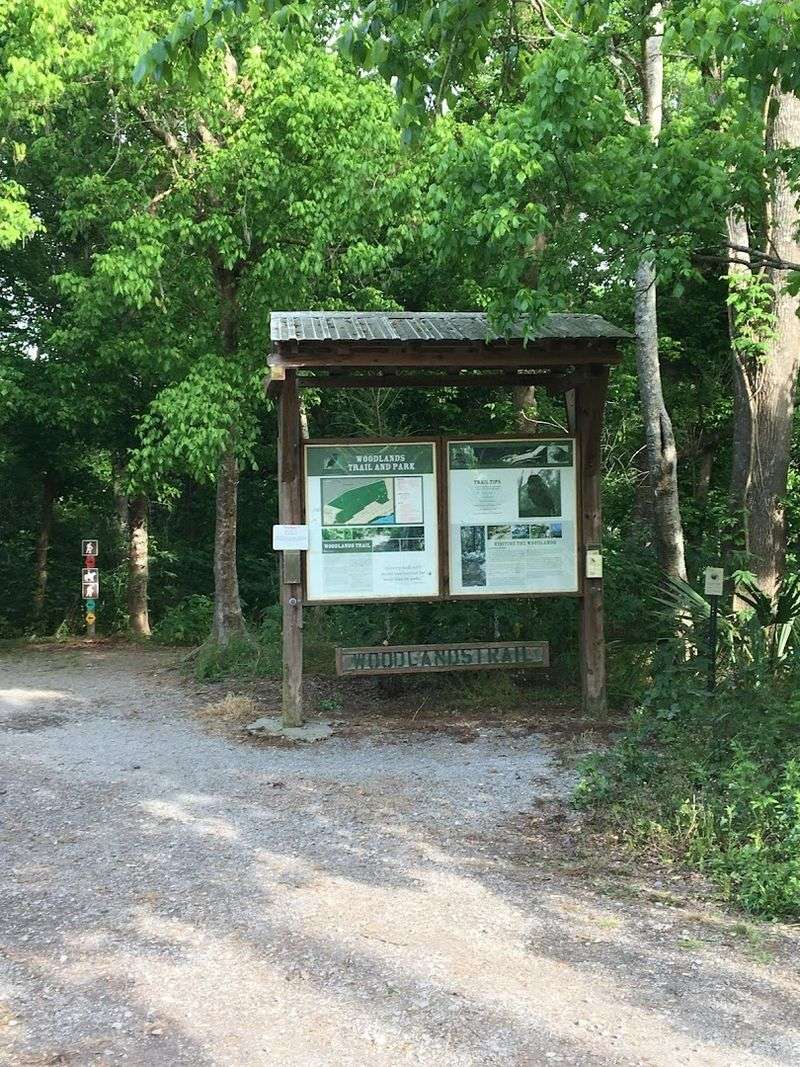
One of the most persuasive things about this place is that preservation here is active, not nostalgic. Woodlands Conservancy, established in 2001 as a nonprofit land trust, works to protect and restore ecologically and historically significant land without government funding as its main support.
Memberships, donations, and volunteer energy help keep the trails and habitat work going.
That mission shows up on the ground. Restoration includes planting native seedlings and trees, removing invasive vegetation selectively, and tracking forest recovery over time.
Chronolog stands along the trails even invite visitors to contribute repeat photographs that document change.
I admire that practical transparency. Instead of treating conservation as an invisible backstage effort, the preserve lets you see restoration as part of the landscape itself.
It makes the hike feel participatory, even when your role is simply noticing carefully and treading lightly.
Why This Hike Lingers
Some hikes impress with overlooks or physical challenge. This one lingers because it keeps changing its meaning while remaining visually modest.
At Woodlands Conservancy, a flat trail through shaded wetlands leads to abandoned wartime magazines, but the real experience is the conversation between refuge and residue.
You notice small things differently here: the cool interior of a bunker, the sudden rustle of an armadillo, the way a trail can feel both public and secluded. Even the logistics contribute to the mood, from the simple trailhead to the long, quiet stretch before the magazines appear.
Nothing feels packaged.
That is why I would recommend it to anyone curious about Louisiana beyond its usual postcards. It is factual, local, and slightly uncanny in the best way, a preserved landscape where history survives without ever stopping the forest from moving forward.