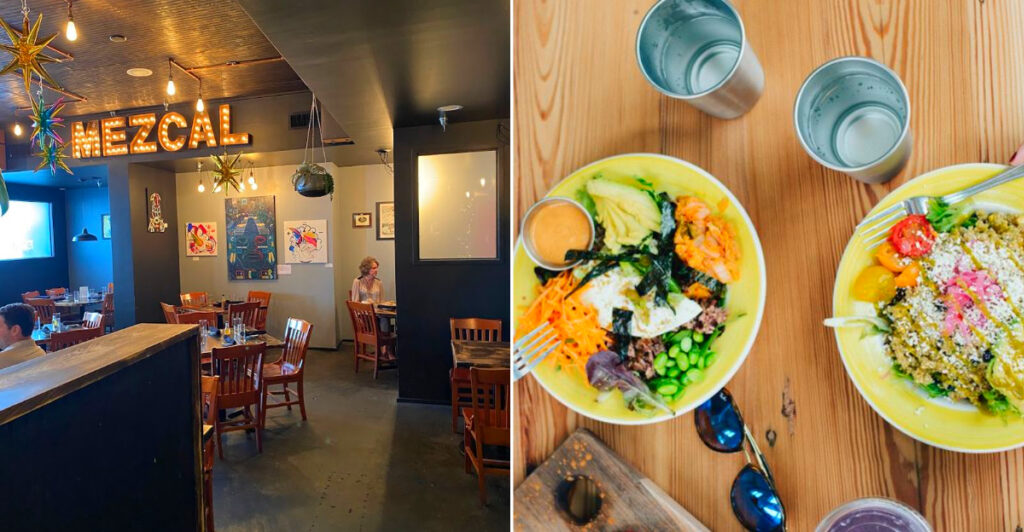
Dining out with a gluten intolerance usually means scanning the menu for the least offensive salad, asking the server to check with the kitchen, then hoping the answer comes back without a shrug. Louisiana does things differently.
The restaurants on this list treat gluten-free cooking as a discipline, not a favor. Dedicated fryers, separate prep stations, plus menus that list what is safe rather than what to avoid.
Some built their entire concept around ingredients that never needed wheat: rice bowls, cornmeal crusts, fresh seafood that stands on its own without a breaded coating.
Others adapted because their regulars asked and kept asking until the kitchen listened, adding dedicated fryer space and rewriting menus from scratch.
From rice bowls to cornmeal crusts to pastries using alternative flours the way a baker should, these spots prove that eating gluten-free in Louisiana does not mean settling. Gluten-free dining in Louisiana has never been this straightforward.
12. El Cabo Verde
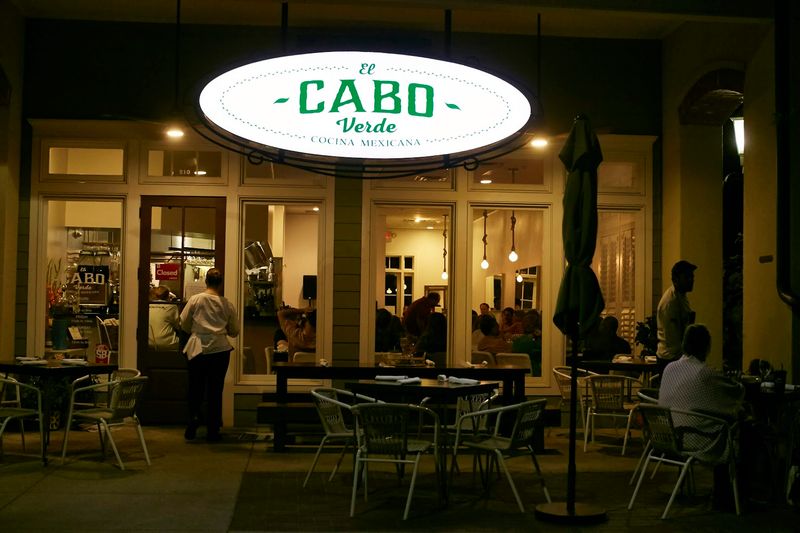
At 1023 Provenance Place Boulevard in Shreveport, the kitchen operates without wheat, rye, barley, or other gluten-containing grains, removing much of the uncertainty that usually accompanies restaurant ordering.
The food is Mexican rather than Creole, built around house-made corn tortillas, tacos, enchiladas, grilled meats, vegetables, beans, rice, and sauces prepared from scratch. Because corn and fresh ingredients form the foundation instead of acting as substitutions, the dishes feel complete on their own rather than adapted versions of something better.
The relaxed dining room and patio make it equally useful for a casual lunch or a slower evening meal. Staff can explain ingredients, and the absence of gluten from the food preparation gives diners with celiac disease a level of reassurance that mixed kitchens rarely provide.
Beverage selections may still include gluten-containing products, so food and drink questions should be handled separately. For anyone passing through northern Louisiana, this is one of the clearest destinations for a meal where gluten-free dining is the standard rather than a special request.
11. Maïs Arepas
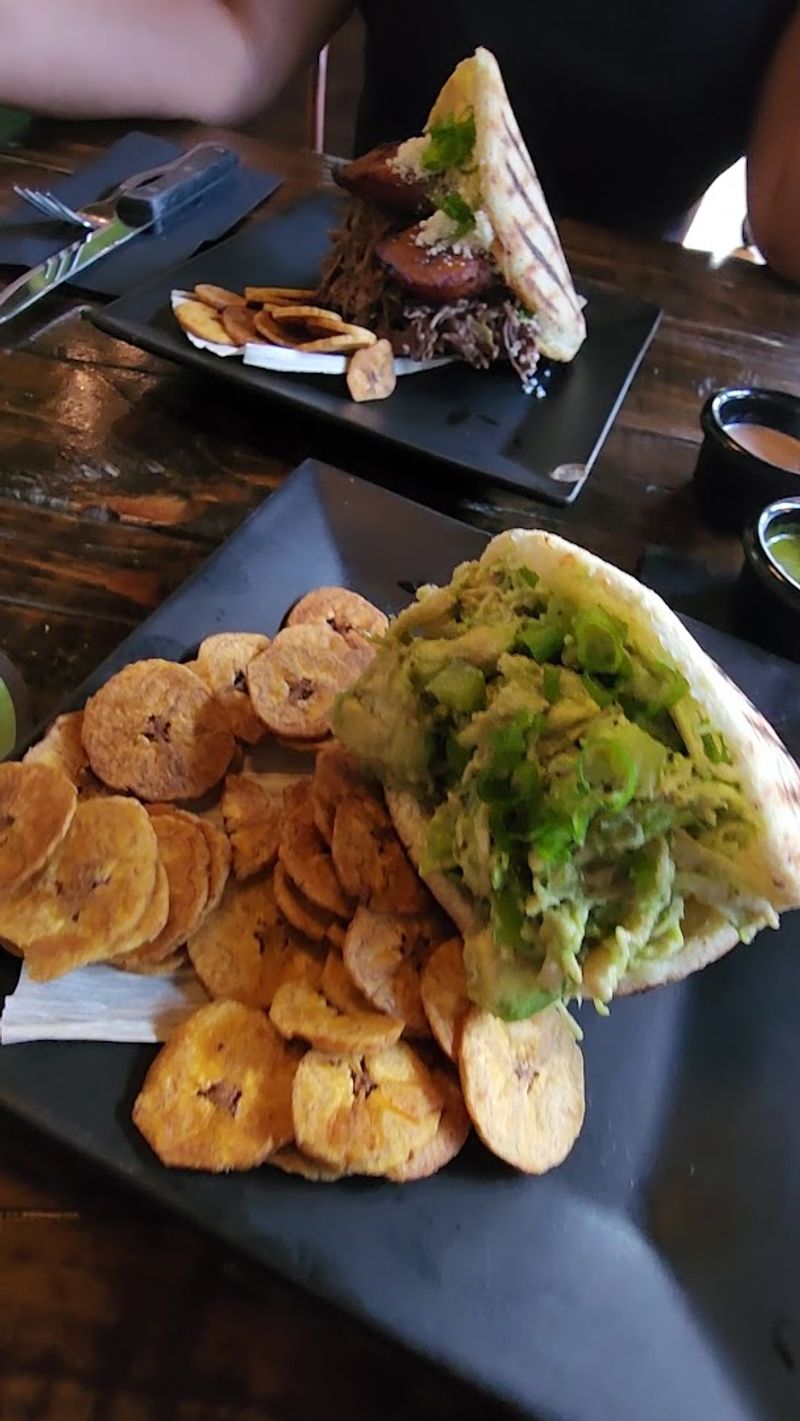
Inside a colorful dining room at 1200 Robert C. Blakes Sr. Drive in New Orleans, Colombian cooking demonstrates how little wheat is needed when corn, plantains, cassava, rice, and deeply seasoned fillings already do the work.
Arepas provide the centerpiece. Their crisp exterior opens into a tender corn interior filled with shredded meats, grilled vegetables, cheeses, seafood, or combinations that balance richness with bright sauces and pickled elements.
Empanadas, ceviche, plantain dishes, and larger Colombian plates extend the menu well beyond one specialty.
The restaurant is widely known for an entirely gluten-free food menu, making it especially attractive to diners with celiac disease who are tired of negotiating every component of a meal. Even dessert can be part of the experience rather than the point where the available options disappear.
Reservations are sensible because the intimate dining room can fill quickly. Come prepared to share several dishes instead of ordering only one arepa.
The contrast between crisp corn, slow-cooked fillings, fresh herbs, and sharper sauces is what makes the meal memorable for gluten-free and unrestricted diners alike.
10. Espíritu Mezcaleria
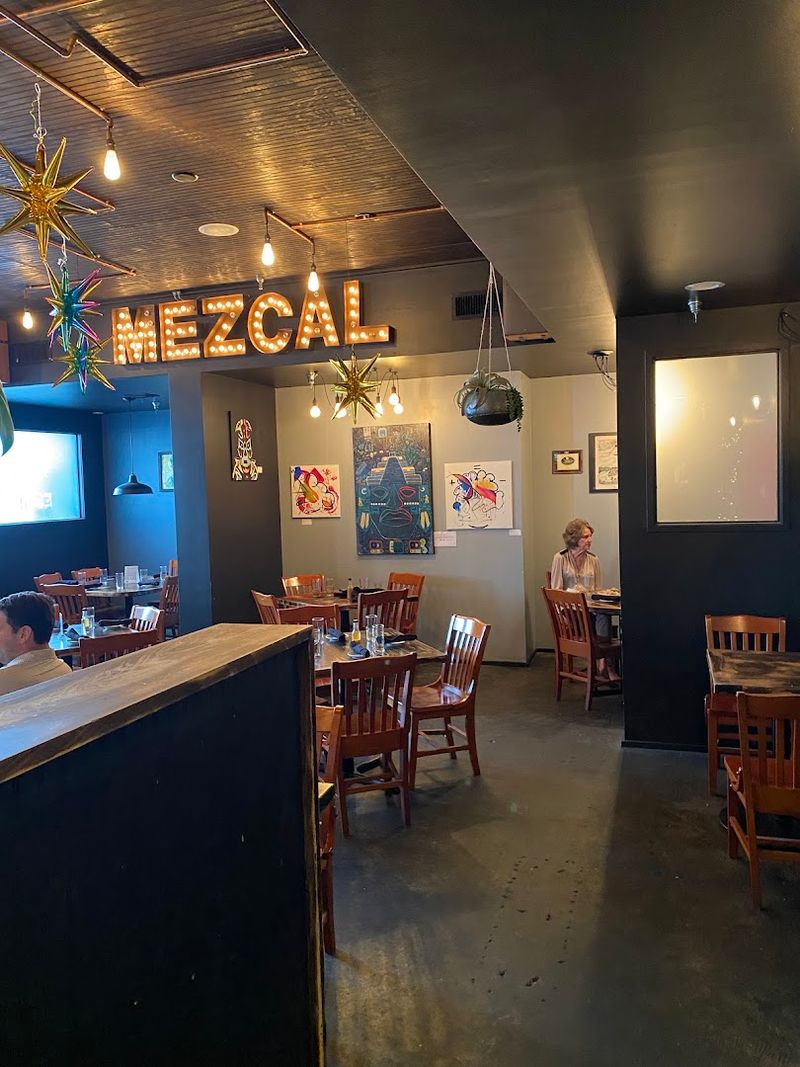
Inside a colorful dining room at 1200 Robert C. Blakes Sr. Drive in New Orleans, Colombian cooking demonstrates how little wheat is needed when corn, plantains, cassava, rice, and deeply seasoned fillings already do the work.
Arepas provide the centerpiece. Their crisp exterior opens into a tender corn interior filled with shredded meats, grilled vegetables, cheeses, seafood, or combinations that balance richness with bright sauces and pickled elements.
Empanadas, ceviche, plantain dishes, and larger Colombian plates extend the menu well beyond one specialty.
The restaurant is widely known for an entirely gluten-free food menu, making it especially attractive to diners with celiac disease who are tired of negotiating every component of a meal. Even dessert can be part of the experience rather than the point where the available options disappear.
Reservations are sensible because the intimate dining room can fill quickly. Come prepared to share several dishes instead of ordering only one arepa.
The contrast between crisp corn, slow-cooked fillings, fresh herbs, and sharper sauces is what makes the meal memorable for gluten-free and unrestricted diners alike.
9. Meals From The Heart Café
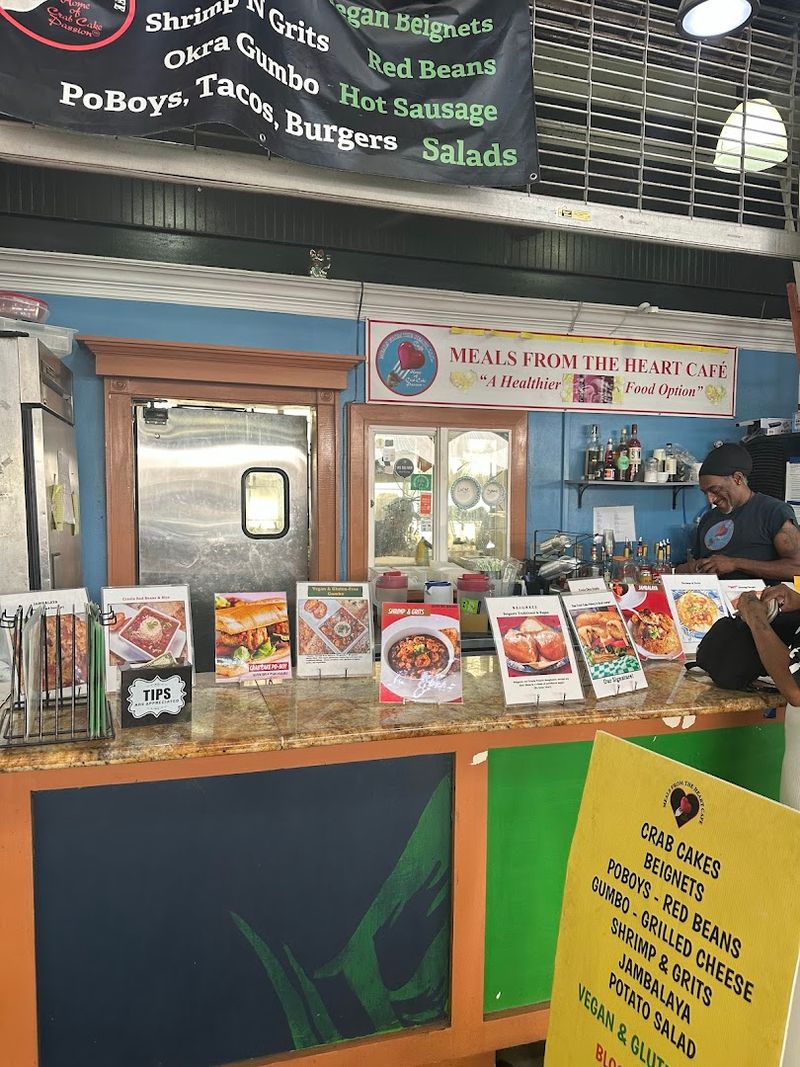
Inside the French Market at 1100 N. Peters Street, Stall 13, familiar New Orleans dishes are offered in traditional, vegan, and gluten-free versions, making this compact counter unusually flexible for groups with different dietary needs.
Gluten-free crab cakes, gumbo, tacos, pancakes, po-boys, and other regional specialties provide access to foods that are often difficult to find without wheat. Rather than directing diners toward one isolated side dish, the menu allows them to build a complete breakfast or lunch around recognizable Louisiana flavors.
The stall’s setting makes it easy to include during a French Quarter visit, although seating and space can feel busy during peak market hours. Ordering early in the day usually produces a calmer experience than arriving with the largest lunch crowds.
Because traditional and gluten-free items are both prepared here, diners with celiac disease should discuss cross-contact procedures before ordering. Menu descriptions also deserve careful reading because a dish being vegan does not automatically make it gluten-free.
The greatest strength is choice: this is one of the rare places where restricted diners can try several New Orleans classics without relying entirely on grilled seafood and salad.
8. Hen House
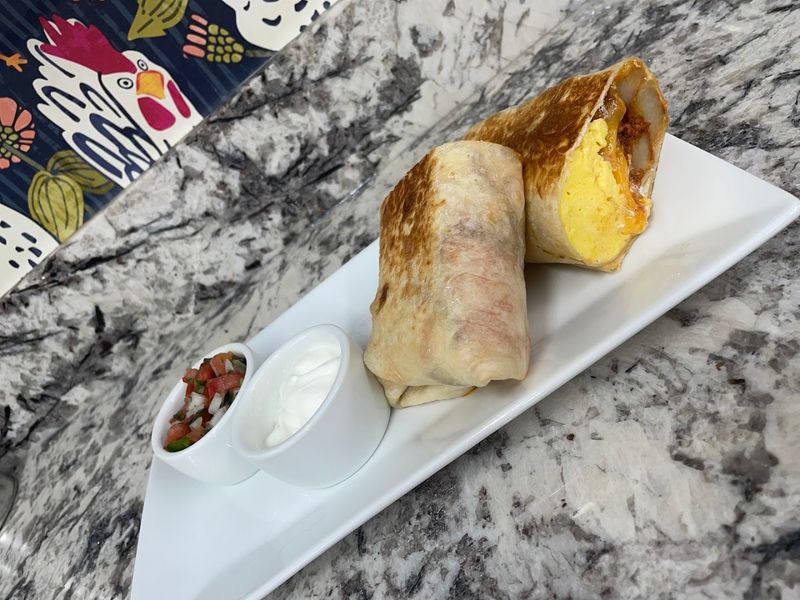
Inside the French Market at 1100 N. Peters Street, Stall 13, familiar New Orleans dishes are offered in traditional, vegan, and gluten-free versions, making this compact counter unusually flexible for groups with different dietary needs.
Gluten-free crab cakes, gumbo, tacos, pancakes, po-boys, and other regional specialties provide access to foods that are often difficult to find without wheat. Rather than directing diners toward one isolated side dish, the menu allows them to build a complete breakfast or lunch around recognizable Louisiana flavors.
The stall’s setting makes it easy to include during a French Quarter visit, although seating and space can feel busy during peak market hours. Ordering early in the day usually produces a calmer experience than arriving with the largest lunch crowds.
Because traditional and gluten-free items are both prepared here, diners with celiac disease should discuss cross-contact procedures before ordering. Menu descriptions also deserve careful reading because a dish being vegan does not automatically make it gluten-free.
The greatest strength is choice: this is one of the rare places where restricted diners can try several New Orleans classics without relying entirely on grilled seafood and salad.
7. Casamento’s Restaurant
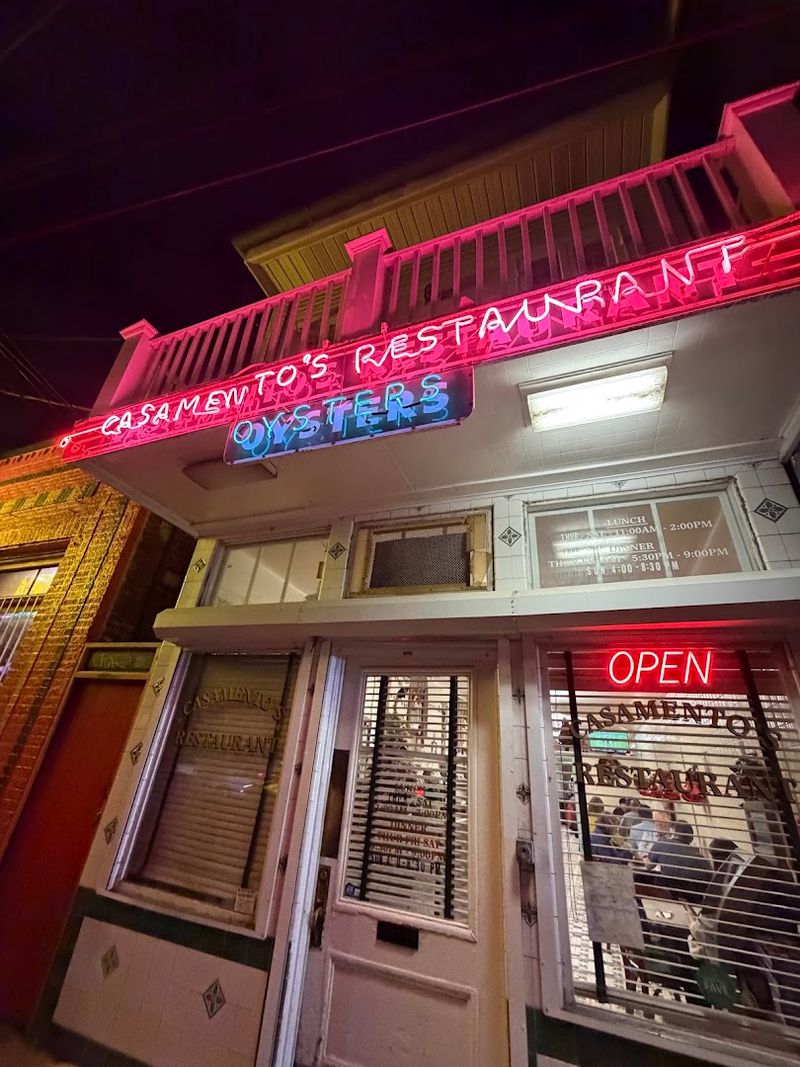
Behind the tiled façade at 4330 Magazine Street in New Orleans, one of the city’s oldest seafood restaurants offers something still surprisingly rare: fried Gulf seafood coated without wheat.
Oysters, shrimp, trout, catfish, crab claws, calamari, soft-shell crab, chicken tenders, and French fries are listed as gluten-free fried items. The cornmeal-style coating delivers the crisp texture diners expect from a New Orleans seafood plate without requiring a conventional wheat batter.
Raw oysters, oyster stew, gumbo, grilled shrimp, and other preparations create additional choices, although bread served with sandwiches and dinners must be treated separately. Do not assume an oyster loaf or piece of toast is gluten-free merely because the seafood inside it is.
The restaurant states that all fried food is gluten-free, but diners with celiac disease should still confirm fryer and preparation procedures when ordering. Cash is required, and the business traditionally closes during part of the summer, so checking current operating dates before traveling is essential.
For gluten-free visitors who thought a full fried seafood platter was no longer possible, this century-old dining room can feel like discovering an entire missing category of New Orleans food.
6. The Will & The Way
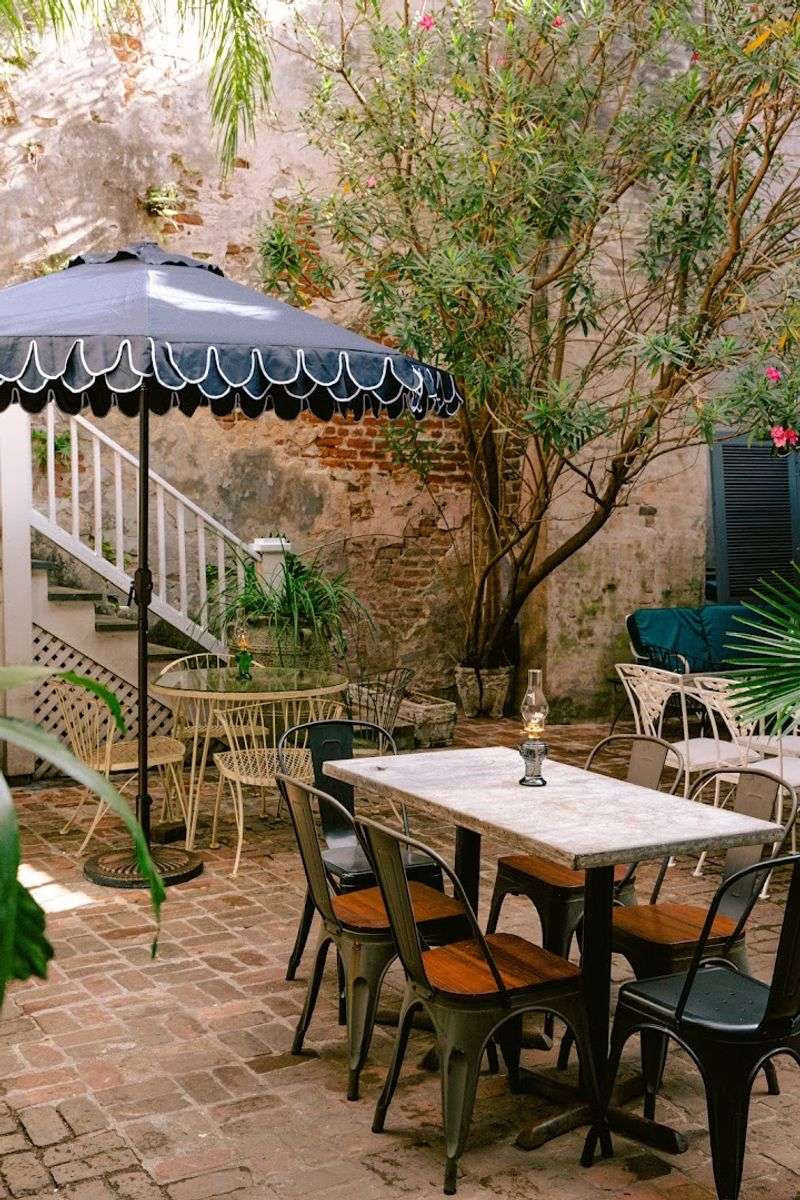
Through a courtyard entrance at 719 Toulouse Street in the French Quarter, a laid-back dining room offers a menu on which many dishes are either gluten-free or available with straightforward modifications.
Clearly marked choices include double-crunch wings, chicken satay, crispy Brussels sprouts, loaded Korean-style fries, Louisiana hot chicken served with grits, lamb birria tacos, falafel, cauliflower curry, and selected desserts. The range is unusually broad for a casual late-night spot.
Flavor moves freely across Louisiana, Korean, Mexican, Mediterranean, and Southeast Asian influences, so the menu feels playful rather than tied to one strict regional identity. That variety works particularly well for sharing, allowing a table to build a meal from several smaller plates.
Gluten-containing bread, crackers, buns, and wontons are also used in the kitchen. Diners with celiac disease should explain their needs and ask whether modifications address only ingredients or also preparation and cross-contact.
The setting feels stylish without demanding formality, making it useful for an afternoon break, dinner, or later meal in the Quarter. It succeeds because the marked gluten-free items are some of the menu’s most appealing dishes rather than reluctant substitutes.
5. The Daily Beet
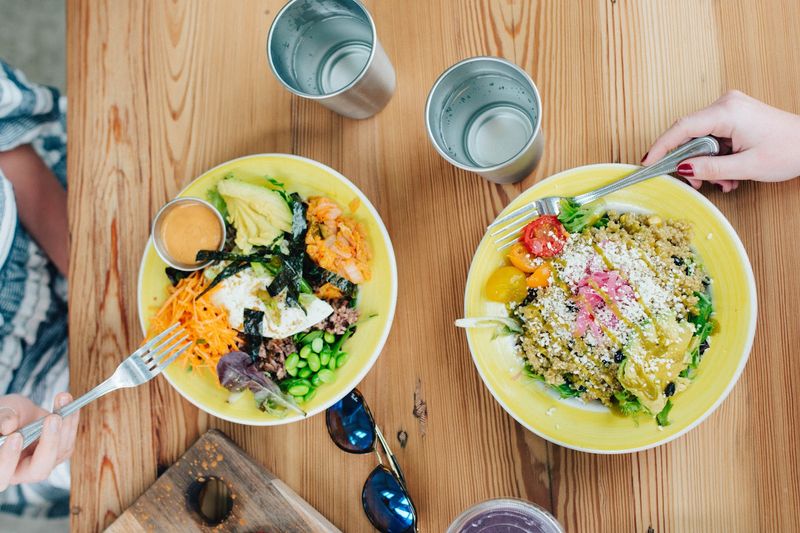
At 3300 Magazine Street in New Orleans, vegetables, fruit, grains, seeds, smoothies, and house-made dressings produce a menu where gluten-free eating often happens naturally.
Colorful bowls and salads combine roasted vegetables, greens, rice, legumes, avocado, herbs, and optional proteins. Breakfast brings choices such as banana-oat pancakes, while smoothies and cold-pressed juices make the café useful when a heavier Creole meal sounds unappealing.
The food is vegetarian-focused and health-conscious, but it avoids the joyless feeling sometimes associated with wellness cafés. Sauces, contrasting textures, pickled vegetables, nuts, and seasonal ingredients give each bowl enough personality to remain satisfying.
Not everything is gluten-free. Bread and other wheat-containing items are handled on the premises, and diners with celiac disease should ask about shared surfaces, utensils, and the oats used in breakfast dishes.
Oats are only reliably safe for celiac diners when appropriately certified and protected from contamination.
Open throughout the day, the Magazine Street location works well for breakfast, lunch, or a light dinner. It is particularly useful for groups balancing gluten-free, vegetarian, and unrestricted diets without forcing anyone into a highly specialized restaurant.
4. GW Fins
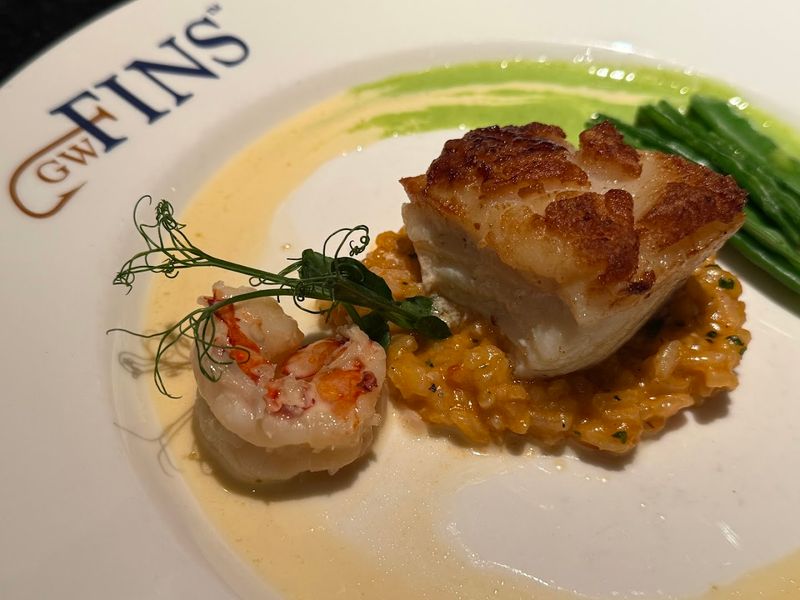
In the French Quarter at 808 Bienville Street, the daily menu follows the seafood arriving that afternoon rather than forcing the same fish into fixed preparations throughout the year.
That freshness-first approach creates plenty of naturally gluten-free possibilities. Carefully seared fish, grilled seafood, vegetables, rice-based accompaniments, and sauces that can be adjusted allow the kitchen to build a polished meal without relying heavily on breading.
The restaurant explicitly invites guests to communicate allergies, intolerances, and dietary preferences. Because the menu changes every day, calling ahead or mentioning gluten requirements in the reservation gives the chefs more time to plan an appropriate experience.
This is not a dedicated gluten-free kitchen. Bread, flour, and other gluten-containing ingredients are present, so people with celiac disease should ask about the exact preparation of each course and whether cross-contact can be controlled.
The level of service makes those conversations easier than at many busy restaurants. Staff can explain the day’s catches and help identify which fish and preparation provide the strongest combination of safety and flavor.
For a celebration where fresh seafood matters as much as dietary accommodation, this remains one of Louisiana’s most dependable fine-dining choices.
3. Pêche Seafood Grill
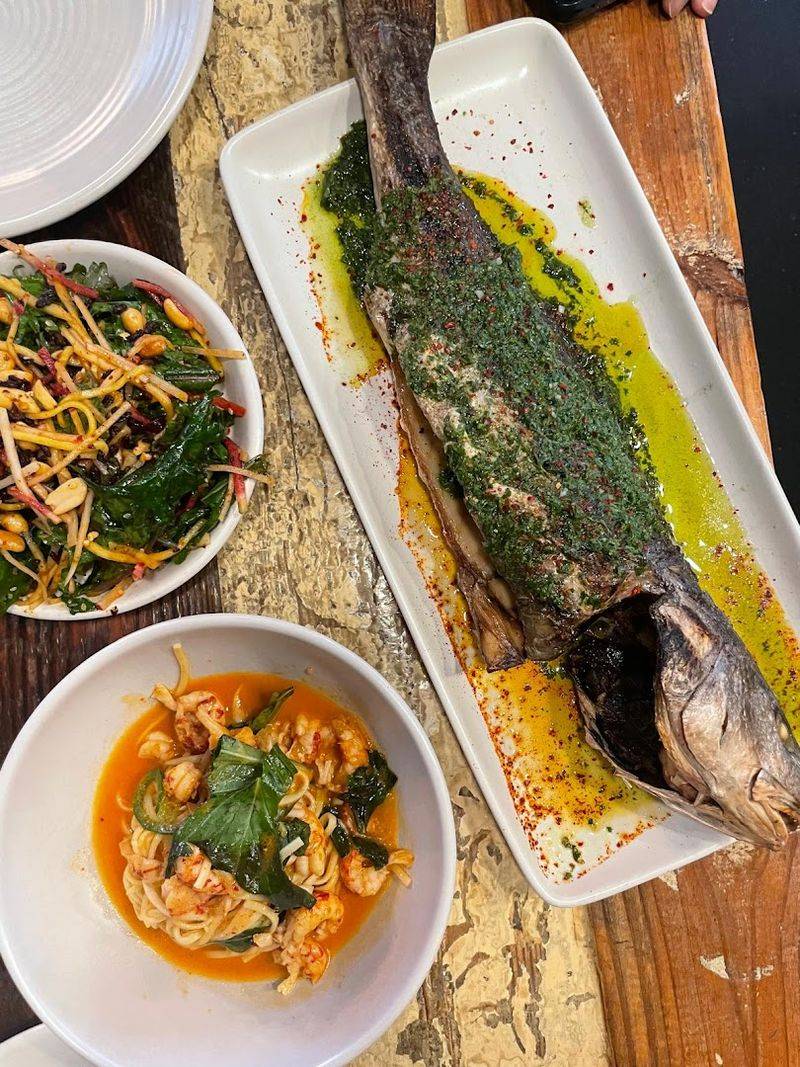
Around a wood-burning hearth at 800 Magazine Street in New Orleans, whole fish, shellfish, vegetables, and Gulf ingredients gain flavor from smoke and intense heat instead of heavy coatings.
That cooking style naturally creates several gluten-free possibilities. Raw oysters, marinated seafood, grilled fish, vegetable plates, and selected small dishes depend on freshness, char, citrus, herbs, and seasoning rather than wheat-thickened sauces.
The menu changes with availability, and not every dish is gluten-free. Crackers, bread, coatings, and shared kitchen equipment mean diners should speak with the server rather than relying on assumptions about seafood being naturally safe.
Substitutions may be possible, such as serving a dip with sliced vegetables instead of crackers. However, diners with celiac disease should ask whether any modified dish can also be protected from cross-contact during preparation.
Sharing works especially well here because the restaurant’s strongest quality is contrast: raw beside roasted, crisp beside tender, bright citrus beside smoke. The room stays lively, and reservations are helpful throughout the week.
For gluten-free diners who want seafood treated simply but not plainly, the hearth-centered menu can provide a far more exciting meal than the standard grilled-fish fallback.
2. Cocha
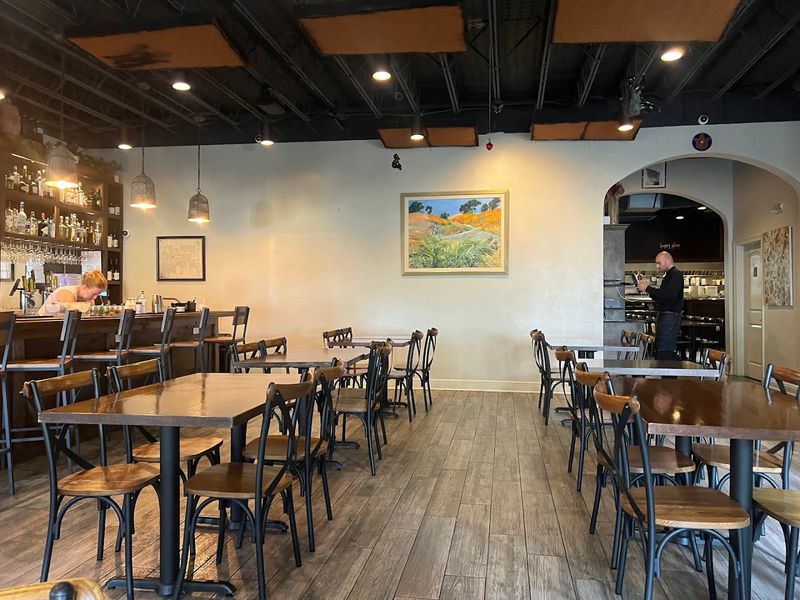
In downtown Baton Rouge at 445 N. Sixth Street, seasonal Louisiana produce meets dishes inspired by Latin America, the Mediterranean, North Africa, and other global food traditions.
The menu is prepared largely from scratch and regularly includes gluten-free, vegetarian, and vegan choices. Plantains, ceviche, grilled seafood, vegetables, rice, legumes, and carefully sourced meats give the kitchen plenty of ingredients that do not require wheat to feel complete.
Because offerings change with the season, the best gluten-free choices may differ from one visit to the next. That flexibility is part of the restaurant’s appeal, but it also means diners should ask questions each time rather than relying on an old online menu.
This is a mixed kitchen, so gluten-free options should not automatically be treated as celiac-safe. Tell the server whether the concern is a preference, intolerance, allergy, or celiac disease and ask about shared fryers, sauces, marinades, and preparation surfaces.
The intimate dining room, patio, and weekend brunch make it adaptable to different occasions. What distinguishes the experience is the kitchen’s light touch: bright acidity, fresh herbs, seasonal produce, and clean textures allow gluten-free dishes to feel intentional instead of incomplete.
1. Eliza Restaurant & Bar
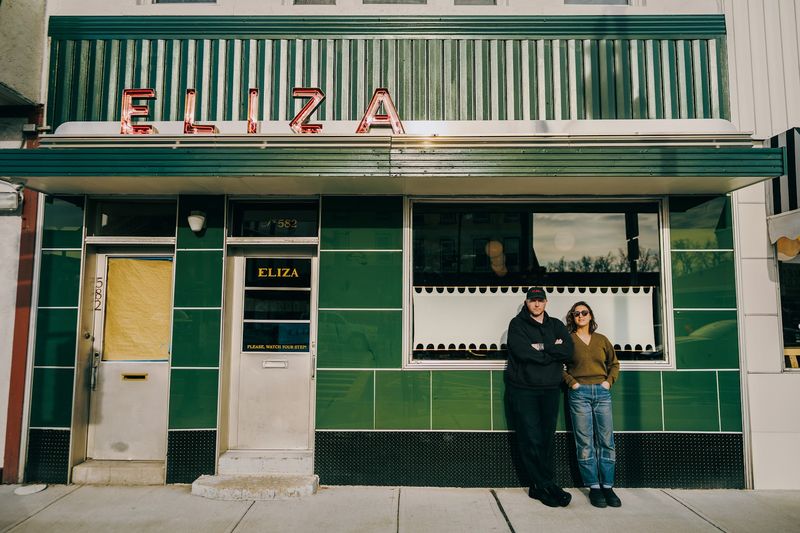
In downtown Baton Rouge at 445 N. Sixth Street, seasonal Louisiana produce meets dishes inspired by Latin America, the Mediterranean, North Africa, and other global food traditions.
The menu is prepared largely from scratch and regularly includes gluten-free, vegetarian, and vegan choices. Plantains, ceviche, grilled seafood, vegetables, rice, legumes, and carefully sourced meats give the kitchen plenty of ingredients that do not require wheat to feel complete.
Because offerings change with the season, the best gluten-free choices may differ from one visit to the next. That flexibility is part of the restaurant’s appeal, but it also means diners should ask questions each time rather than relying on an old online menu.
This is a mixed kitchen, so gluten-free options should not automatically be treated as celiac-safe. Tell the server whether the concern is a preference, intolerance, allergy, or celiac disease and ask about shared fryers, sauces, marinades, and preparation surfaces.
The intimate dining room, patio, and weekend brunch make it adaptable to different occasions. What distinguishes the experience is the kitchen’s light touch: bright acidity, fresh herbs, seasonal produce, and clean textures allow gluten-free dishes to feel intentional instead of incomplete.