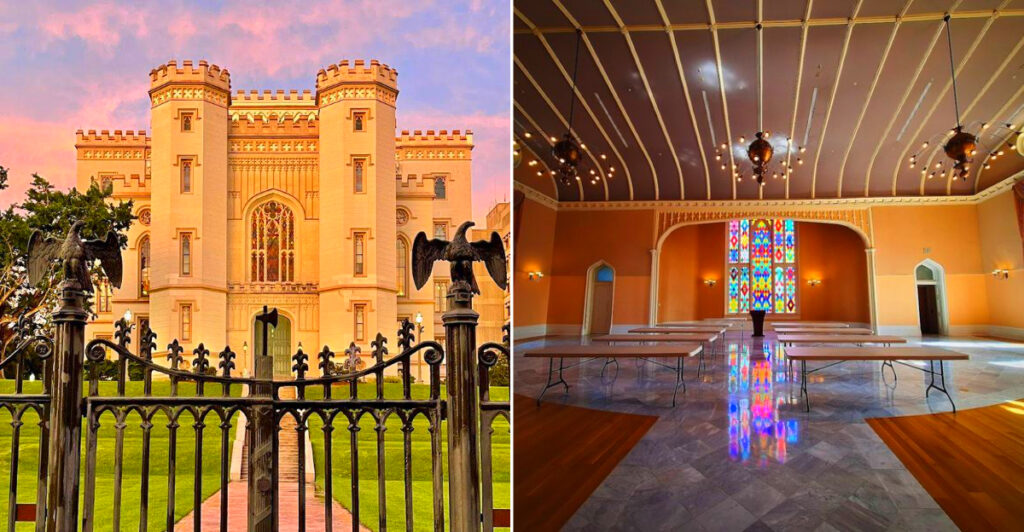
Castles do not belong in the American South, except this one does. Turrets rise above the riverbank, crenellated walls catch the afternoon light, plus a spiral staircase winds through the interior like something out of a medieval manuscript.
The building was never meant to blend in: designed in Gothic Revival style when the state needed a capitol that meant business, it ended up looking like it meant business plus a dragon or two.
Mark Twain hated it, calling it an architectural blunder, which only made locals love it more. Stained glass, pointed arches, cast iron details that hold up against humidity plus hurricane seasons alike: every element pulls your eye upward.
Politicians debated law inside these walls for decades. Now visitors walk through with cameras instead of briefcases, craning their necks at the spiral that climbs to the top.
This storybook structure in Louisiana refuses to be overlooked.
Approach And First Impressions
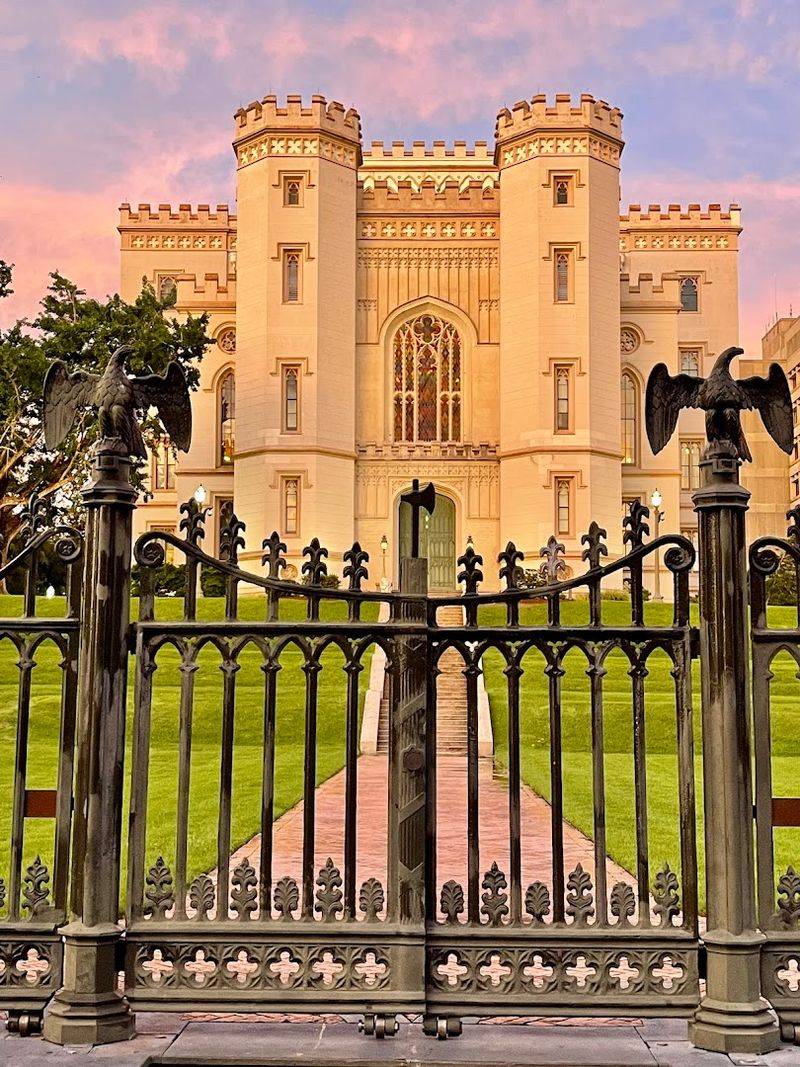
Walking up North Boulevard the castle-like form announces itself before you reach the steps; the silhouette reads like an illustrated storybook and draws attention from across the riverfront.
The brickwork and crenellations are surprisingly delicate for a public building, and the staggered turrets create a playful skyline against Baton Rouge skies.
I loved how the approach frames the river and the modern state capitol beyond, a gentle reminder that this was once the center of Louisiana government and still commands the site.
Pause at the base to notice engraved stonework and period iron fixtures that hint at craft traditions. The building feels simultaneously intimate and ceremonious, inviting visitors to slow down and look closely at details often missed from a distance.
When Downtown Baton Rouge Suddenly Turns Into A Castle
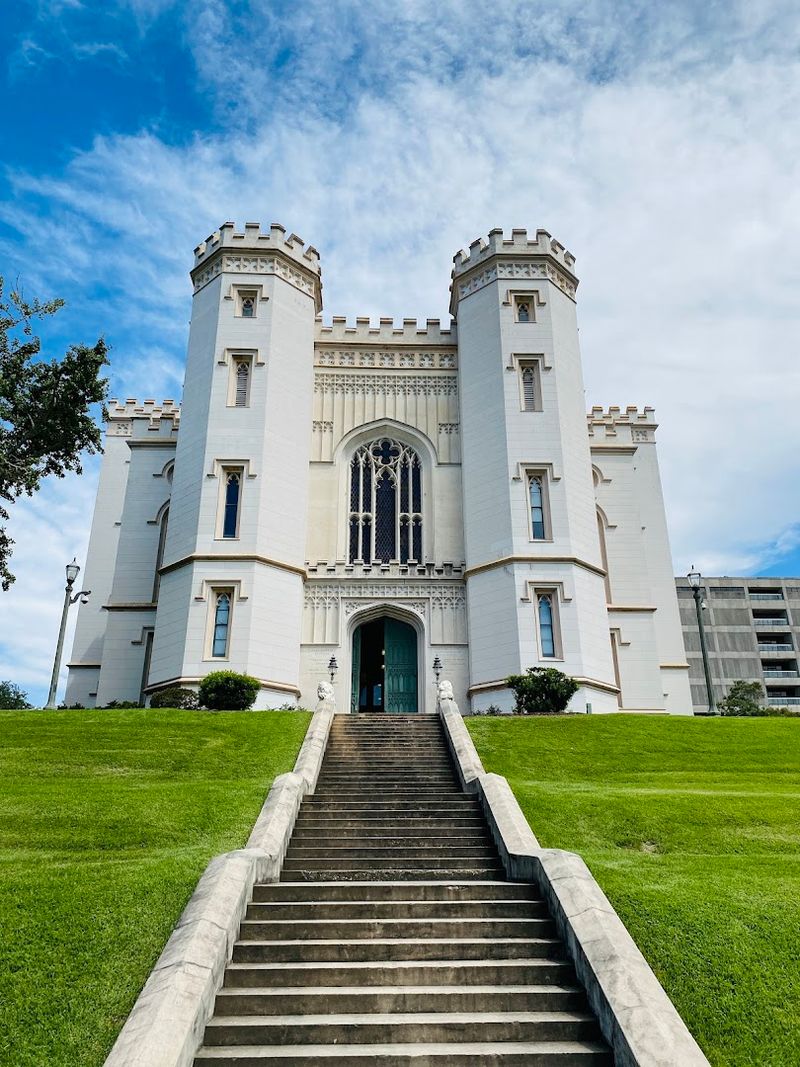
Old Louisiana State Capitol sits at 100 North Boulevard in downtown Baton Rouge, Louisiana. From Interstate 10, connect with Interstate 110 north, take the Government Street exit, and turn west toward the river.
Government Street curves directly past the castle-like building, making the final turn difficult to miss. Turn right onto North Boulevard to reach the entrance side of the property.
Look for street parking along North Boulevard or River Road. A public garage also stands at Third and Convention streets, about two blocks away, making it easy to finish the journey on foot.
The Stained Glass Dome
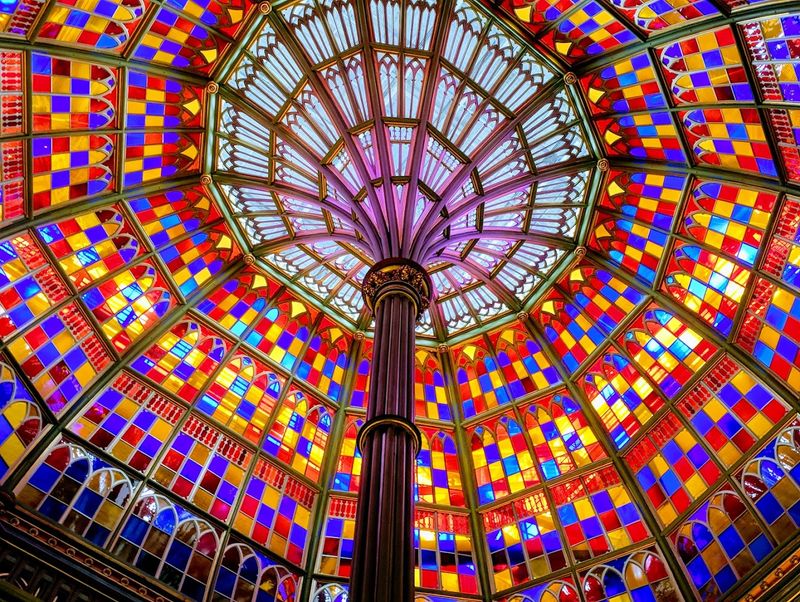
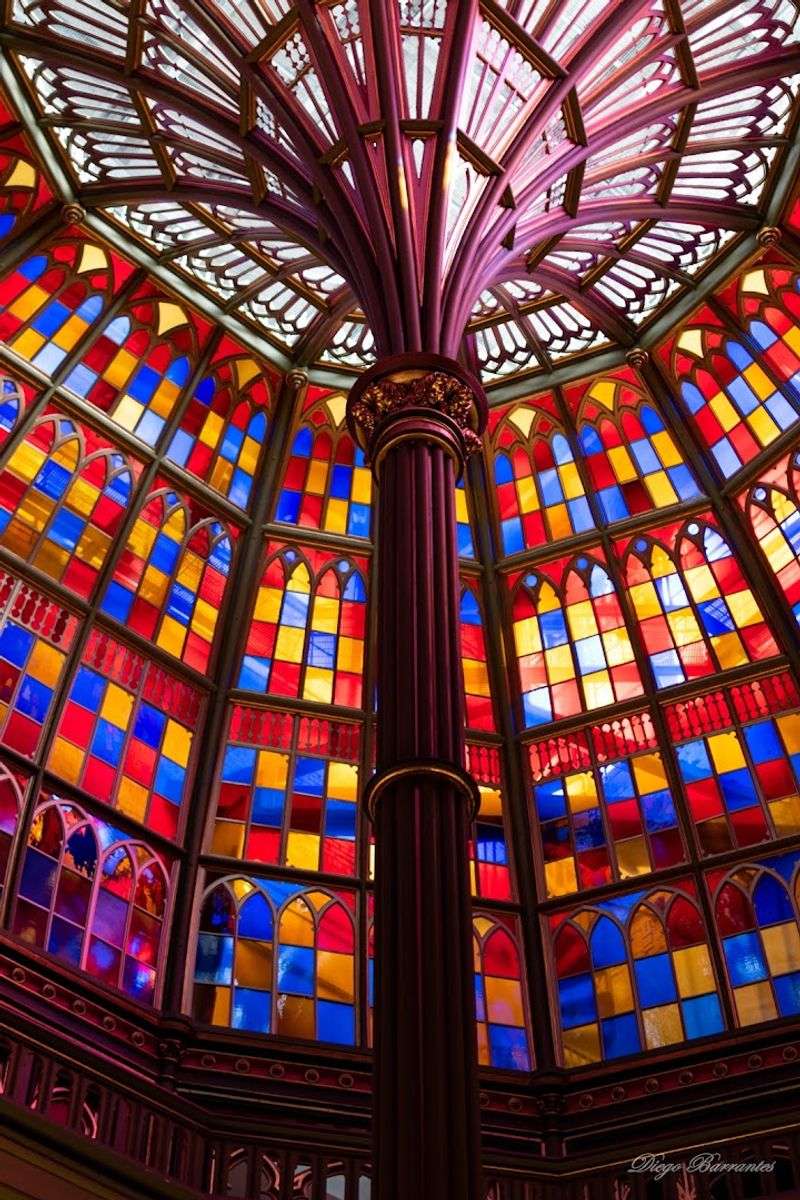
Entering the rotunda feels like stepping into a cathedral of civic memory because the stained-glass dome pours multi-hued light across the floor and walls. The dome is a centerpiece reconstructed after the Civil War era rebuild and it transforms ordinary exhibits into something cinematic.
Under that light, even small labels and plaques gain a dramatic presence that alters how you read the museum’s narratives.
Stand beneath the dome and rotate slowly to appreciate the frescoed frieze and decorative motifs; the interplay of glass and cast iron produces a layered visual experience. It’s easy to understand why visitors pause and hold photos; the dome makes a powerful case for careful conservation and public imagination.
Look upward from several angles, since the colors shift as daylight changes and reveal details that disappear from a single viewpoint. The longer you stay, the more the rotunda feels less like a passageway and more like an exhibit itself.
The Cast Iron Spiral Staircase
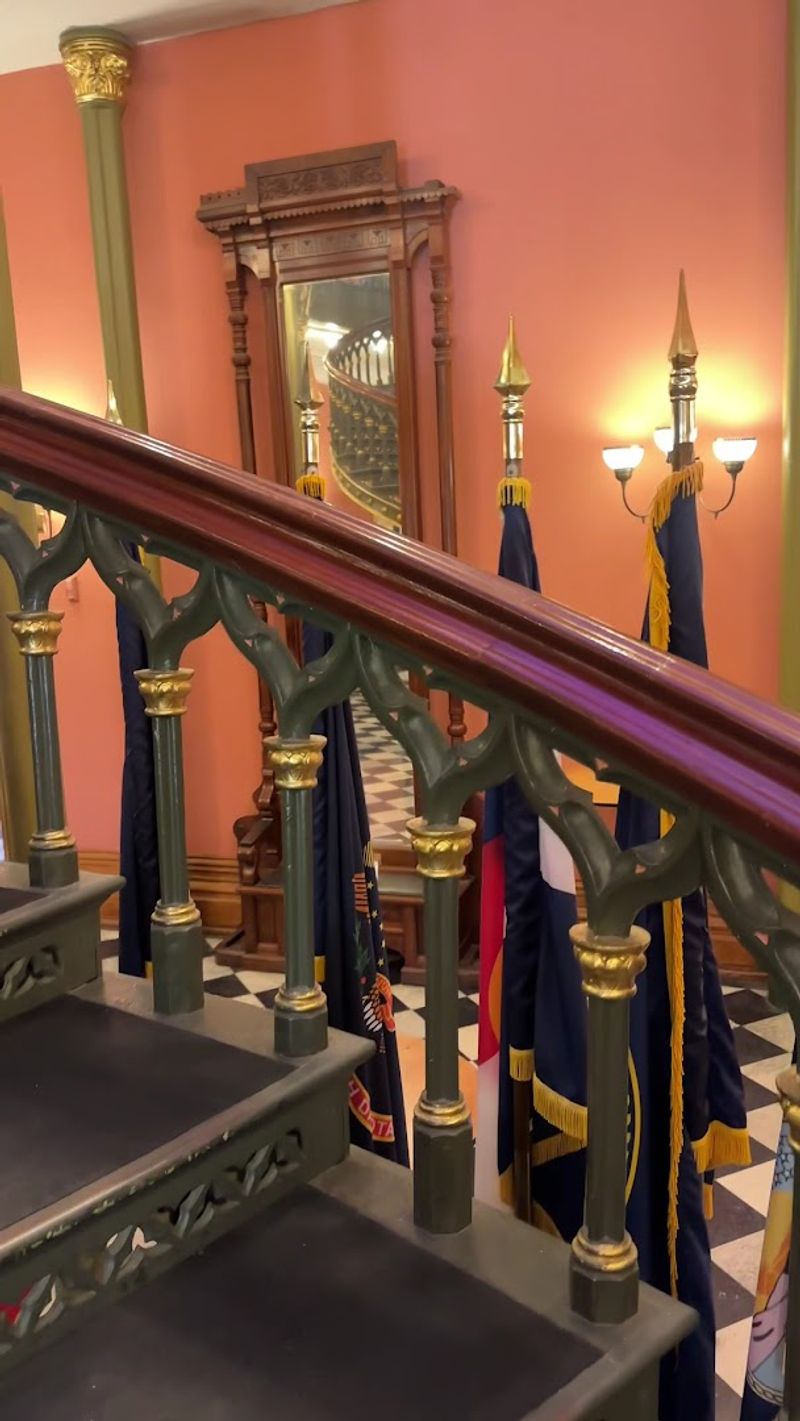
A cast-iron spiral staircase climbs through the rotunda like a piece of industrial sculpture rendered elegant; its patterned balusters and tread details are a lesson in 19th century metalwork. Walking the stairs reveals different sightlines into gallery spaces and offers photographic moments as colored light filters from above.
The staircase is sturdy and surprisingly graceful, engineered to carry legislative traffic while also performing as a visual centerpiece.
Take care on the steps since the metal reflects light and can be slippery in spots, but don’t rush past, each landing reveals new decorative details and framed exhibits. For anyone who loves craft, this staircase is a subtle star of the building’s interior ensemble.
Museum Exhibits And Storytelling
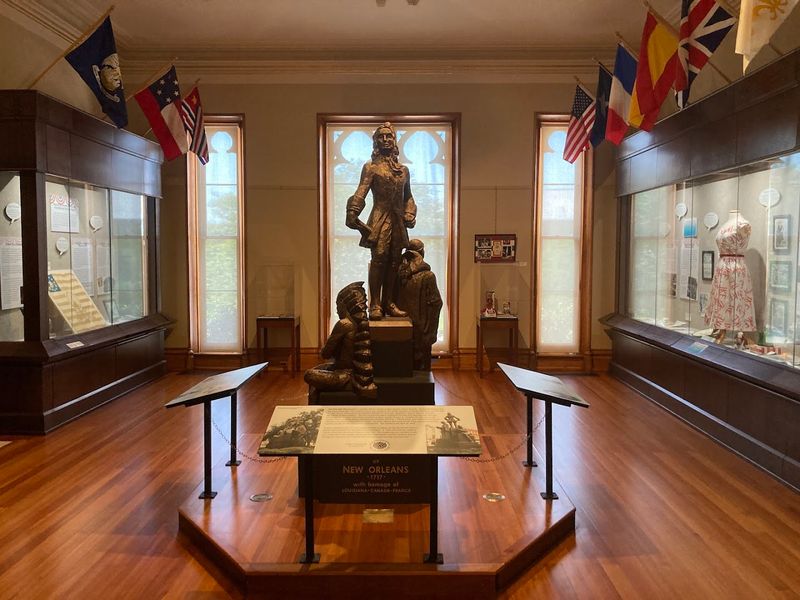
The museum balances political history with curated storytelling that doesn’t shy away from complexity; exhibits range from the state’s founding moments to difficult chapters that are handled thoughtfully. Rooms like the Hall of Presidents and sections about Huey Long are arranged to contextualize events within larger social currents.
Interpretive panels are clear and the mix of artifacts, multimedia, and documents helps different visitors find entry points into the material.
I appreciated how the museum includes sobering topics alongside celebratory ones, creating a more honest narrative. Audio options and staff guidance make it easier to navigate denser subjects without feeling overwhelmed, and the flow encourages lingering in places that draw your attention.
That balance also rewards repeat visits, since one trip may draw you toward political personalities while another highlights labor, race, regional identity, or institutional change. The museum leaves interpretive space for reflection, making its history feel active rather than sealed.
The Ghost Of The Castle Presentation
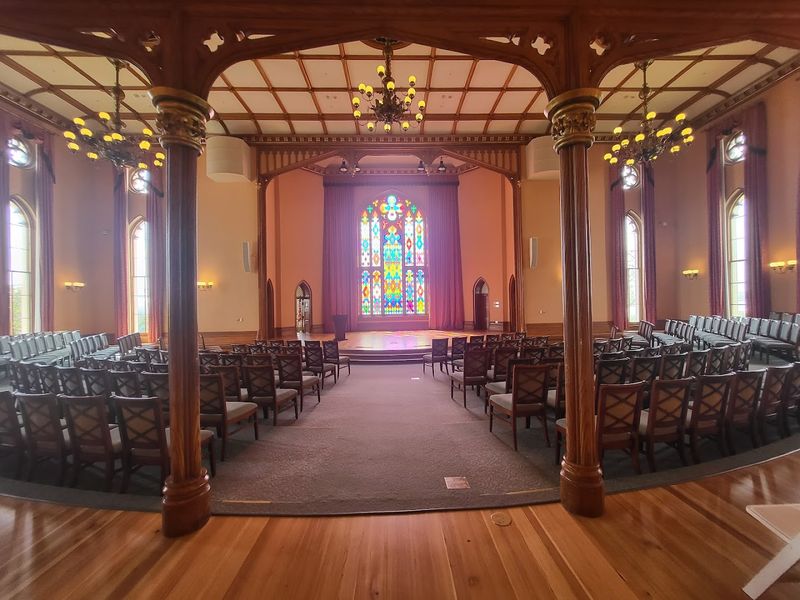
The Ghost of the Castle multimedia presentation is an inventive way to condense complex history into an immersive show that complements the static exhibits. Projection mapping and narration animate key episodes in the building’s past, drawing connections between the architecture and the people who shaped Louisiana politics.
It’s award-winning for a reason; the pacing is tidy and the visuals feel respectful rather than sensational.
For first-time visitors, the presentation is a good primer that orients later reading and exploring. There’s a small fee in some reports to watch the film, but many visitors agree the experience is worth the cost for the context and the theatrical flourish it lends to the visit.
Huey Long And Political Drama
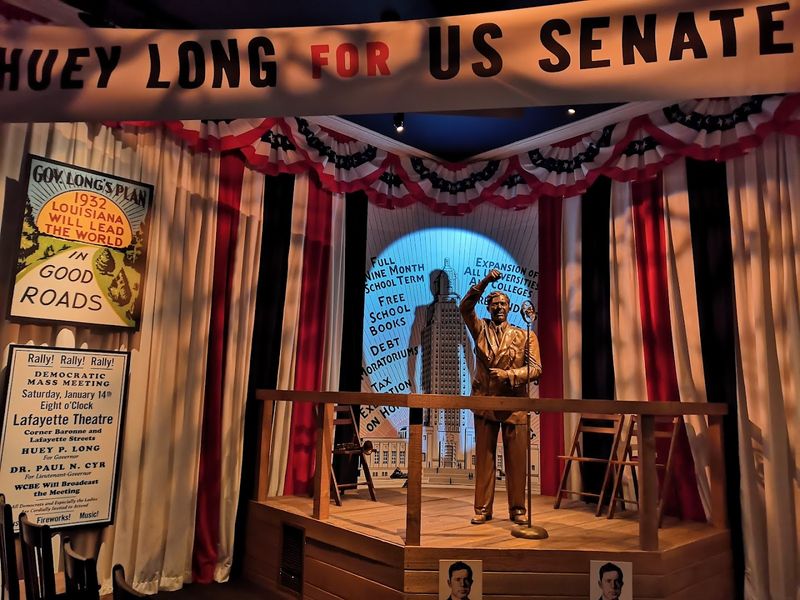
Exhibits about Huey Long are handled with nuance, presenting both his populist achievements and the controversies that surrounded his tenure. The displays incorporate archival photos, campaign artifacts, and critical analysis that help visitors understand why his legacy remains contested.
The museum does not lionize or entirely condemn; instead it frames Long within systemic forces and personal ambition, which makes for thoughtful interpretation.
If you are curious about political theater and spectacle, these rooms show how governance and personality intersected in Louisiana history. The presentation invites reflection and offers enough detail to satisfy both newcomers and those with prior knowledge of the era.
Practical Visitor Tips
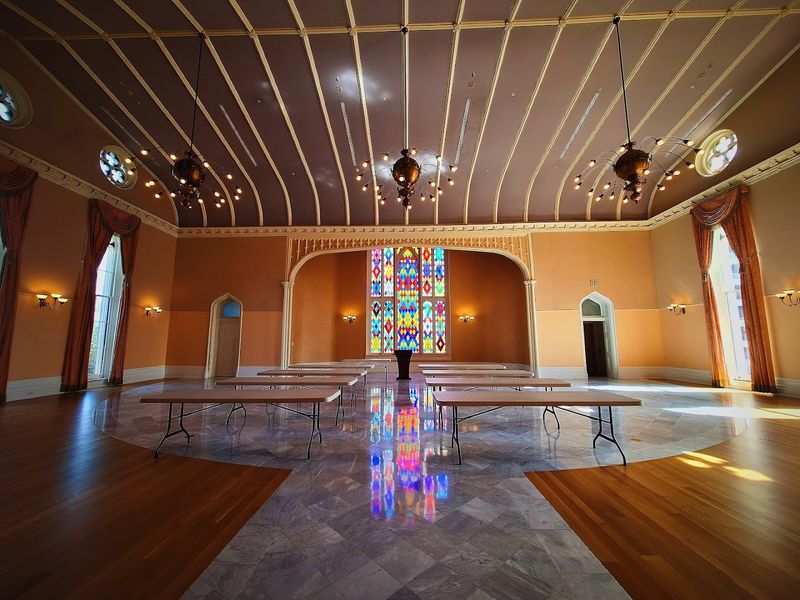
Plan your visit around published hours since the museum is closed Sundays and Mondays and hours vary by day; arrive early on Saturdays when it opens at 9 AM to avoid crowds.
Admission is generally free but the multimedia presentation may have a small fee; parking is available nearby with metered spots and occasional free weekend parking.
Restrooms and a modest gift shop are on site, though upstairs restroom access may be limited so plan accordingly.
Audio guides enhance the experience and staff are helpful if you seek deeper context. Comfortable shoes make a difference, the building invites wandering and the floors are historic but well maintained.
Seasonal Lighting And Photography
Light changes the castle’s personality dramatically; early morning gives soft, even tones while golden hour adds warmth that accentuates brick textures and carved details. Photographers will find the west-facing facades especially rewarding as the sun lowers and cast shadows create contrast on crenellations and gables.
Inside, the stained-glass dome produces variable color patterns depending on time of day so repeated visits at different hours yield fresh images.
For portrait shots or architectural studies use a tripod where allowed and respect museum rules about flash. Experimenting with angles near the river bluff also provides context shots that include the Mississippi and the modern capitol in the distance.
Accessibility And Family Visits
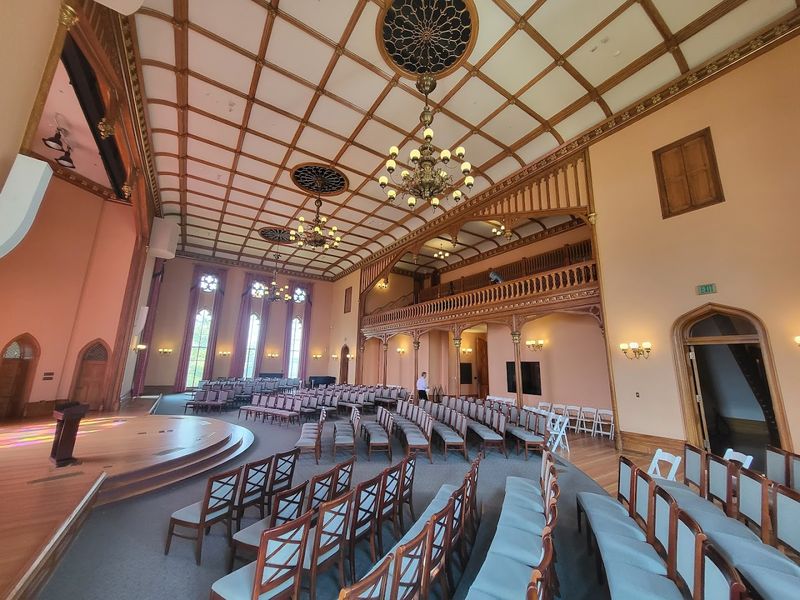
The Old State Capitol welcomes families with a mix of hands-on programming and accessible galleries, though certain upper-floor exhibits may require stair use depending on routing.
Staff friendly to visitors often suggest kid-focused materials and the museum includes activities to keep younger visitors engaged without diluting the historical content.
Metered parking nearby and brief walking distances make the site manageable for families with strollers when planned carefully.
Check the museum calendar for special family days or school program offerings which can deepen a child’s connection to place. For visitors with mobility needs contact staff ahead of time to confirm accessible routes and accommodations to ensure a smooth visit.
Conservation And Preservation Notes
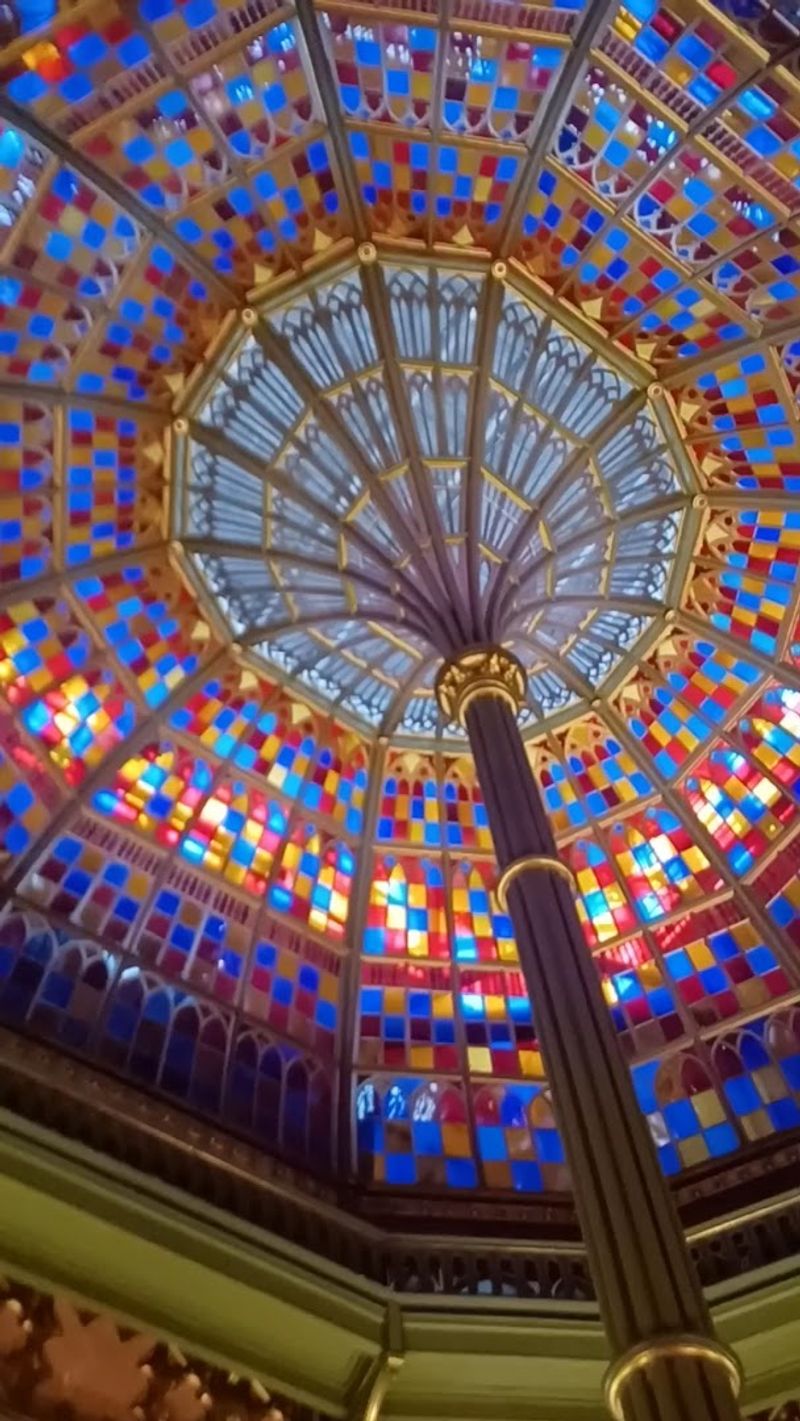
Maintaining the Old State Capitol’s ornate interiors and stained-glass dome requires ongoing conservation work that balances historical authenticity with modern preservation techniques.
Evidence of careful stewardship is visible in polished woodwork, stabilized masonry, and sensitive lighting upgrades that protect artifacts from damage.
Plaques and interpretive panels sometimes note restoration efforts, offering visitors insight into why certain finishes look new while others retain patina for authenticity.
Photographers and close observers should resist touching historic surfaces; many conservation projects depend on limiting contact. If you’re curious about preservation specifics, staff can often point to recent campaigns or public records that document how the building has been cared for over time.
Those records can reveal the hidden decisions behind every repair, from matching historic pigments to reinforcing fragile structural elements without altering their appearance. Understanding that process adds another layer to the visit and makes the building’s survival feel deliberately achieved.