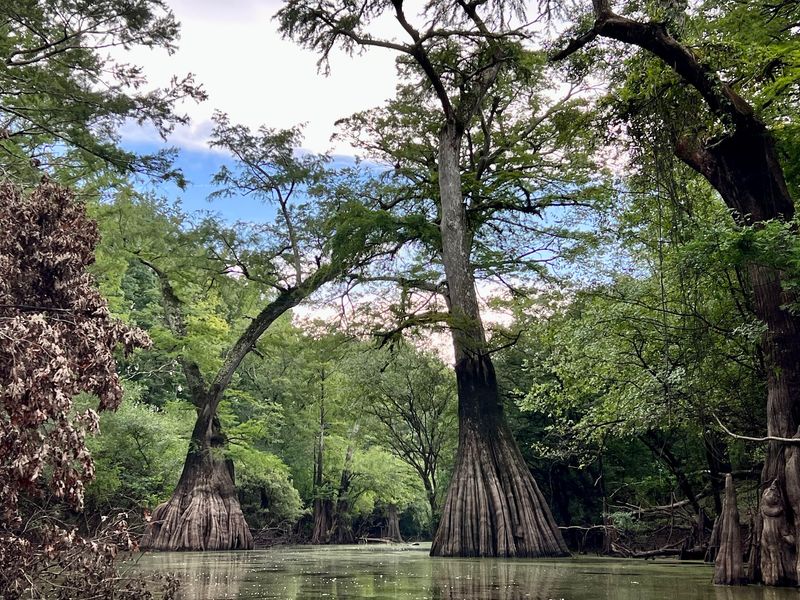
Cypress trees rooted in dark water. Their trunks flare at the base like buttresses on a cathedral.
Spanish moss hangs from every branch. The bayou reflects it all upside down until a turtle slides off a log and shatters the image.
Fall arrives quietly here. The heat drops just enough to make hiking comfortable. Canoe trips through swamp corridors feel cooler under the canopy. Dark-sky preserves reveal stars that city lights normally swallow.
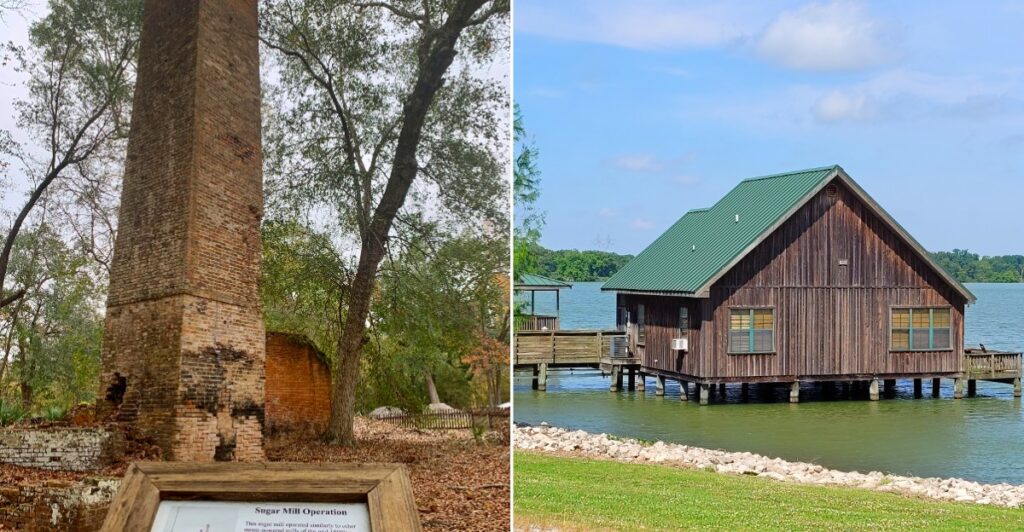
Brick ruins of a sugar mill from the eighteen hundreds crumble beside a lake where herons fish in the shallows. Each destination sits within a couple hours of the major cities.
Costs less than a tank of gas to reach.
Delivers the kind of afternoon that makes you wonder why you do not do this more often. Cypress-lined bayous, sugar mill ruins, plus dark-sky preserves fill Louisiana day trips that cost less than a hotel room.
12. Fontainebleau State Park
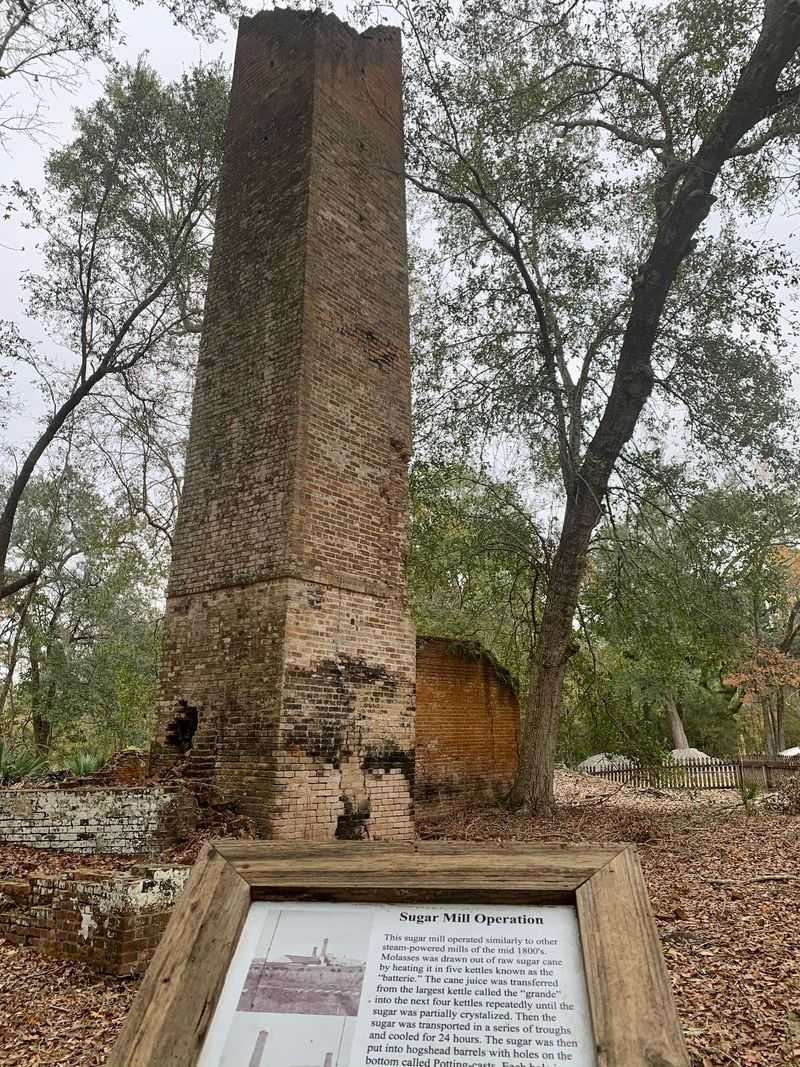
Few places balance ruin and beauty as neatly as Fontainebleau. One minute you are looking at the broken brick sugar mill from 1829, and the next you are watching light skip across Lake Pontchartrain like it has somewhere important to be.
The park covers 2,800 acres, so a cheap day here can still feel full. You can stroll the beach, bike a stretch near the Tammany Trace, or take easy nature trails through pine woods and marsh.
Bird life is a real bonus, especially in fall.
I like arriving early, when the shoreline feels quiet and the air is finally kind again. Pack a picnic, bring walking shoes, and leave time for the lakeside views.
They give the whole trip a calm, open feeling without costing much at all.
11. Fairview-Riverside State Park
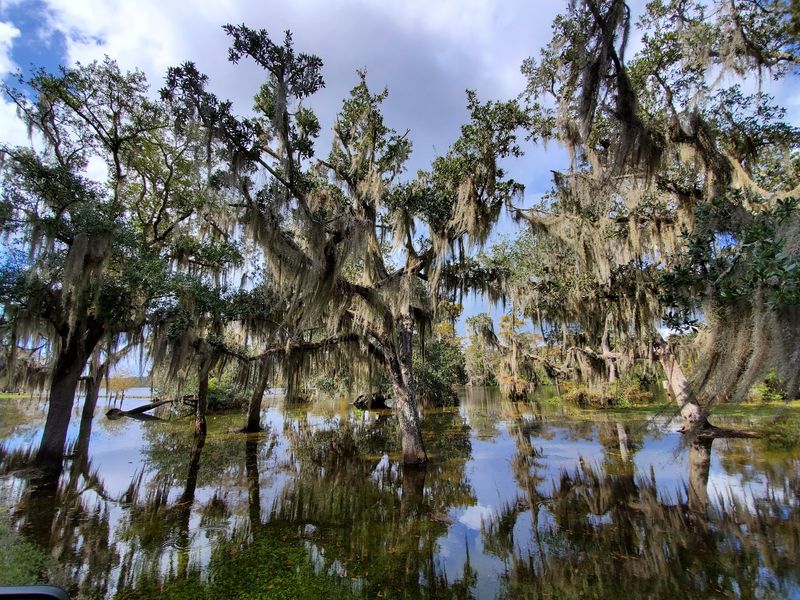
Spanish moss, still water, and a grand old house give Fairview-Riverside a slightly storybook mood. Set along the Tchefuncte River in Madisonville, this small park feels gentle in the best way, like a place that does not need to show off.
The river adds a slow rhythm to the visit, with boats passing quietly and reflections shifting beneath the trees.
The Otis House Museum, dating to 1885, is the big historical draw, and the grounds are just as appealing. A short nature trail and wetland boardwalk make it easy to stretch your legs without turning the day into a serious hike.
Fishing and crabbing are popular here too. Bring a camera or simply sit near the water for a while; this is the kind of park that rewards lingering.
Because the park is only 99 acres, it works well for families or anyone wanting a lighter outing. Fall weather helps a lot.
You can wander under old oaks, watch for wading birds, and still be back home before dinner with energy to spare.
10. Chemin-A-Haut State Park
Louisiana is not supposed to look this hilly, which is part of Chemin-A-Haut’s charm. Near Bastrop, the land rises into bluffs above Bayou Bartholomew, and in fall the hardwoods start showing colors that feel almost borrowed from another state.
From the higher ground, the bayou looks especially peaceful, with cypress trees and slow water stretching below the bluff.
The name means high road in French, and the setting earns it. Trails are manageable for a day visit, Big Slough Lake offers fishing, and the Civilian Conservation Corps buildings add a layer of history without turning the place stiff or museum-like.
The famous Castle Tree gives the park its oddball legend. Even a short walk can feel surprisingly scenic, especially when leaves crunch underfoot and the afternoon light catches the changing canopy.
Late October into November is an especially good window if you want cooler air and changing leaves. Bring snacks, wear shoes that can handle roots, and plan for a slower pace.
The views here reward anyone willing to linger a little.
9. Chicot State Park
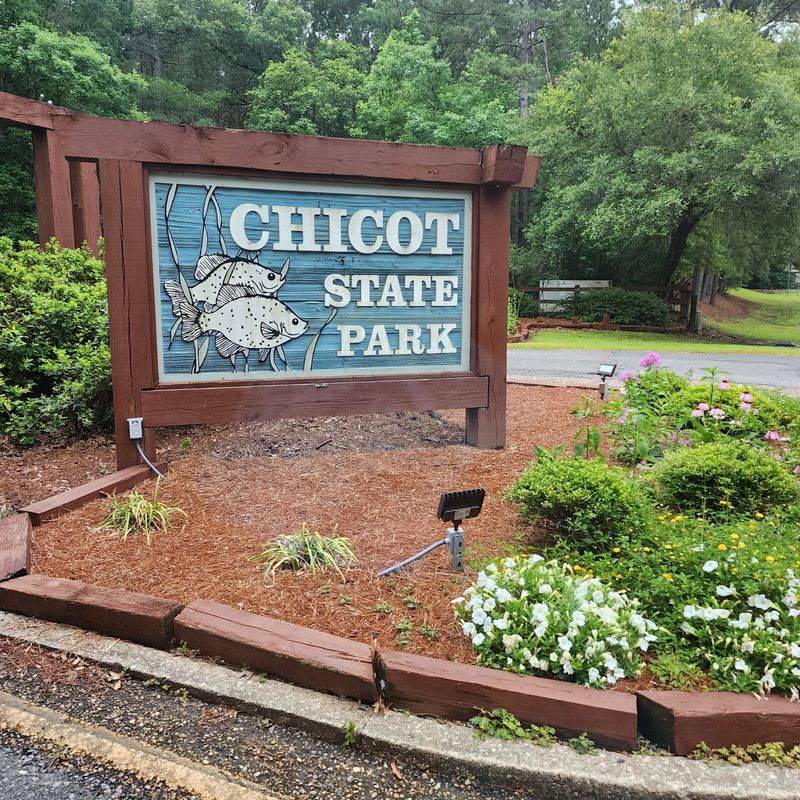
Chicot feels big in a satisfying, roam-around-all-day sort of way. As Louisiana’s largest state park, it spreads across rolling hills and forest around the 2,000-acre Lake Chicot, which gives the whole place a roomy, outdoorsy energy.
Morning light across the lake makes even an ordinary walk feel cinematic, especially when mist hangs low between the trees.
Anglers come for bass, crappie, bluegill, and red-ear sunfish, but you do not need a rod to enjoy it. The long trail around the lake is well known, and even shorter walks offer plenty of shade and water views.
In fall, the lower humidity makes movement much easier. If you stay later, sunset brings softer colors, quieter trails, and the kind of calm that makes packing up hard.
Families can keep costs down by sticking to simple pleasures here: a picnic, a short hike, maybe a little wildlife spotting from the shore. Because the park is so large, it helps to choose one zone before you arrive.
Otherwise, the day can disappear into cheerful indecision very quickly.
8. Louisiana State Arboretum
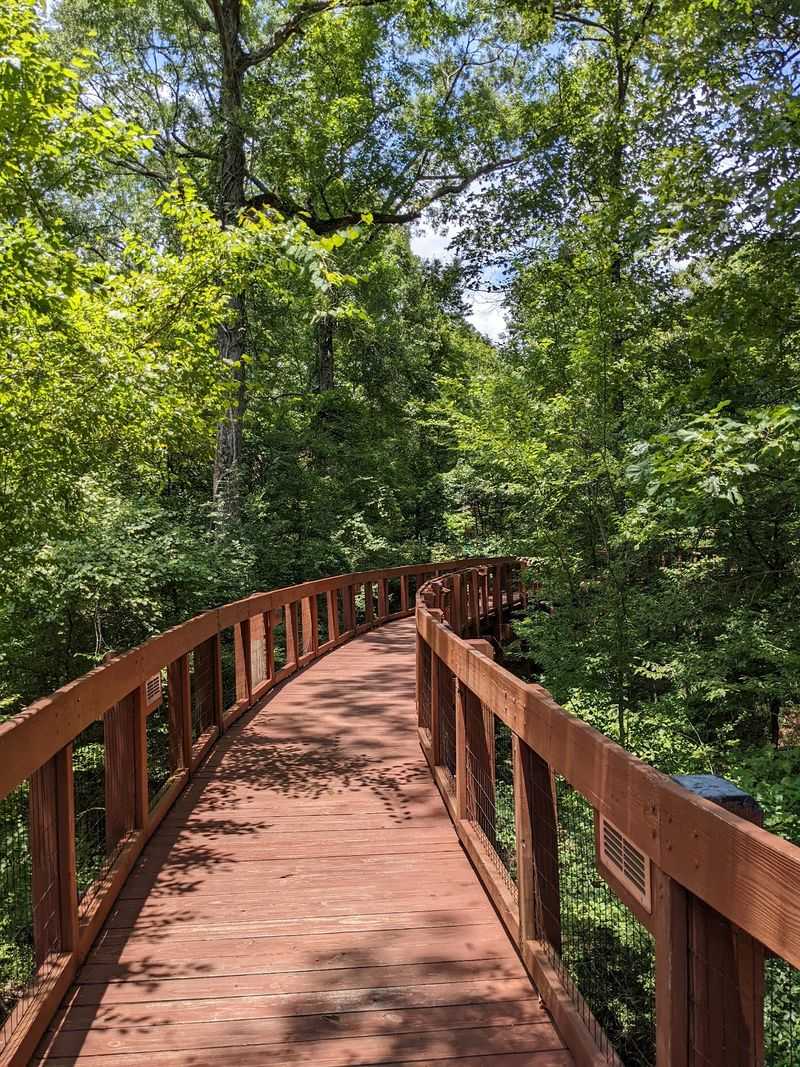
Some places ask you to rush around. The Louisiana State Arboretum asks you to notice things, which is harder and more rewarding.
Tucked inside Chicot State Park, it was established in 1961 and became the nation’s first state-supported arboretum.
More than five miles of trails pass through a rare mix of habitats, including bottomland hardwood forest, Cajun prairie, and pine savannah. That variety means every bend changes the mood a little.
Fall does not arrive here with loud fireworks, but with gold leaves, bright berries, and softer air.
I find it especially good for travelers who want nature without needing advanced outdoor skills. The paths invite slow walking, not heroic effort.
Bring water, use the visitor center for trail ideas, and keep your eyes open for deer, wild turkey, and small botanical details you would miss elsewhere.
7. Lake Fausse Pointe State Park
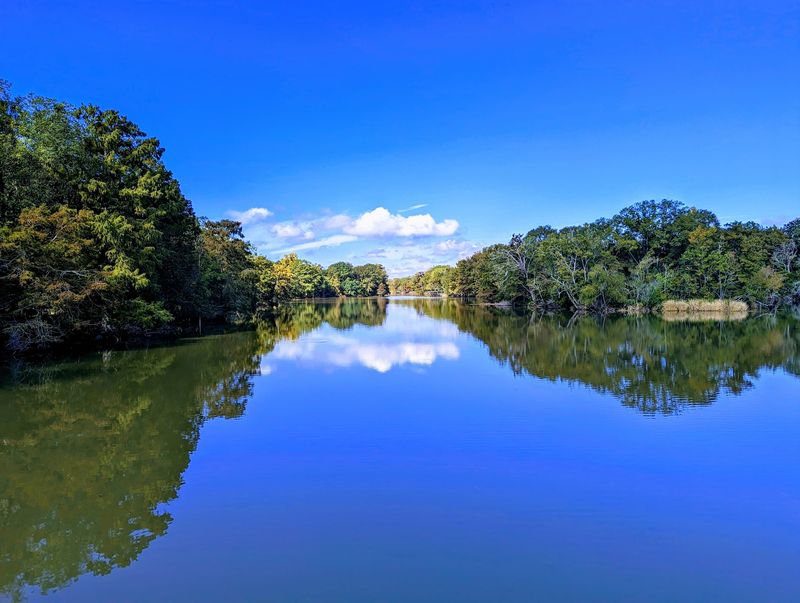
The Atchafalaya Basin has a way of making ordinary conversation stop. At Lake Fausse Pointe, cypress and tupelo trees rise from quiet water, and even a short visit can feel like stepping into a secret part of Louisiana.
This park sits deep in swamp country once used by the Chitimacha people, and its layout makes exploring fairly easy. You can sample hiking trails on land or follow the seven-mile canoe trail for a closer look at backwater scenery.
Fall is one of the smartest times to visit because the humidity finally loosens its grip.
If you are planning a budget day trip, a picnic and a walk already go a long way here. Paddlers should check conditions ahead of time.
Everyone else should just bring patience, because swamp landscapes reveal themselves slowly and reward calm attention.
6. Palmetto Island State Park
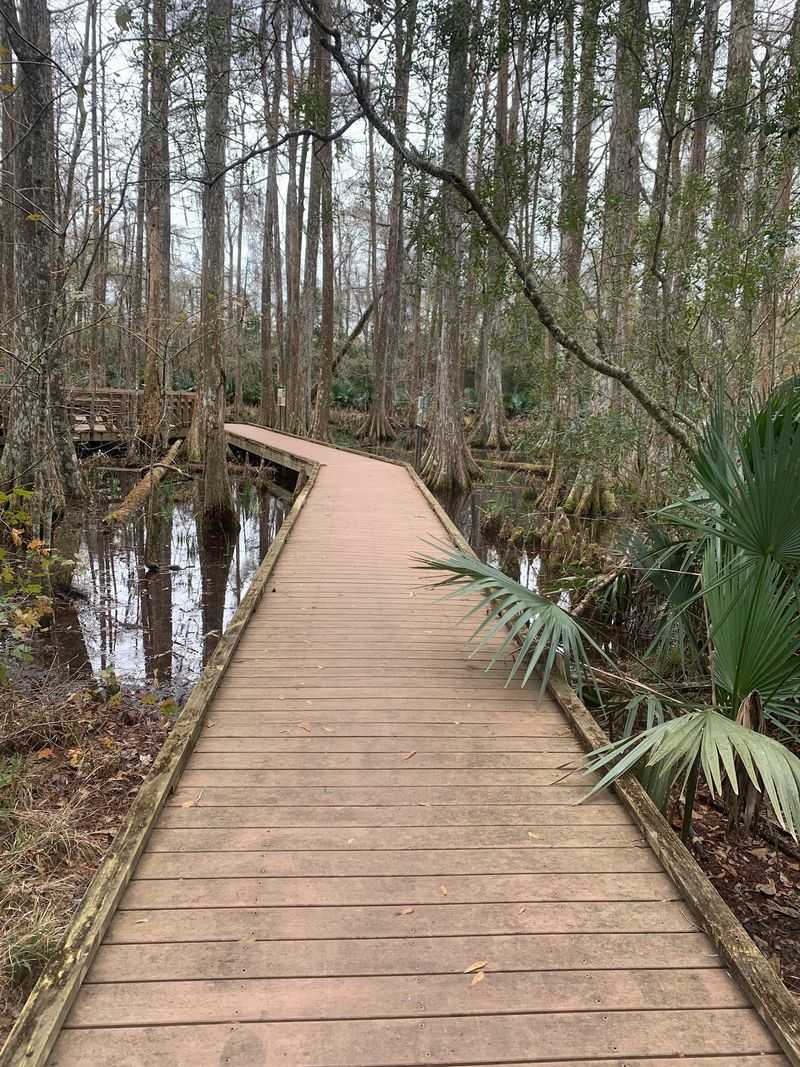
Dwarf palmettos give this park a slightly wild, almost tropical look, even in autumn. Palmetto Island State Park feels lush and layered, with bayous, hardwoods, and swamp scenery that shifts from green shade to warm fall color.
Opened in 2010, it is one of Louisiana’s newer state parks, but it already feels settled into the landscape. The Cypress Trail is an easy way to get your bearings, while paddling routes open up deeper views of the Vermilion River area.
Birders have good reason to pay attention during fall migration.
A day here does not require much spending to feel rich. Good shoes, bug spray, and a little curiosity cover most of the essentials.
Watch for wildlife, move slowly near the water, and keep an eye out for the rare Abbeville red iris in its native parish range.
5. Lake Bistineau State Park
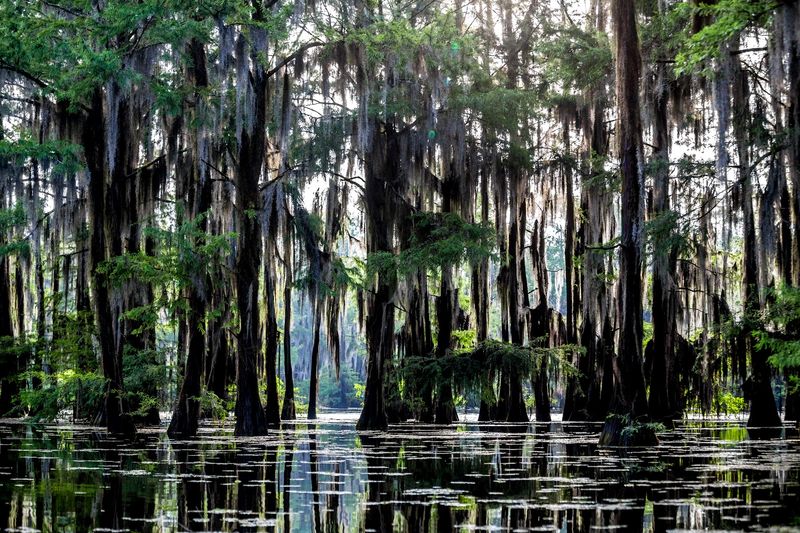
Spanish moss always looks a little theatrical, and Lake Bistineau wears it well. The park sits beside an old oxbow lake with cypress, tupelo, and mixed hardwood forest, so the scenery shifts between open water and shaded woodland very quickly.
The lake itself has a dramatic backstory. It formed after a massive Red River log jam caused flooding in the early 1800s, and today it is known for fishing and paddling.
Nearly ten miles of trails keep hikers busy, while the canoe trail shows off the swampier side of the landscape.
History lingers here in more ways than one, including the park’s place in Louisiana’s segregated past. For a low-cost fall outing, focus on the trails and shoreline views.
Cooler temperatures make the whole visit more comfortable, especially if you stay active through the afternoon.
4. Lake D’Arbonne State Park
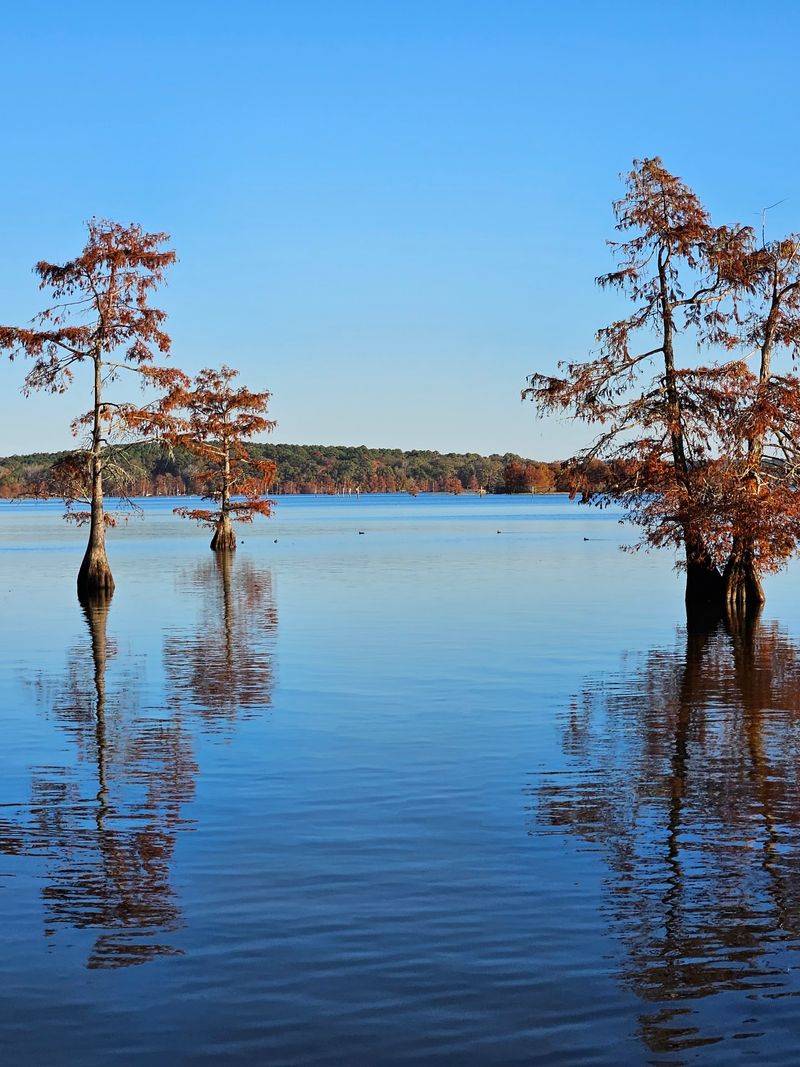
Coppery cypress needles are the show-offs at Lake D’Arbonne, and honestly, they earn it. In fall, the trees around the water turn warm shades of orange and russet, making this North Louisiana park feel especially photogenic without trying too hard.
The park covers 655 acres, but the big visual anchor is the 15,250-acre lake beside it. Fishing piers, boat docks, and nature trails give visitors several ways to shape a day, whether that means active hours or a slower wander.
Bald eagles and migratory birds also pass through, which adds a nice sense of seasonal timing.
I would recommend this one to anyone who likes a mix of easy logistics and real scenery. Bring binoculars if you have them, and aim for late October through mid-November.
That is when the cypress color usually makes the strongest impression.
3. Poverty Point Reservoir State Park
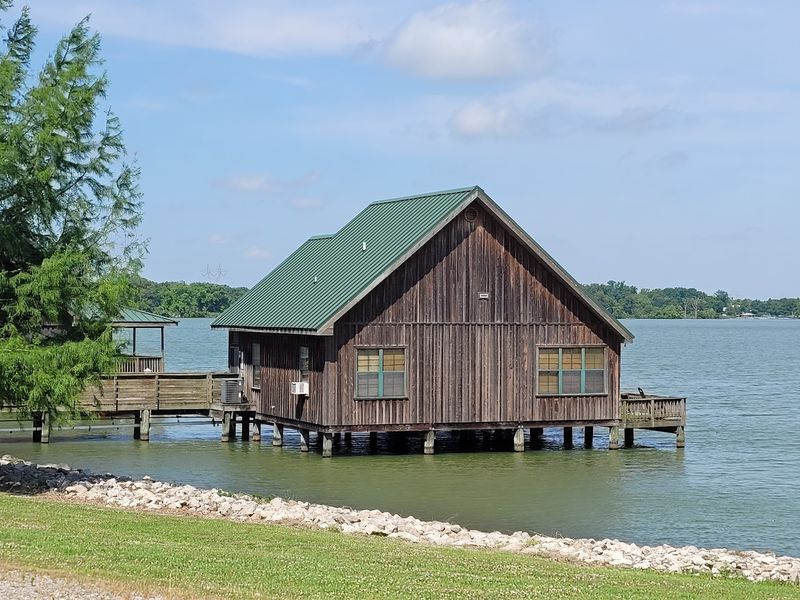
Big water and big sky give Poverty Point Reservoir a roomy, unhurried feel. The 2,700-acre lake is man-made, yet the setting feels natural enough that you quickly stop thinking about engineering and start watching birds or ripples.
Fishing is the obvious draw, with bass, crappie, bluegill, and channel catfish all popular here. But the park also benefits from its place in the Mississippi Flyway, so fall migration can add pelicans, ducks, geese, and cormorants to the day’s entertainment.
A nature trail along Bayou Macon offers another angle on the landscape.
This is also a smart pairing with the nearby Poverty Point World Heritage Site if you want history and outdoors in one trip. Keep snacks in the car, charge your phone for photos, and stay aware of posted wildlife guidance, including information related to Louisiana black bears.
2. Bogue Chitto State Park
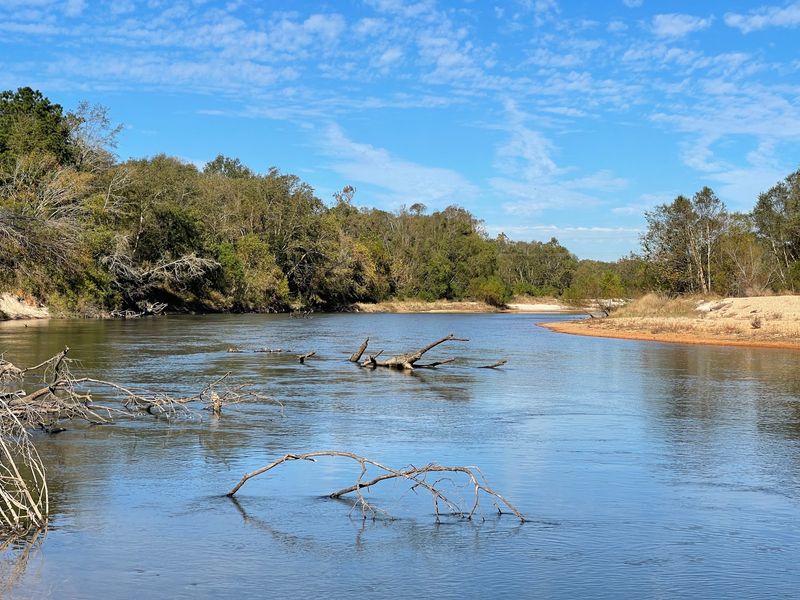
Bogue Chitto does not settle for one landscape when it can offer several. In a single visit, you can move from rolling hills to sandy river edges to swampy stretches, which keeps the park feeling lively and a little unpredictable.
The Bogue Chitto River is the main character here, popular for canoeing, kayaking, and tubing when conditions cooperate. On land, mountain biking trails, equestrian routes, fishing lakes, and boardwalk views near Fricke’s Cave create plenty of options for different kinds of travelers.
Fall adds cooler air and scattered leaf color without draining the place of energy.
Families who like active outings will find good value here because one entrance fee can cover hours of variety. Check trail maps before starting, especially if you want the cave area.
The park is large enough that a little planning saves time and tired legs.
1. Grand Isle State Park
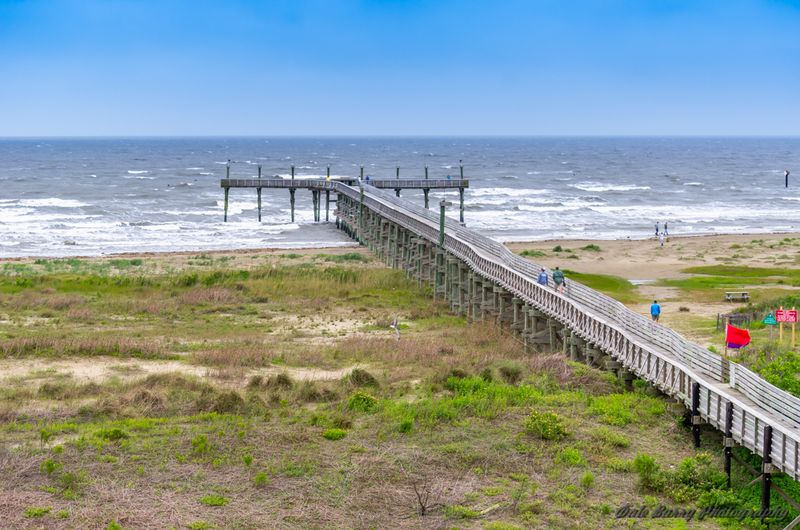
Grand Isle feels different the moment you arrive. The air tastes salty, the horizon opens wide, and in fall the island becomes one of Louisiana’s most remarkable bird stops as migrants reach land after crossing the Gulf.
You can spend the morning scanning the shoreline, then slow down beneath live oaks where birds gather to rest before continuing their journey.
Located on the state’s only inhabited barrier island, the park mixes beach time with serious nature value. Birders watch the cheniers for warblers, tanagers, grosbeaks, and other tired travelers, while anglers head for the long public fishing pier that reaches into the Gulf.
The observation tower is worth your time even if you only stay an hour. From above, the contrast between marsh, water, and shoreline makes the island’s fragile geography easier to appreciate.
For a budget-friendly coastal day trip, this one is hard to top. Pack sunscreen, water, and something to block the wind.
Beachcombing costs nothing, the scenery feels huge, and the seasonal bird activity can make an ordinary afternoon feel unexpectedly dramatic and memorable.