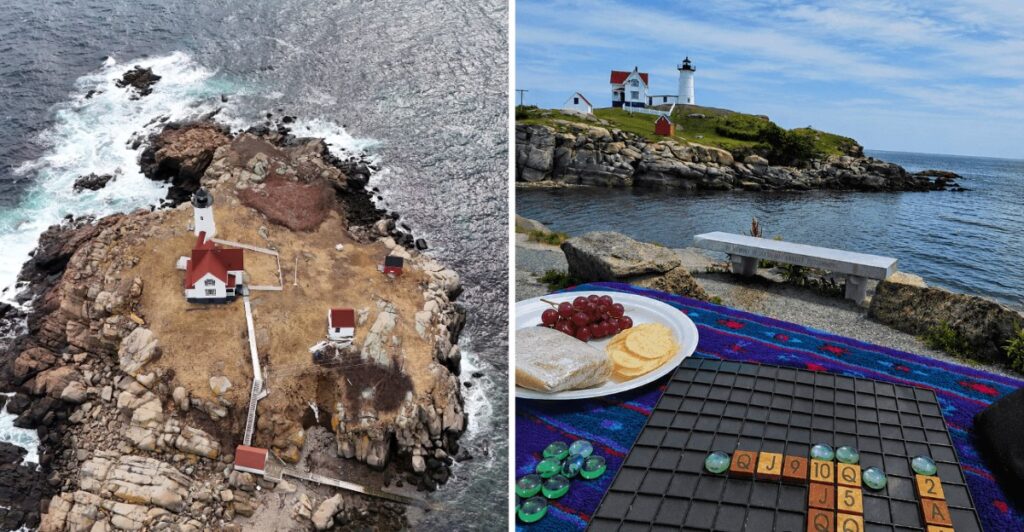
This lighthouse looks close enough to make you think, surely I can just walk over there.
Nope.
A narrow channel keeps the rocky island just out of reach, which somehow makes the view even better. You get the full scene from shore without needing a boat, a long hike, or a heroic staircase.
The tower has been guiding mariners since 1879, and it is still doing that job today.
Maine gives it a pretty convincing backdrop too. Granite shoreline, restless Atlantic, and weather that can change the mood of the whole view in minutes.
You cannot wander through the station during a normal visit, but that hardly feels like a dealbreaker.
Sometimes the best lighthouse view is the one that keeps a little distance.
Close enough to study.
Far enough to stay mysterious.
A Beacon That Has Glowed Since 1879
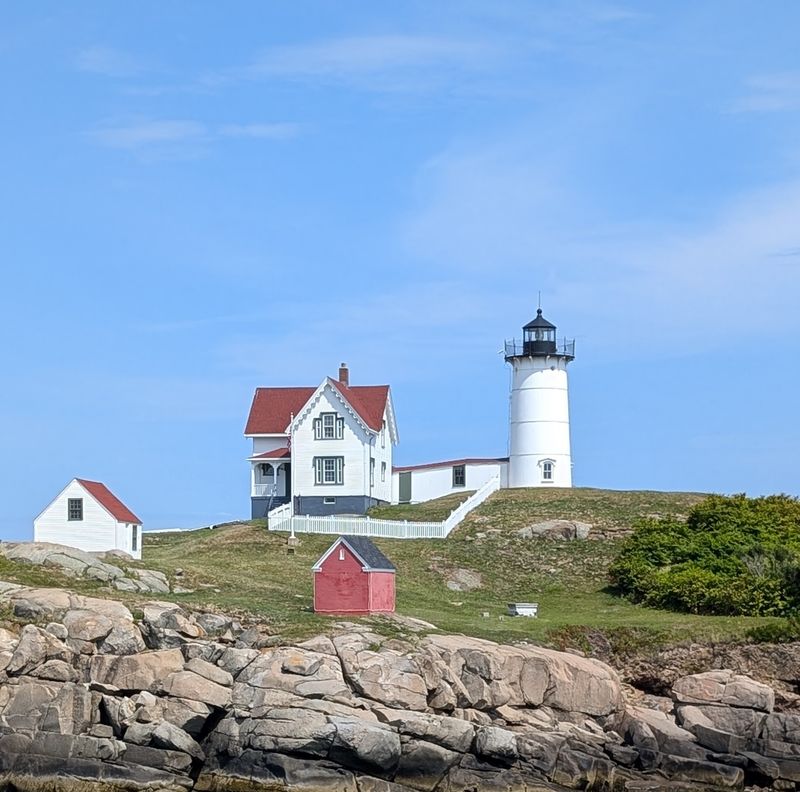
On July 1, 1879, the light at Cape Neddick began operating above the rocks off York. Its purpose was practical: helping mariners identify their position along a coast of headlands, islands, and sometimes difficult visibility.
The original station included a cast-iron tower lined with brick and a fourth-order Fresnel lens, designed to concentrate the light into a beam visible offshore. In those early decades, keeping the beacon operating took regular attention.
Keepers maintained the equipment, monitored conditions, and lived on the island rather than traveling back and forth to work each day.
The light station joined the National Register of Historic Places in 1985. By then, the tower and neighboring buildings had long been familiar features of the York shoreline.
The keeper’s house remains beside the tower, preserving the layout of a station that once served as both a workplace and a home.
Look across the channel from Sohier Park and you can distinguish the tower from its smaller companion buildings.
They show the equipment and living space a coastal light once required.
The lamp still has a job to do, even though its daily operation no longer depends on a resident keeper.
Only A Narrow Channel Stands Between You And The Island
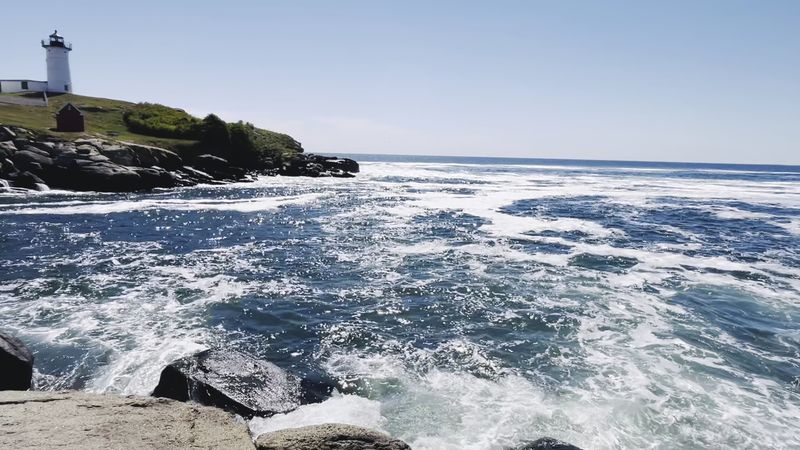
From the mainland, the island looks exceptionally close. A narrow strip of water separates the rocky outcrop from Cape Neddick, with the lighthouse above the channel. Depending on the tide, more or less of the surrounding rock may be visible.
That short distance can be misleading. The island and lighthouse aren’t open for ordinary public visits, and there is no public footbridge or regular visitor ferry. Special authorized visits have occasionally been arranged, but a normal trip means staying on the mainland.
Historically, getting people and provisions to the station required planning around the weather and water. A cable system was among the ways supplies could be moved across the channel, a practical solution for an isolated station.
You can see the island’s position clearly from the park without approaching the water’s edge. Choose a spot on established ground, then look at the gaps between the buildings and the surrounding rock.
At different tides, the channel changes appearance, but it should never be treated as a safe place to cross.
For a closer photograph, use a camera’s zoom instead of moving onto wet or wave-exposed stone. The lighthouse may look within reach, but the safer view is comfortably on shore.
The 41-Foot Tower That Steals Every Skyline
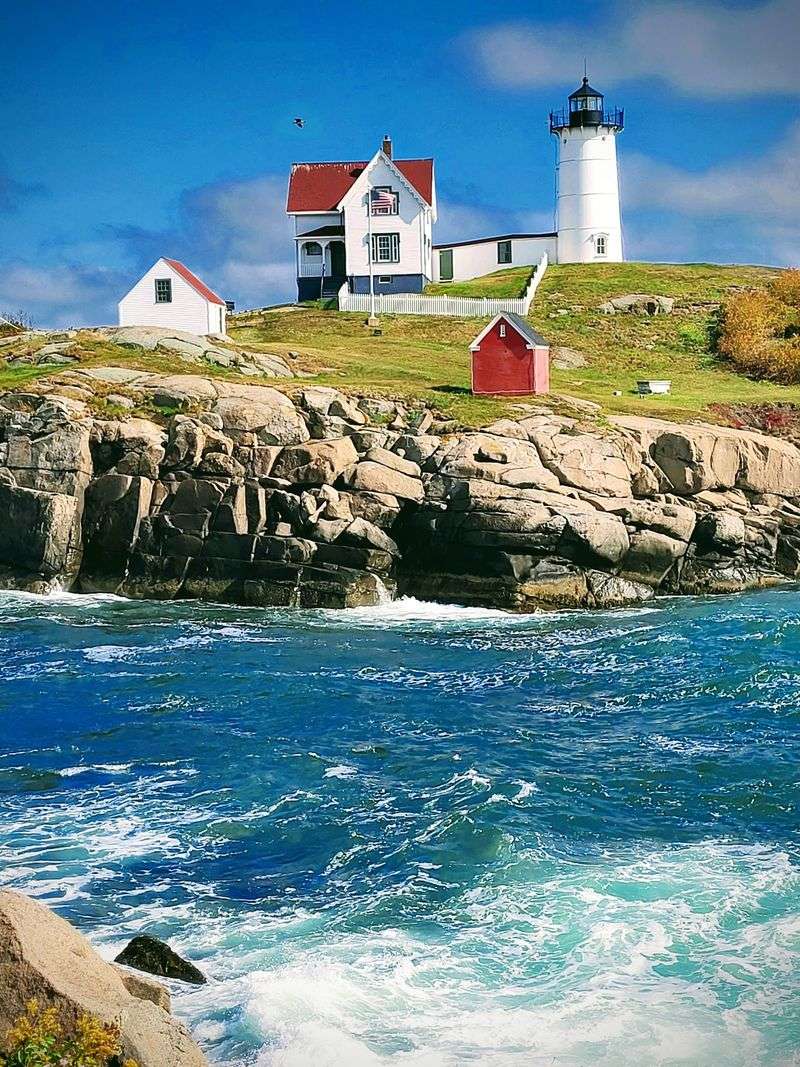
The lighthouse tower rises roughly 40 feet above its rocky base, with its light positioned approximately 88 feet above the water.
The difference comes from its elevated perch on the island’s granite. From Sohier Park, the white tower rises above the rock with a black lantern room at the top.
Its cylindrical structure is made from cast-iron plates with brick lining. The exterior has changed color during its history, but the familiar white-and-black combination makes the present tower easy to distinguish from the keeper’s house nearby.
Look for the curved wall of the tower and the narrow connection to the house. The tower’s proportions are relatively modest compared with some taller coastal beacons, yet the island’s height makes its light visible well above the surrounding water.
A gray sky can reduce the contrast between the sea and distant clouds, while sunshine brings out the difference between white paint, dark lantern, and reddish roof. Fog may partly obscure the island, especially when moist air moves across the coast.
If you’re taking pictures, try both a wider view that includes the entire island and a tighter frame centered on the tower. You can photograph them from land without approaching dangerous areas.
Front Row Seats Wait At Sohier Park
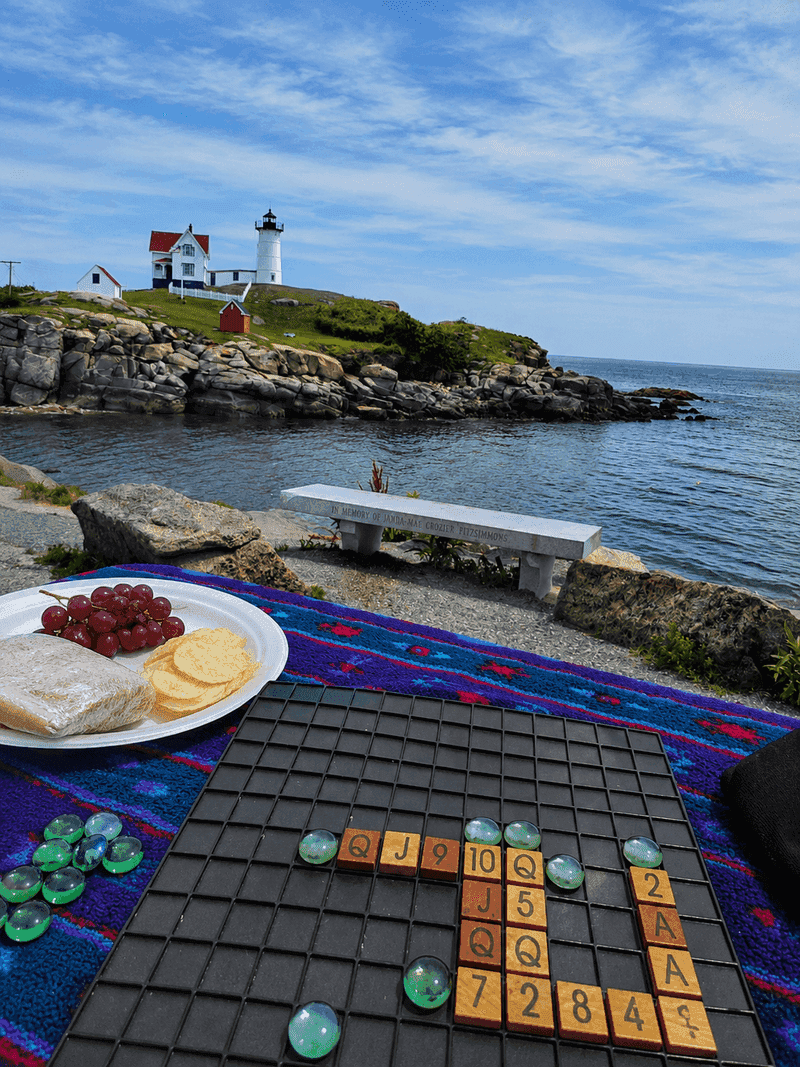
Sohier Park sits at the tip of Cape Neddick, directly across the channel from the lighthouse. Its public viewing areas provide a convenient place to see the station, with granite benches and open space overlooking the water.
Parking at the park is free, although spaces can be in demand during popular visiting periods. The park can be visited throughout the year, while amenities operate on seasonal schedules.
Public restrooms are generally available during the warmer part of the year, and a seasonal gift shop is part of the welcome center.
You don’t need an elaborate itinerary here. Walk to a safe viewing spot, compare the lighthouse from a couple of angles, and watch how the water moves around the island. A short stop may suit a busy day.
A longer one leaves more time for photography and a picnic on the designated grassy areas.
Coastal rocks can become slippery from spray, rain, or algae, and unexpected waves are a concern close to the water.
Stay on secure ground rather than climbing down for a closer look. If you’re visiting with children, set clear boundaries before they head toward the shoreline.
Bring a light layer even when the weather inland is warm. Wind coming off the Atlantic can make a sunny stop feel cooler than expected.
A Red-Roofed Keeper’s House Full Of Old-Time Charm
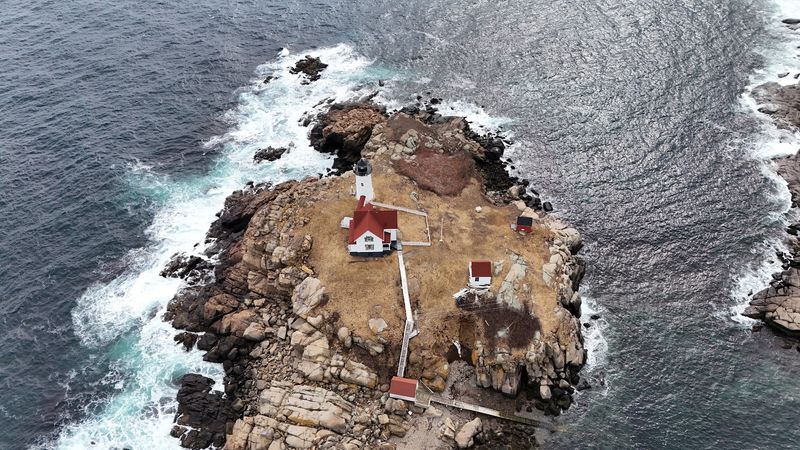
Beside the lighthouse stands the keeper’s house, with white walls and a red roof that add a second splash of color to the rocky island.
The building was part of the original nineteenth-century station and provided living quarters for the people responsible for maintaining the light.
Life at an island station involved more than checking the lamp. Supplies had to reach the island, equipment needed upkeep, and changing weather influenced everyday routines. The keeper’s house and other small service structures supported that work through the seasons.
The house is connected to the tower by a short covered passage, which is visible in some views from the mainland. Nearby buildings have served additional practical purposes, from storing materials to supporting work around the shore.
The station stopped being a full-time keeper’s residence after the light was automated in 1987. The house remains part of the historic scene, even though visitors normally admire it from across the channel rather than stepping inside.
During the winter holiday season, the lighthouse station has traditionally been decorated with lights.
Those displays depend on the year’s arrangements, so check local schedules if you’d like to see a seasonal illumination.
The red roof and white walls, however, are visible throughout the year whenever weather allows a clear view.
Waves And Granite Make Every Photo Pop
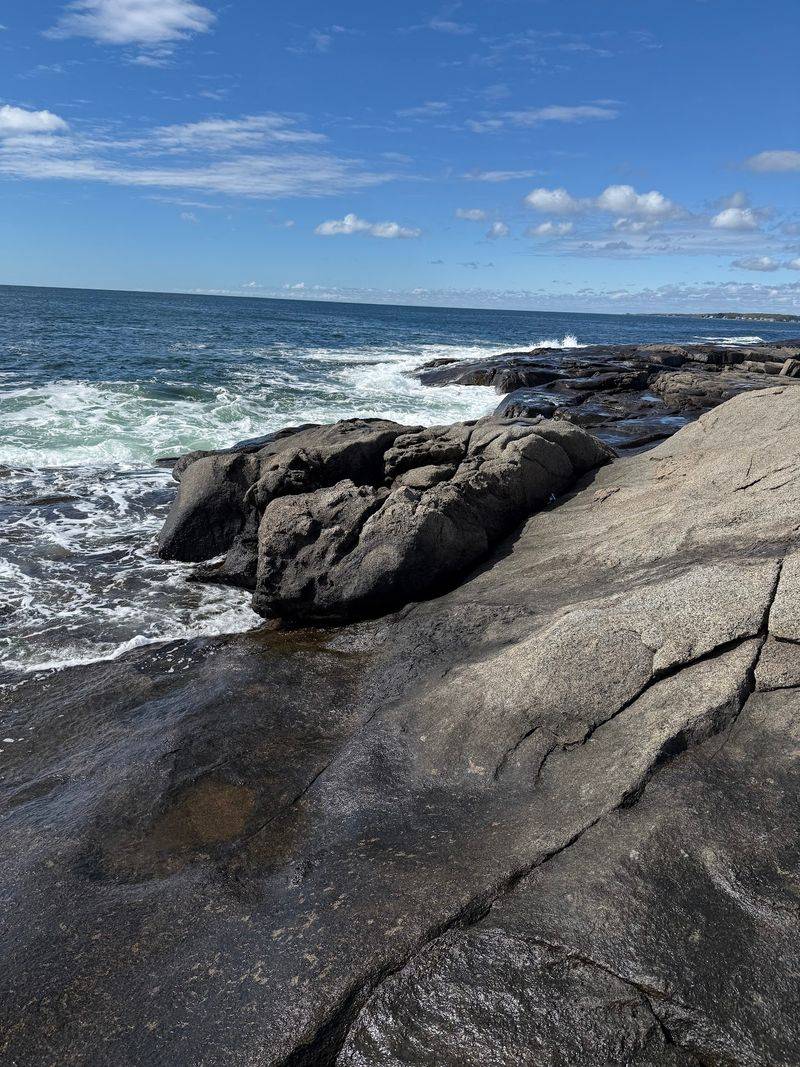
Granite ledges, moving water, and the small island give photographers plenty to work with. From Sohier Park, you can frame the lighthouse against the ocean or include sections of the mainland rocks to show the short distance across the channel.
The water won’t look the same every day. Calm conditions reveal more detail around the rocks, while wind can send waves and spray along the exposed shore. Clouds alter the light on the white tower, sometimes making its dark lantern and red roof stand out more clearly.
If you’re using a phone, tap the lighthouse to set focus and adjust the exposure so its white surface retains detail.
A wider image captures the shoreline and sky; a closer crop highlights the tower and house together.
Keep your footing in mind while choosing an angle, particularly when the rock is wet.
Morning and late-day light can each produce different shadows, but neither guarantees a particular photograph. Fog or rain may limit visibility, so let the day’s conditions guide what you shoot instead of approaching an unsafe edge.
For the public viewing area, navigate to Sohier Park at 11 Sohier Park Road, York Beach, ME 03910. The address leads to the mainland park, not to the lighthouse island.
Still On Duty Along Maine’s Southern Coast
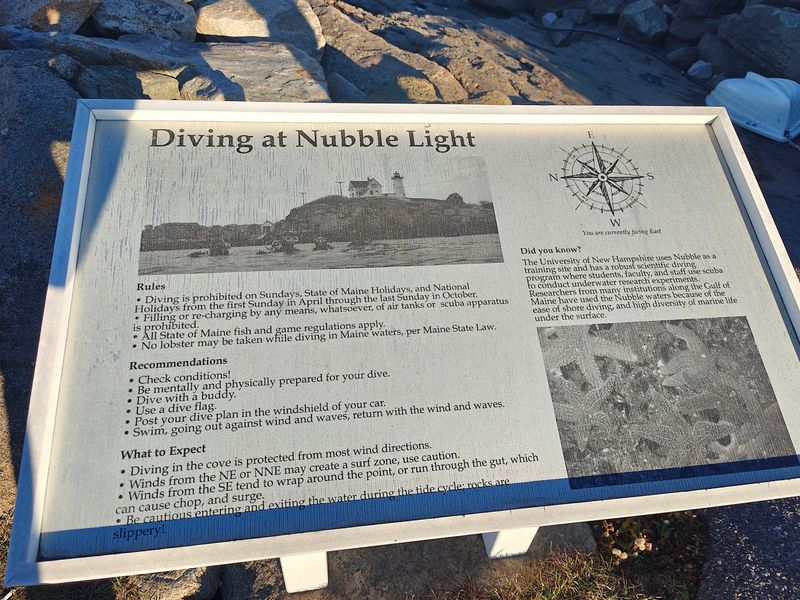
Nubble Lighthouse is more than a preserved coastal landmark. It remains an active aid to navigation, continuing the work that began when its light first shone in 1879. In 1987, automation replaced the need for a keeper to operate the beacon on a daily basis.
The light shows red, alternating between illuminated and dark intervals. After sunset, you may be able to pick out that rhythm from a safe location in the park, provided visibility is good and the light can be seen from your position.
Boaters still use a range of navigational equipment and aids along Maine’s shore, and the Cape Neddick light remains part of that coastal network. Its function isn’t dependent on the number of people taking pictures from the mainland.
If an evening stop appeals to you, remember that parking at Sohier Park is restricted during overnight hours. Check current posted rules and leave your vehicle in an authorized space.
A flashlight can be useful for finding your way back across the park after dusk, but avoid shining bright lights toward other visitors or the water.
Before leaving, take in the whole scene once more: the white tower, keeper’s house, narrow channel, and rocky Atlantic shore. It is a compact stretch of Maine coastline with plenty of history visible from dry land.