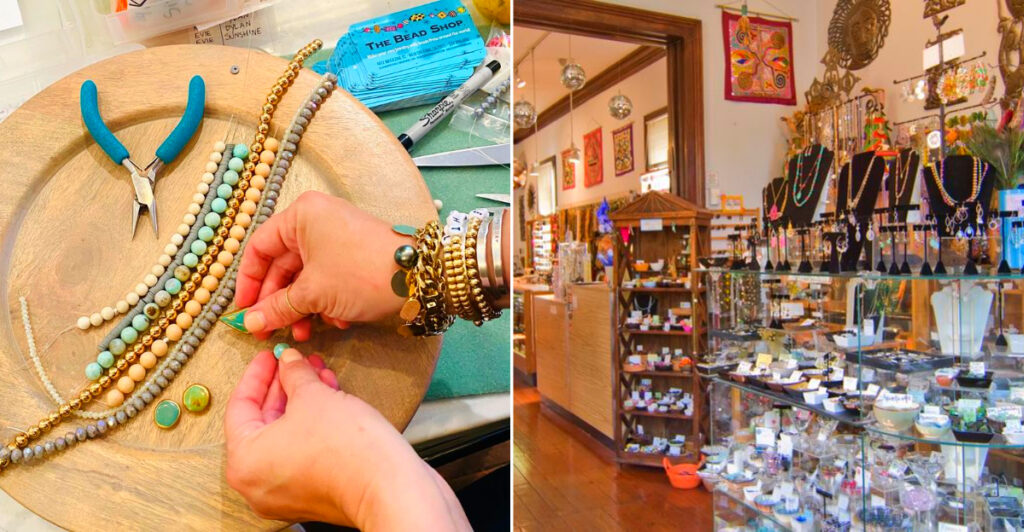
Something about the way the beads catch the light through the front window makes you slow down before you even reach the door.
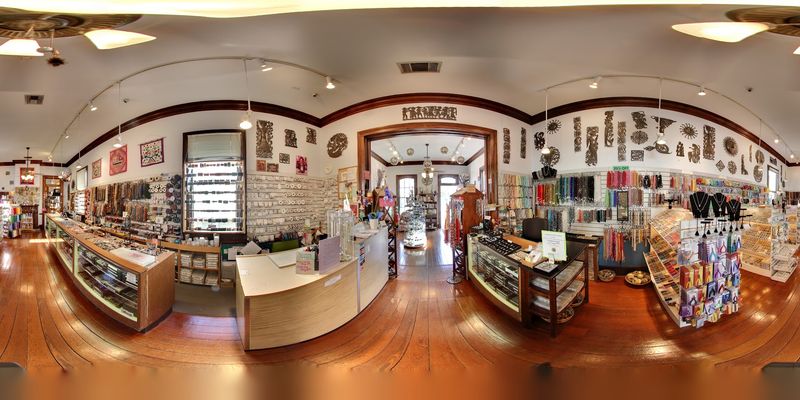
Inside, a cheerful, packed-to-the-ceilings kind of place has been filling trays and stringing necklaces for decades, where beginners and experienced jewelry makers browse side by side in the narrow aisles.
The charm bar alone takes up an entire wall of vibrant color, and the weekly class schedule runs steadily through the week covering everything from basic stringing to advanced metalwork techniques.
Jewelry repair services keep the regulars coming back with broken clasps and favorite pieces that need a second chance, while private events and group classes turn a casual hobby into something genuinely social and deeply creative.
Decades of change have not dimmed the sparkle at this Louisiana bead shop, where a well-stocked supply keeps jewelry makers dreaming and returning for more.
History Woven In
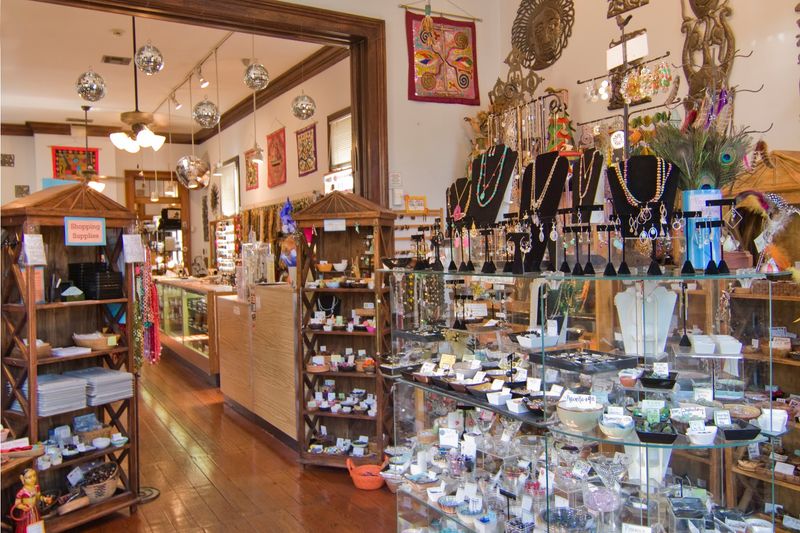
A place like this feels personal because it is built around craft habits that have lasted longer than most shopping trends. The Bead Shop does not have the sterile feeling of a big-box craft aisle.
It feels collected, layered, and shaped by years of people coming in with broken necklaces, half-formed ideas, sentimental charms, and projects they were not sure how to finish.
That history shows in the way the shop handles materials. Beads are not treated as anonymous little objects.
They are organized as color, texture, origin, finish, and possibility. Vintage pieces sit beside newer strands, and the mix gives the space a sense of continuity.
Someone might be replacing a clasp from an old family necklace while another shopper is building a bracelet from scratch.
The charm of the shop comes from that overlap. It is part retail space, part workroom, part local creative archive.
Every drawer suggests a previous project, and every tray seems to invite the next one.
Magazine Street Threads The Needle
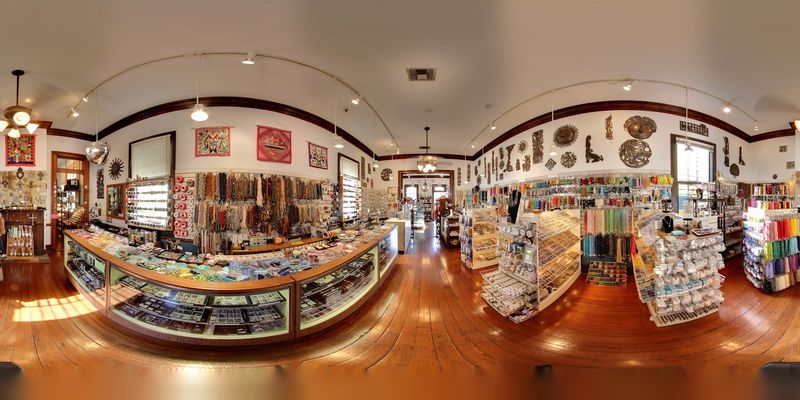
Finding the shop is part of the pleasure because Magazine Street already puts you in the mood to wander. The Bead Shop is located at 4612 Magazine Street in New Orleans, Louisiana, along the Uptown shopping corridor between Napoleon and Jefferson avenues.
The surrounding blocks are full of cafés, boutiques, galleries, and small storefronts, so the trip can easily become more than one errand.
The final approach is simple but slow. Magazine Street is busy in a neighborhood way, with narrow lanes, pedestrians, parked cars, and plenty of reasons for traffic to pause.
Look for the shop at street level rather than expecting a giant sign or freestanding suburban storefront. It fits into the rhythm of the block, which is part of why it feels like a discovery.
Parking is usually a matter of finding a legal curb space nearby and walking back. Check signs carefully, especially on residential side streets.
Once you step inside, the outside noise drops away quickly, and the focus shifts from traffic to color, texture, and tiny decisions.
The Charm Bar Experience
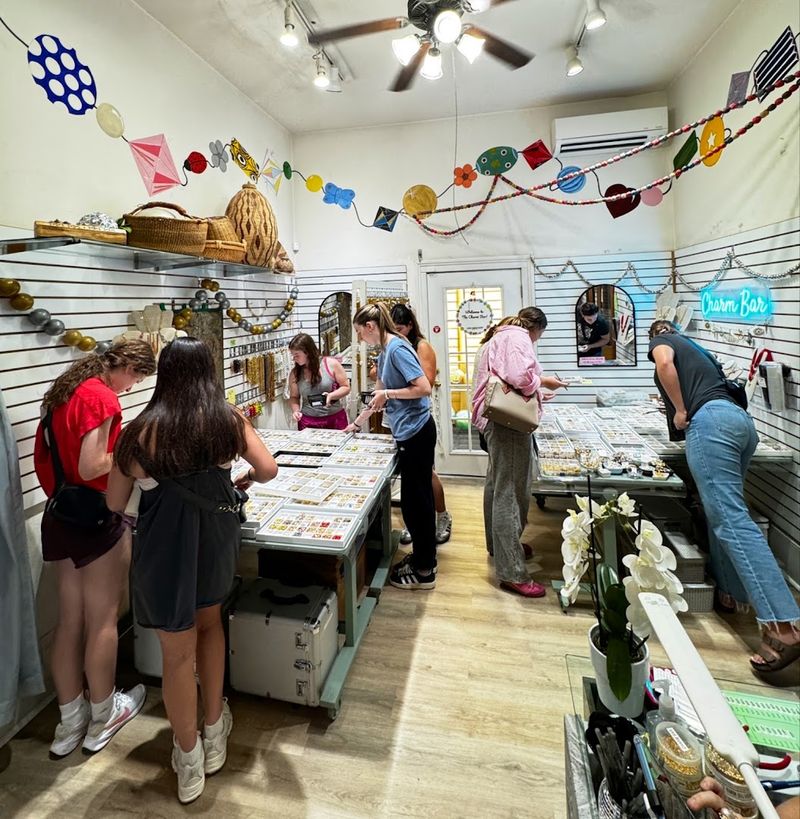
The charm bar is where small objects start behaving like autobiography. Instead of buying a finished souvenir that says nothing specific about you, you can choose symbols, initials, colors, animals, lucky tokens, hearts, stars, shells, or odd little pieces that feel tied to a person, trip, inside joke, or memory.
That is what makes this part of the shop so addictive. One charm might be pretty, but three charms together suddenly become a story.
A necklace can lean delicate, funny, sentimental, witchy, coastal, romantic, or completely chaotic depending on what you add. The bar invites experimentation because the pieces are small enough to move around until the combination clicks.
It is also a good entry point for visitors who do not think of themselves as jewelry makers. You do not need to understand every tool or technique to start choosing charms. The staff can help translate a pile of favorites into something wearable.
Local Craft Connections
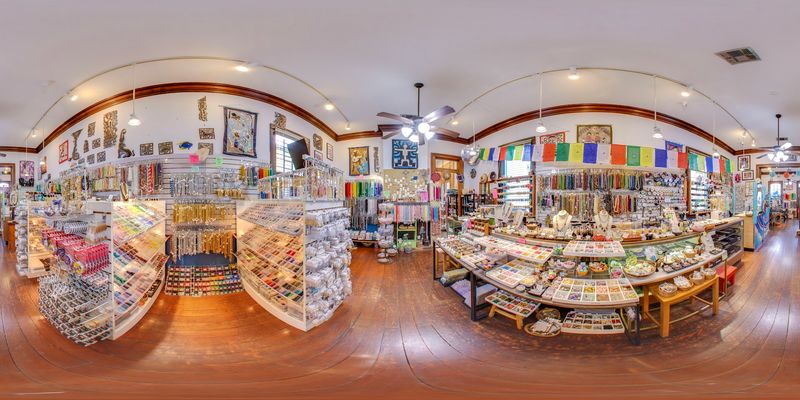
The shop feels connected to New Orleans because handmade adornment belongs naturally in a city that loves costume, ritual, color, and personal style. Jewelry here is not just about looking polished.
It can be festive, protective, sentimental, theatrical, or proudly strange, and The Bead Shop gives makers the raw material to build all of those moods.
Local craft culture shows up in the way customers use the space. Someone may be creating earrings for a festival weekend.
Another person might be repairing a strand before a family gathering. A visitor may want a piece that quietly remembers the city without turning into a tourist cliché.
The inventory supports that range because it includes both everyday materials and more distinctive finds.
Magazine Street also helps. The neighborhood encourages slow browsing and creative detours, so stopping here can feel like part of a larger handmade circuit through Uptown.
A Creative Workshop Space
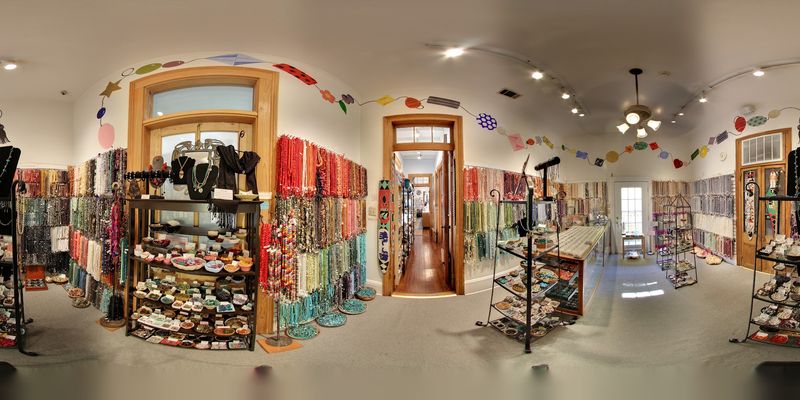
A workshop area changes the entire meaning of a bead shop because it tells visitors they do not have to finish the idea alone. The space gives people room to sit, test combinations, learn techniques, and move from shopping into making.
That shift matters, especially for beginners who can picture a necklace but do not yet know how to build it securely.
Classes and hands-on sessions make the shop more welcoming because they lower the intimidation factor. Beading can look simple from the outside, but anyone who has fought with a clasp, a crimp bead, or uneven spacing knows technique matters.
Having guidance nearby saves time and prevents the kind of frustration that sends a half-finished project into a drawer for six months.
The workshop energy also makes the visit feel social without being noisy. People can compare colors, ask questions, watch a demonstration, or quietly focus on their own piece.
Guided Selections And Repairs
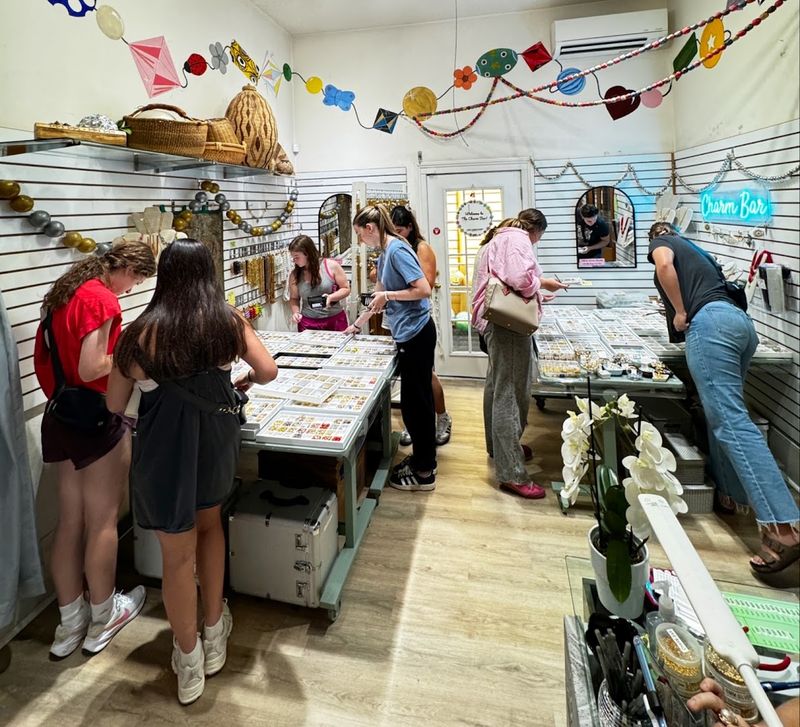
Good advice is especially valuable in a shop with this many tiny choices. A wall of beads can look beautiful and still feel overwhelming if you do not know what size, weight, wire, clasp, or cord fits your project.
Staff guidance helps turn the inventory into a usable plan instead of a glittering blur.
That guidance is useful for new projects, but it becomes even more important with repairs. A broken necklace often carries sentimental value, which means the fix is not just technical.
Matching a clasp, restringing pearls, replacing beads, or preserving the look of an older piece requires patience and a careful eye. A repair consultation can help determine whether a piece needs a simple adjustment or more detailed work.
The best habit is to bring the item, explain how you wear it, and be honest about what matters most: durability, matching the original style, keeping the cost reasonable, or preserving every old component possible.
The Ever-Changing Inventory
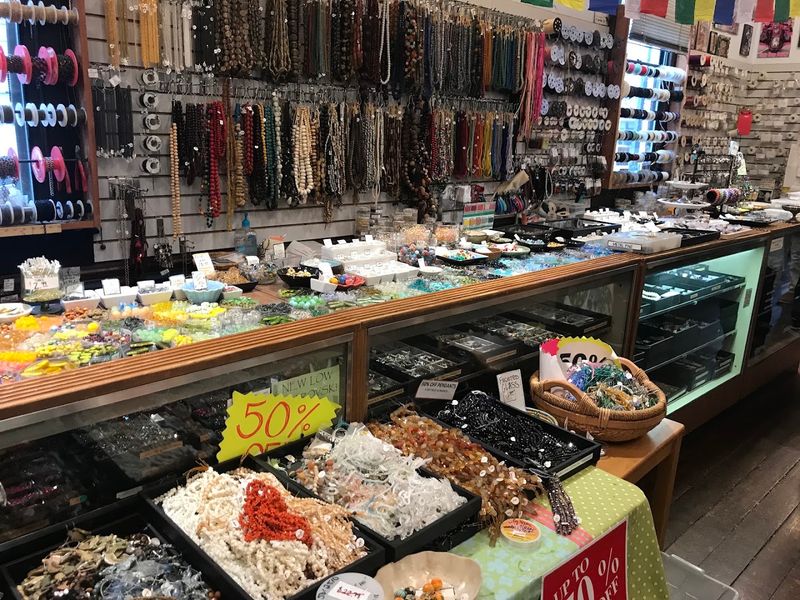
Part of the fun is knowing the shop will not look exactly the same every time. Bead inventory naturally shifts because colors, stones, charms, vintage finds, seasonal materials, and specialty pieces come and go.
That movement gives the store a treasure-hunt feeling, especially for people who like to build projects around one unusual discovery.
This is why slow browsing matters. The obvious strands may catch your eye first, but the best find might be tucked into a drawer, resting in a tray, or sitting in a case you almost skipped.
Semi-precious stones, glass beads, metal findings, pearls, charms, cords, chains, and accent pieces all create different design directions. One unexpected color can change the entire plan.
The changing inventory also rewards repeat visits. A shopper who came in for black beads in winter might return months later and find tropical colors, festival-ready charms, or stones that suit a completely different mood.
Planning Your Visit
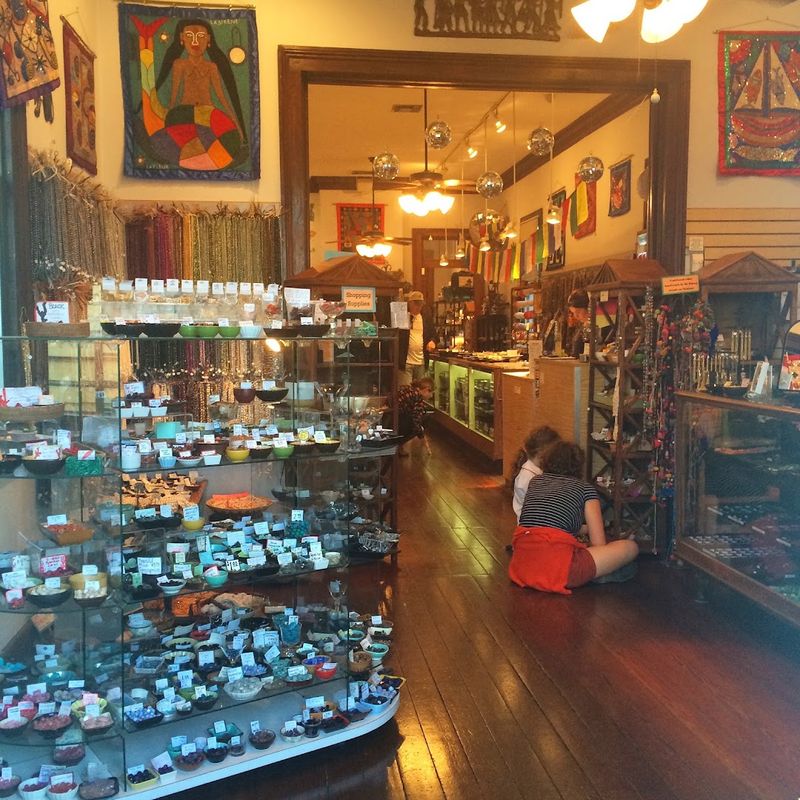
The easiest way to enjoy the shop is to arrive with a little structure and plenty of flexibility. A basic plan helps: know whether you want earrings, a necklace, a bracelet, a repair, a charm piece, or just inspiration.
Measurements, reference photos, broken jewelry, color swatches, and even a picture of an outfit can make staff advice more precise.
At the same time, too much certainty can make you miss the best part. A bead shop is built for discovery, and one tray can change the project.
Give yourself time to browse before committing. If you are working on something detailed or need help in the stringing room, call ahead or check availability before assuming someone can assist immediately.
Magazine Street can get busy, so weekday visits or earlier hours may feel calmer. Bring patience for parking, and do not schedule the stop between two tight appointments.
Guide And Host Detail
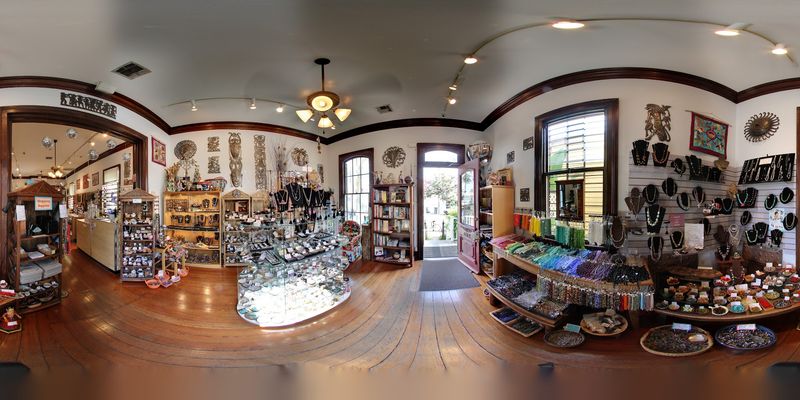
The staff’s role is part host, part translator. A customer might walk in saying, “I want something blue, but not too beachy,” or “I need this necklace to feel less formal,” and a good bead-shop guide can turn that vague feeling into materials.
That kind of help is more useful than a simple sales pitch because jewelry making often begins with mood before technique.
A strong guide can point out which beads are too heavy for earrings, which clasps are easier for daily wear, which metals work better with a design, and which colors will disappear once they are strung together. Those practical details can save a project.
Beautiful beads do not automatically make a good piece if the proportions, hardware, and wearability are wrong.
The best thing visitors can do is ask direct questions. Explain your skill level, your budget, and how you plan to wear the piece. Staff can usually help narrow the field without taking over the design.
Seasonal Quirks And Traditions
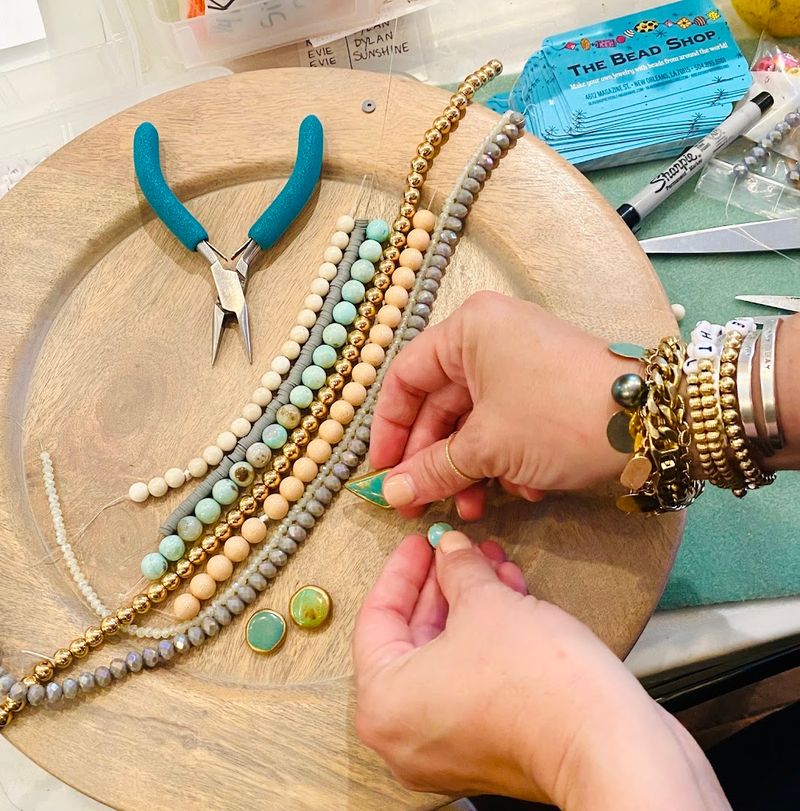
In New Orleans, seasonal style matters, and a bead shop naturally reflects that rhythm. Mardi Gras, festival season, summer weddings, holiday gifting, costume events, and local celebrations all create different reasons to make jewelry.
The same shop that helps someone repair pearls may also help someone build purple, green, and gold earrings for Carnival.
That seasonal energy makes the inventory feel more alive. Bright colors may suddenly seem more tempting before parade season.
Metallics, charms, and playful accents can make sense when the city’s calendar turns festive. Around gift-heavy seasons, smaller handmade pieces become useful because they feel personal without requiring a massive project.
The trick is to shop early if you have a specific event in mind. Waiting until the last minute can limit your choices, especially if you need staff help or want multiple matching pieces. Seasonal projects are more fun when there is time to experiment.
Detail Spotlight
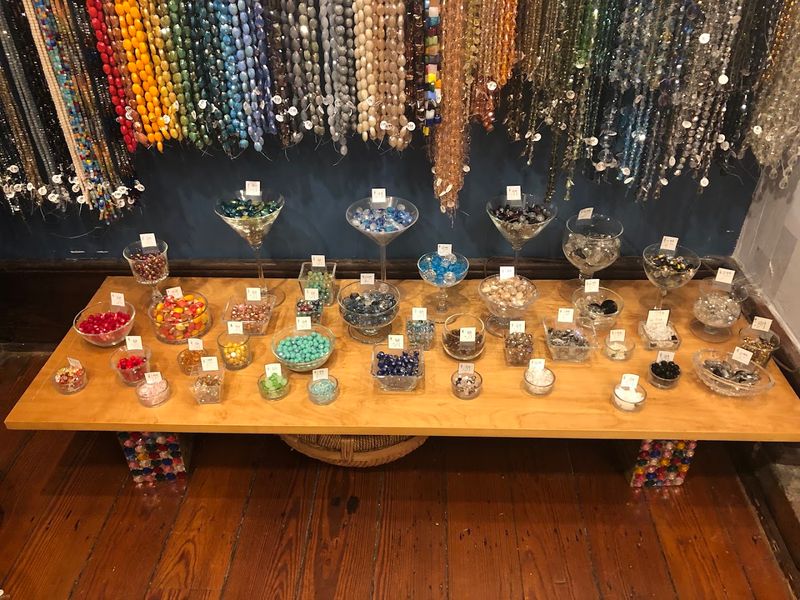
Tiny details are the whole point here, and the best ones often reveal themselves only after you slow down. A bead may look plain in a tray but glow once it is next to the right metal.
A charm may seem too strange until it becomes the one piece that gives a necklace personality. A clasp can feel like a technical afterthought, then end up changing how finished the whole design looks.
This is why touching, comparing, and arranging materials matters. Jewelry design happens in relationships: bead to bead, charm to chain, stone to skin tone, color to outfit, weight to comfort.
The shop gives you enough variety to test those relationships in real time. That is much more satisfying than ordering supplies online and hoping the scale looks right when they arrive.
Look closely at finishes, not just colors. Matte beads feel different from glossy ones. Faceted stones catch light differently from smooth rounds. Vintage pieces bring irregularity that can make a design feel more human.
Technique Preservation And Visitor Habit
The most valuable habit is to respect the technique, not just the pretty materials. Stringing, knotting, crimping, clasp selection, wire wrapping, bead spacing, and repair work all affect how long a piece lasts.
A necklace that looks finished for one afternoon may fail quickly if the wrong cord, wire, or closure is used. The shop helps preserve those practical skills by keeping tools, instruction, and repair knowledge close to the materials.
Visitors get more out of the experience when they treat it as learning, not only shopping. Ask why one finding works better than another.
Watch how staff handle a repair. Notice how pearls are knotted, how heavier stones need support, and how a bracelet should be measured for real movement on the wrist. Those details make future projects better.
This is also why patience matters. Good handmade jewelry is not only a pile of beautiful parts.
It is a sequence of decisions.