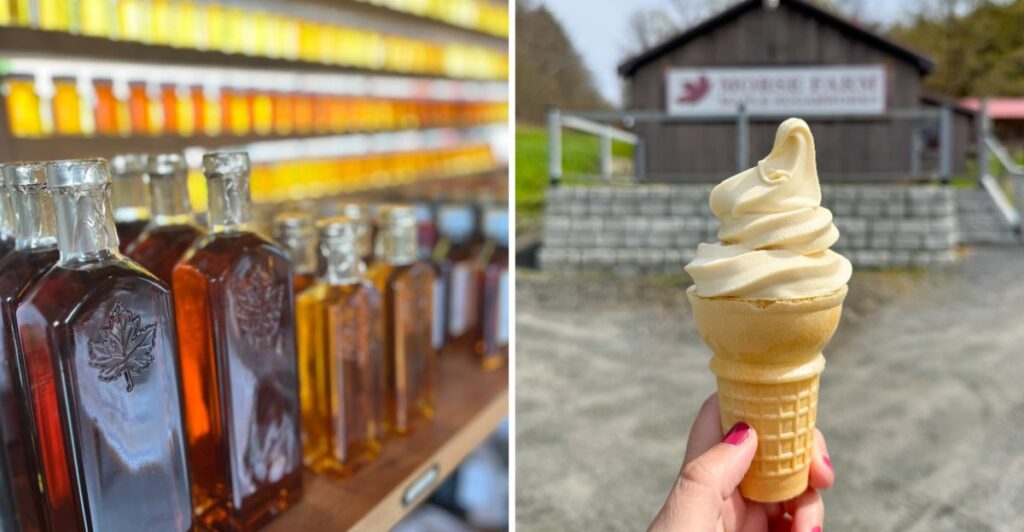
If maple syrup had a second job, this would probably be it.
Cold, swirled, and easy to finish before you remember you meant to take a photo.
The maple in this creemee does not travel far either. It comes from the same family farm where syrup has been made since 1942, with the sugarwoods sitting right behind the operation.
Vermont gets very literal about farm-to-cone around here.
Once the creemee is handled, the sugarhouse gives you another reason to linger. Free tours show how generations of maple making have changed without losing the old wood-fired tradition.
My order of business?
Creemee first.
Everything educational can happen once the spoon is empty.
Maple Sugaring Here Goes Back To 1942
Back in 1942, the Silloway family started making maple syrup in Randolph Center, beginning a tradition that has now stretched across more than eight decades.
The farm remains family-owned, with maple production still tied to the same seasonal cycle that has always shaped sugaring in Vermont.
Sap begins moving when freezing nights meet warmer daytime temperatures, usually during late winter and early spring.
That temperature swing creates the pressure changes maple trees need for sap flow, turning a stretch of unpredictable weather into the busiest part of the sugarhouse calendar.
The equipment has changed considerably since the farm’s early years. Sap once reached the sugarhouse through much more labor-intensive methods, while today tubing systems and modern processing equipment help move and concentrate it more efficiently.
The basic goal, however, remains familiar: remove enough water from maple sap to concentrate its natural sugar into syrup.
That long history gives the creemee stop more context than a typical soft-serve counter. The maple used for dessert belongs to a much larger farm operation built around trees, weather, boiling, and the yearly sugaring season.
A cone may be the easiest part of the visit, but it starts with work that begins long before anyone reaches the serving window.
The Creemees Start With Real Vermont Maple
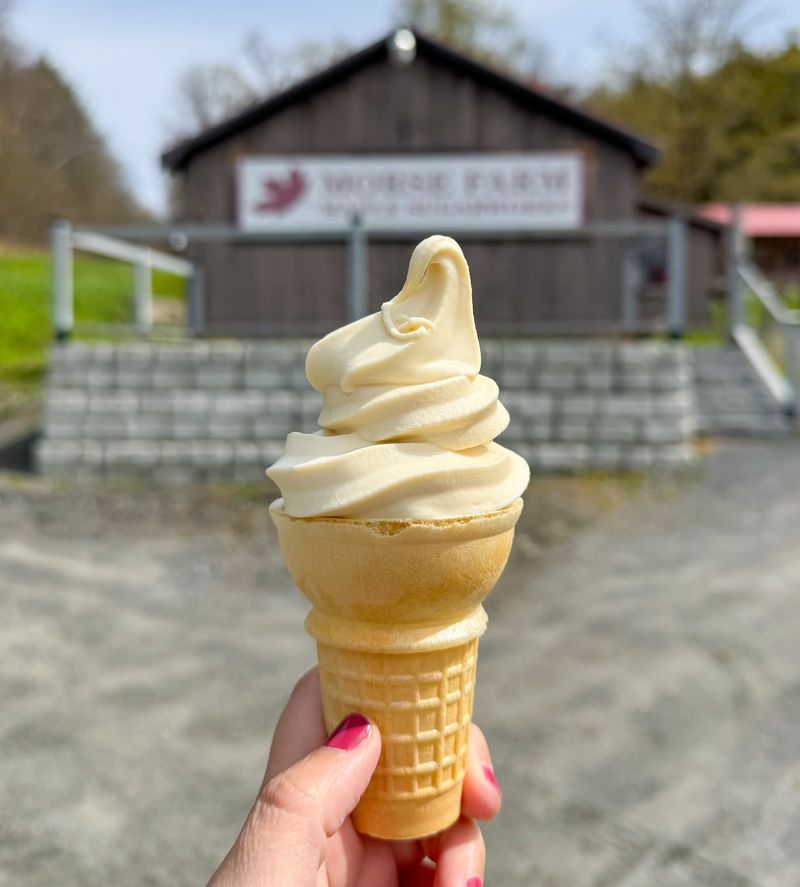
Soft serve gets a distinctly Vermont direction when maple comes straight from the farm’s own production.
Silloway Maple serves maple creemees flavored with pure Vermont maple syrup. In Vermont, “creemee” is the familiar local name for soft serve, and maple is one of the flavors most closely associated with the state.
The texture stays smooth and cold while the maple brings sweetness without turning the cone into something completely separate from soft serve.
Creemee season generally runs from late spring through fall, with occasional availability around holidays, so timing matters more than it would at an ice cream shop open the same way year-round.
That makes checking the current creemee schedule useful before making a long drive specifically for a cone.
Once you arrive, the first decision is simple: keep the maple creemee plain or add another layer of maple on top.
On a warm day, extra napkins make sense. Soft serve does not wait politely while you admire the scenery.
A smaller cone can keep the stop quick. A bigger appetite may call for toppings, a sample of syrup, and enough time afterward to look around the sugarhouse.
The creemee may be cold, but nearly everything behind it begins with heat.
Maple Candy And Syrup Turn A Simple Cone Into Something Bigger
Why stop at one layer of maple when the topping choices can take the same creemee in several directions?
Silloway Maple offers crushed maple candy, maple dust, and dark pure maple syrup as creemee toppings.
Crushed maple candy changes the texture immediately, adding small pieces of concentrated maple sweetness against the soft serve.
Maple dust is finer and spreads more evenly over the swirl. Instead of adding crunch, it coats the surface and gives each spoonful or bite another hit of maple.
Then there is the dark syrup drizzle. Darker maple syrup generally carries a stronger maple flavor than lighter grades, so this option pushes the cone farther toward the syrup side of the farm’s production.
Choosing between them depends on what you want from dessert. Candy brings texture. Maple dust keeps things lighter.
Syrup adds another smooth layer.
Or skip the decision and try a different version on another visit.
The toppings also show how many forms maple can take without changing the main ingredient. Syrup can become candy, fine maple sugar, or a drizzle over soft serve while still coming back to the same source.
Eat steadily if syrup is involved. Gravity has very little respect for a clean sleeve.
The Sugarhouse Still Runs On Wood Fire
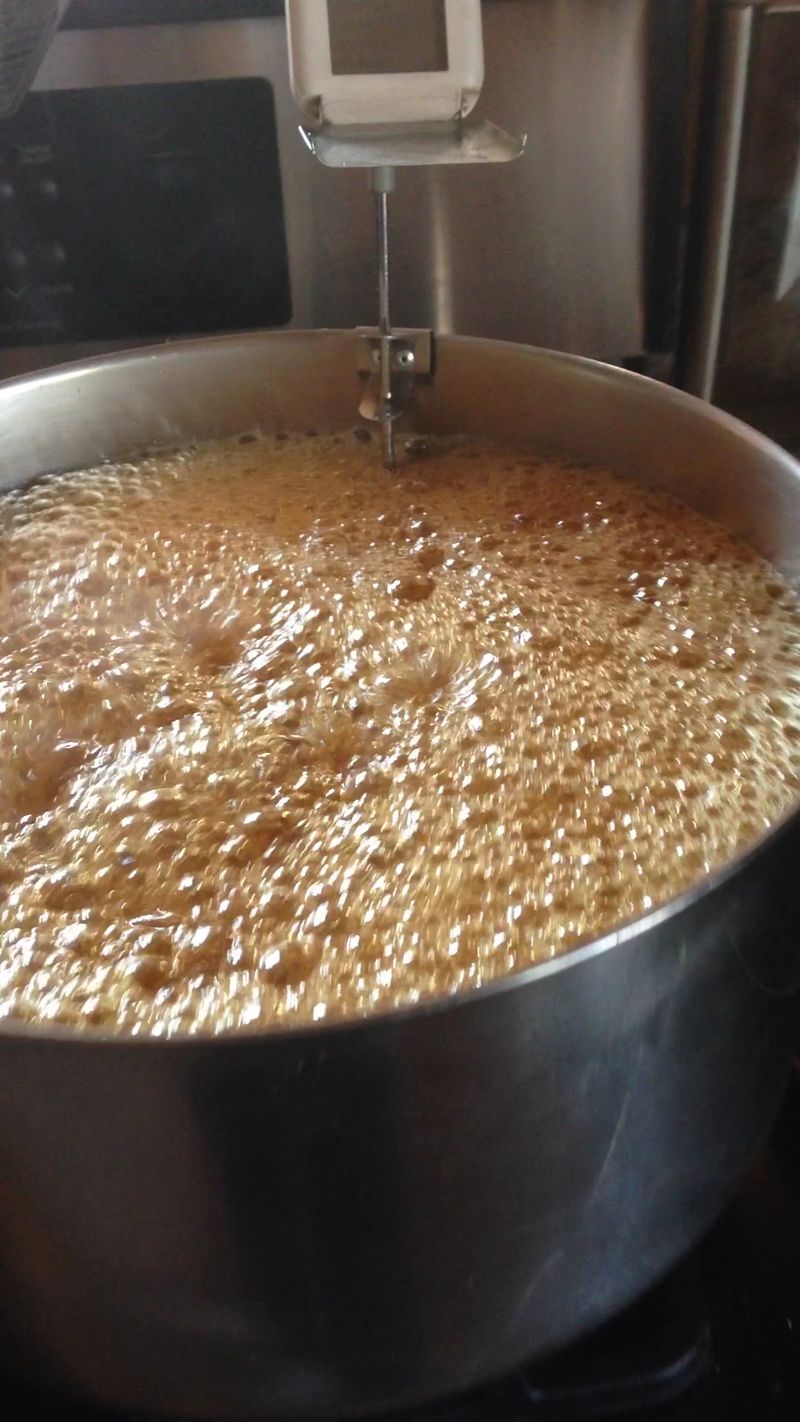
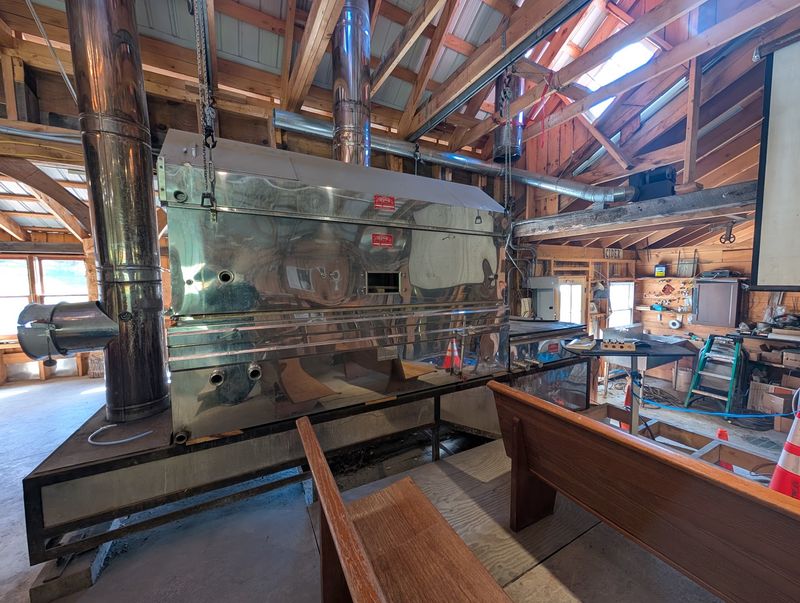
Crackling flames and rising steam remain part of sugaring season here. Inside the Silloway sugarhouse, a traditional wood-fired arch still provides the heat beneath the evaporator.
The arch is essentially the firebox beneath the evaporating equipment, and keeping a wood fire running requires regular attention while sap is boiling.
Older methods share the sugarhouse with newer technology.
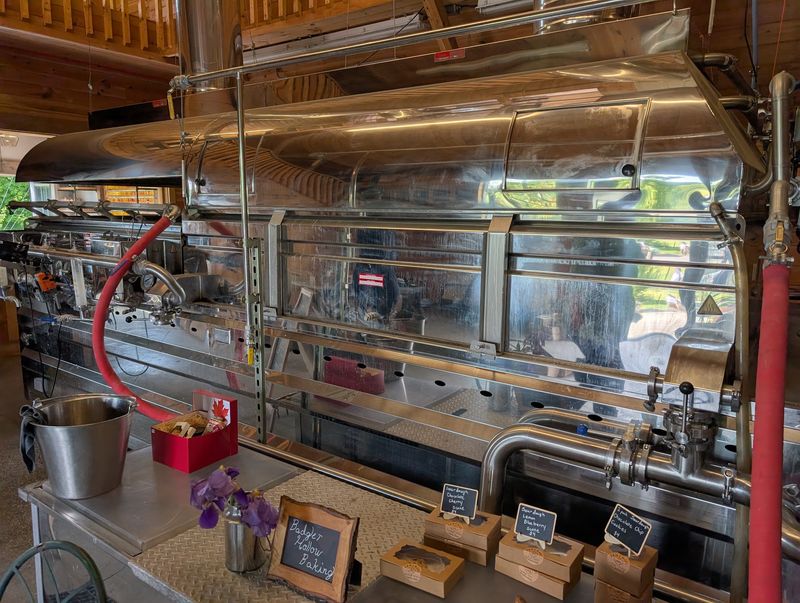
Silloway Maple also uses reverse osmosis, which removes part of the water from the sap before it reaches the evaporator. That reduces the amount of boiling needed to reach finished syrup.
The sugarhouse also gets help from 70 solar panels, adding another modern element to an operation that still relies on wood fire.
That combination makes the production process interesting to follow. The fire represents a long-established maple-making method, while reverse osmosis and solar power show how the farm has adapted newer tools to the same seasonal work.
During active boiling, steam becomes one of the most visible signs that sap is moving toward syrup.
The process takes patience because raw maple sap contains far more water than finished syrup. Concentrating it means removing much of that water while preserving the sugars and flavors that remain.
A creemee is certainly easier to eat than syrup is to make.
Free Tours Show How Maple Syrup Gets Made
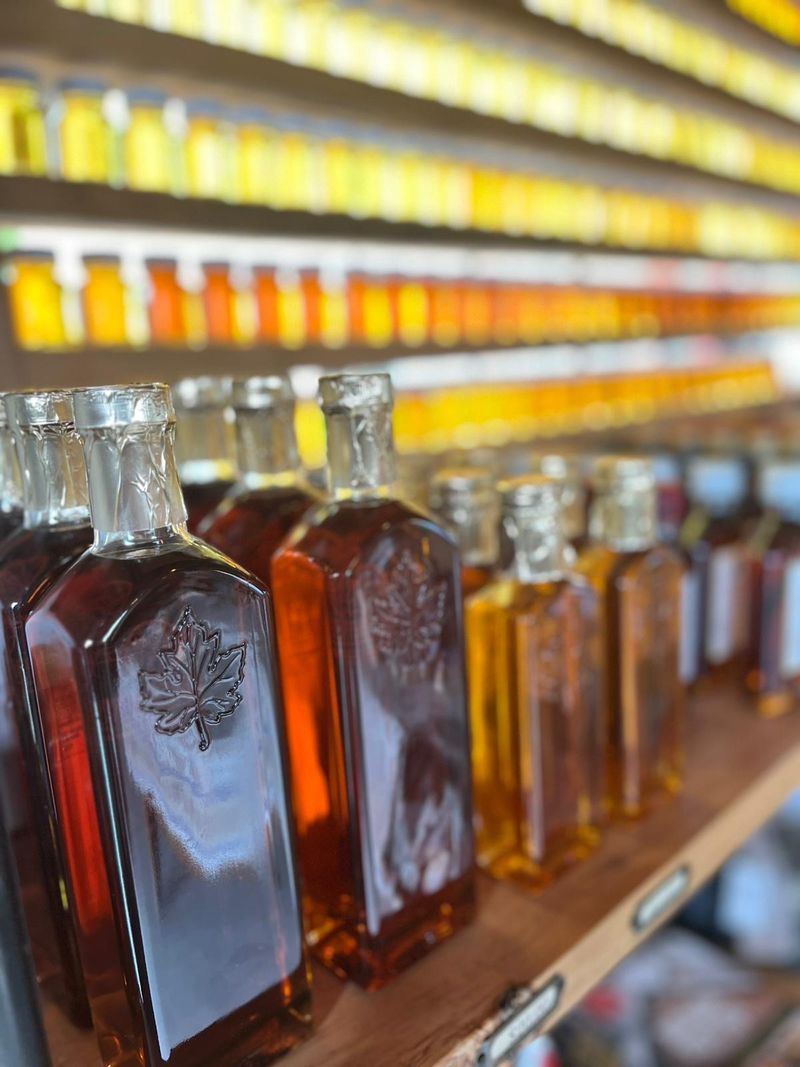
Curious visitors can go beyond the creemee window because Silloway Maple offers free sugarhouse tours and maple samples year-round.
During sugaring season, a visit may also line up with active boiling, when the production process becomes much easier to see in motion.
The tour puts the farm’s older and newer methods into the same story.
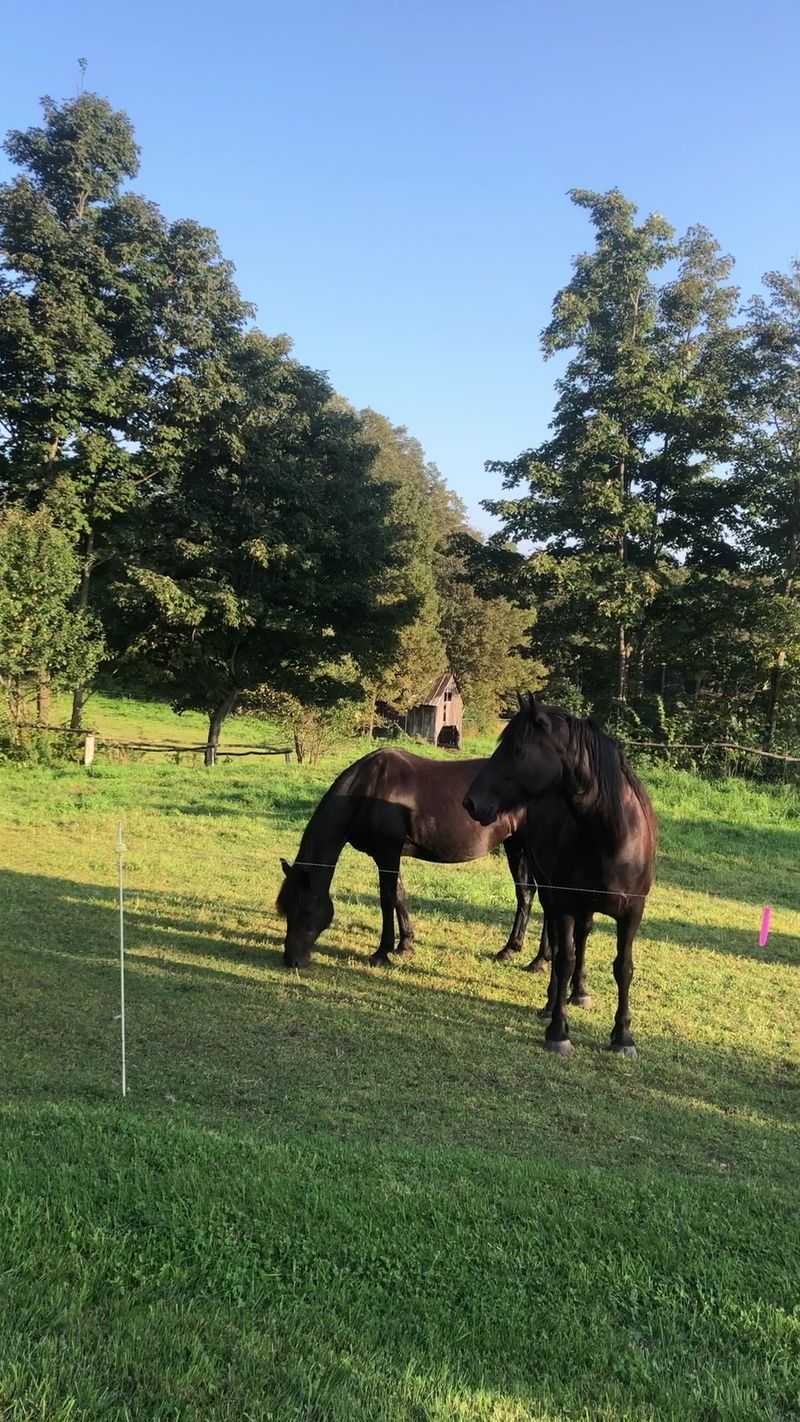
Earlier generations collected and transported sap with far more manual work, including horses and buckets. Modern tubing carries sap through the woods more efficiently, while reverse osmosis removes water before boiling begins.
That contrast gives the equipment around the sugarhouse some context. Pipes, tanks, evaporating equipment, wood, and solar power are all connected to the same basic job of moving sap from tree to finished syrup.
Sampling can add another part to the visit because maple syrup is produced in different color and flavor grades. Lighter and darker syrups offer different levels of maple intensity, giving you a chance to notice how much variation can come from the same type of tree.
Sugaring season depends heavily on weather, so boiling dates cannot be treated like a fixed annual appointment.
If seeing active production matters, check the current conditions before heading out.
Otherwise, the year-round tour still gives the creemee a useful backstory before dessert takes over again.
The Sugarwoods Give Visitors More Room To Explore
After a creemee and a sugarhouse tour, stretching your legs is an easy next move.
Silloway Maple welcomes visitors into its sugarwoods for hiking, snowshoeing, and skiing, depending on the season and conditions.
These are working sugarwoods, so the trees are part of the same maple operation you just saw closer to the sugarhouse.
Tubing can be visible running between trees, carrying sap toward the collection system during sugaring season. The woods also offer a chance to spot wildlife tracks, birds, wildflowers, and the changing forest as one Vermont season moves into another.
Winter changes the outing considerably, when snowshoeing or skiing can replace an ordinary walk. Warmer months open the woods for hiking without the extra gear.
Spring deserves extra caution because mud season can make paths softer and wetter than expected.
Layers, sturdy footwear, and water are sensible choices whenever a walk through the woods is part of the plan.
The farm is located at 1303 Boudro Rd, Randolph Center, VT 05061, so the sugarhouse and surrounding sugarwoods can fit into the same visit without turning the afternoon into a complicated itinerary.
Dessert first or walk first? Vermont weather may make that decision for you.
Fall Brings A Five-Acre Corn Maze To The Farm
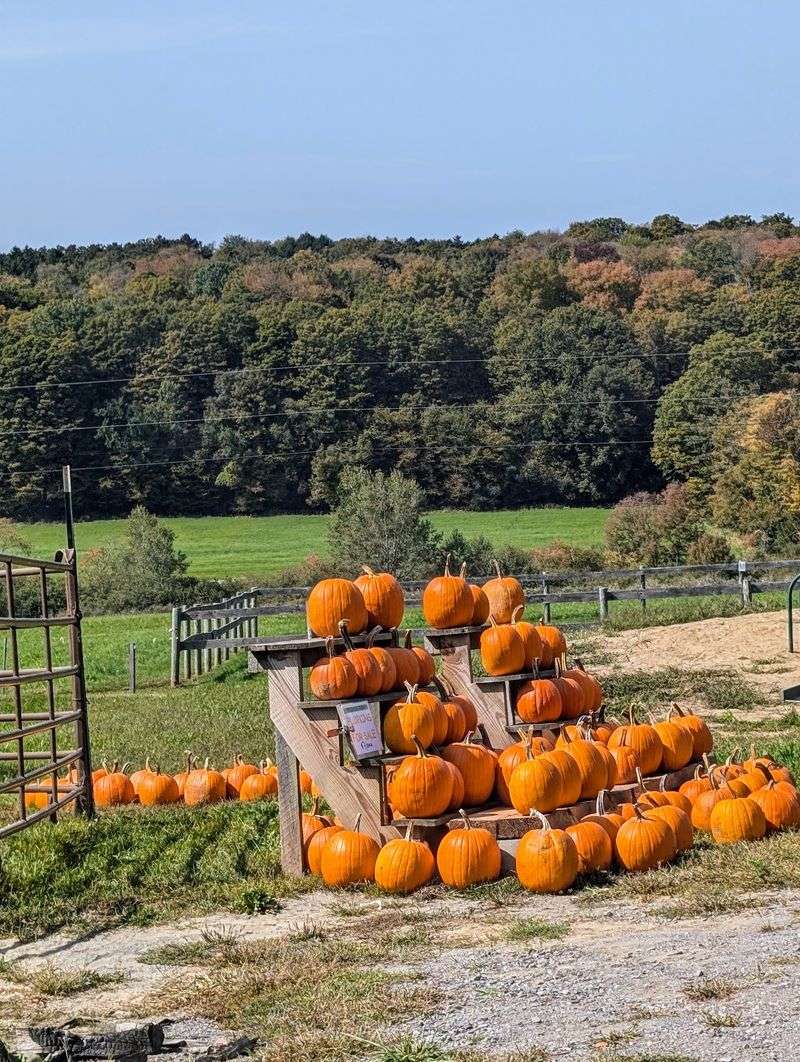
Getting turned around becomes part of the plan once late summer and fall arrive.
Silloway Maple opens a five-acre corn maze from August 1 through October 31, adding another seasonal activity beyond the sugarhouse and creemee stand.
The maze pattern changes each year, so the route is not simply reused from one fall to the next.
Five acres gives you plenty of room to test your sense of direction. Comfortable shoes help, especially after rain when farm ground may be softer than expected.
October Saturdays add wagon rides around the farm from 5 to 7 p.m., giving visitors another way to see the property during the fall season.
Later in the evening, the farm runs its officially named Haunted Maze from 7 to 11 p.m. on those October Saturdays. Anyone who prefers the regular maze can stick with daylight hours instead.
That creates two very different ways to approach the same cornfield depending on timing.
Seasonal activities can change with conditions, so checking the current fall schedule before setting out is useful.
Then there is the easiest decision of the day.
Once you have worked your way out of five acres of corn, a maple creemee sounds pretty reasonable.