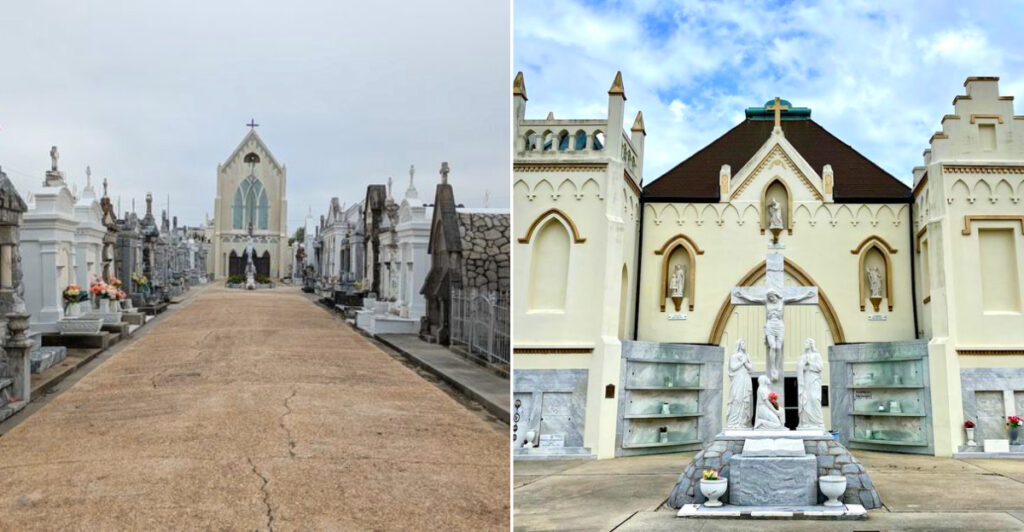
Walking through a quiet cemetery in the heart of one of America’s most storied cities, you might just stumble upon something you never expected: a small chapel lined with prosthetic limbs, crutches, plus plaster body parts.
These offerings were left by people who believed they had been healed through divine intervention, each one representing a personal story of hope and gratitude. This Louisiana chapel stands unlike anything you have seen before.
The tradition dates back to the mid-1800s, when a local priest prayed to a patron saint of healing during a devastating fever outbreak, promising to build a shrine if his parish was spared.
The community survived, the chapel was built, and the faithful have been leaving their ex-votos ever since.
Today, the weathered brick floors and peeling walls hold decades of devotion, creating one of the most unusual sacred spaces you will ever encounter. A visit here stays with you long after you leave.
Step Inside The Healing Room
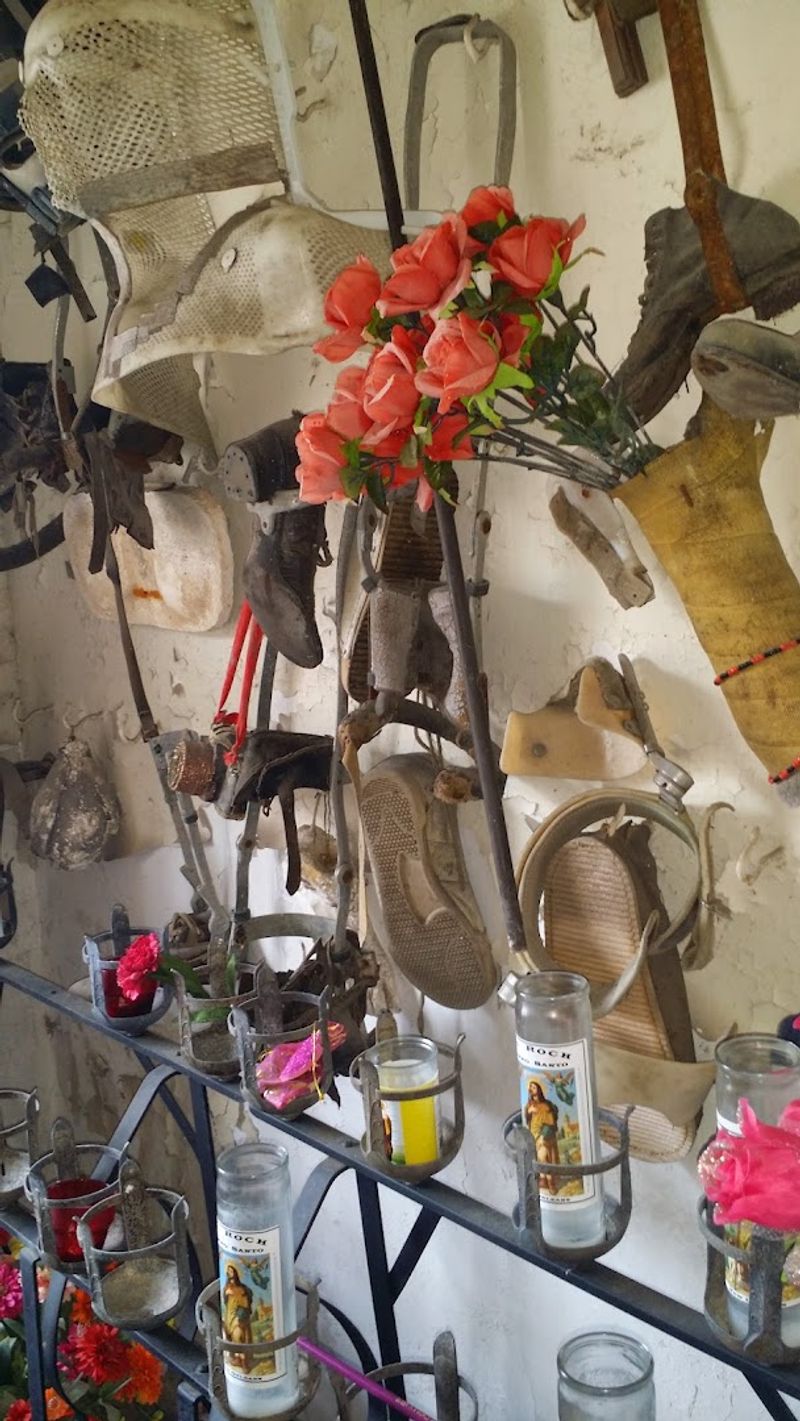
Inside the small chapel, the ex-voto room turns gratitude into something visible. Prosthetic limbs, crutches, plaster body parts, braces, and small devotional objects gather along the walls, each one left as a thank-you for healing or help believed to have come through Saint Roch’s intercession.
The first reaction may be surprise, but the room quickly asks for a gentler kind of attention. These objects are not oddities arranged for shock.
They stand for private fear, recovery, pain, relief, faith, and memory. That is why the space feels more intimate than strange once you slow down.
Keep your voice low, do not touch the offerings, and resist turning the room into a spectacle for photographs. The power of the chapel comes from presence, not performance.
Look carefully, but let the objects keep some privacy. They were left as prayers of thanks, not displays waiting to be decoded carefully today.
The Chapel Keeps Different Hours Than The Cemetery
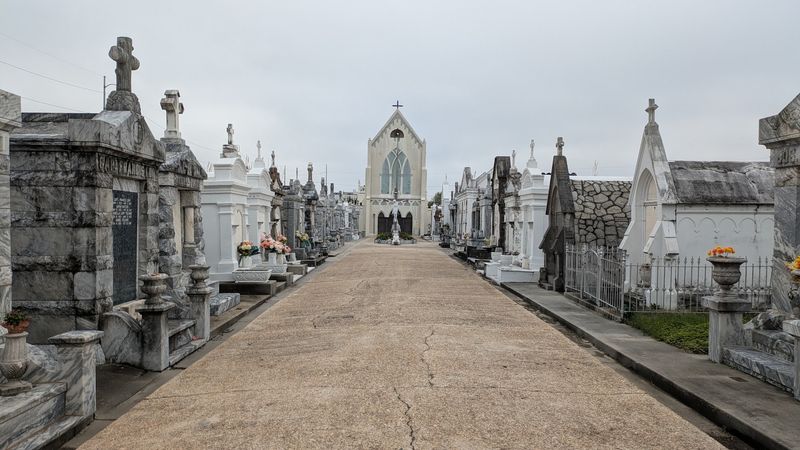
Access is the detail that matters most at 1725 St. Roch Ave, New Orleans, Louisiana 70117. The cemetery grounds may be easier to enter during regular visiting hours, but the chapel itself keeps a much narrower schedule, with official guidance listing visitation on the first Friday of each month from 11 a.m. to noon.
That single hour changes how the trip should be planned. Do not treat the chapel as a casual walk-in stop between brunch and another cemetery.
Confirm current access before leaving, especially around holidays, weather disruptions, repairs, Masses, or special events.
The surrounding neighborhood is residential, so arrive quietly, park legally, and avoid blocking gates, driveways, or homes. Once inside the cemetery, follow the paths toward the small Gothic-style chapel and keep the mood respectful.
This is a devotional site first, not a tourism machine, and its limited access makes patience part of the visit itself.
Architectural Details Worth Noting
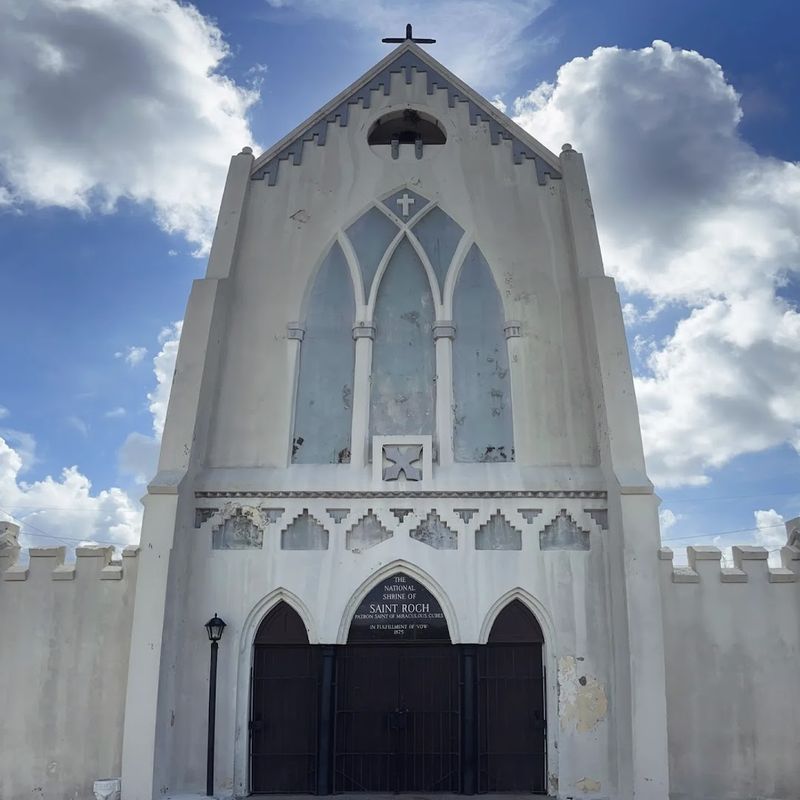
Pointed arches give the chapel its first visual cue, but the building’s charm is humbler than a grand cathedral. Its Gothic-style shape, small scale, weathered surfaces, and cemetery setting make it feel handmade by devotion rather than designed for spectacle. That difference suits the shrine.
Look for the way details work quietly: arched openings, modest trim, simple altar elements, stained glass, woodwork, plaster, brick, and signs of repair. Nothing overwhelms the offerings inside.
The architecture creates a container for grief, gratitude, and prayer without competing with them.
That restraint is important. A more polished space might make the ex-votos feel like an exhibit.
Here, the worn chapel helps them remain personal. The building seems to understand its role: sheltering fragile stories, holding silence, and giving visitors enough beauty to slow down without turning the place into decoration.
Senses And Atmosphere
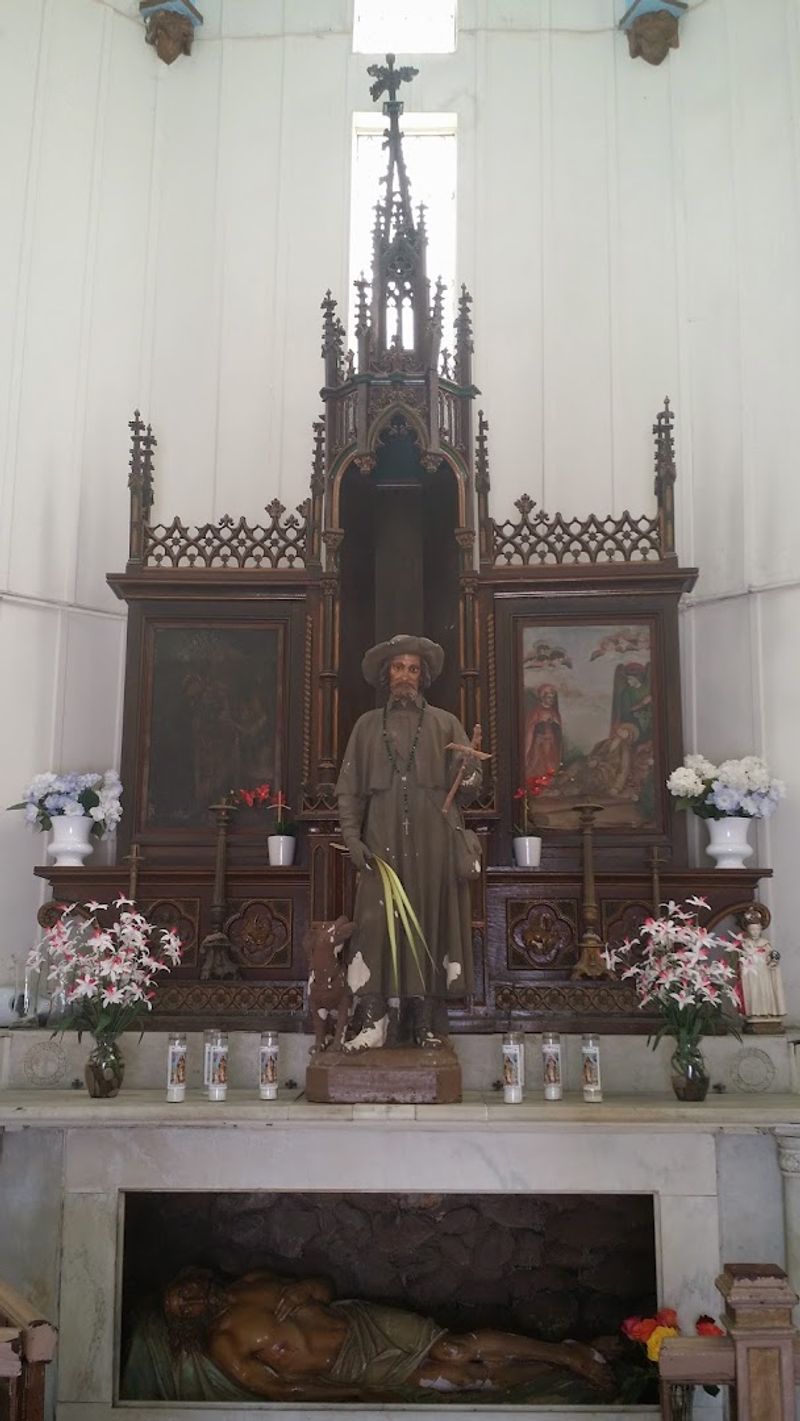
Quiet arrives before analysis does. Inside and around the chapel, light filters softly, footsteps sound more deliberate, and even a distant car from the neighborhood feels muted by the cemetery walls.
The place does not need dramatic darkness to feel powerful. Its atmosphere comes from restraint.
The scents are simple: old wood, candle wax, flowers, stone, dust, and the outdoor heat that follows visitors in from the cemetery paths. Nothing feels staged.
The sensory details build slowly, making the room feel used and remembered rather than curated for shock.
Move at the speed the chapel suggests. Pause near the doorway before looking closely.
Let your eyes adjust to the offerings, walls, and small devotional objects before taking in the whole room at once.
Historical Threads And Origins
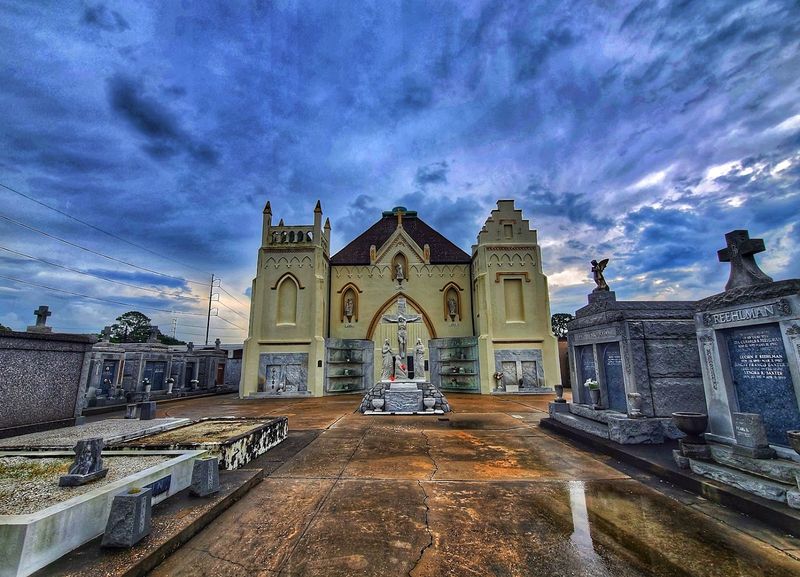
The story begins with fear, illness, and a vow. In the nineteenth century, Father Peter Leonard Thevis, pastor of Holy Trinity Church, prayed to Saint Roch during a yellow fever outbreak and promised a chapel if his congregation was spared.
The cemetery and shrine grew from that act of gratitude. Knowing the origin changes how the offerings read. Prosthetics, crutches, braces, and anatomical tokens are not random curiosities.
They belong to a Catholic tradition of ex-votos, objects left in thanksgiving after healing or survival. The practice turns private experience into visible devotion.
The chapel’s history also connects to the neighborhood’s German Catholic roots and to New Orleans’ long relationship with disease, faith, and burial customs. What might seem unusual at first becomes more understandable when placed in that setting.
The site is strange because it is specific, not because it is gimmicky. Its meaning comes from crisis remembered through ritual.
Practical Visiting Tips
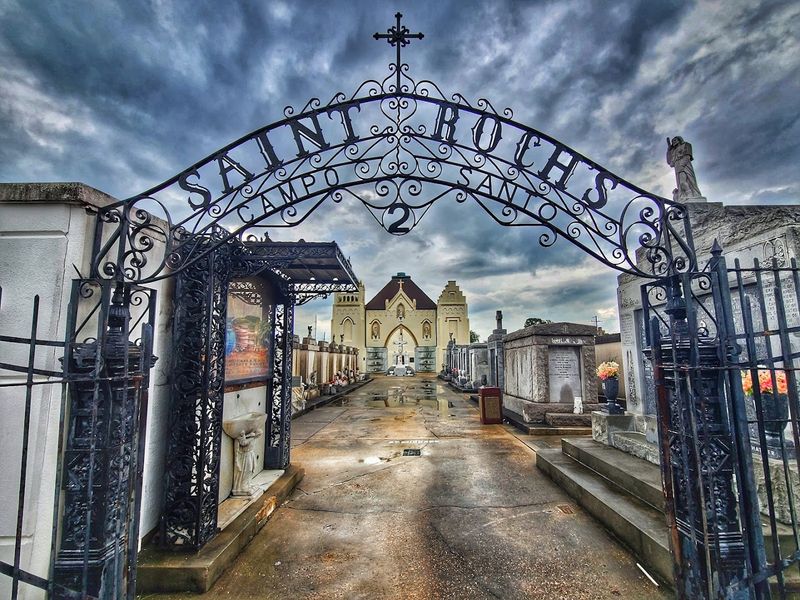
Planning protects the visit from disappointment. Check chapel access before heading over, because official visitation is limited and can shift around holidays, special liturgies, repairs, or cemetery needs.
The wider cemetery may be easier to enter, but the healing chapel is the fragile heart of the trip.
Wear shoes that can handle old cemetery paths, uneven pavement, and slow walking outside. New Orleans heat can be intense, so bring water, sun protection, and insect repellent if you plan to spend time outside.
A small bag is better than carrying too much through narrow paths and sacred spaces.
Respect posted signs, gates, locked areas, and any instructions from cemetery staff. Do not assume every door or window is meant for visitors.
If the chapel interior is not accessible, treat the grounds with the same attention. The cemetery itself still tells the story through tombs, Stations of the Cross, and the chapel’s exterior.
Local Culture And Community Care
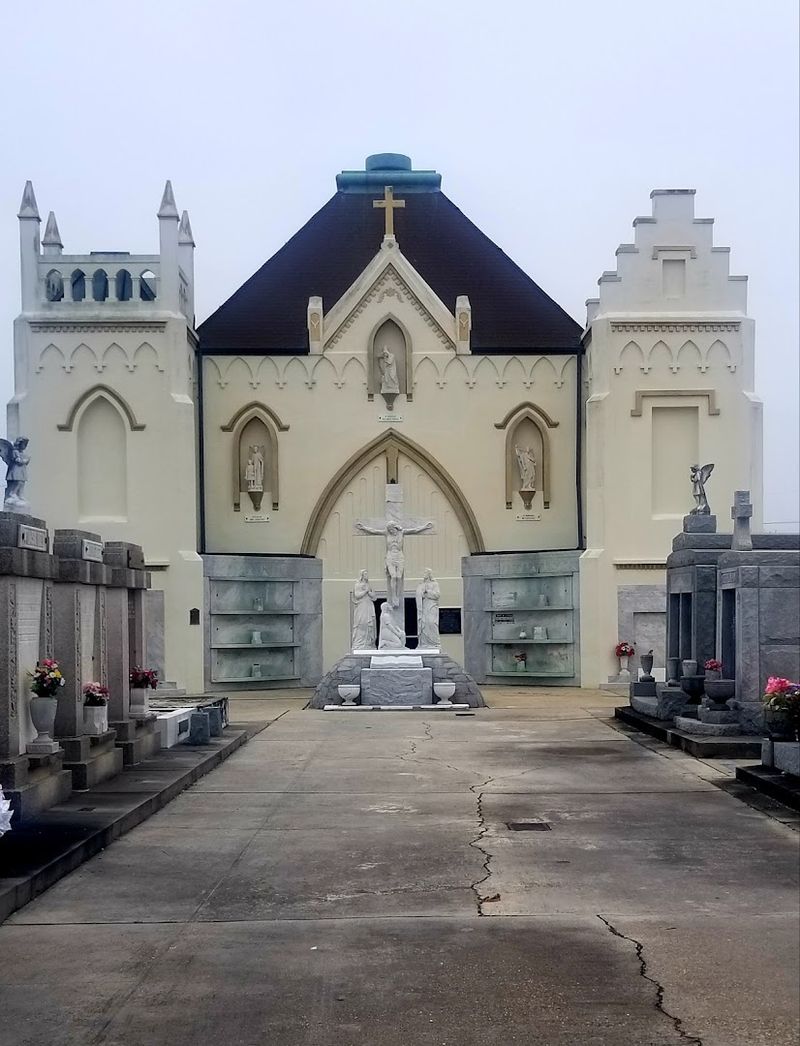
Community care is visible before anyone explains it. Paths are tended, tombs are maintained, restorations continue, and the chapel remains connected to living devotion rather than abandoned curiosity.
The site may attract unusual travel interest, but local faith gives it its deeper rhythm.
Monthly healing Masses and Good Friday traditions help show that St. Roch is not simply a strange stop on a New Orleans list. People still come with prayer, memory, illness, recovery, grief, and thanks.
That living use changes the way visitors should behave. You are entering a place that matters to people beyond tourism.
The neighborhood’s Catholic and immigrant history also adds texture, especially through older inscriptions and the Campo Santo name. When staff, clergy, caretakers, or worshipers are present, courtesy matters.
Listen more than you perform.
Seasonal Notes And Timing
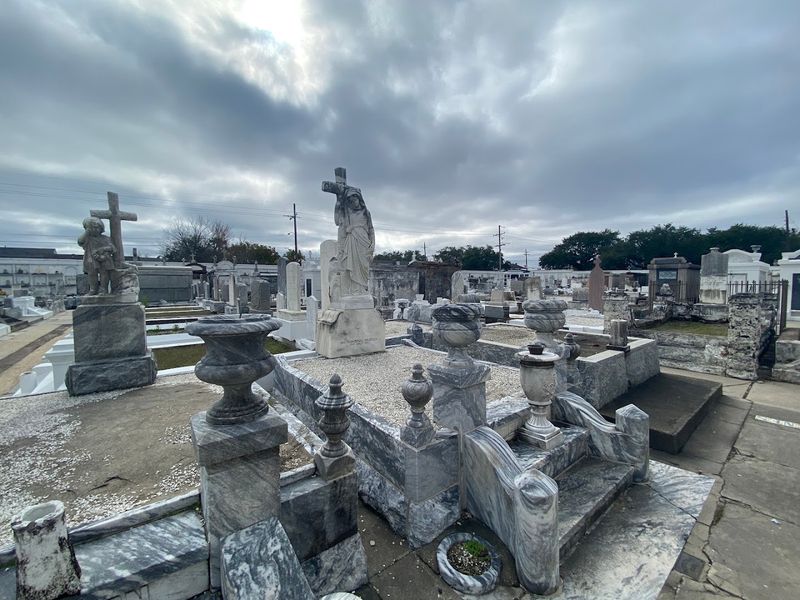
Weather shapes the visit more than the short distance might suggest. Summer heat in New Orleans can make cemetery walking feel heavy, especially where shade is thin and stone reflects light.
Early mornings are better for the grounds, though chapel access depends on its limited schedule rather than your preferred temperature.
Cooler months bring a gentler pace, softer light, and more comfortable time among the tombs. Rain changes the mood quickly, darkening stone, gathering in uneven spots, and making shoes with decent grip more important.
The chapel can feel even quieter during gray weather, but wet paths require attention.
Religious days may bring more activity and a different emotional tone. Good Friday, healing Masses, and monthly visitation periods are not ordinary sightseeing windows.
Check the calendar before going and decide what kind of visit you want.
Respectful Photography And Behavior
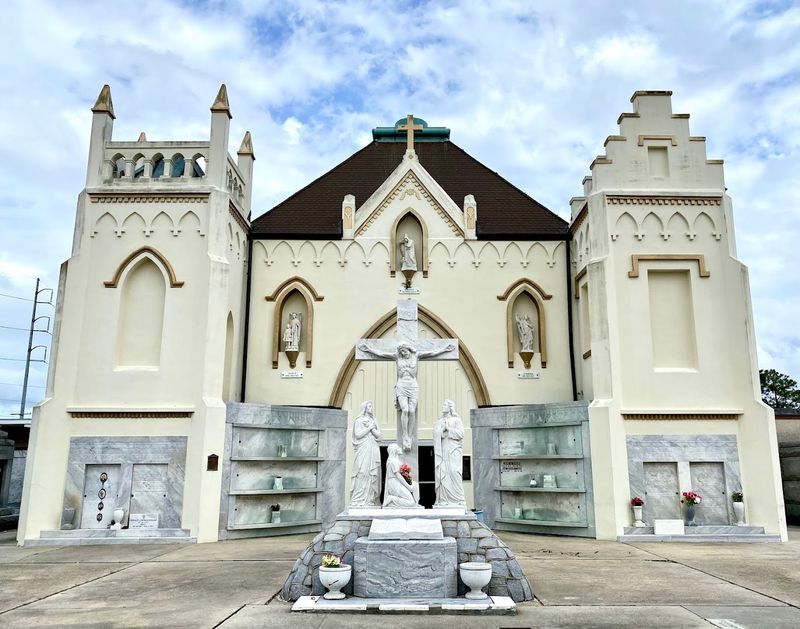
A camera can help you remember the chapel, but it can also flatten the experience if used carelessly. This is a sacred space inside a cemetery, not a set.
Photographing prosthetics, crutches, or offerings should be approached with restraint and awareness.
Follow posted rules, avoid flash, and do not take intrusive photos during Mass, prayer, or gatherings. If staff or signs limit interior photography, accept that immediately.
The desire for an image never outranks the purpose of the place. Exterior shots, architectural details, and wider cemetery views can still document the visit respectfully.
Behavior matters just as much as the camera. Keep voices low, avoid touching offerings or tombs, and do not lean on cemetery structures for a better angle.
The most powerful memory may not be a photo at all. It may be the feeling of standing still among objects left by strangers who were grateful to have survived.
Storytelling Through Objects
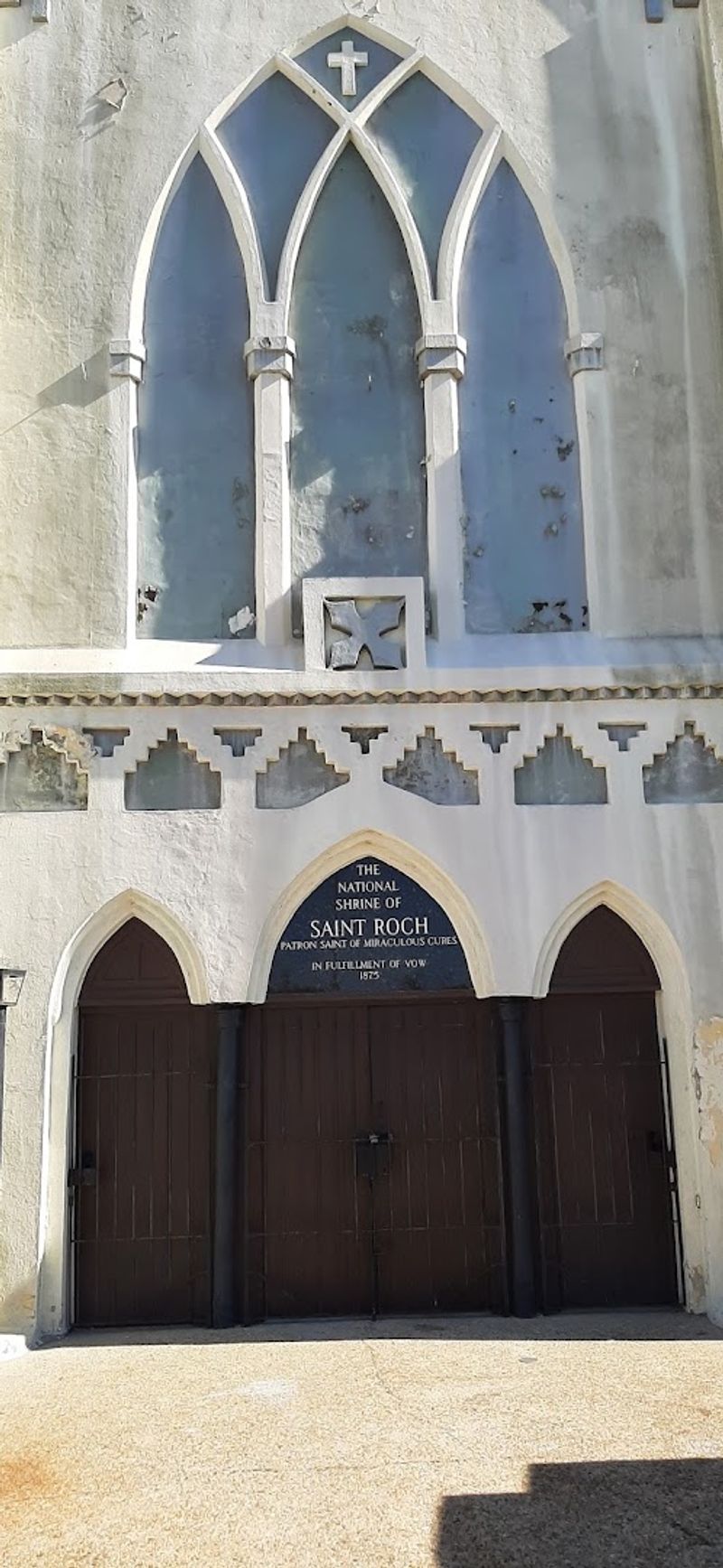
Objects do the storytelling here without needing long captions. A crutch suggests a body once dependent on support. A brace hints at recovery. A prosthetic limb carries a complicated kind of thanks.
Plaster anatomical pieces point toward pain, hope, and the desire to leave evidence that help was received.
That evidence is personal, which is why the room feels so different from a normal collection. The items were not donated to impress strangers.
They were left as devotional testimony, small material signs of something someone believed had changed in their life. The room becomes a chorus of brief, silent narratives.
You do not need to identify every object or imagine every detail. Choose a few pieces and let them hold your attention without forcing a story onto them.
The chapel’s meaning comes from accumulation, not explanation. One offering is moving.
Many together become a map of human vulnerability and gratitude.
Final Reflections And How To Leave
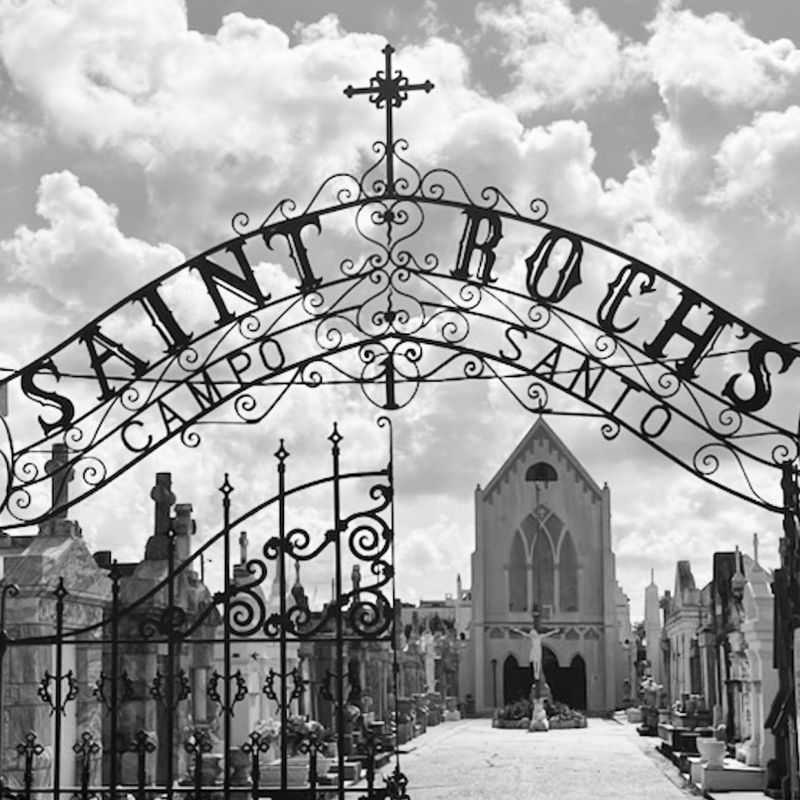
Leaving well is part of visiting well. After the chapel, do not rush straight back into errands, traffic, or the next attraction if you can avoid it.
Step outside, walk the cemetery paths slowly, and let the experience settle before returning to city noise.
Many visitors expect the shrine to feel strange or macabre, then discover that gratitude is the stronger impression. The prosthetic limbs and plaster forms may surprise the eye, but the intention behind them is tender: people believed they had been helped, and they left something behind to say so.
If you feel moved, respond with silence, a prayer, a donation through appropriate channels, or simple respect for the site. Do not leave unauthorized objects unless current guidelines permit it.
The best departure is careful. Carry the memory gently, and describe the place to others in a way that honors devotion rather than turning it into spectacle.