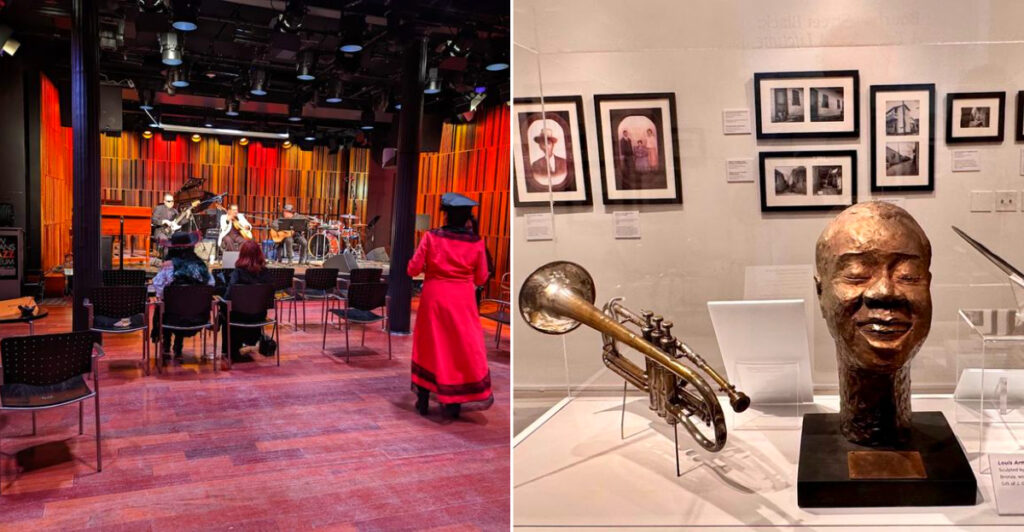
Every August, a building that once printed Confederate currency opens its doors to something entirely different.
The Old U.S. Mint, a Greek Revival structure standing at the edge of the French Quarter, becomes the home of a festival built around a single idea: that Louis Armstrong deserves more than a statue.
Inside, three stages host brass bands, traditional jazz ensembles, and contemporary performers who trace their musical lineage straight back to the neighborhood where Armstrong grew up. Second lines spill out onto Esplanade Avenue.
The exhibits inside the museum cover his life in detail, from his childhood in Storyville to his later years as an international icon, and the whole thing costs nothing to attend. Food vendors line the courtyard.
The crowd mixes tourists with locals who come every year.
Inside The Old U.S. Mint
Walking through the Old U.S. Mint is like threading through two histories at once – federal finance and local music.
The ground floor still houses mint exhibits with heavy cases and brass labels, while the upper floors transition into jazz displays that celebrate improvisation rather than production.
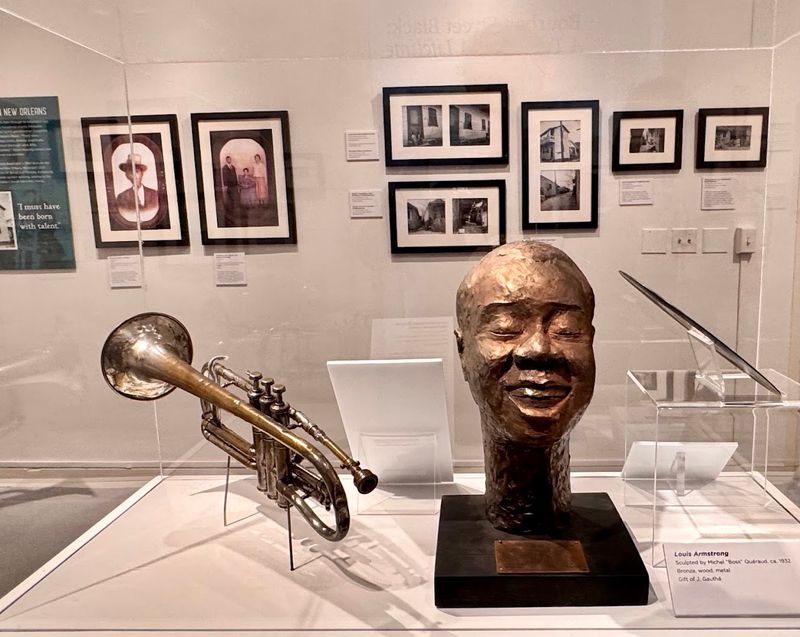
Labels and instruments anchor the narrative, and a recent exhibit on Louis Armstrong traces his Jane Alley roots with artifacts that make his childhood feel tangible. The building’s Greek Revival architecture lends a stately backdrop that contrasts with the loose, exuberant sounds that pour from the courtyard.
Allow an hour to explore both mint and jazz sections; signs help but a quick map from the front desk saves time and frames what to prioritize.
Louis Armstrong’s Birthday Party Takes Over The Old Mint
Satchmo SummerFest takes place at the New Orleans Jazz Museum, 400 Esplanade Avenue in New Orleans, Louisiana, where the French Quarter meets the Frenchmen Street music corridor. Approach from North Peters Street, Decatur Street, or North Rampart Street toward the historic Old U.S. Mint.
The free 2026 festival runs Saturday, August 1, and Sunday, August 2, from 11 a.m. to 8 p.m. Expect dense pedestrian traffic around Esplanade Avenue and the museum grounds, then follow festival signs toward the entrances, outdoor stages, and security screening points.
There is no dedicated festival parking, so use a nearby public garage or legal metered space and walk the final blocks. The museum recommends its Barracks Street entrances, while the Esplanade Avenue entrance provides ramp access; follow event staff directions if the festival adjusts the normal entry flow.
Satchmo Exhibit Highlights
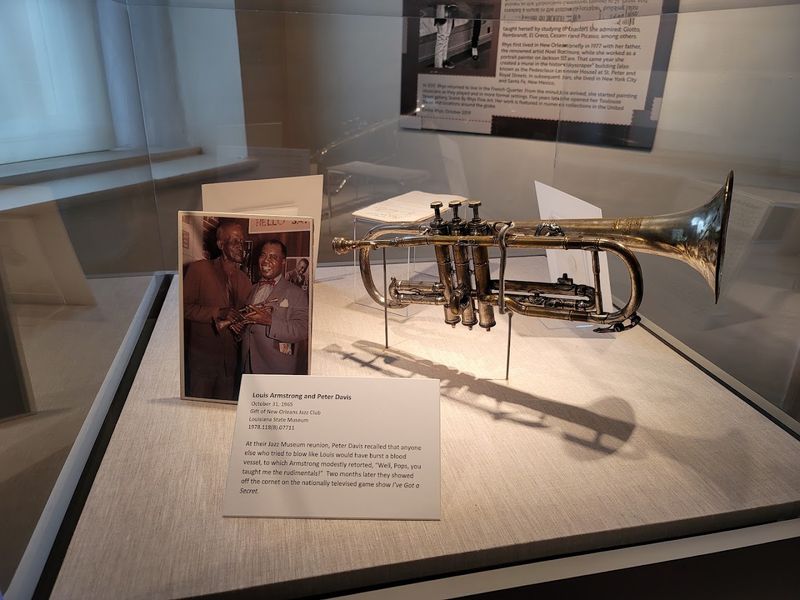
The Satchmo exhibits are intimate and focused, with a standout display of the cornet Armstrong played at the Colored Waifs’ Home that commands quiet attention. Photographs and personal artifacts anchor the narrative, connecting a boy from Jane Alley to a global musical figure.
Curators emphasize mentorship, showing how figures like Joe ‘King’ Oliver and Peter Davis influenced Armstrong’s technique and trajectory. Audio clips and video footage complement artifacts, offering aural context that transforms static objects into living sounds.
Because these rooms are compact, small groups form naturally, try to visit during a quieter hour if you want to linger and listen closely to the oral histories and recordings on view.
Live Music Programming
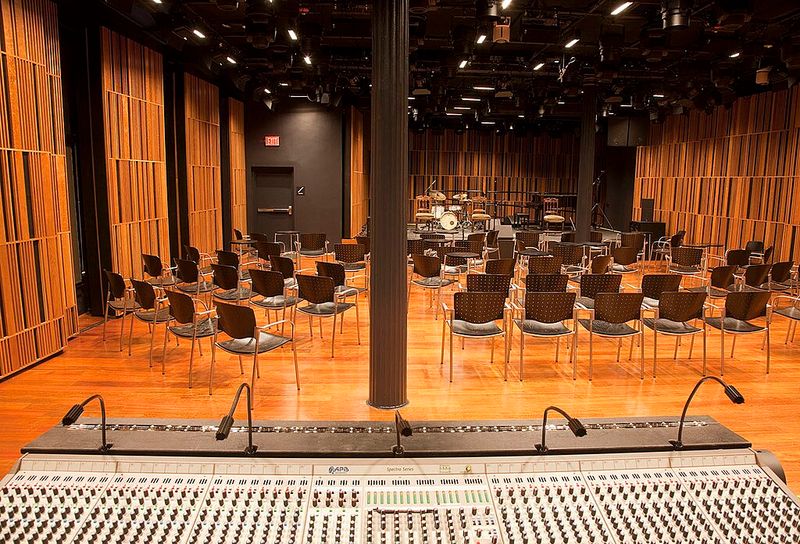
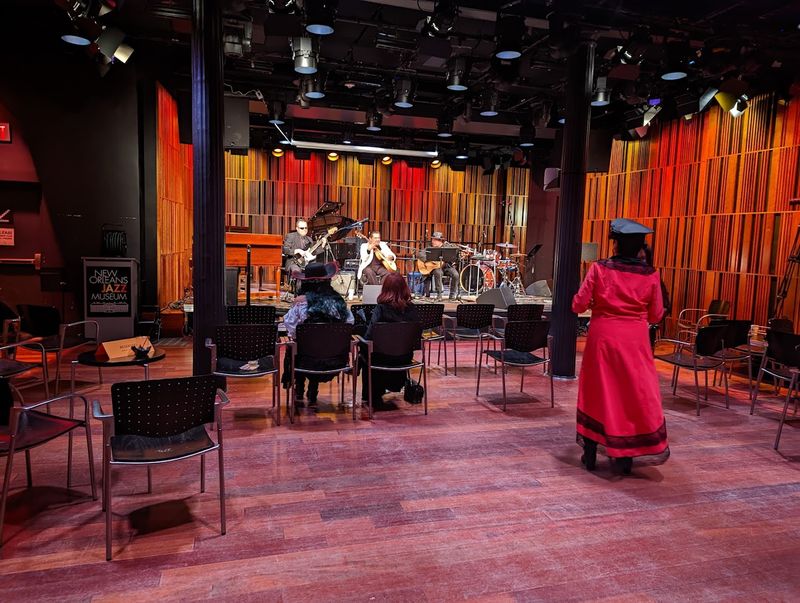
The programming mixes traditional jazz with brass bands, funk, R B, and fusion across two outdoor stages and a rotating indoor piano series. Set times are generous: bands stretch into long, soulful sets that showcase improvisation and call-and-response energy rooted in New Orleans practice.
Indoor lectures run alongside performances, so you can switch from a high-energy set to a thoughtful talk about Armstrong’s legacy without leaving the museum. The juxtaposition of scholarship and street-level music feels deliberate and rewarding.
Bring ear protection for little ones and expect crowds near headline sets; schedule browsing before arrival helps you catch niche performances that might otherwise be missed.
The Second Line Experience
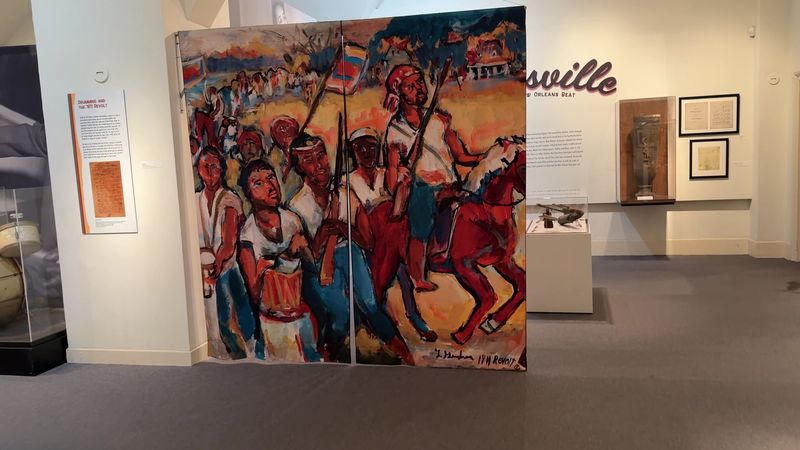
The second line is the festival’s kinetic heart – a jubilant procession that proceeds like a communal exhale. Bands lead, and people follow, waving handkerchiefs and twirling parasols in an improvised choreography that feels both spontaneous and rooted in history.
The Satchmo Salute typically begins at St. Augustine Church and weaves through the French Quarter before ending at the museum, creating a link between neighborhoods and the site of celebration. The Treme Brass Band often leads, infusing traditional repertoire with contemporary feeling.
To join respectfully, watch how locals move, follow the parade’s flow, and keep personal space in mind, the second line is welcoming but also organically organized.
Lecture Series And Talks
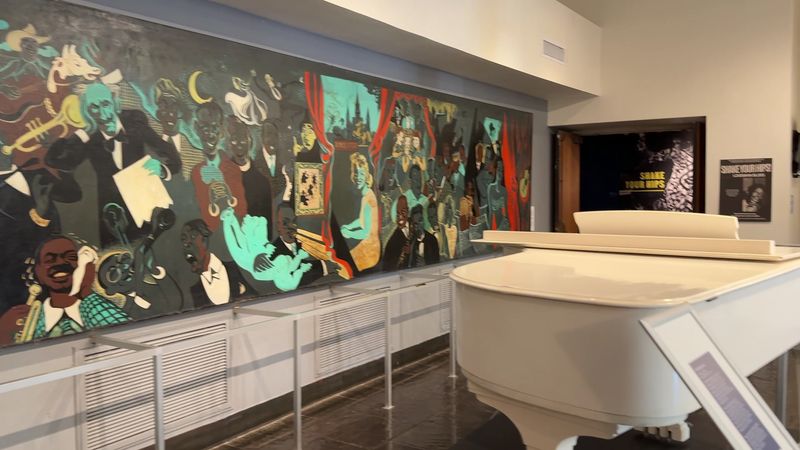
Indoor lectures add depth to the sonic celebration, featuring scholars and musicians who unpack Armstrong’s influence and the broader history of jazz. Sessions often include rare footage and focused analysis that enrich a festivalgoer’s listening experience outside in the courtyard.
Talks range from biographical deep dives to thematic explorations of New Orleans musical traditions, and moderators make complex history accessible without diluting nuance. The intimacy of the lecture rooms means conversation feels immediate and engaged.
Seats can fill early; check schedules and arrive a little before start time if a particular talk matters to you. These sessions are excellent for quieter moments between sets.
Family Friendly Features
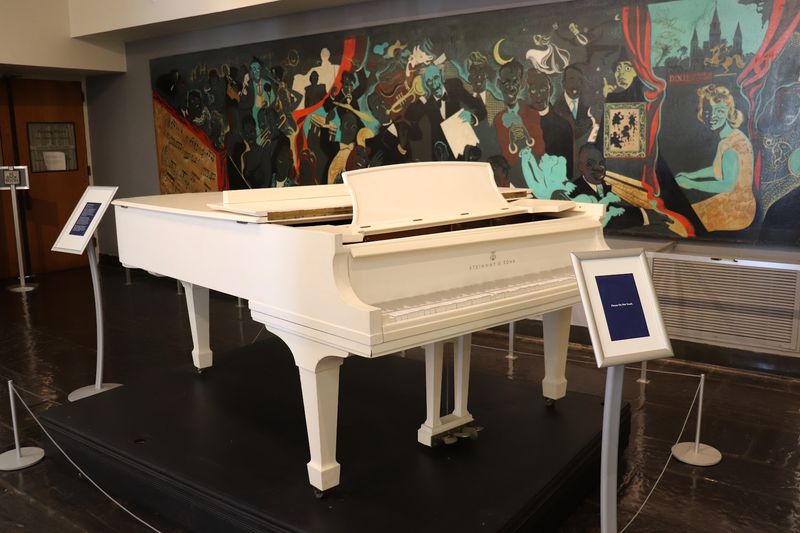
The festival prides itself on being family friendly with programming and amenities that welcome all ages. Kid-friendly sets and interactive activities give children a chance to move and learn without the pressure of adult nightlife norms that dominate other music scenes.
“Chill at the Fest” zones provide complimentary neck chillers and misting fans, and museum staff are approachable about accessibility and quiet spaces. Outdoor seating areas and shaded nooks make it easier to pace a day with little ones.
Bring a lightweight folding chair and sunscreen, and keep a reusable empty water container under 32 ounces if you plan to refill at indoor fountains between sets.
Local Cuisine And Vendors
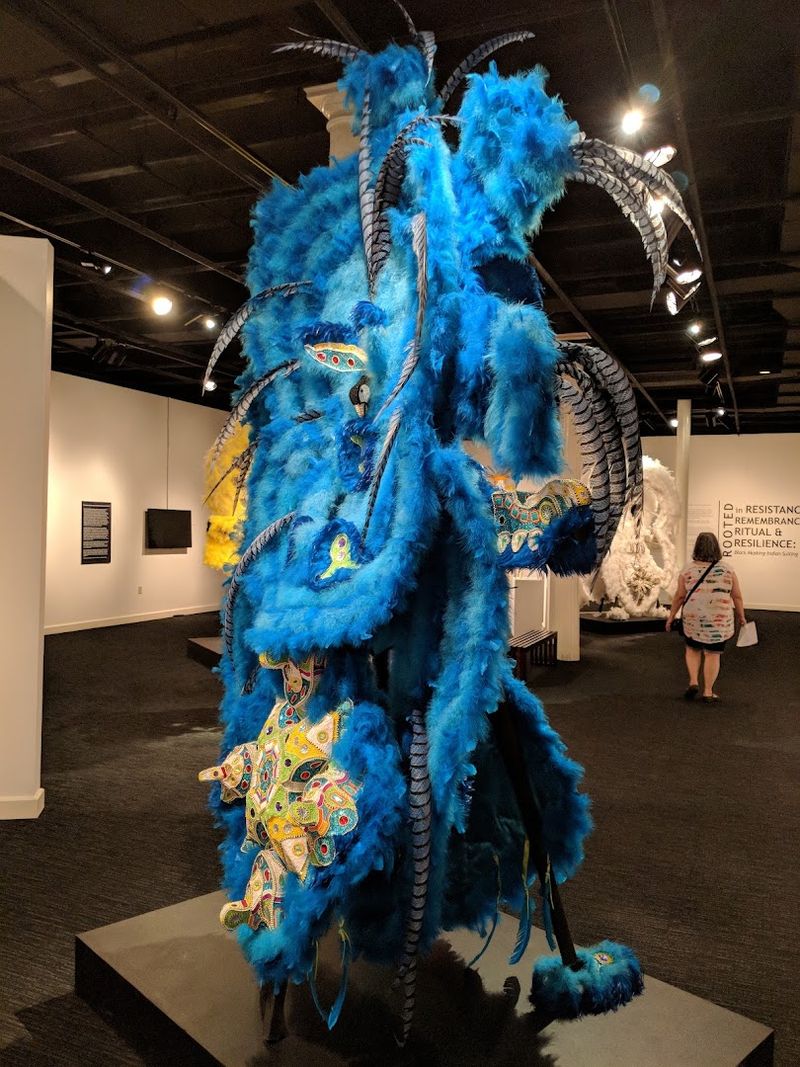
Vendors at the festival serve classic New Orleans flavors and festival-friendly treats, offering everything from gumbo to cooling sweets that match the humid August weather. Lines can form at popular booths, but sampling small plates lets you try more than one stall without overcommitting.
Food areas cluster near performance zones, so grabbing a quick bite between sets is convenient. Vendor staff are used to festival flow, and many offer quick-serve options that pair well with listening on the go.
Plan for cashless payments though some stalls accept cash, and consider sharing dishes so you can taste a wider range of local specialties without slowing your festival itinerary.
Getting There And Getting Around
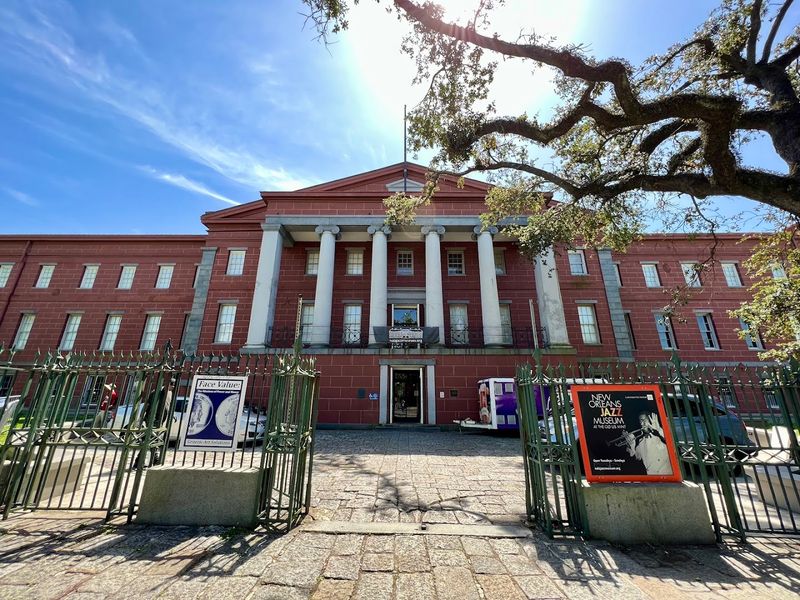
Reaching the museum is straightforward from the French Quarter and Frenchmen Street corridors; RTA streetcars, buses, and ferries all provide practical options for avoiding limited street parking. Blue Bikes docking stations nearby are a good alternative for short hops if you prefer pedal power over transit.
The museum sits at 400 Esplanade Avenue, a central point that connects several neighborhoods, so plan your return trip before evening sets when transit can be crowded. Drop-off points are near the entrance but expect pedestrian congestion during parade times.
If you drive, allow extra time for parking and consider park-and-ride or rideshare pick-up spots a few blocks away to sidestep festival traffic and blocked streets.
Accessibility And Comfort
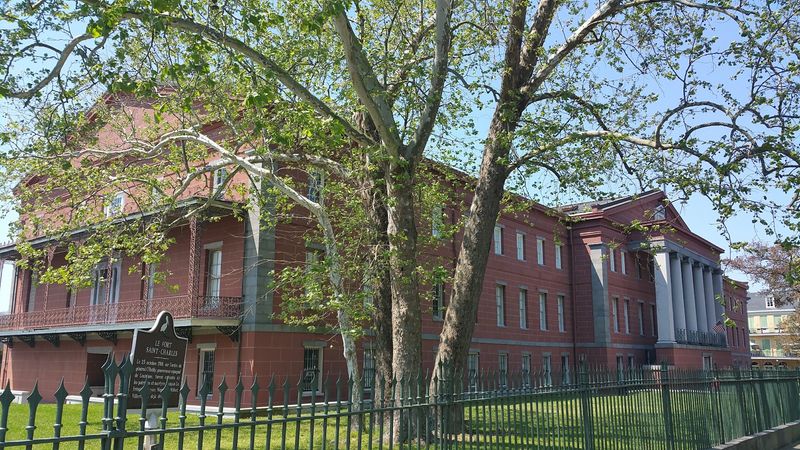
The festival includes practical measures to help visitors stay comfortable in August heat, such as misting fans and designated chill zones with complimentary neck chillers. The museum provides wheelchair accessible entry points and staff at the information desk who can advise on quieter routes through exhibits.
Indoor spaces offer relief from the heat and a chance to experience piano series and lectures in air-conditioned rooms. Restroom locations and hydration points are marked on festival maps to help with planning a day that balances activity and rest.
If you have specific mobility or sensory needs, contact the museum ahead of the festival to confirm accommodations and to request any assistance that ensures a smoother visit.
Seasonal Timing And Weather Tips
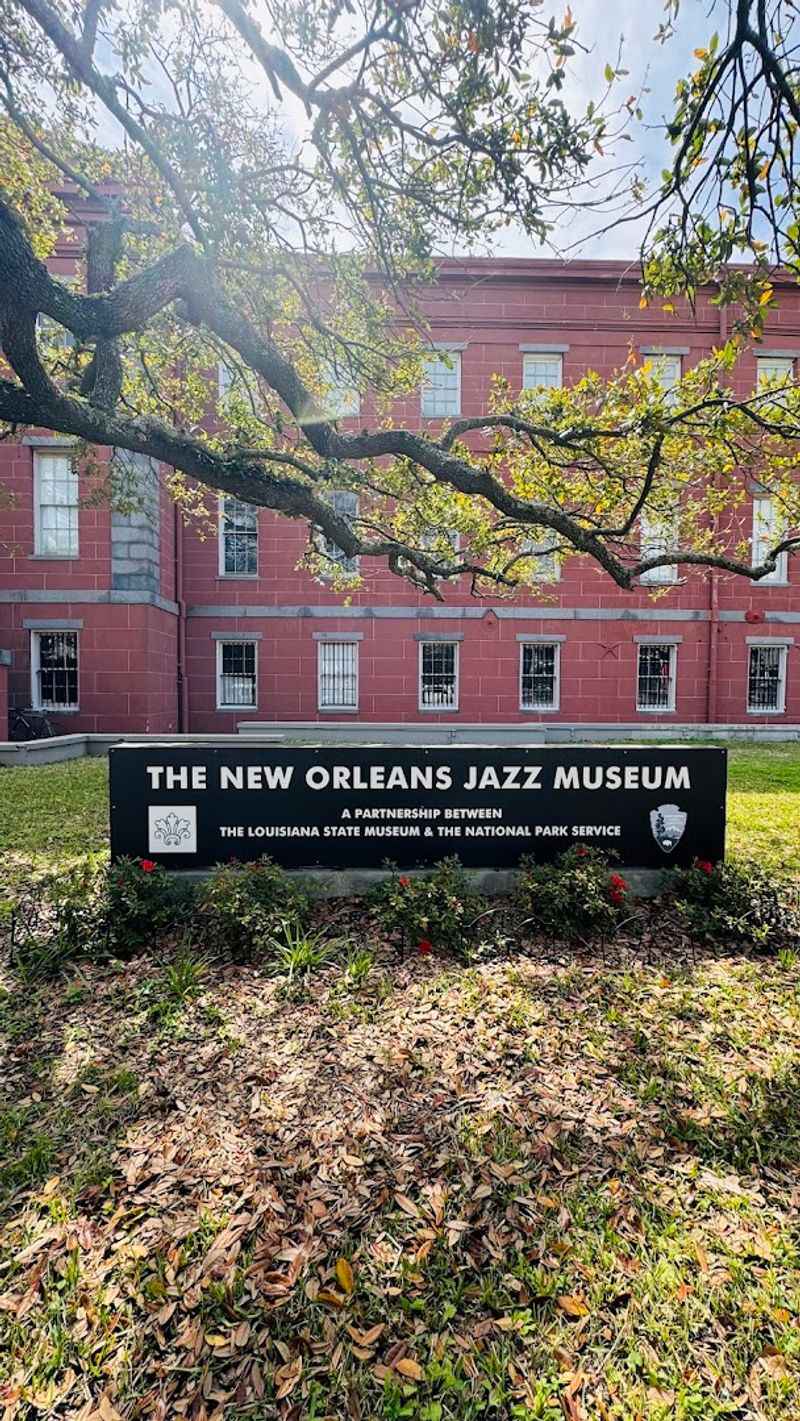
August in New Orleans is hot and humid, and the festival schedule reflects that reality with midday shade and evening sets that feel more comfortable. Early arrival helps avoid peak heat and lets you enjoy morning exhibits before the courtyard fills and temperatures rise.
Chill zones and misting fans are useful but not a replacement for sensible pacing: hydrate frequently and plan breaks in air-conditioned galleries between energetic outdoor performances. Sudden summer showers are possible so a lightweight poncho or packable cover helps more than an umbrella in crowded spaces.
Check forecast and event updates before you go, times or routes for the second line may shift with weather or city logistics, and flexibility keeps the day enjoyable.
Shopping And Souvenirs
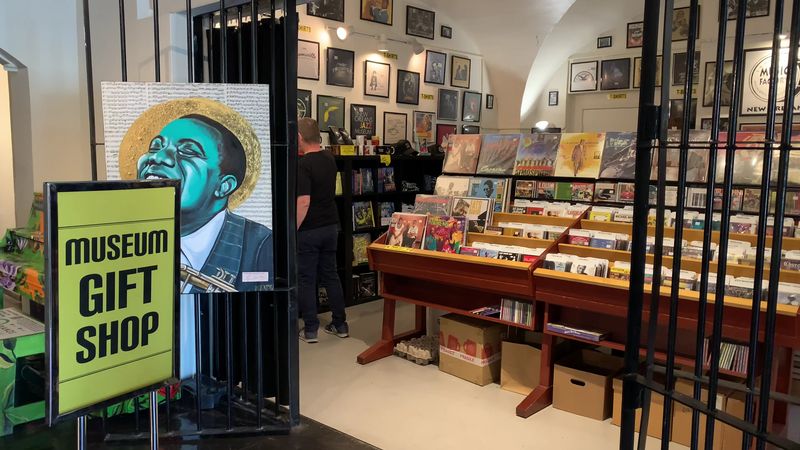
The museum shop offers thoughtful souvenirs that reflect the festival’s spirit, records, books, T shirts, and prints that make meaningful reminders of Satchmo SummerFest and New Orleans music. Selections often include recordings and materials related to Louis Armstrong that deepen the festival’s educational thread.
Gift shop hours align with museum times, and lines form after popular afternoon concerts so visiting during a quieter morning slot makes browsing easier. Staff can recommend lesser-known recordings if you want to take home music that extends the festival’s experience.
Bring a small tote for purchases and check payment options since some festival stalls are cashless while the shop accepts cards; stamps for mailed postcards are sometimes available at the front desk.