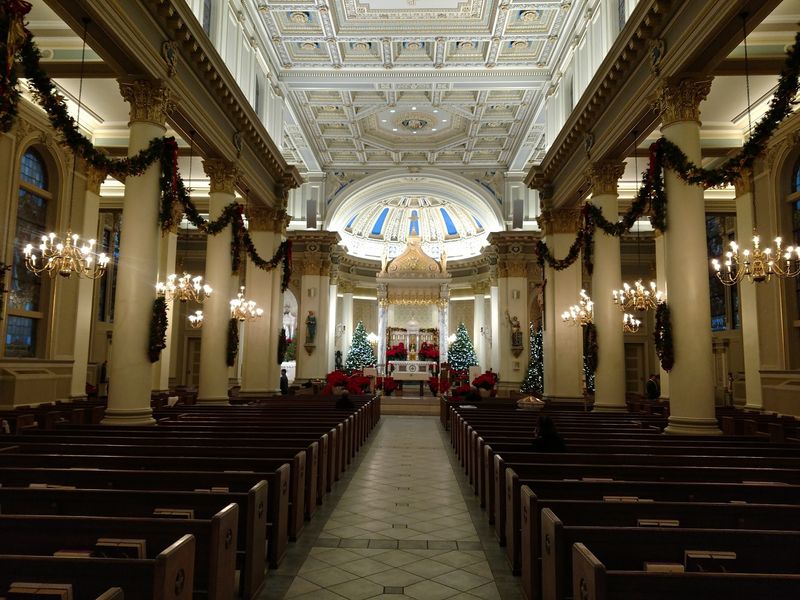
Thibodaux has a church on Canal Boulevard that many visitors compare to the big-city cathedrals of the country. St. Joseph Co-Cathedral was finished in 1923, and its ornate ceiling, marble sanctuary, old stained glass and gold-touched statues give a bayou town an interior that feels pulled from Old World Europe.
It also keeps a reliquary for St. Valerie of Milan, which draws people who come only to pray. Here is what makes the building stand out and what to know before you walk through its doors.
A Co-Cathedral On Canal Boulevard
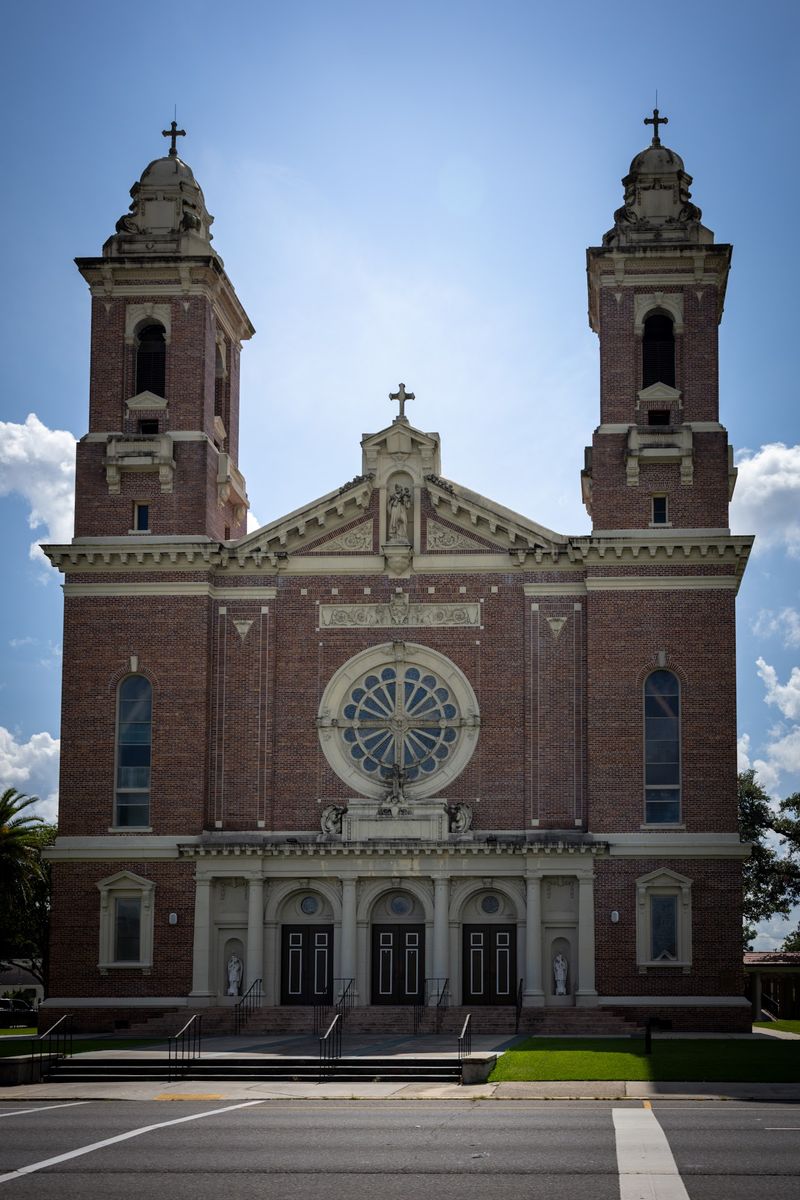
Drive down Canal Boulevard in Thibodaux and the street suddenly gets taller. At number 721 sits St. Joseph Co-Cathedral, a Catholic church whose size and detail surprise people who expect a modest small-town parish.
Thibodaux is the seat of Lafourche Parish, a working town along Bayou Lafourche that also holds Nicholls State University. Most of its daily rhythm runs through classrooms, sugarcane country, shops and family homes.
The co-cathedral fits into that rhythm as a place of worship first, not as a museum built for tourists.
Still, the building draws visitors. Some come for Mass, some for a quiet prayer, and some simply because they heard the inside is worth seeing.
One visitor described it as rivaling many of America’s great cathedrals in beauty, which is a bold claim for a church in a town of this size.
That claim is the reason this story exists. The sections ahead walk through the building’s history, its ceiling, glass, marble and statues, the relic that brings pilgrims, and the practical details of planning a stop.
Everything here comes from what the church and its visitors have shared, so the picture stays grounded in what you will actually find.
Why Thibodaux Shares A Cathedral Title
Few Louisiana towns can claim half of a cathedral. The word co-cathedral means a diocese treats two churches as its main seats, and Thibodaux holds one of them.
St. Joseph serves that role for the Diocese of Houma-Thibodaux, which covers this stretch of bayou country. The arrangement reflects how the region grew, with two neighboring towns each carrying weight in local Catholic life.
Instead of choosing one, the diocese recognizes both.
For a visitor, the title matters in a simple way. A cathedral is expected to be the showpiece of a diocese, the place where big ceremonies happen and where builders aimed high.
St. Joseph meets that expectation, and the rank helps explain why a town of Thibodaux’s size has a church with so much marble and gold inside.
The status also shapes the mood on Canal Boulevard. You are not walking into a chapel tucked behind a parking lot.
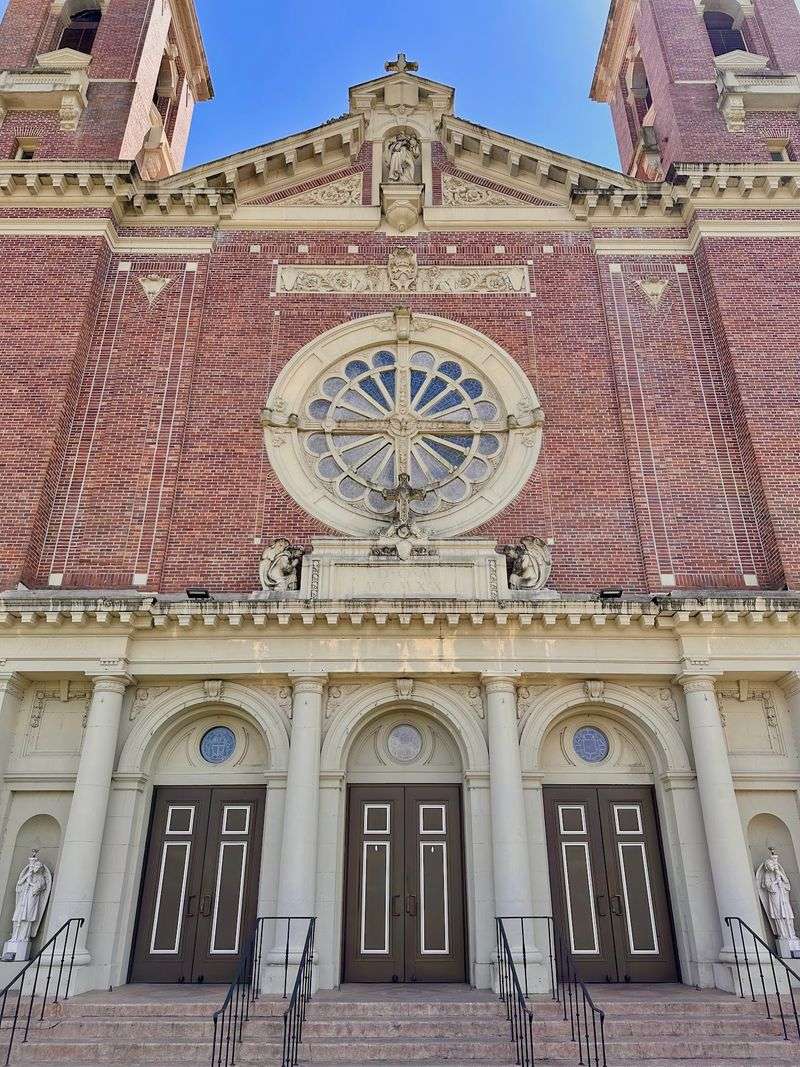
You are walking into a building meant to speak for an entire region’s faith, and the scale of the front steps makes that clear before you reach the doors.
A deacon serving in the diocese once called it the most beautiful church in the whole state, a personal opinion but a telling one.
Three Years Of Building, 1920 To 1923
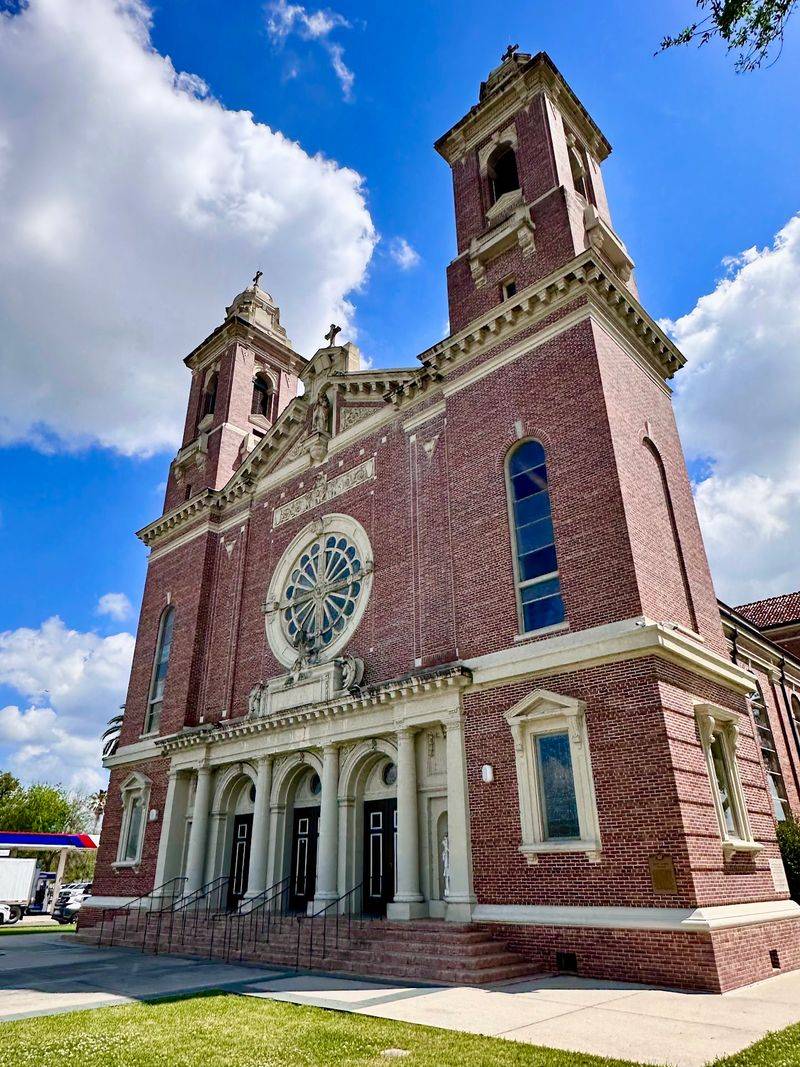
Construction began in 1920, and the church was finished in 1923. Three years is a reasonable stretch for a building of this ambition, especially in a small town in the years right after the First World War.
The early 1920s were a period when many American Catholic communities were building big. Parishes that had grown for decades wanted churches that matched their size and their hopes.
In Thibodaux, that meant a structure designed with ornament inside and out, rather than a plain hall with pews.
Exact records of the architects and craftsmen are not part of the information gathered here, so this article will not guess at names. What can be said is that the finished building has held up well for a century.
Visitors who grew up attending Mass here note that the church is always clean and the grounds are kept in fine shape.
That kind of care matters with older buildings in south Louisiana. Heat, humidity and storms are hard on stone, plaster and glass.
A church that still looks this polished after a hundred years points to a congregation and staff who treat upkeep as a steady habit, not a once-a-decade project.
An Exterior That Earns The Stop On Its Own
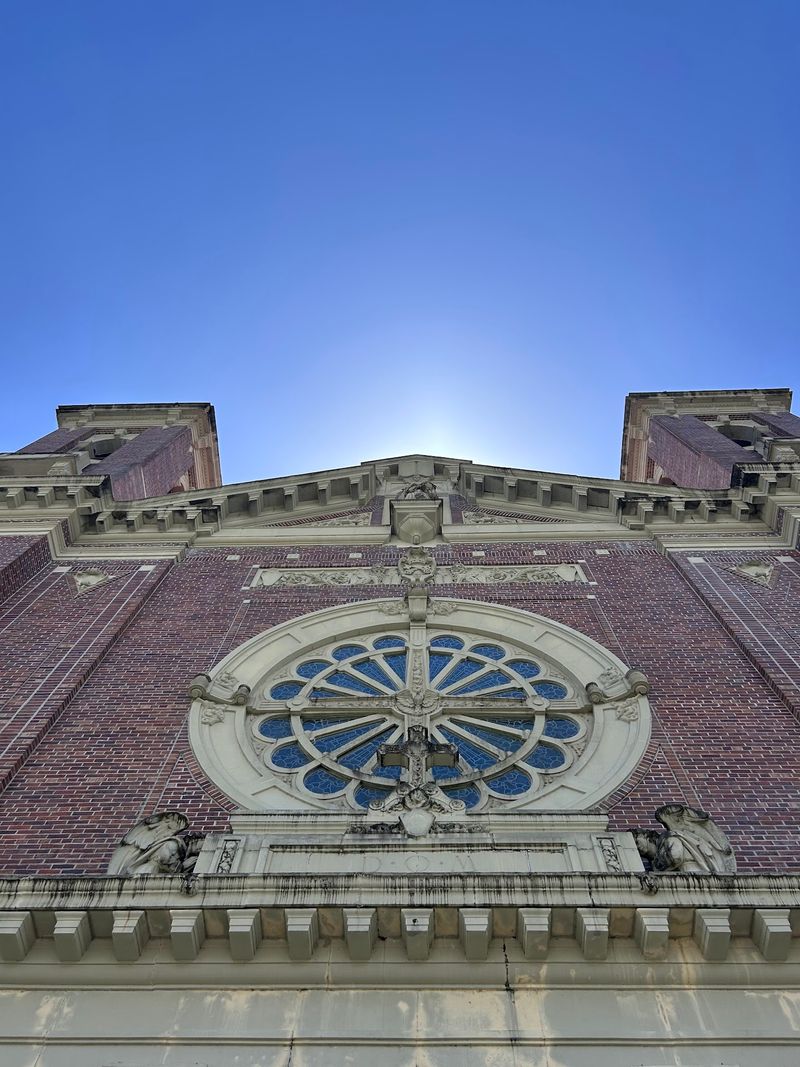
Not every traveler gets inside. One visitor admitted the doors were closed during their stop, yet still said the outside alone made the visit worthwhile.
That says a lot about the facade. Church buildings from the 1920s often put heavy effort into their fronts, since the street view was how a whole town would know the parish.
At St. Joseph, the exterior ornament carries enough detail that people linger on the sidewalk, look up and take photos even without seeing the nave.
The grounds help too. Former parishioners mention how well maintained the property is, and tidy lawns and walkways frame the building in a way that makes it easy to stand back and take in the full shape.
Canal Boulevard gives a clear line of sight, so you are not squinting at it from a cramped side street.
If you arrive outside of open hours, do not count the trip as a loss. Walk the perimeter, study the entrance, and notice how the building sits against the low profile of the surrounding town.
Then plan to return during a weekday morning, when Mass schedules make it far more likely that you will get inside.
The Ornate Ceiling Above The Pews
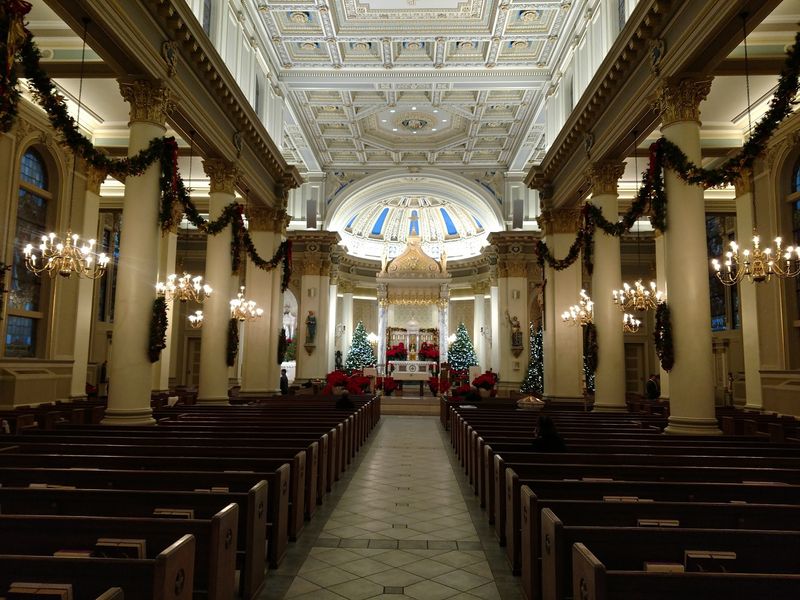
Tilt your head back. That is the first instinct for many people who step inside, because the ceiling is where the church begins to feel European rather than bayou-born.
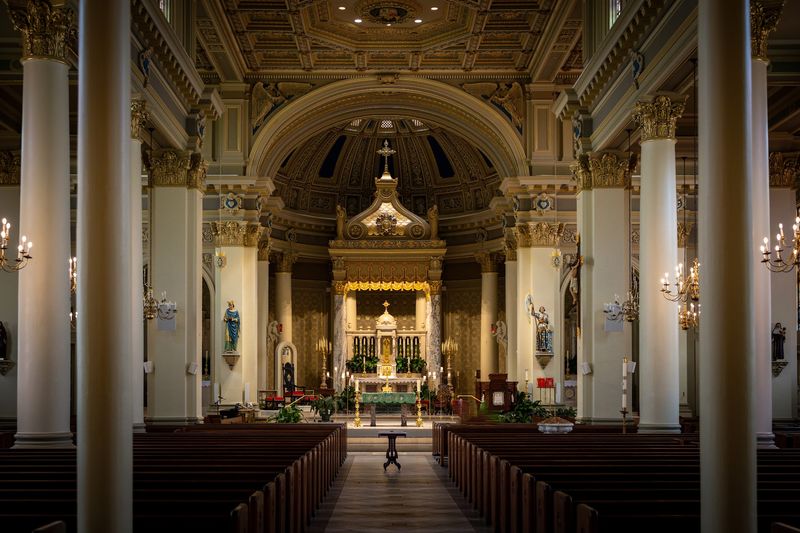
Visitors describe it simply as ornate, and that word covers a lot of ground. Decorative ceilings in churches of this period were meant to draw the eye upward, toward the altar and toward heaven, using pattern, color and detail that change as you walk down the aisle.
At St. Joseph, the ceiling works with the gold accents and statues to give the room a richness that photos struggle to capture.
It is the kind of overhead space that people from small Louisiana towns might expect to see in Munich or Rome, not twenty minutes off the highway. That contrast is part of the appeal.
The town outside is low and practical, while the interior rises into something layered and deliberate.
Take your time with it. The detail rewards a slow look from several spots, including the back of the nave and somewhere closer to the sanctuary.
Light from the windows shifts across the surfaces during the day, so a morning visit and an afternoon visit can feel surprisingly different.
Old Stained Glass And Its Changing Light
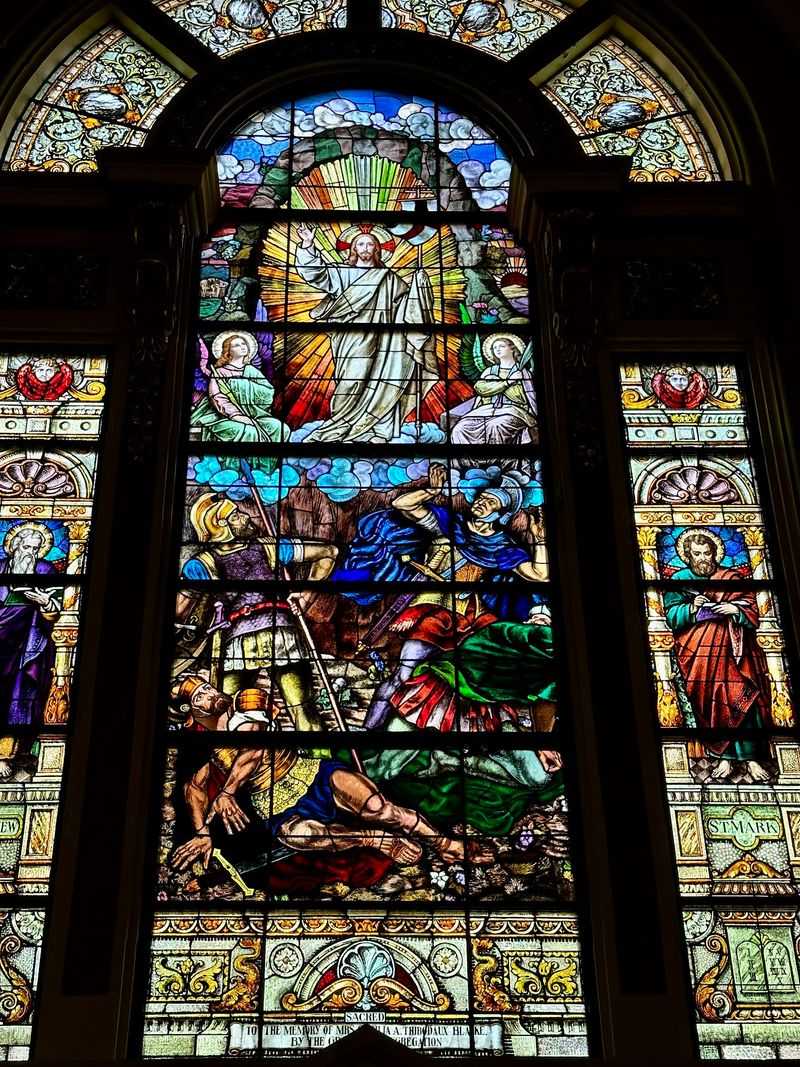
Sunlight in south Louisiana is strong, and old stained glass knows how to use it. Visitors at St. Joseph single out the windows as one of the interior’s defining features.
The glass is described as old, which fits a building finished in 1923. Many American churches of that era ordered windows from established European or American studios, though the specific maker for these panels is not documented in the material gathered for this story.
What matters on a visit is how the windows behave, and they fill the nave with color that moves across the floor and pews as the day goes on.
The windows also tie the room together. Colored light falls on the marble, picks up the gold, and softens the statues, so the space never feels static.
Early morning Mass, when light comes in at a low angle, is a good time to notice that effect.
If you enjoy reading windows the way some people read paintings, bring patience. Stained glass in Catholic churches traditionally tells stories of saints and scripture.
Walking slowly along the side aisles lets you study each panel without interrupting anyone praying in the pews.
Marble Sanctuary And Glints Of Gold
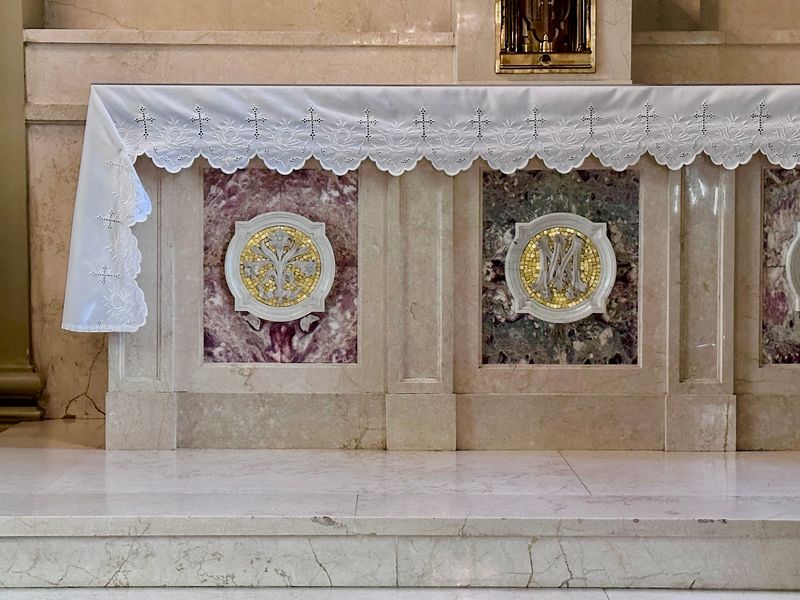
Gold catches the eye fast. One longtime visitor summed up the church as a place of beauty with all the gold and statues, and that impression starts at the front.
The sanctuary is marble, according to a visitor who attended a concert there. Marble gives the altar area a cool, solid presence that contrasts with the warmth of the colored windows.
Paired with gilded details, it creates the focal point the whole room seems arranged around.
In Catholic architecture, the sanctuary is the most important part of the building, where the altar stands and Mass is celebrated. Builders traditionally saved their finest materials for it.
At St. Joseph, that tradition is on clear display, and it helps explain why so many people describe the church as stunning rather than merely pretty.
Visitors should remember the sanctuary is an active worship space, not an exhibit. Admire it from the nave, and avoid stepping past rails or onto the altar platform unless invited.
Photography customs vary, so it is wise to check with staff or follow posted guidance, especially during services.
Even from a respectful distance, the marble and gold read clearly. You will not need to get close to understand why people remember them.
Statues Of Saints Throughout The Nave
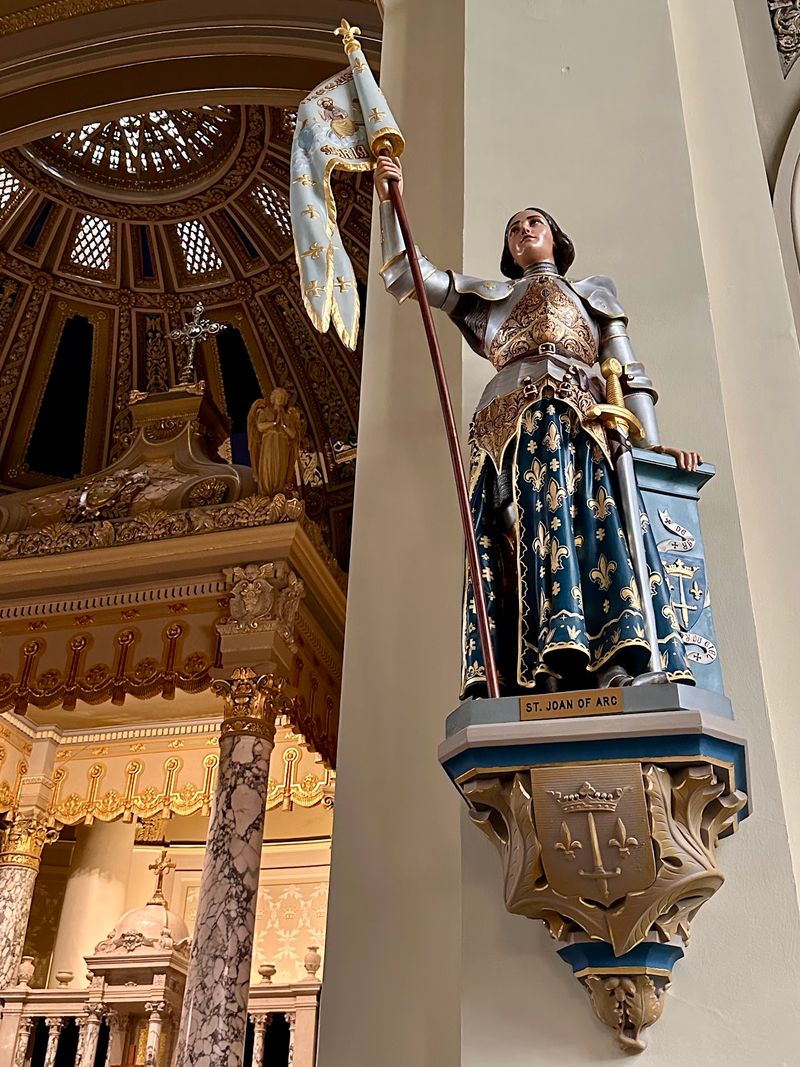
Count the faces. Around the church, statues of saints watch from niches and pedestals, and visitors repeatedly mention the statuary as a highlight.
One person called the statues beautiful throughout the building, while another spoke of the amazing people they represent. In Catholic tradition, statues are not decoration alone.
They serve as reminders of holy lives, and parishioners often stop before a favorite saint to pray or light a candle.
That gives the nave a lived-in quality. You may notice flowers left at a particular statue, or someone kneeling quietly off to the side.
The art is in daily use, which makes it feel warmer than statues behind glass in a gallery.
Because the church is dedicated to St. Joseph, it is worth looking for his image in a place of honor. Joseph holds a special place in south Louisiana Catholic life, tied to family, work and the March feast many households still observe.
Take a slow lap if the church is quiet. Each statue has its own color palette and pose, and walking the edges of the nave lets you see how they were placed to guide the eye toward the sanctuary at the front.
The Reliquary Of St. Valerie Of Milan
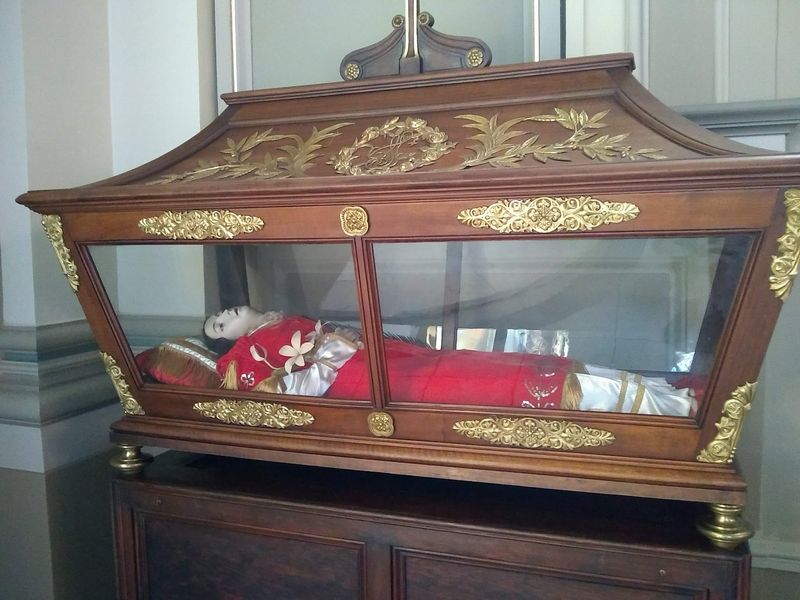
Some visitors drive to Thibodaux for one reason only. The co-cathedral holds a reliquary for St. Valerie of Milan, and people have come specifically to pray before it.
A relic is a physical object connected to a saint, and Catholic churches keep them in decorated containers called reliquaries. Having one in a Louisiana town is unusual enough to draw pilgrims, and one couple reported that everyone they met during their visit was friendly and kind.
Another visitor described seeing a woman who had turned into stone, along with a written account of how she lived her life. Their words suggest the display looks lifelike or sculptural, though the church itself is the best source for exactly what is shown.
Either way, the accompanying story clearly leaves an impression, since that visitor found it fascinating to see and learn about.
St. Valerie is traditionally honored as an early Christian of Milan, remembered alongside her family for faithfulness. Reading the posted account before you approach adds context and makes the moment more meaningful.
Treat the area as a prayer space. Keep voices low, give people room, and if you have questions, the parish office can likely explain the relic’s history.
A St. Joseph’s Altar Worth Planning Around
March brings a different kind of beauty. Visitors have described an amazing St. Joseph’s altar at the co-cathedral, and several mentioned going specifically to see it.
St. Joseph’s altars are a beloved Louisiana Catholic custom with Sicilian roots. Tiered tables are covered with breads shaped into symbols, cookies, citrus, flowers and candles, all arranged beneath an image of the saint.
Families and parishes build them around his feast on March 19, and the food is traditionally shared with others.
A church named for St. Joseph has every reason to go big with the tradition. One visitor said simply that they went to the altar there and found the whole church beautiful, which suggests the display draws people who might not otherwise step inside.
If you want to see it, plan ahead. Dates and hours for altar viewings can change from year to year, so calling the parish office or checking the church website in late winter is the smart move.
Arriving early in the day can mean fewer crowds.
Even if your trip falls in another season, knowing the tradition helps you understand the patron saint’s importance here and why his name sits over the door.
Acoustics Built For Unamplified Voices
Four singers, no microphones, and a room that did the rest. That was the experience of a visitor who attended a performance by Voces ad Opus, an a cappella group of four.
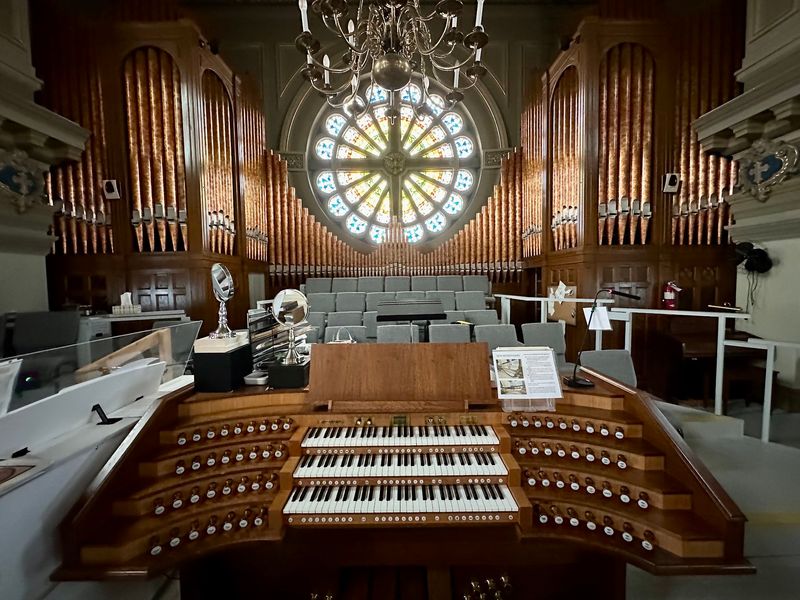
They said the sound was fantastic without any sound system. Older churches were designed before electric amplification, so their builders relied on height, hard surfaces and proportion to carry voices across the nave.
Marble, plaster and high ceilings all help sound bloom and linger.
For music lovers, that makes the co-cathedral worth watching for events. A concert in a space like this feels very different from one in a modern auditorium.
Notes rise into the ornate ceiling and settle back down, giving even a small group a full, rich presence.
The same qualities shape regular worship. Hymns at Mass, an organ prelude or a cantor’s solo all benefit from the room’s natural resonance.
One longtime parishioner spoke warmly of a church musician who meant a great deal to the congregation, a reminder of how central music is to life here.
Check the parish website or call ahead if you hope to catch a concert, since performances are occasional rather than regularly scheduled.
Daily Worship And Who Feels At Home Here
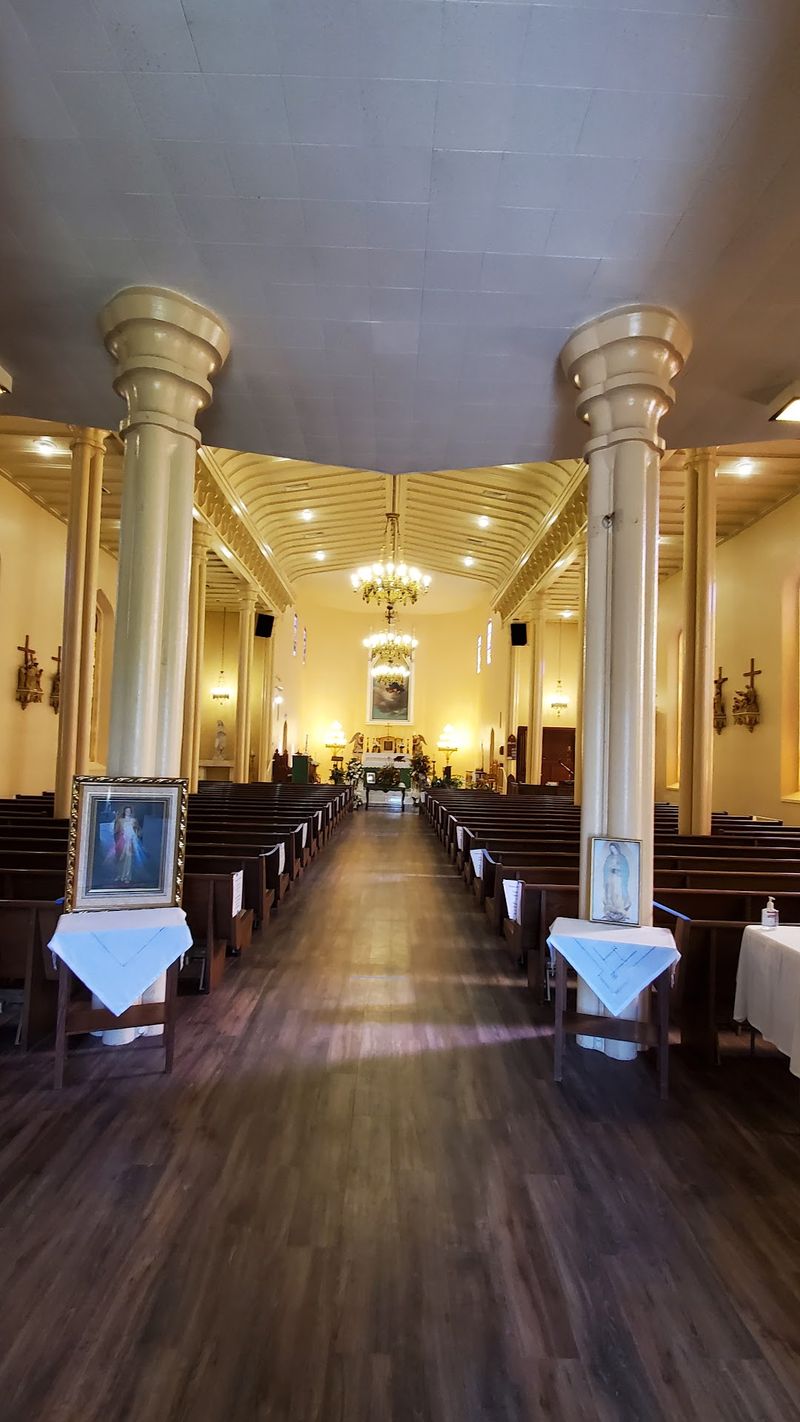
Beauty is not the main point, according to the people who pray here. One visitor praised the church as fully a house of prayer, built for the glory and honor of God, and that purpose shapes everything about a visit.
St. Joseph is an active parish. Mass and Confessions have been offered every weekday morning, and parishioners mention attending weekend services faithfully.
Someone described an early Mass as a calming, inspiring way to start the day.
That makes the church a good fit for Catholic travelers who want to attend Mass in a striking setting, pilgrims coming for the relic, and anyone drawn to sacred art and architecture. A visitor encouraged people to stop by even if they are not Catholic, and quiet, respectful guests generally blend right in.
Parishioners have also spoken kindly of the pastor and staff, describing them as welcoming and helpful. Experiences can vary, and one person reported difficulty getting a call returned, so persistence or an in-person visit to the office may help with specific requests.
Dress modestly, silence your phone, and remember that weddings, funerals and other services may affect when the nave is open for casual viewing.
Planning Your Stop In Thibodaux
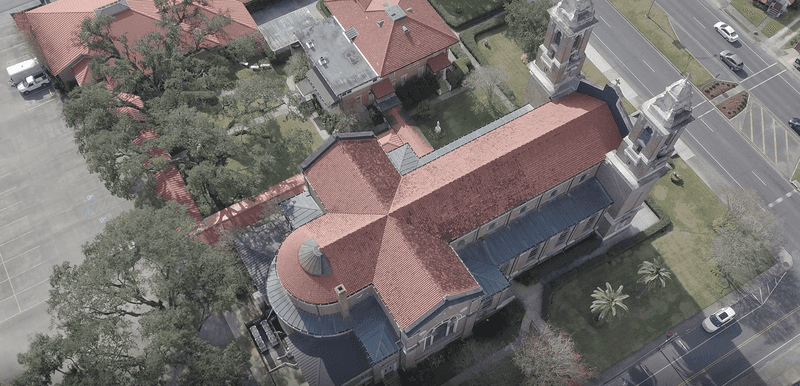
Practical details first. St. Joseph Co-Cathedral sits at 721 Canal Blvd, Thibodaux, LA 70301, in the heart of town and an easy drive from Houma, Raceland and the rest of bayou country.
The parish phone number is 985-446-1387, and the church keeps a website at stjoseph-cc.org with contact information. Specific visiting hours were not available for this story, so calling ahead is the best way to confirm when the doors are open, especially if you are traveling far.
Weekday mornings are a solid bet, since Mass and Confessions have been held then. Arriving shortly after Mass ends may give you a quieter window to look around.
No admission price is mentioned anywhere in the available information, which is typical of an active parish church.
Give yourself at least half an hour inside and a few more minutes outdoors with the facade. If you plan to see the St. Valerie reliquary or a March St. Joseph’s altar, build in extra time.
Thibodaux itself makes a pleasant pairing. Nicholls State University is nearby, and Bayou Lafourche runs through town, so a church visit fits easily into a broader afternoon on the bayou.
Gold, Glass And A Town Worth The Detour
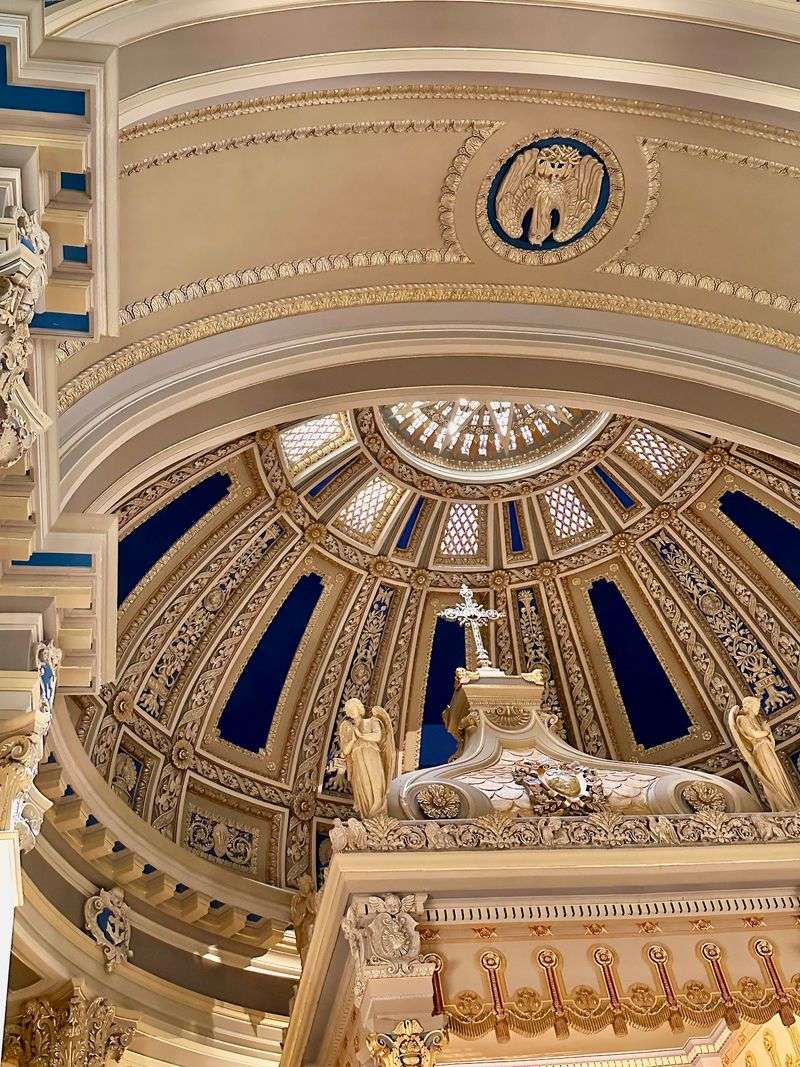
Picture the moment you step from the bright Thibodaux street into the nave. The air cools, the colored light from the old windows spreads across the pews, and the gold near the marble sanctuary catches your eye before anything else.
That shift is what St. Joseph Co-Cathedral offers. It does not depend on hype or tour buses.
It depends on a century-old building that people keep cleaning, praying in and returning to, with a reliquary that draws pilgrims and a St. Joseph’s altar that marks the calendar each spring.
Comparisons to Europe come naturally once you see the ceiling and statues, yet the church belongs firmly to Lafourche Parish. Parishioners grew up attending Sunday Mass here, singers have filled it with unamplified harmony, and travelers have stopped just to stand outside and look up.
If you find yourself on Canal Boulevard, give it a little time. Sit in a back pew, let your eyes travel from the windows to the ceiling, and listen to how quiet the room gets between footsteps.
That stillness, wrapped in so much craftsmanship, is the part most people carry home with them.