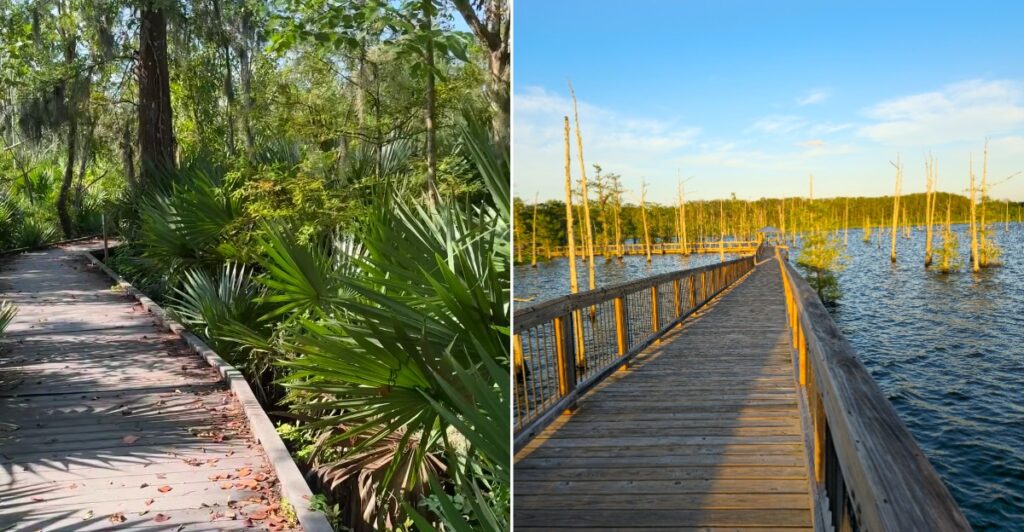
A bald cypress nicknamed the Monarch of the Swamp has been growing for roughly 600 years. You can stroll right up to it on a flat path of boardwalk and gravel, no climbing gear or fancy boots required.
That detail blew my mind. Louisiana also hides a pine-topped overlook folks call the Little Grand Canyon, plus a lake where roseate spoonbills and egrets nest above lurking alligators.
I love that these walks ask so little from your legs and lungs. Most stay flat, several are short, and a few glide along on boardwalks or smooth pavement.
The scenery, though, looks like a film crew spent months scouting locations. Mossy oaks, glassy bayous, reddish river water, and crumbling brick ruins wait just past the trailheads, so which one is calling your name first?
1. Cane Bayou Track
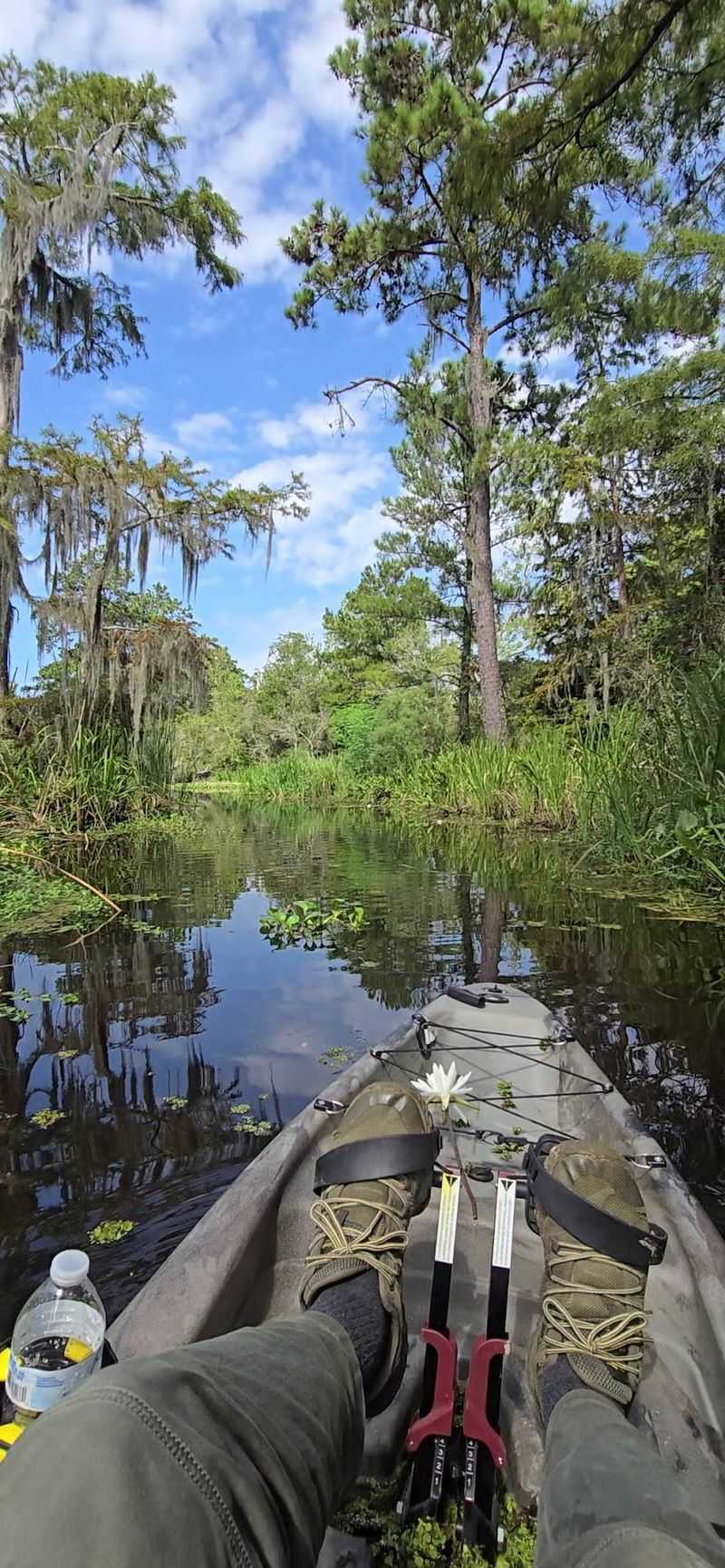
Sugar mill ruins from 1829 make a pretty dramatic opening scene for a nature walk. Bernard de Marigny built that mill, and he also founded nearby Mandeville.
The Cane Bayou Track winds about 4.6 miles through Fontainebleau State Park. It stays easy the whole way, so your focus can stay on the views instead of your breathing.
Expect bayou views, tall cypress trees, and open marsh along the route. Bird fans should pack binoculars, since a range of species hang out in these habitats.
Fair warning, though, the track can get muddy. Leave the white sneakers at home and grab shoes you don’t mind scrubbing later.
The park itself has a long backstory. Its land was once a sugar cane plantation and brickyard before the Civilian Conservation Corps developed it between 1938 and 1942.
That work earned the park a spot on the National Register of Historic Places in 1999. Not bad for a place that started out making bricks.
After your hike, you’ve got options. Fontainebleau offers picnic areas, a playground, fishing, and a sandy beach along Lake Pontchartrain.
The Tammany Trace also runs through the park, in case your legs want more. Honestly, you could fill a whole Saturday here without trying very hard.
Spring and fall tend to bring comfortable hiking weather in south Louisiana. Summer walks work too, as long as you start early and carry water.
Address: 62883 U.S. Hwy. 190, Mandeville, LA 70448
2. Longleaf Vista Interpretive Trail
Louisiana is famously flat, so a view nicknamed the Little Grand Canyon sounds like a prank. It’s not, and the Longleaf Vista Interpretive Trail proves it.
This easy 1.5-mile loop sits in Kisatchie National Forest near Provencal. It looks out over the Kisatchie Hills Wilderness Area, where rugged ridges roll toward the horizon.
The variety packed into such a short walk is wild. You’ll pass meadows, bottomland hardwoods, high mesas, creeks, and sandstone formations along the way.
Longleaf pines steal the show, though. These forests have their own special ecology, and walking through one feels like a scene from an old Western.
Timing matters if you love color. In March, Carolina jessamine and wild azaleas bloom along the trail, adding yellow and pink to the greenery.
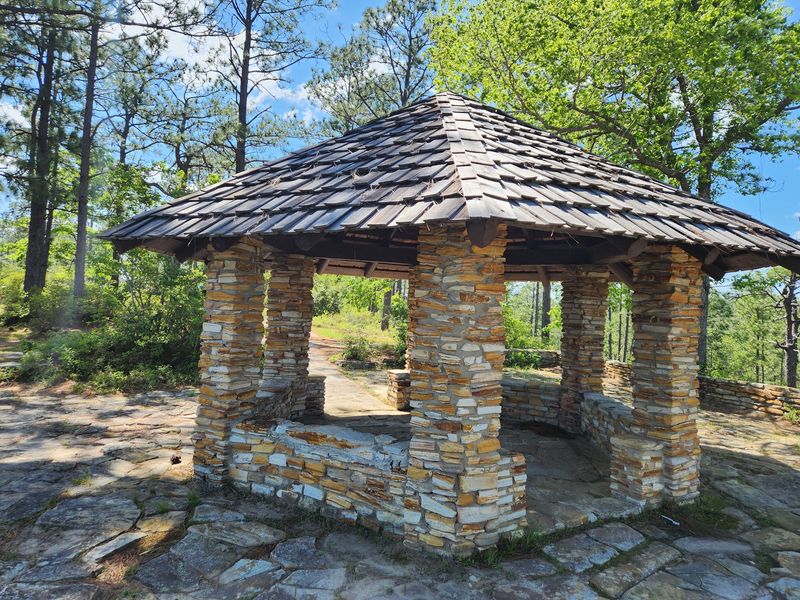
The trailhead offers a stone gazebo for soaking up the overlook. Picnic areas with grills, flush restrooms, and drinking water make it easy to linger.
Even better, the site is open 24 hours and charges no fee. Check the forest’s alerts page before you go, since temporary closures can pop up.
Here’s a fun bit of history for the drive. The forest takes its name from the Kichai tribe, and the area saw heavy timber harvesting in the late 1800s.
Pack a lunch and claim a grill. Sunset over those hills would make any movie director jealous.
Address: 229 Dogwood Park Road, Provencal, LA 71468
3. Bayou Coquille Trail
Six hundred years is a long time to stand in one spot. Yet the Monarch of the Swamp, a giant cypress, has pulled it off.
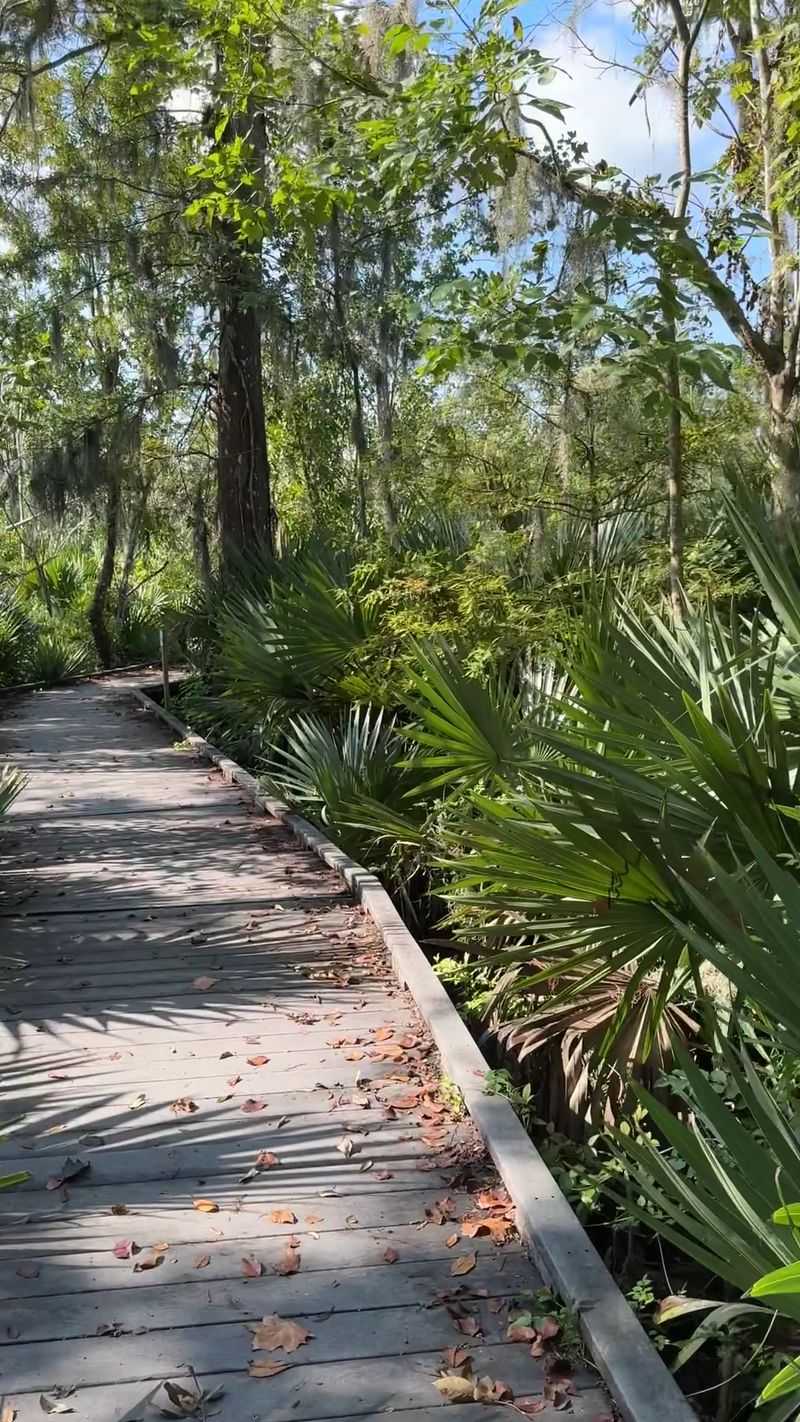
You’ll find it on this trail in the Barataria Preserve, part of Jean Lafitte National Historical Park and Preserve. Its mix of boardwalk and packed gravel makes it friendly for many visitors, including wheelchair users.
The route also passes an American Indian shell mound. It’s a quiet reminder that people have valued this landscape for a very long time.
The preserve covers more than 26,000 acres of hardwood forest, swamp, bayous, and marsh. Keep your eyes peeled for alligators, herons, egrets, turtles, butterflies, and lizards.
Early birds get a bonus here, literally. Barred owls are sometimes spotted in the mornings, so a morning visit could pay off.
Plan around the clock, since trails and parking lots are open daily from 9 a.m. to 4:30 p.m. The Visitor Center opens Wednesday through Sunday from 9:30 a.m. to 4:30 p.m.
Inside, you’ll find exhibits and ranger programs that explain what you just walked through. The preserve itself was established in 1978.
These wetlands were shaped over about seven thousand years by the wandering Mississippi River and tropical storms. Standing on the boardwalk, you’re basically looking at a slow-motion masterpiece.
Address: 6588 Barataria Blvd, Marrero, LA 70072
4. Tammany Trace
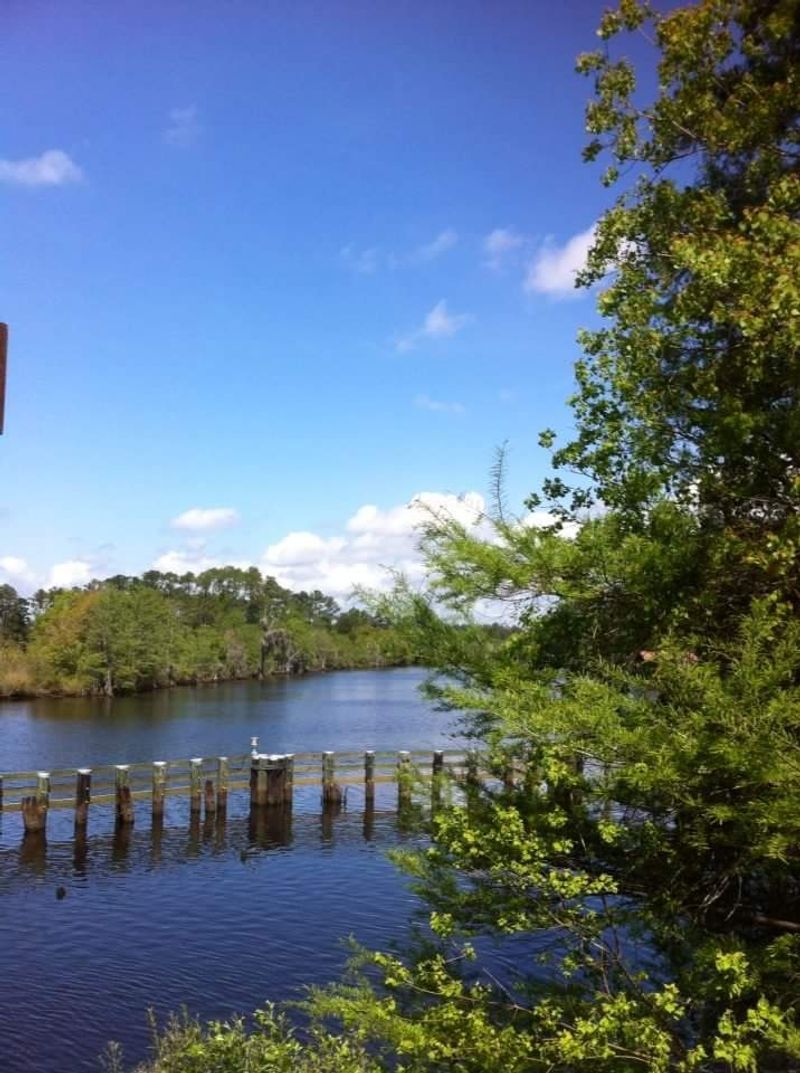
Trains used to rumble down this corridor, and now strollers and bikes have taken over. The Tammany Trace is Louisiana’s first rail-trail, stretching 31 miles on smooth asphalt.
It links five communities: Covington, Abita Springs, Mandeville, Lacombe, and Slidell. Along the way, you’ll roll past piney woods, moss-draped oaks, parks, historic landmarks, and wetlands.
The best part is how flexible it feels. Walk a mile, bike ten, or push a wheelchair along the level path without wrestling roots or rocks.
Start at the Mandeville trailhead on Koop Drive, where a green caboose serves as an information center. Restrooms, water fountains, a pavilion, a playground, and picnic tables are nearby.
Points of interest pop up along the route, too. Look for the Abita Trailhead Museum, the Mandeville Community Market, and the Covington Trailhead with its amphitheater and visitor center.
The parish acquired the old Illinois Central Railroad corridor on December 20, 1992. In 2017, the Trace earned a spot in the Rails-to-Trails Hall of Fame.
Horse lovers get their own treat. A separate equestrian path runs alongside the Trace in several areas.
The Trace is generally open daily from 7 a.m. to 5 p.m. Several bridge closures are scheduled from August 2026 through May 2027 for replacement work, so check before you go.
Back in the late 1800s, New Orleanians escaped the summer heat out here. Turns out they had the right idea.
Address: 21490 Koop Drive, Mandeville, LA 70471
5. Lake Martin Loop Trail
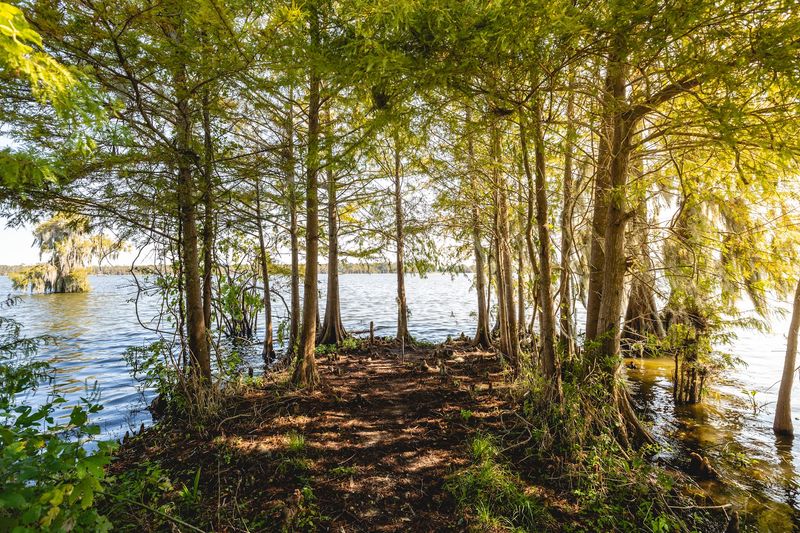
Roseate spoonbills look like someone colored a heron with a pink highlighter. At Lake Martin, you can watch them alongside plenty of other feathered stars.
The Lake Martin Loop Trail follows a levee for about 5.2 miles in Cypress Island Preserve. It’s mostly flat, with barely any elevation gain to slow you down.
Bald cypress and water tupelo trees line the water, draped in Spanish moss. It’s the kind of view that makes you wonder if a swamp movie is filming nearby.
The lake hosts a nationally significant waterbird rookery. Herons, egrets, white ibis, anhingas, and those famous spoonbills call it home.
Alligators show up often, too. Give them plenty of space and keep pets and kids close to your side.
Now for the key planning tip. The levee trail closes each year from June 1 to October 1 during alligator nesting season, so check the status first.
A small visitor center and boardwalk sit at the south end of the lake. Paddling and cypress swamp tours are popular ways to see even more.
The lake has a past life, too. Once called Lake la Pointe, it got a five-mile levee in the early 1950s to keep water levels steady for recreation.
Bring a camera with a decent zoom. Those birds won’t pose up close just because you asked nicely.
Address: 1264 Prairie Hwy., St. Martinville, LA 70582
6. University Lake Trail

Who says you need to leave the city for a nature fix? In Baton Rouge, the University Lake Trail sits just east of the LSU campus.
This 1.5-mile loop circles University Lake with calm water views. Waterfowl often paddle around, giving you free entertainment as you walk.
The path stays mostly flat, with a mix of paved, sand, and dirt stretches. Feeling ambitious? It connects to a larger 5.5-mile loop that includes City Park Lake.
Getting started is simple. A trailhead at Milford Wampold Park on Stanford Avenue has restrooms and water fountains.
No permits or fees are needed, which makes spontaneous walks easy. Lunch break stroll, anyone?
The lakes have a surprising origin story. They were created in the 1920s by damming Bayou DuPlantier and timbering the old Perkins Swamp.
So that peaceful lake view was once a swamp. Nature and a little engineering teamed up to make something new.
Restoration work has been underway to deepen the lakes and improve water quality. The projects also add pedestrian paths, lighting, and benches.
Because work is ongoing, some sections may change during your visit. A quick look at local updates before heading out can save you a detour.
Sunrise and sunset are lovely times to circle the water. The reflections can look like a postcard come to life.
Address: Milford Wampold Park, 901 Stanford Ave, Baton Rouge, LA 70808
7. Black Bayou Lake Nature Trail
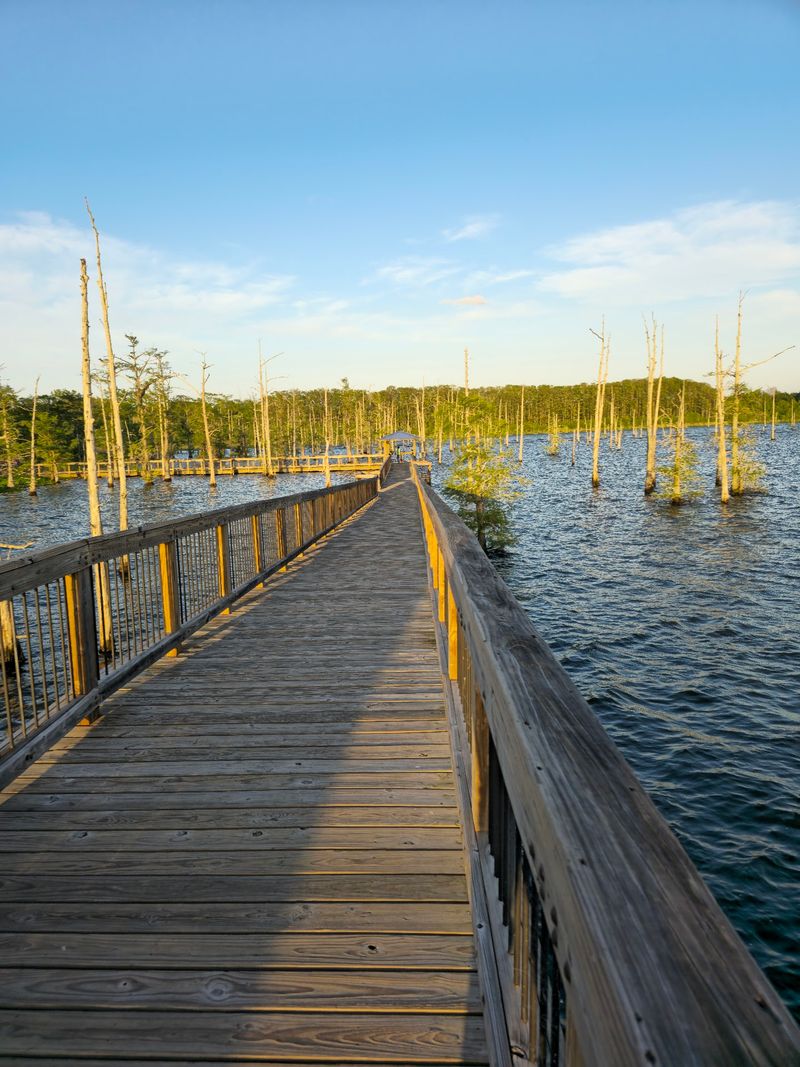
Two hundred thirty-one bird species have been recorded at Black Bayou Lake National Wildlife Refuge. That’s a lot of tweeting, and none of it involves your phone.
The Black Bayou Lake Nature Trail is a short loop near Monroe. An elevated boardwalk carries you through bottomland hardwoods, cypress groves, and along the lake’s flooded banks.
That boardwalk keeps your feet dry while the swamp does its thing below. It’s an easy way to see a wetland up close without wading in.
Wildlife fans, pay attention. Alligators, turtles, coyotes, and deer live here, along with that long list of birds.
Photographers get special treatment, too. Look for an observation deck, a wildlife pier, and a photo blind for sneaky shots.
The refuge was established in 1997. It surrounds a 1,500-acre shallow lake dotted with bald cypress and water tupelo trees.
Don’t skip the visitor center, a restored 19th-century planter’s house. Inside, the Conservation Learning Center features live animal displays.
Outside, you can explore an arboretum and a prairie demonstration area. Kids and curious adults can easily spend extra time here.
The refuge is open during daylight hours. Early morning light on the cypress trees can look straight out of a nature documentary.
Bring bug spray in warmer months, since this is wetland country. Your ankles will thank you later.
Address: 480 Richland Pl, Monroe, LA 71203
8. Comite Park Trail
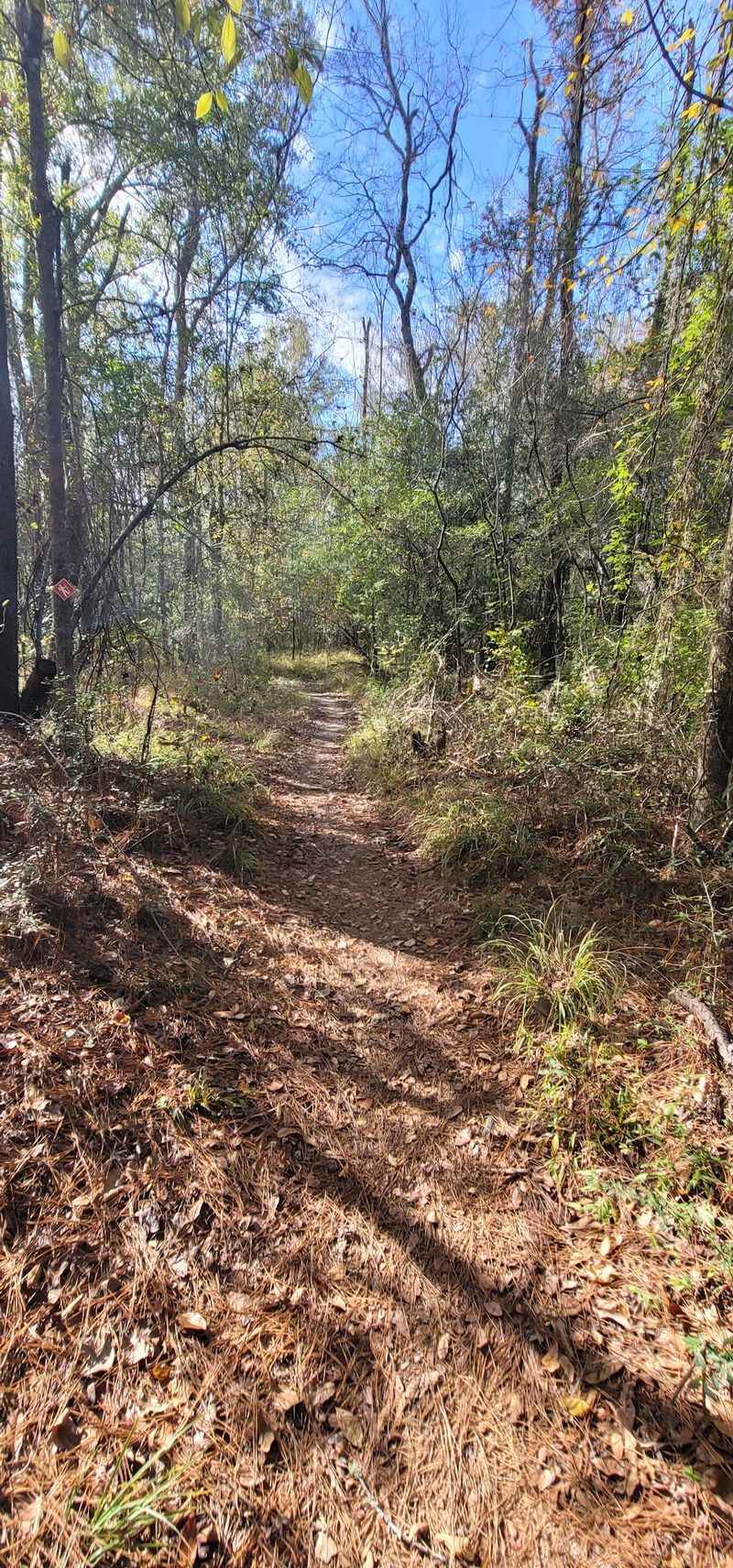
Hills in Baton Rouge? Yep, and you’ll find some along the Comite Park Trail.
Also called the Comite River and Kerry Stamey Trails, this system runs about 5.5 miles. It follows the banks of the Comite River and Cypress Bayou.
Now, a quick honesty check. Some sections include steep climbs and roots, so it’s not flat the whole way.
The good news is that difficult spots are typically well marked. Beginners can skip around them and stick to the mellow stretches.
Despite being close to the city, the park feels secluded. Trees and water muffle the outside world surprisingly well.
Mountain bikers love this place, but hikers are welcome. Walk in the opposite direction of cyclists so you can see riders coming.
Comite River Park is open daily from sunrise to sunset. Amenities include a covered picnic area, restrooms, and a bike cleaning station.
That picnic spot makes a nice finish line. Pack snacks and enjoy them in the shade after your walk.
Shorter outings work fine here. You don’t need to tackle the full system to enjoy river views and peaceful woods.
Good shoes help on root-covered sections. Light hiking shoes or trail runners should keep you steady.
Think of it as a choose-your-own-adventure trail. Easy walkers and eager climbers can both leave happy.
Address: 8900 Hooper Road, Baton Rouge, LA 70818
9. Arthur Ray Teague Parkway Trail
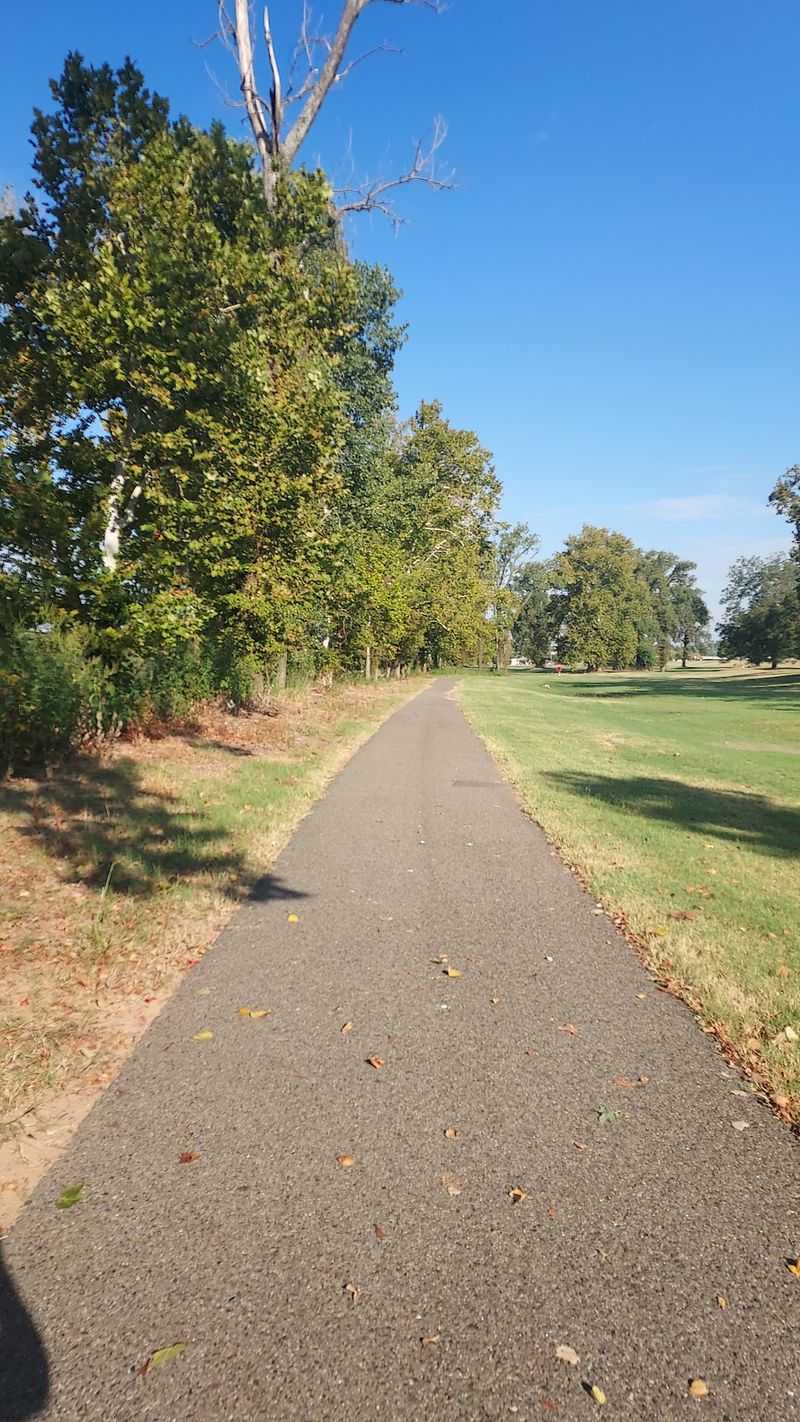
The Red River earns its name from the red soil that tints its water. Walk the Arthur Ray Teague Parkway Trail, and you get front-row seats.
This paved path runs 6.4 miles along the riverbank in Bossier City. At 8 feet wide, it leaves room for walkers, runners, and bikes.
The views stay open and wide, with river and greenery stretching out beside you. It feels a bit like the closing scene of a road-trip movie.
People use it for fun and for getting places. It connects to spots like Brookshire Grocery Arena and Walker Place Park.
Comfort stops come easy along the route. You’ll find benches, picnic tables, shelters, restrooms, and a boat launch.
Want a wilder feel? The southern section extends into the Red River National Wildlife Refuge area.
The first section opened in 1999. A final two-mile stretch was completed in 2017, giving the trail its full length.
High water closed portions back in 2015 and 2016. After heavy rain upstream, it’s smart to check conditions first.
Pavement makes this one great for strollers and wheels. You won’t need hiking boots, just comfortable shoes.
Bring a water bottle and pick a stretch that fits your mood. An out-and-back walk works perfectly on a riverside path like this.
Address: 2000 CenturyLink Center Drive, Bossier City, LA 71111
10. Black Swamp Trail
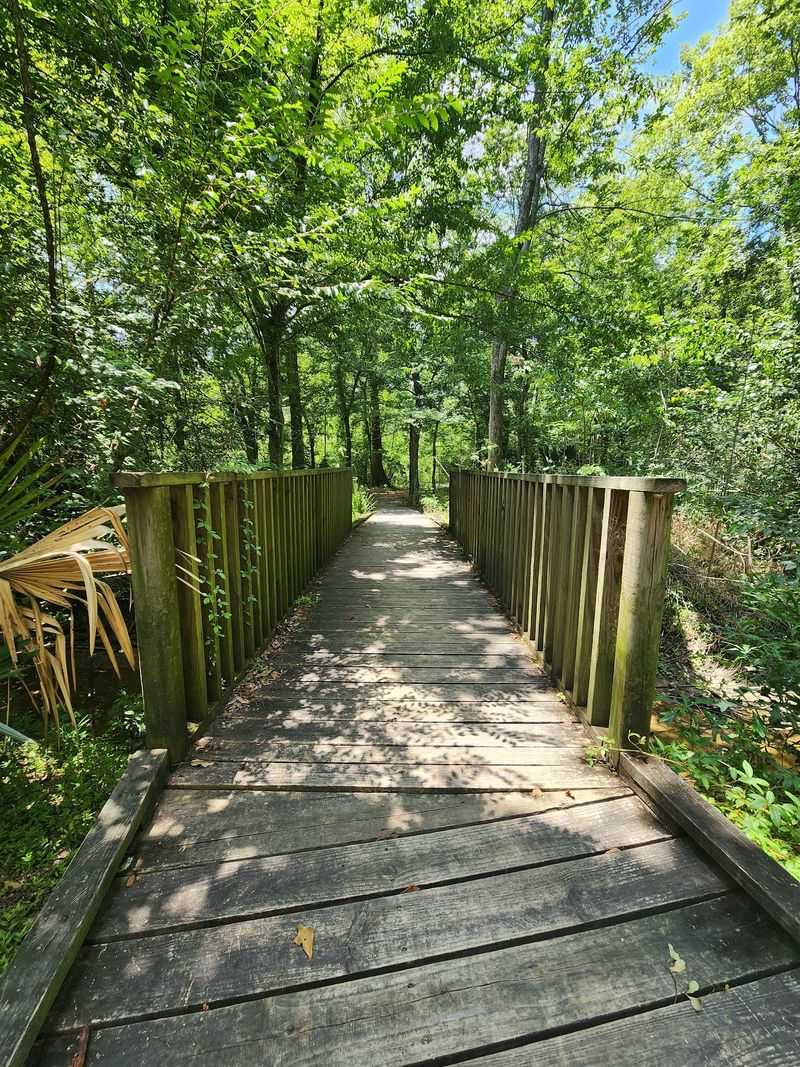
Tupelo trees about 200 years old rise from the swamp along this Baton Rouge trail. They were already growing when your great-great-grandparents were kids.
The Black Swamp Trail sits within the LSU AgCenter Botanic Gardens at Burden. A boardwalk and minimal elevation gain make it a comfortable walk.
Plants grow untamed here, which is the whole point. You get a real look at a local swamp environment and the wildlife living in it.
Informational signs line the path. They turn a pleasant stroll into a sneaky lesson, and nobody has to take a quiz.
A sculpture garden adds an artsy twist. Its pieces celebrate the region’s culture, so keep your eyes open between the trees.
The trail is part of Burden Woods, which reflects Steele Burden’s vision of an urban forest for the community. Pretty generous idea, right?
Gates open at 8 a.m., and the grounds stay accessible until 5 p.m. The gardens are open year-round, too.
Parking and restrooms are available in the larger garden complex. That makes it an easy pick for a quick outing.
Got extra time? Explore specialty gardens, arboreta, and the historic Windrush Gardens on the property.
The gardens also support LSU AgCenter research and coastal restoration programs. Your peaceful stroll sits right next to some serious science, and the swamp gets the final scene.
Address: 4560 Essen Lane, Baton Rouge, LA 70809