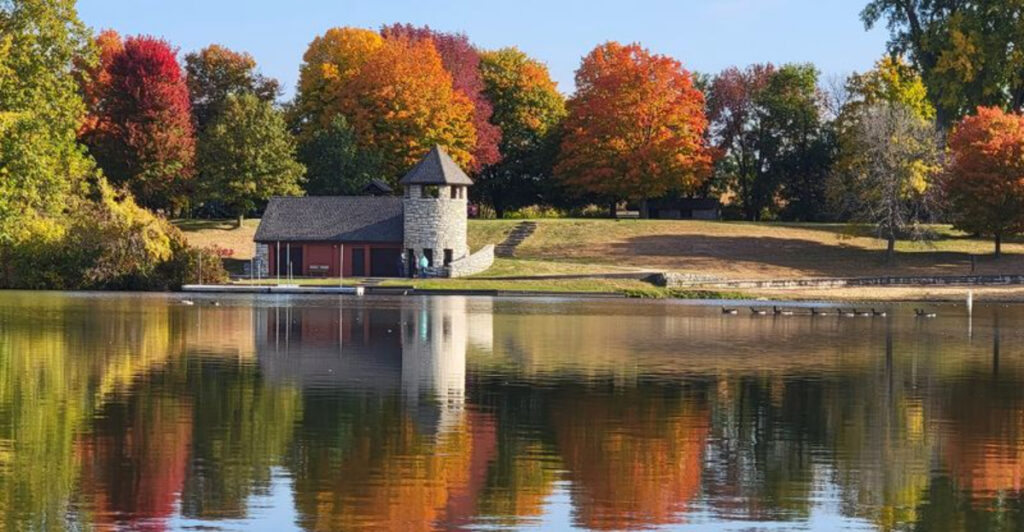
Iowa can still pull off a plot twist, and this amazing park is proof. One minute you are driving through quiet eastern Iowa countryside, and the next you are looking at limestone bluffs, clear trout streams, wooded ridges, and CCC-era stonework that feels like it wandered in from a storybook.
The first time I saw the park road curve toward those cliffs, I kept finding excuses to stop. There was a creek flashing through the trees, a bluff catching the light, and the kind of view that makes your phone camera suddenly feel underqualified.
This guide points out the best places to pause, what to expect on the trails, and how to plan a visit without turning the day into a military operation. Bring sturdy shoes, leave room for a few surprises, and let Backbone do what it does best.
First impression and address
I remember the first ridge I climbed and how the air smelled of wet oak leaves and limestone dust.
The view kept shifting – a shallow trout stream below, a small lake framed by maples, and a cliff edge that made me steady my feet and breathe slower.
By the time I reached the lookout I had a list in my head of what to do next – visit the spring, find the CCC-era structures, and trace the creek upstream until the water thinned to a ribbon.
Practical detail is useful here. The park is easy to reach but feels remote once you take the narrow road off the county highway.
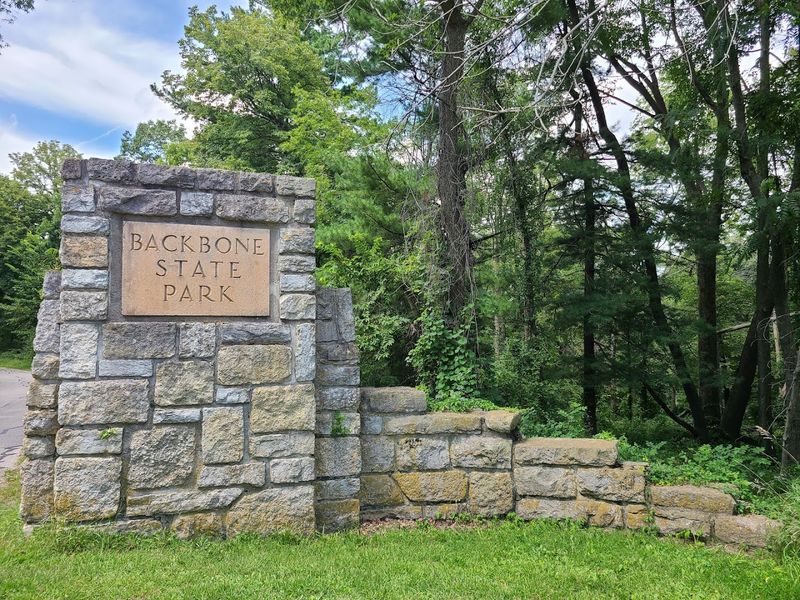
I left this section until now because it matters: the official address for planning or GPS is Backbone State Park, 1347 129th St, Dundee, IA 52038. That line of text saved me when my phone briefly lost signal while I parked and walked toward the bluffs.
That cliff-side moment set the tone for the whole visit and reminded me to slow down and look closely at geology and water rather than rush past.
Why the limestone matters
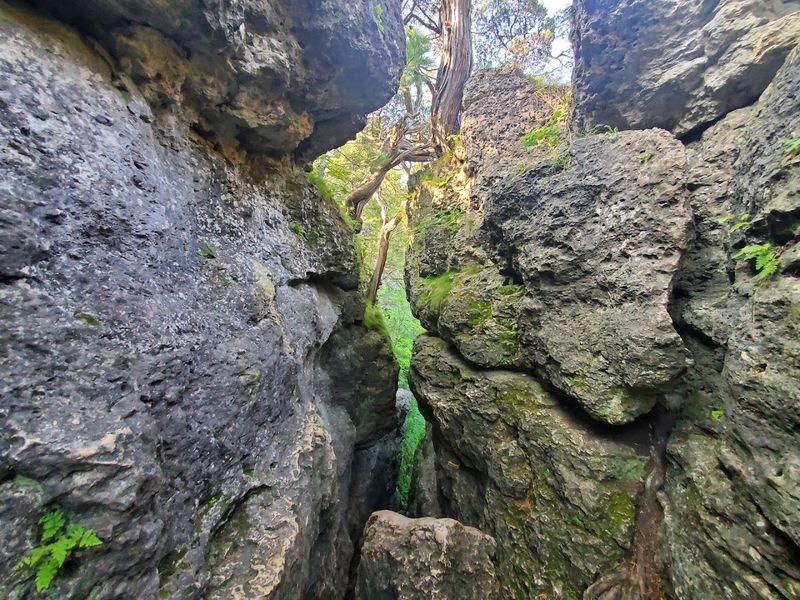
The bluffs are not just scenery – they tell a quiet story of time written in strata and small fossils, and I found myself tracing bands with my finger as if reading a page.
At one point I crouched by a ledge and noticed tiny shell impressions that hinted at an ancient inland sea.
Seeing those details makes a walk here feel like geology class without the homework, and it changes how you think about a hike: you slow down to look for the story in stone.
Walking along the base of a bluff gives a different rhythm than the ridge-top view. The path is narrower, the light dimmer, and the sounds are focused – water on rock, leaves underfoot, a bird calling to the river.
I paid attention to how the trail engineers used steps and railings where the slope tightened. That matters if you are hiking with kids or older companions because the climbs are manageable but steady.
Knowing a little about the rock makes each lookout a chapter worth reading closely rather than just a quick photograph stop.
Trail layout and how to choose a route
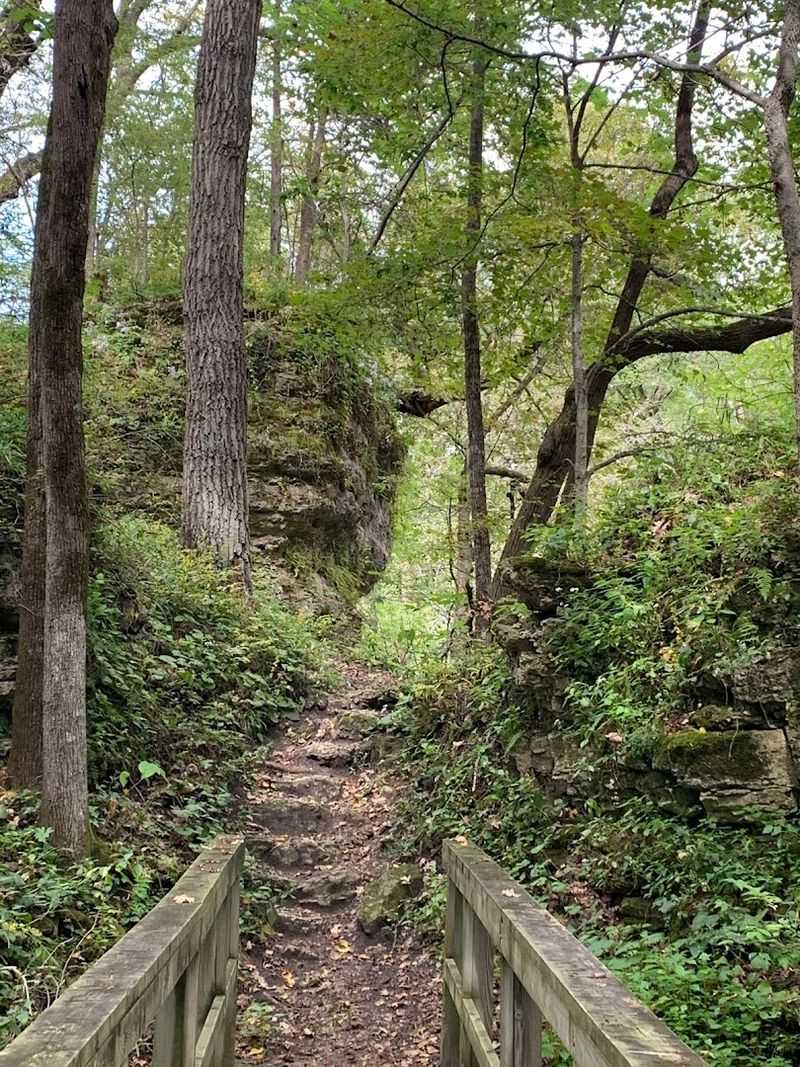
I learned early on that Backbone has a deceptively simple trail map that rewards a little planning. Trails loop and cross back toward the lake, run along cliff edges, and weave through thick hardwoods.
I like to mix a short bluff loop with a stretch along the trout stream so the day has both vantage points and quiet creek-side walking. That combination keeps the afternoon interesting without overexerting anyone in the group.
Look for small wayfinding signs and trail markers; they help if you are trying to stitch together a route rather than following a single named trail.
I tend to start with a 2-3 mile loop to warm up and then add a side path toward Richmond Springs, the lake area, or the CCC museum depending on how people feel.
It’s a good approach when weather is uncertain because you can cut back to the main road without missing the highlights.
Choose a route that balances views with shade and plan water stops if the day is warm so the hike stays pleasant for everyone.
Best times to visit and seasonal tips
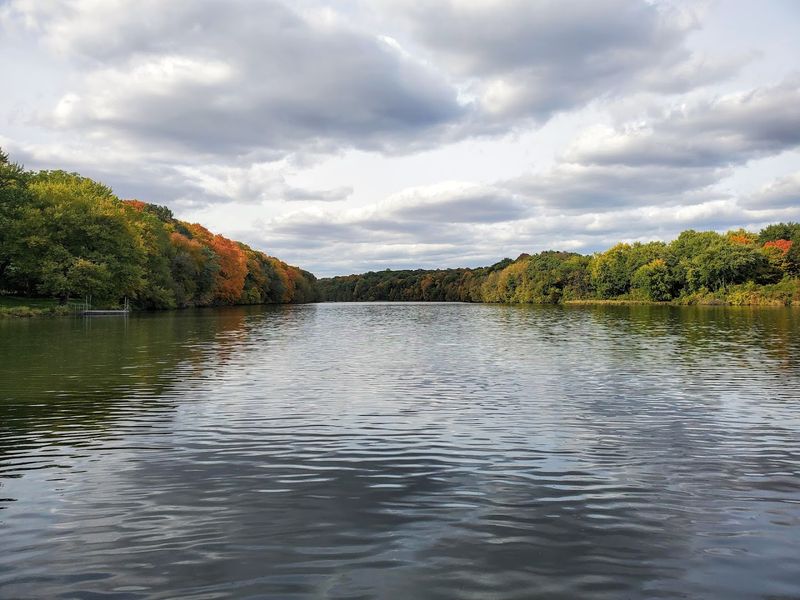
Timing your trip changes everything at Backbone. Fall brings bright maples and oaks that stroke the ridgelines with color and make the cliffs pop against the sky.
I visited in late October and found the light low and warm, which made every photo look deliberate without much fiddling. If you want glare-free water photos go on an overcast morning and the creek will mirror the woods in subtle tones.
Spring is quieter with fresher greens and frogs near the water. Summer offers swimming and paddle boats on the lake, though shade becomes important then.
Winter displays stark rock faces and clear air; I hiked once when frost rimed the grass and the bluff silhouettes looked graphic against cold light. Each season has its trade-offs for crowds, bugs, and trail conditions.
I recommend checking recent weather and trail reports before you go and aiming for midweek mornings if you prefer fewer people along the overlooks.
Where to watch the water and fish
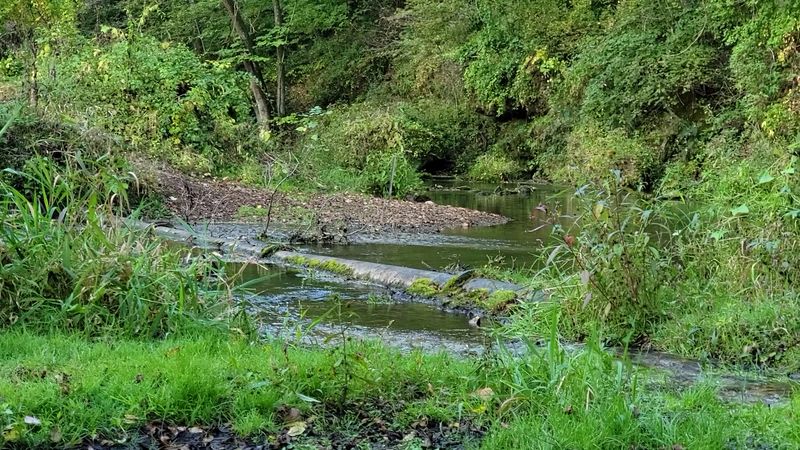
Water is the park’s other headline act alongside the bluffs, and I spent a slow afternoon following the trout stream because it kept revealing small cascades and clear pools.
The stream is stocked in places and shallow in others, which makes it great for light fishing, spotting trout, or simply listening.
I found a quiet bend where the current slowed enough for a picnic blanket and a good vantage of small riffles where fish often show themselves.
If you plan to fish bring appropriate licenses and lightweight gear; the creek rewards delicate presentation rather than heavy tackle. The lake near the dam supports paddle boats and offers a broad, calm view if you prefer wide water over narrow stream channels.
I appreciated how the park balanced silent creek edges with a small beach area that never felt crowded on my visits.
Respect posted rules about shoreline access and keep a mindful distance from nest areas to preserve that calm water feeling for other people and wildlife.
Family friendly activities and kid tips
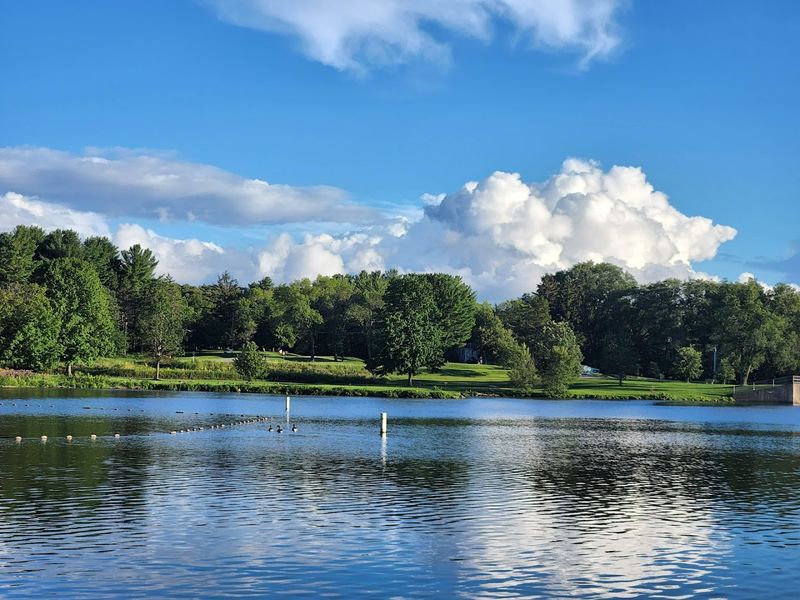
I noticed families spread out across the park, which felt welcoming rather than crowded, and I paid attention to what worked for kids.
Short loops that include creek access are ideal because children can switch between climbing on rocks and watching water life without getting bored.
I carried a small net and a magnifying jar which made a ten-minute stop at a pool into a mini science lesson and kept everyone engaged.
Trail difficulty varies so look for gentler paths if you have little hikers. A few overlooks have railings which helped me feel comfortable letting younger kids walk closer to the edge.
Picnic pavilions near the lake are great for a midday break and allow older kids to play while someone keeps an eye on the cooler and sandwiches.
Bring snacks, a change of socks for creek-side play, and a lightweight daypack with first aid basics and you will avoid common family hiccups on a short visit.
Birding wildlife and quiet moments
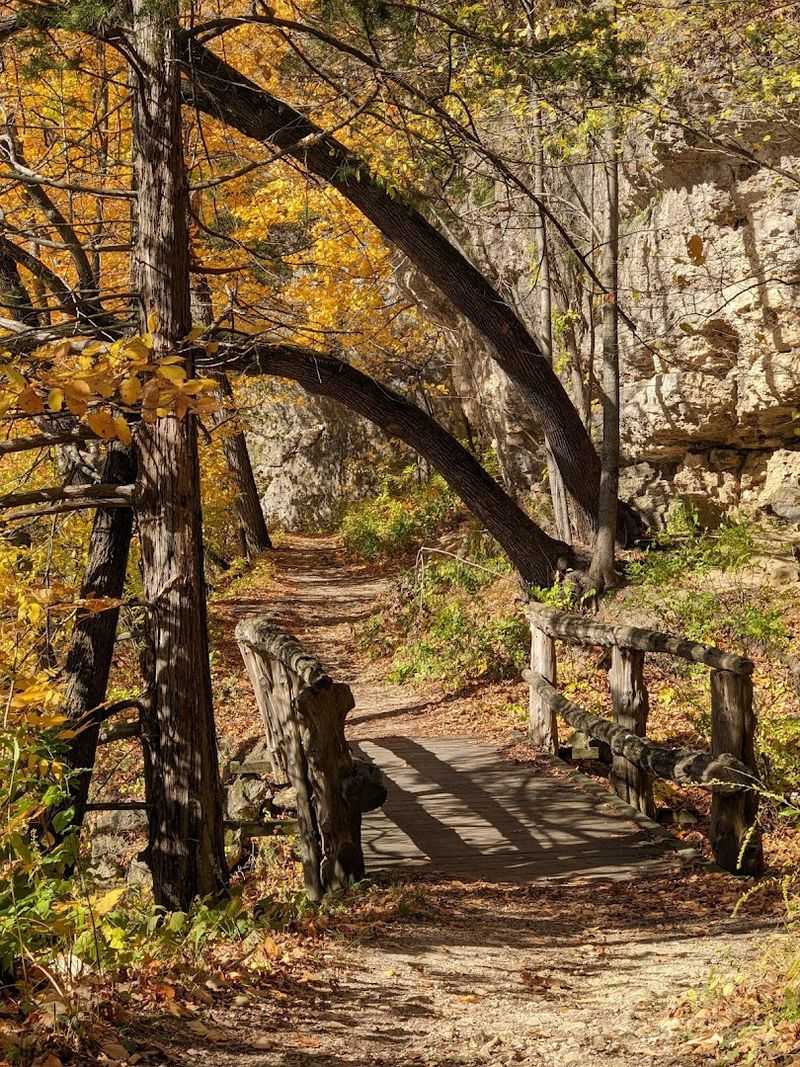
Wildlife here is quietly abundant if you slow down and listen. I spent an hour near the lake at dawn and saw an eagle glide along a ridge and land in a distant pine.
Deer tracks along the trail and beaver-cut saplings near the stream hinted at busy water neighborhoods. Those small discoveries reward patience and give photographers and binocular owners plenty to track.
Bring binoculars and a telephoto lens if you like wildlife photography because animals tend to keep a respectful distance from the busiest trails. Morning and late afternoon are best for movement and softer light.
I found that standing still near the trout stream often brought more animal moments than steady walking; frogs, songbirds, and the occasional muskrat appeared when the mulch flattened and the water shimmered.
A quiet walk with a focus on listening made my visit feel layered and rich in small moments rather than a checklist of highlights.
Practical tips and accessibility notes
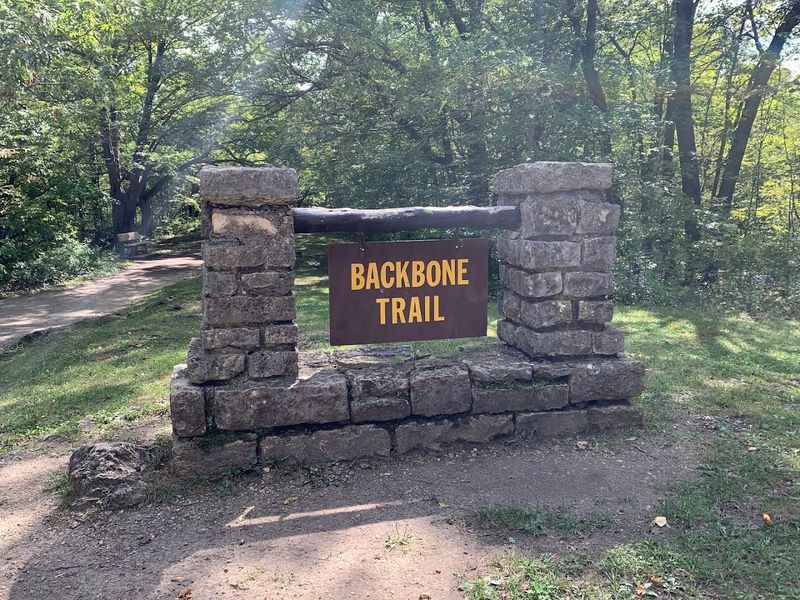
Planning matters here because the park mixes rugged bluff trails with easy lakeside paths, and I like to pick footwear and parking based on the route I choose.
Wear sturdy shoes for bluff trails and bring water and snacks, especially outside the main concession season.
I also carried a small map; cell service dipped in some spots and having a printed trail guide kept the plan intact. Parking is straightforward at main trailheads but smaller lots fill first on busy weekends.
Accessibility varies by trail. Some lakeside and trout-stream areas are much easier to navigate, while bluff overlooks involve steps, uneven rock, and steeper grades.
Restrooms exist at main camp areas and near the lake but are spaced out, so plan stops if you have limited mobility or a family. Dogs are allowed on leash which helped when I saw several well-behaved pets along the loop, and seasonal conditions can mean muddy sections after heavy rains.
Checking the park website before you go and bringing basic supplies will make a visit smoother and more enjoyable for everyone.
Nearby stops and how to extend the day
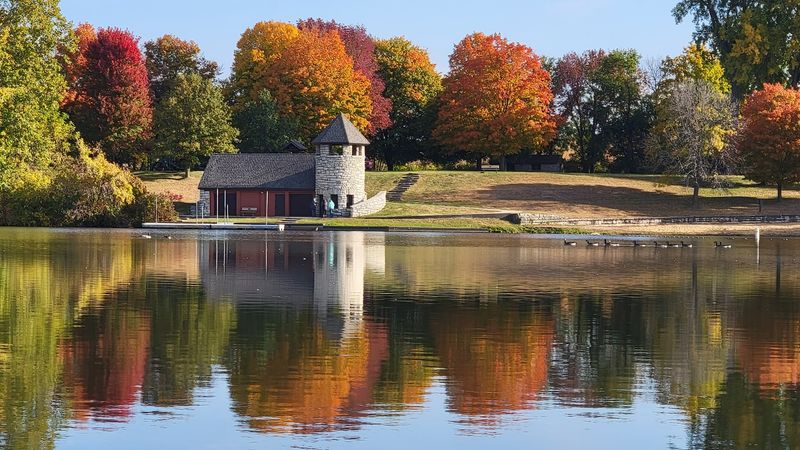
If you want to stretch a day into a small regional trip there are pleasant stops around the park and I planned a short drive to a local bakery after a morning hike.
Nearby towns offer diners with homemade pie, and the drive itself is part of the pleasure because rolling farmland and small woodlots change the view between trailheads.
I liked making space for a slow lunch rather than racing back to the interstate.
Backbone pairs well with a drive through northeast Iowa countryside where county roads reveal farmhouse clusters and roadside fruit stands in season. If you have extra time, a second short hike in another part of the park or a paddle on the lake in the afternoon rounds the day nicely and avoids crowding the popular viewpoints.
Carry cash for small purchases in town though many places will take cards now.
A relaxed schedule lets the park and nearby stops breathe into a full day rather than a hurried checkmark on a long itinerary.