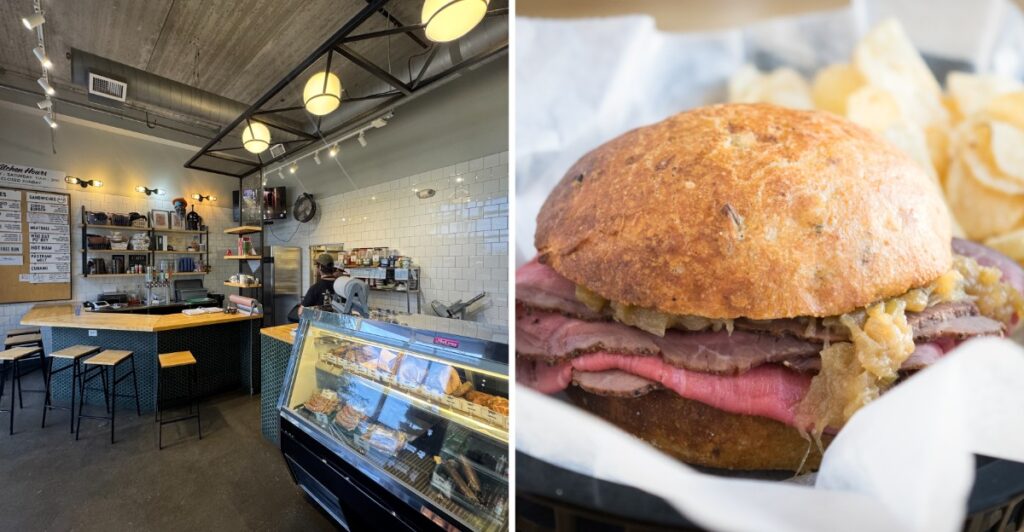
Here is the move: ask what looks good today before you decide what dinner is.
At this Tennessee butcher shop, the case changes because whole animals are broken down in-house. What is available depends on what came in, what was cut, and what somebody else already claimed before you arrived.
That makes browsing much more interesting than staring at the same steaks every week.
Dry-aged beef gets attention, but do not stop there. House-made sausages, bacon, deli meats, and ready-to-cook options can send dinner in a completely different direction.
The shop has been doing things this way since 2018.
So maybe leave the strict recipe at home.
A butcher counter this changeable deserves first dibs on the plan.
Dry-Aged Beef Gives The Counter Its Strongest Hook
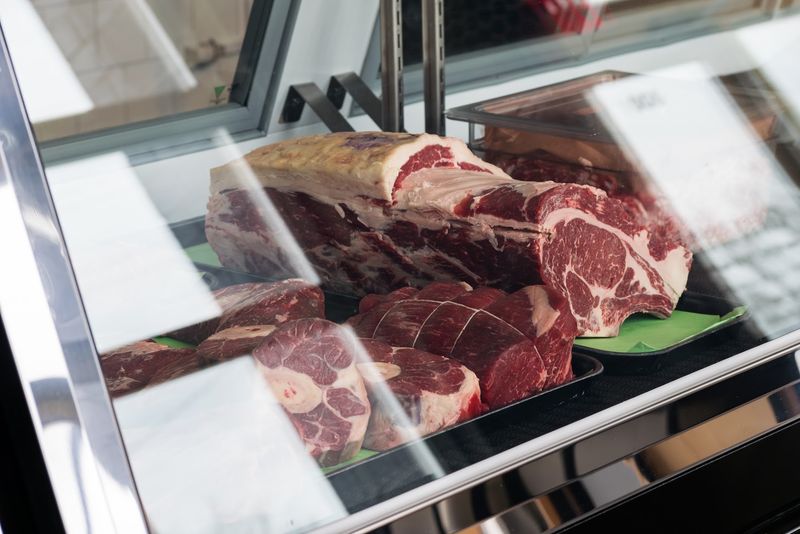
Dry-aged beef is one of the clearest reasons Bare Bones Butcher stands apart from a standard supermarket meat counter. The process takes time, controlled temperature, and careful storage, so it is not the kind of product every grocery store is set up to carry.
That makes the beef case worth studying instead of rushing past. Availability can shift because this is not a place built around an endless inventory of identical packaged cuts.
The shop works through whole animals, and individual items can sell out before the next delivery arrives.
The easier move is to treat the counter as part of the decision. Ask what is available, then let the cut shape dinner. A larger steak might become the centerpiece of a weekend meal, while something smaller can make more sense for a quick supper.
There is also less reason to rush toward the most familiar name in the case. One advantage of a working butcher counter is having people nearby who can explain the available cuts and help narrow the choices.
Dry-aged beef gets plenty of attention, but the changing selection keeps the visit from feeling routine. A trip might begin with steak in mind and end with something entirely different once the case comes into view.
Whole-Animal Butchery Shapes What You Find
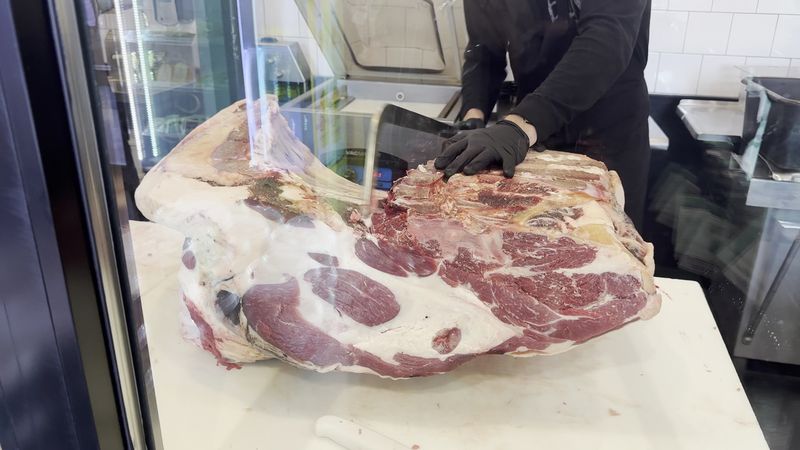
Bare Bones Butcher receives whole cows, pigs, chickens, and lambs and breaks them down in-house.
That changes the shopping experience in a practical way. Instead of seeing only a narrow set of familiar cuts, shoppers can encounter chops, steaks, ground meats, sausages, bacon, deli meats, stock, and other products created from the same whole-animal model.
Whole-animal work also explains why the case does not look exactly the same every day. One cut may be plentiful while another is gone until the next delivery.
That is less predictable than a warehouse-style inventory, but it gives the counter more variety and creates room for cuts that are easy to miss in large supermarkets.
A shopper who arrives with a rigid list may need a backup plan. Someone willing to ask what looks good that day has more room to work. A pork chop can replace the steak originally planned, or ground meat might make more sense once dinner time starts getting close.
The shop opened in 2018 and has kept this model at the center of the business since then. The whole-animal setup is not a side feature. It drives the fresh case, the prepared products, and much of what appears on the shelves around it.
Local And Regional Sourcing Runs Through The Shop
Local and regional farmers and purveyors are part of the shop’s sourcing network, which fits naturally with its whole-animal model.
Instead of treating sourcing as a decorative detail, the meat program begins with animals brought in whole and then used across fresh cuts, sausages, bacon, deli meats, stock, and other preparations.
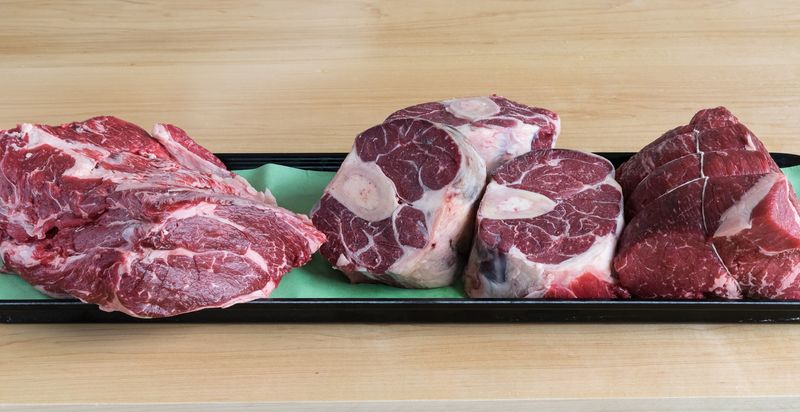
That matters most when standing in front of the case. A pork chop, steak, chicken, or lamb cut is part of a larger system rather than an isolated packaged item. Because supply is finite, one selection may disappear while another takes its place.
The shelves extend that market feeling beyond raw meat. Cheese, pasta, condiments, pickles, tinned fish, and refrigerated meals are part of the grocery selection, giving shoppers a way to build more than one kind of meal.
That makes it possible to solve dinner without adding another stop. Pick a cut first, then build around it with something from the pantry shelves. Or reverse the order and let a pasta, condiment, or prepared item steer the main course.
The smaller grocery selection also keeps the decision manageable. Instead of wandering through long aisles, the meal can take shape around a few things that work together.
This is also where flexibility pays off. A specific cut may not be available every time, but the wider mix of fresh meat, prepared foods, and pantry items gives plenty of room to change direction without abandoning the dinner plan.
The Owners Brought Restaurant And Butchery Experience With Them
Wesley Adams and Patrick Davidson built their careers in professional food settings before opening Bare Bones Butcher. Their backgrounds help explain why the business sits somewhere between butcher counter, neighborhood market, and lunch stop.
Adams worked in restaurants before developing deeper butchery experience, while Davidson combined culinary training with restaurant and meat-department work.
The two later crossed paths professionally before opening Bare Bones together. In 2022, StarChefs recognized them as Rising Star Butchers.
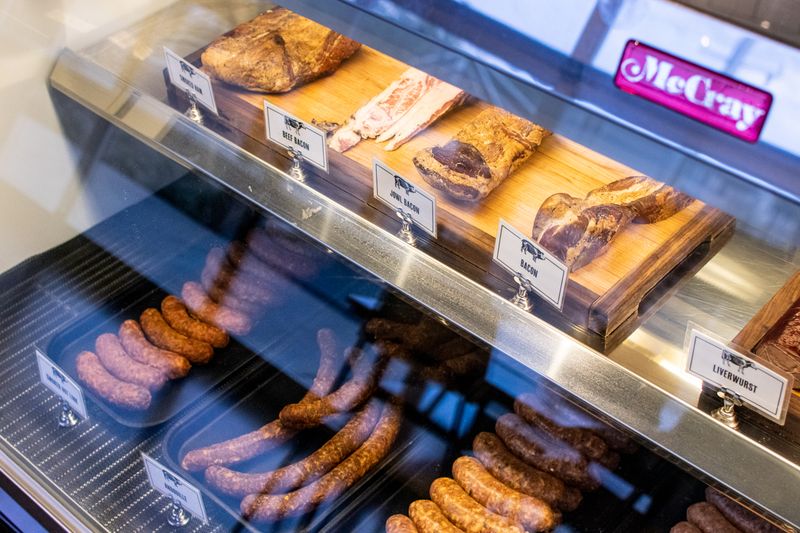
That background shows up most clearly in how many ways the shop uses its meat. The business does not stop at cutting steaks and chops. It also produces sausages, deli meats, bacon, meatballs, and other prepared items in-house.
For a shopper, that means the counter can be useful even when there is no plan to cook a large cut. Lunch, sandwich ingredients, freezer staples, or a smaller prepared item can make just as much sense as bringing home a steak.
It also gives curious cooks somewhere to ask questions. An unfamiliar cut is considerably less intimidating when someone behind the counter can help explain where it comes from and what kind of meal might suit it.
A little curiosity goes a long way here. Ask what is fresh, ask what is easy to cook, and let the answer shape what ends up in the bag.
The Lunch Counter Uses The Same Meats In A Different Way
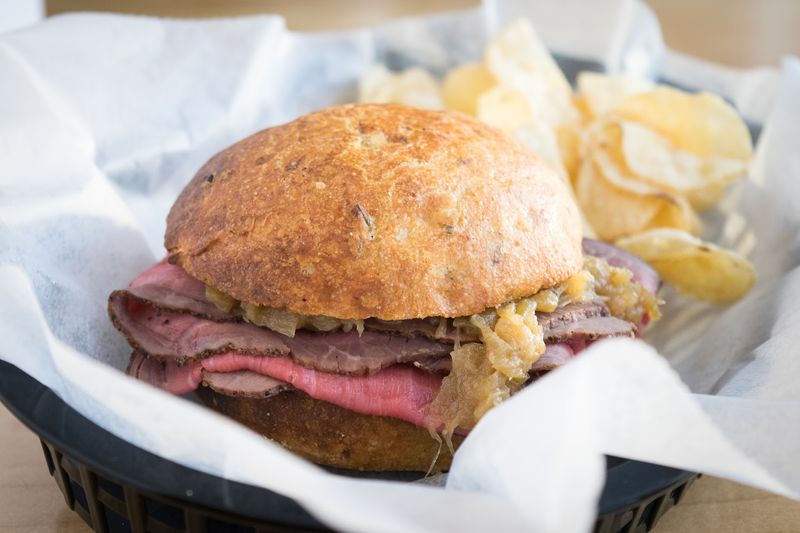
The kitchen gives curious shoppers another way to understand what Bare Bones does. The current lineup includes a cheeseburger, Who Dat Po’Boy, meatball sub, El Cubano, pastrami melt, Hot Ham, fried bologna, and rotating weekly specials.
The cheeseburger keeps things familiar with two patties, American cheese, mayonnaise, yellow mustard, and house pickles.
The pastrami melt goes in another direction with house-made pastrami, sauerkraut, Swiss, Russian dressing, and marbled rye.
Hot Ham combines house ham with white cheddar, seasonal jam, herb mayo, and ciabatta.
Sides include beef-fat fried potatoes, braised greens, and beef chili. The potatoes come with kosher salt and garlic mayo, while the chili is made with beef and no beans.
Let the time of day decide the visit. Arrive before the kitchen closes and lunch can come first, followed by a look through the butcher case. Show up later in the afternoon and the trip becomes more about dinner shopping.
Someone unsure about buying an unfamiliar cut can also start with a sandwich. That makes lunch useful in a practical way, especially for a first visit.
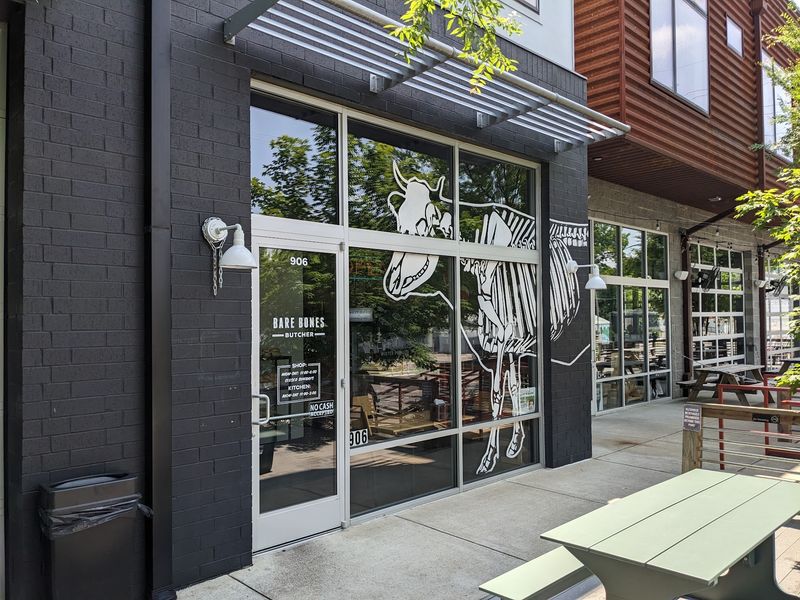
Bare Bones Butcher is located at 906 51st Ave N, Nashville, TN 37209, in The Nations neighborhood.
House-Made Products Give The Freezer More Options
Fresh steaks may get the first glance, but the house-made items are where a practical shopping list can grow quickly. Bare Bones produces sausages, deli meats, bacon, meatballs, and other products from its meat program.
That matters on the kind of week when cooking a centerpiece cut feels too ambitious. Sausage can handle a fast dinner. Bacon can cover breakfast.
Deli meat turns into lunch without much work. Meatballs make it easier to get food on the table without starting from scratch.
The selection is not designed to stay perfectly identical from week to week. Whole-animal supply and limited quantities mean some products can disappear until another delivery or production run.
That is a good reason to look at what is available instead of arriving with only one acceptable answer. A bigger appetite may still point toward steak, but the easier weekday choice could be sitting a few feet away in the sausage case or refrigerator.
The grocery shelves help fill in the rest. Pasta, cheeses, pickles, condiments, tinned fish, and refrigerated meals give shoppers a way to finish a meal without turning dinner into a complicated project.
A refrigerated dish can solve an especially busy night, while pasta and a house-made meat product leave a little more room to cook. Either way, the visit can be as involved or as simple as the evening allows.
Shop Hours And Kitchen Hours Are Worth Planning Around
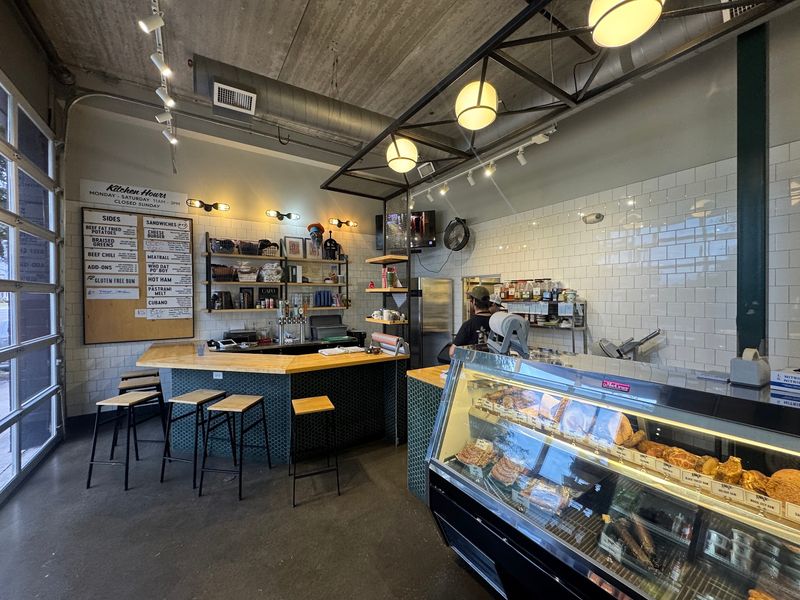
The most useful practical detail is the split between butcher-shop hours and kitchen hours. Bare Bones Butcher is open Monday through Saturday from 11 a.m. to 6 p.m., while the kitchen runs from 11 a.m. to 3 p.m. The business is closed on Sundays.
That schedule creates two very different kinds of visits. Around noon, the sandwich counter and butcher case can both be part of the plan. Later in the day, lunch is finished, but there is still time to shop for meat and provisions before the butcher counter closes.
The shop is cash-free, so payment needs to be handled by card or another accepted cashless method. It is also smart to allow some flexibility when shopping for a specific cut because individual items can sell out.
The question becomes how specific dinner needs to be. If only one exact cut will do, checking availability before making the trip can save some frustration. If there is room to improvise, arriving with a general idea makes more sense.
That flexibility suits Bare Bones well. The useful part of the shop is not an endless row of identical packages.
It is the chance to see what the butchers have available, choose around the current case, add a few provisions, and leave with dinner taking a clearer shape than it had when the visit started.