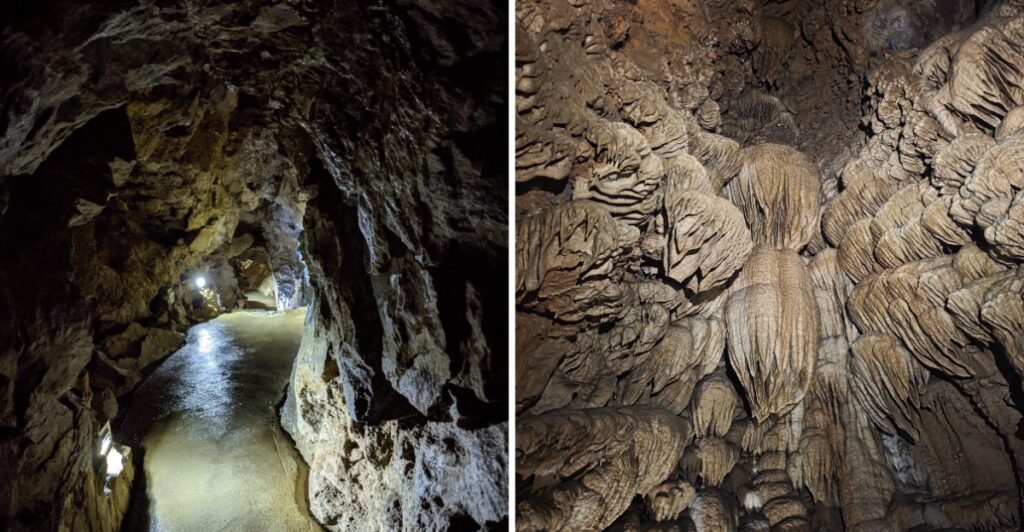
Bring a jacket. Oregon hid 44-degree weather underground.
That is your first clue: this cave plays by different rules.
A ranger leads the way through marble passages carved by moving water. The route twists, narrows, and drops deep below the surface before climbing back toward daylight.
Then comes the river.
Part of the cave system carries an underground waterway with a distinction found nowhere else in the country.
The Discovery Tour reaches about 220 feet below ground and includes more than 500 steps along the way.
Tours are running daily through September 2026, with reservations available.
So yes, pack the jacket.
Down here, marble, cold air, and moving water are running the show.
Marble Passages Twist Beneath The Siskiyou Mountains
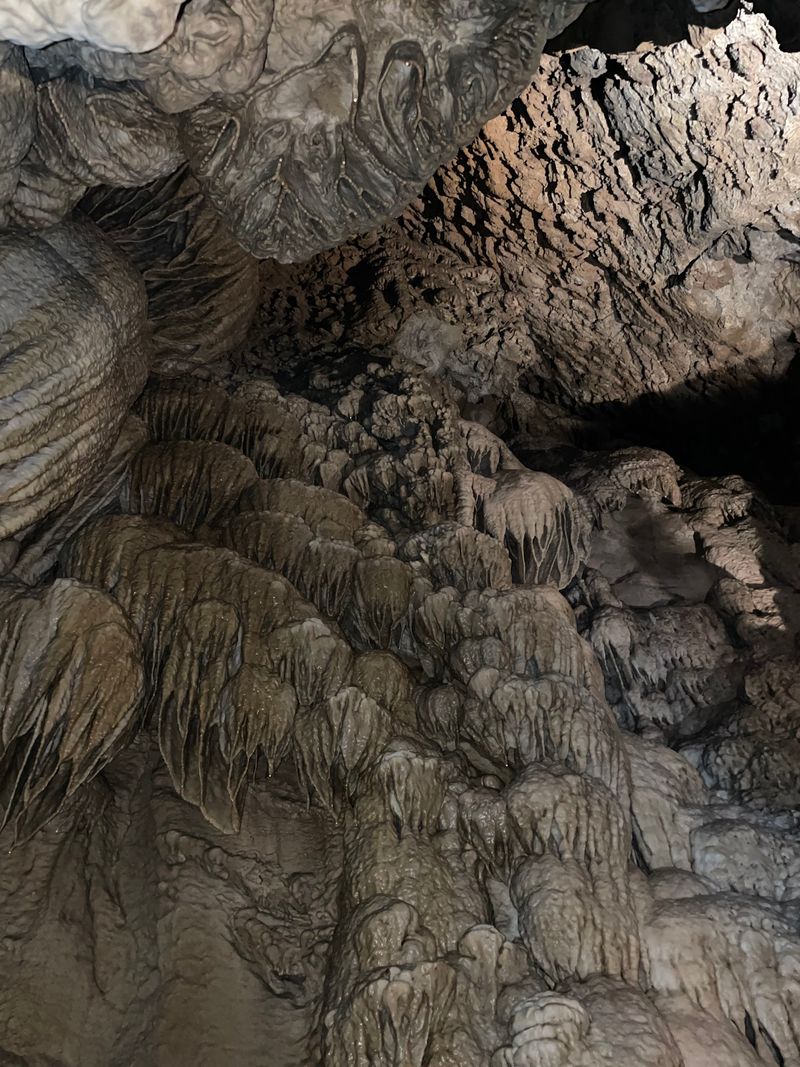
Oregon Caves developed in marble rather than the more familiar limestone associated with many cave systems. The marble began as limestone before heat and pressure changed the rock, creating the material that acidic water later dissolved into passages, rooms, and narrow connecting spaces.
The route does not behave like a hallway. It bends, drops, climbs, narrows, and opens again as you move through the mountain.
Flowstone, draperies, and other cave formations appear along the way. Some surfaces look smooth from a distance, while others carry ripples, folds, or mineral textures that become easier to notice when the ranger pauses the group.
Looking is the important part. Visitors are asked not to touch the cave walls or formations because contact can affect delicate cave features.
The Discovery Cave Tour lasts about 90 minutes and is limited to 15 people. That keeps the group small enough to move through narrow sections without turning every corner into a traffic jam.
Expect the ranger to mix geology with cave history and practical instructions. There are places where watching your footing matters more than staring at the ceiling.
This is not a flat underground stroll. The mountain keeps reminding you that getting inside it requires some bending.
The River Styx Travels Nearly Half A Mile Underground
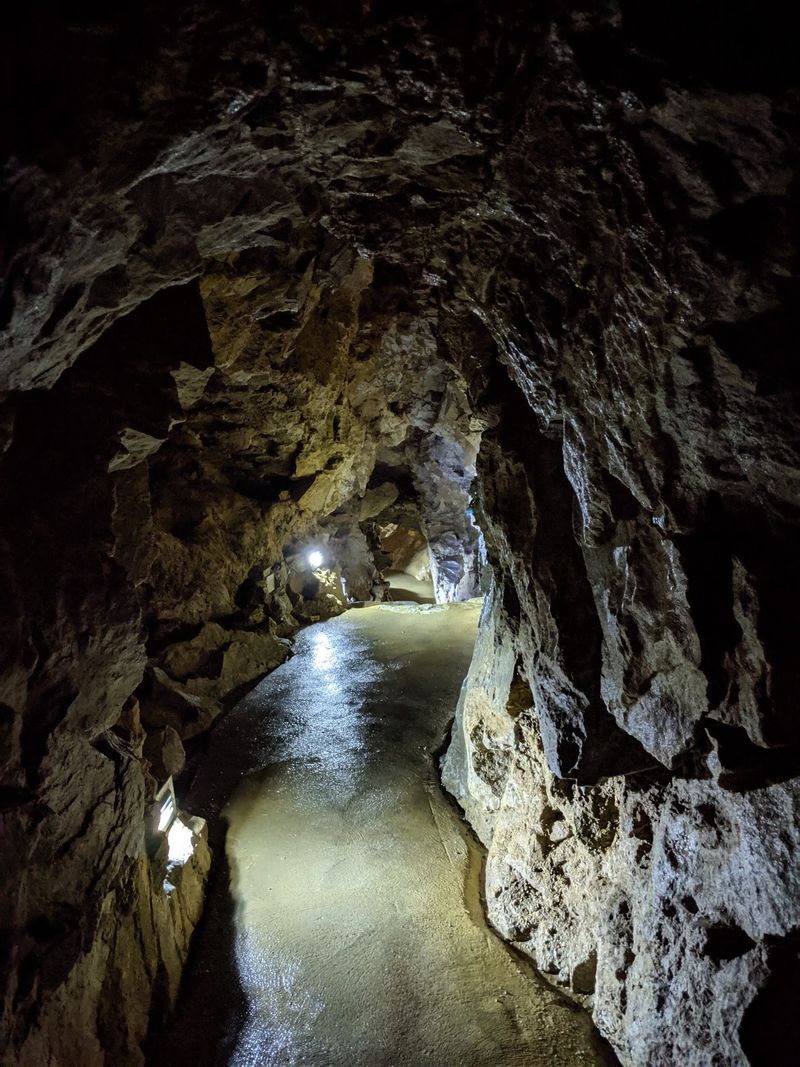
Water is not simply scenery at Oregon Caves. It is one of the forces that created the passages in the first place.
High above the cave entrance, water from Cave Creek disappears underground. Once it enters the marble bedrock, that underground portion becomes the River Styx.
Its journey through the cave stretches nearly half a mile before the water emerges again near the cave entrance.
The name comes from the River Styx of Greek mythology, but the Oregon version has a very real role in the cave system. Slightly acidic water moving through marble dissolves the rock slowly, widening passages over long periods.
That process is still happening in parts of Oregon Caves. Scientists continue studying the River Styx because chemical reactions involving its water are still enlarging sections of the cave.
You will not be floating through an underground river on the Discovery Tour. Instead, elevated walkways and established routes keep visitors separated from the stream while still allowing close looks at the cave environment around it.
Near the entrance, the tour begins close to where the River Styx completes its underground trip and becomes Cave Creek again.
Listen when the group gets quiet. Water dripping or moving nearby is a reminder that the cave is not a finished sculpture. The slow work continues while you are standing there.
This River Has A National Designation Of Its Own
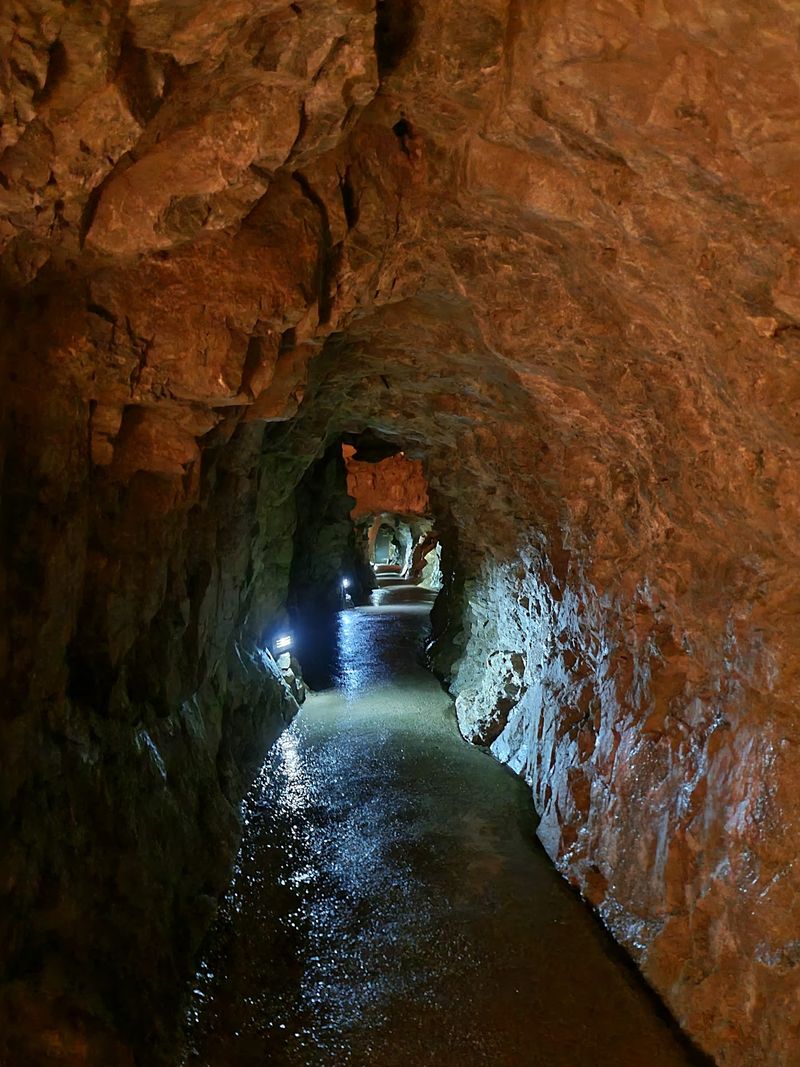
The River Styx became part of the National Wild and Scenic Rivers System in 2014.
It was the first completely subterranean stream added to the system and remains the only congressionally designated underground Wild and Scenic River in the United States.
That designation protects more than an unusual name on a map. The river’s free-flowing condition, water quality, and significant scenic, ecological, and geological values are part of what receives federal protection.
Underground water is closely connected to what happens above the cave. Water moving through soil and rock can carry surface impacts into the cave system, which makes protection of the surrounding watershed especially important.
Oregon Caves National Preserve was also established in 2014, adding more than 4,000 acres around the original monument and expanding protection of the watershed that supports the cave.
That connection becomes easier to understand once you are underground. Dripping water contributes to cave formations, keeps the environment humid, and feeds an ecosystem that includes species adapted to conditions far removed from daylight.
Visitors have a simple role in that system. Stay on the established route, follow the ranger’s instructions, and leave the formations exactly where they are.
The river may be small enough to miss at first glance, but its influence reaches through the entire cave.
More Than 520 Steps Make The Discovery Tour A Workout
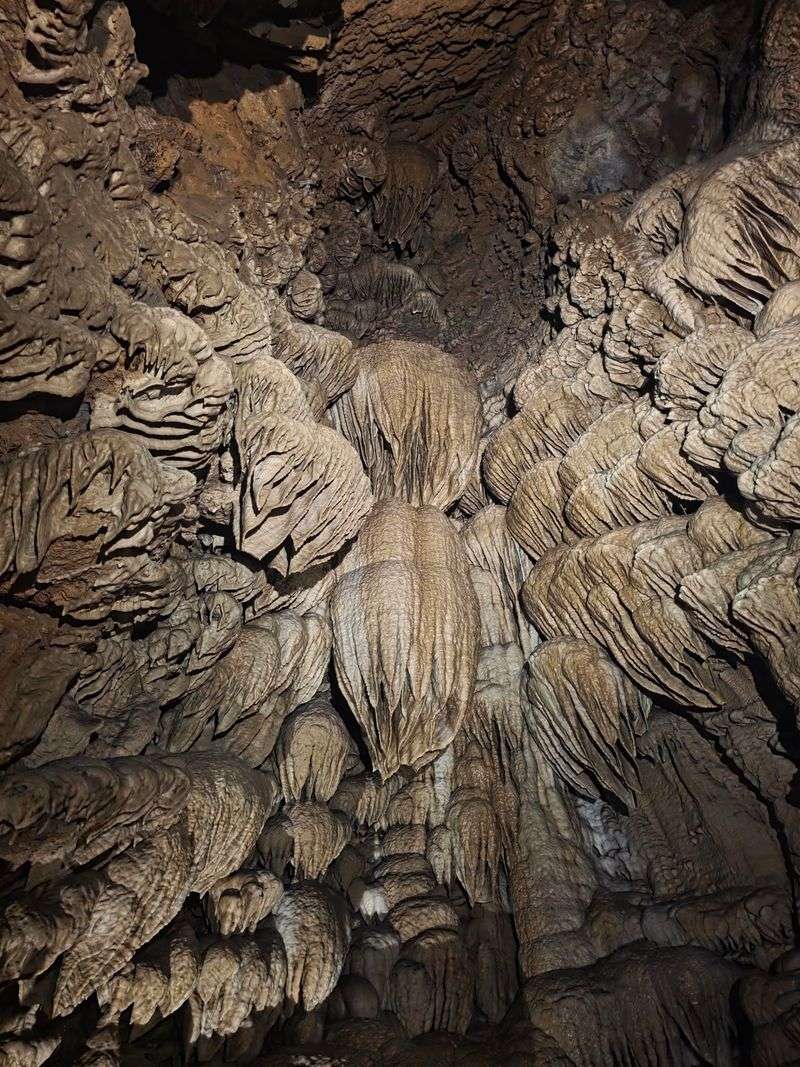
The Discovery Cave Tour earns its “moderately strenuous” description quickly.
The route includes more than 520 stairs, and many are steep, uneven, or without handrails. There is also an 88-foot section where the ceiling drops as low as 45 inches.
Before the tour begins, visitors may be asked to crouch to that height and take a few steps. It is a practical check rather than a game. Anyone joining the tour needs to move through the cave without being carried or physically supported.
Children must be at least 42 inches tall, and anyone age 15 or younger must be accompanied by an adult who is at least 16.
The tour reaches a large chamber around 220 feet beneath the surface. Getting there means navigating narrow turns and changing elevations rather than simply descending one long staircase.
Sturdy walking shoes are required. Open-toed shoes, flip-flops, and sandals are not allowed.
Backpacks, purses, walking sticks, food, gum, candy, tobacco products, tripods, and personal flashlights are also kept off the Discovery Tour.
If heart, breathing, balance, walking, or joint problems make steep stairs difficult, the physical requirements deserve a careful look before booking.
Your knees will have plenty to do underground. Give them one less problem by arriving in shoes that can handle damp, uneven surfaces.
The Cave Stays At 44 Degrees In Every Season
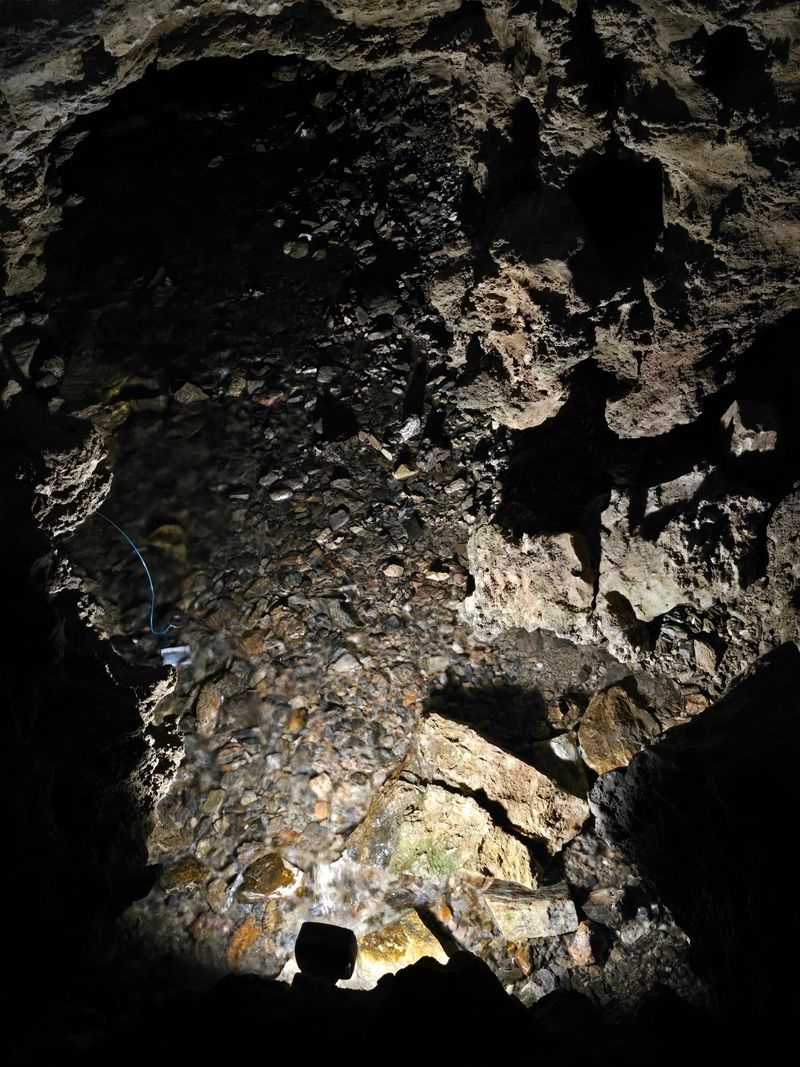
The parking lot and cave entrance can feel like they belong to different weather systems.
Inside, the temperature stays around 44 degrees Fahrenheit throughout the year. A warm summer afternoon outside does not follow you through the entrance.
Layers make the easiest solution. Long pants and a jacket or warm top can keep the cave comfortable without creating too much bulk in the narrow passages.
The 90-minute route adds another wrinkle. Climbing stairs warms you up, while standing still during ranger stops cools you down again.
Dress for both.
There is also one unusual gear rule that protects the cave’s bats. Clothing, shoes, or equipment previously used in another cave, mine, or bat habitat should not be brought into Oregon Caves because of the risk of spreading white-nose syndrome.
That makes this a poor day to reuse muddy caving shoes from another underground trip.
The cool temperature is part of the environment, not a temporary blast of air-conditioning. Marble, water, darkness, and stable underground conditions keep the cave far removed from whatever summer or fall is doing aboveground.
When the tour returns to daylight, even an ordinary afternoon can feel surprisingly warm.
The Mountain Road Needs Almost As Much Planning As The Tour
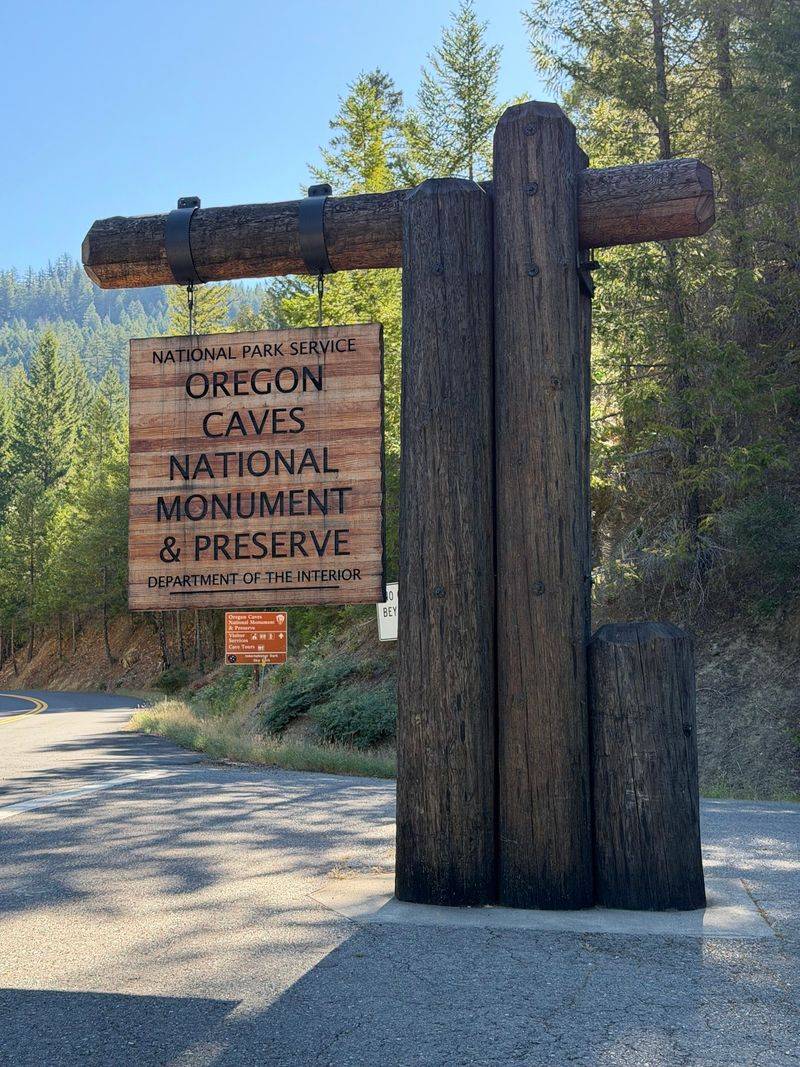
Reaching it requires more time than the mileage might suggest. From Cave Junction, follow Oregon Route 46 for about 20 miles. The drive and final walk to the visitor center take roughly 50 minutes.
The last eight miles of the road are narrow, steep, and winding, with blind corners and wildlife possible along the route. Large RVs and travel trailers are discouraged beyond Grayback Campground.
From the parking area, there is another roughly 900-foot walk to the visitor center.
GPS can also create problems in this part of Oregon. Routes approaching from the wrong direction may lead drivers onto mountainous gravel roads that are not suitable for every vehicle. Coming through Cave Junction and following Route 46 avoids that complication.
Pets cannot join you in the cave or on hiking trails. Keep them leashed and within permitted vehicle areas such as asphalt roads and parking areas.
There is no regular restaurant service at the park while the historic Chateau remains closed for rehabilitation. Snacks are available, but bringing food or eating in Cave Junction before the drive is the safer plan.
The mountain road is part of the visit. Give it enough time, and there is no need to rush the curves.
Oregon Caves Visitor Center is at 21000 Caves Highway, Cave Junction, OR 97523.
Reservations Make A Cave Day Much Easier
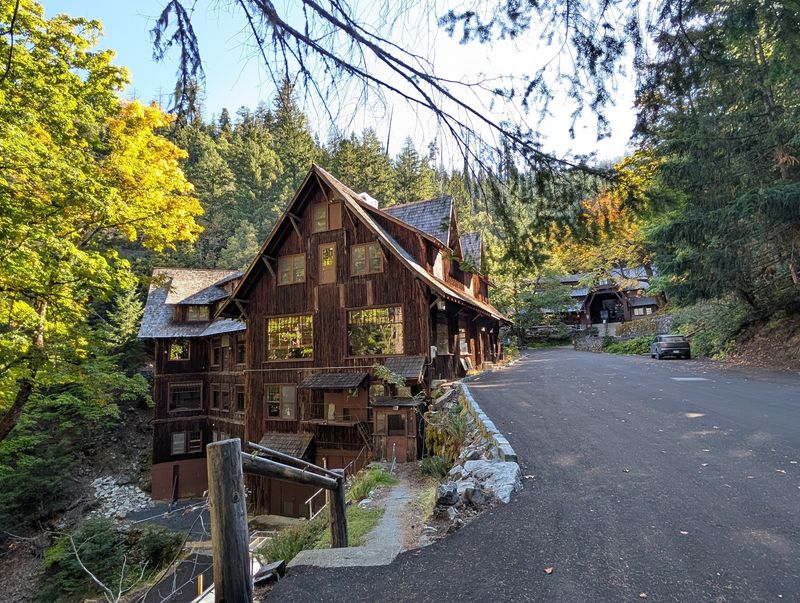
Oregon Caves is open for its 2026 tour season, and Discovery Cave Tours are running daily from 10 a.m. to 4 p.m. through September. October shifts to a five-day schedule, with tours closed Tuesday and Wednesday.
Reservations are recommended because summer and other busy periods can produce long waits or sold-out tours.
Same-day tickets are still available on a first-come, first-served basis when space remains. If you do not already have a reservation, the Illinois Valley Visitor Center in Cave Junction is the sensible first stop before making the mountain drive.
The Discovery Tour requires a paid ticket, with lower pricing for younger visitors who meet the height requirement. Qualifying America the Beautiful Senior and Access pass holders can receive a discount.
The park itself does not charge an entrance fee. Payment for cave tours and campground fees is cashless, so bring a credit or debit card.
Once the ticket is handled, keep the rest of the plan loose. Arrive early enough for check-in, wear proper shoes, bring a warm layer, and leave prohibited items behind.
Then follow the ranger underground.
The stairs, low ceilings, cold air, marble walls, and quiet river do the rest. By the time daylight returns, that small stream beneath the mountain will probably seem much more powerful than it did before you knew what it had carved.