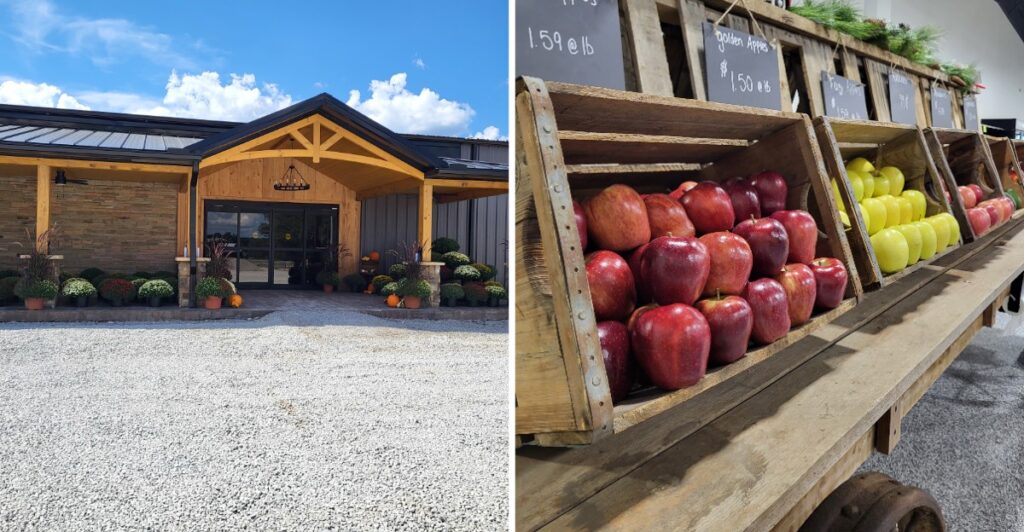
Forget the sad little dented-can aisle you may be picturing.
This place has produce to pick through, with meat and cheese waiting in the coolers. Locally baked goods, household basics, and bargain groceries fill out the hunt without turning one sentence into the entire store.
The salvage side still keeps things interesting.
Shipments change, brands come and go, and the price tag can make an ordinary pantry staple suddenly look much more exciting.
There is more room to explore now, too. The family-run Tennessee market moved into a larger building in 2025, giving its changing inventory space to spread out.
I would check the fresh stuff first, then start poking around.
Walnut Creek products might catch you. A bakery item might interrupt. Something completely unplanned probably will.
You never quite know which shelf is about to make five dollars feel unusually powerful.
Salvage Groceries Give The Shelves A Different Rhythm
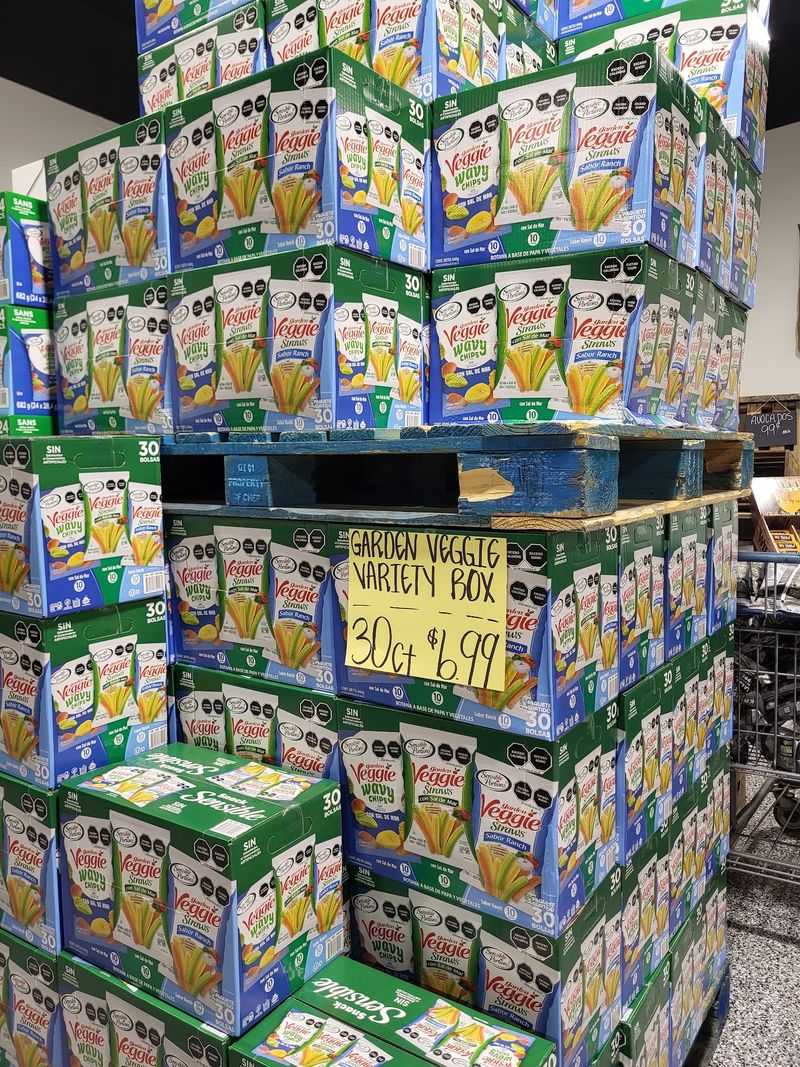
The main idea is simple: salvage and discount groceries make up an important part of the store’s inventory.
Products can arrive because of excess stock, changing packaging, minor exterior damage, or other reasons that keep them from following the usual supermarket route.
That means the shelves do not behave like those in a conventional grocery store. The same cereal, canned vegetable, snack, or sauce may not appear on every trip, and something that looks plentiful one week may be gone by the next.
Reading labels belongs naturally in this kind of shopping. Packages can have different date situations, so taking a few seconds to check each item before putting it in the cart is a useful habit.
The changing selection also makes it easier to shop by category instead of brand. Need canned vegetables? Look at what is available.
Need snacks for the week? Compare what arrived instead of searching for one specific flavor.
That flexibility keeps the bargain hunt practical. A scuffed box or dented can does not automatically change what is inside, but every item still deserves the same quick inspection you would give any grocery purchase.
Once that routine becomes familiar, the shelves feel less unpredictable and more like an invitation to compare. The goal is not to find the exact same cart every week. It is to notice which current deals make sense for the meals already planned at home.
Meat, Cheese And Produce Make The Trip More Useful
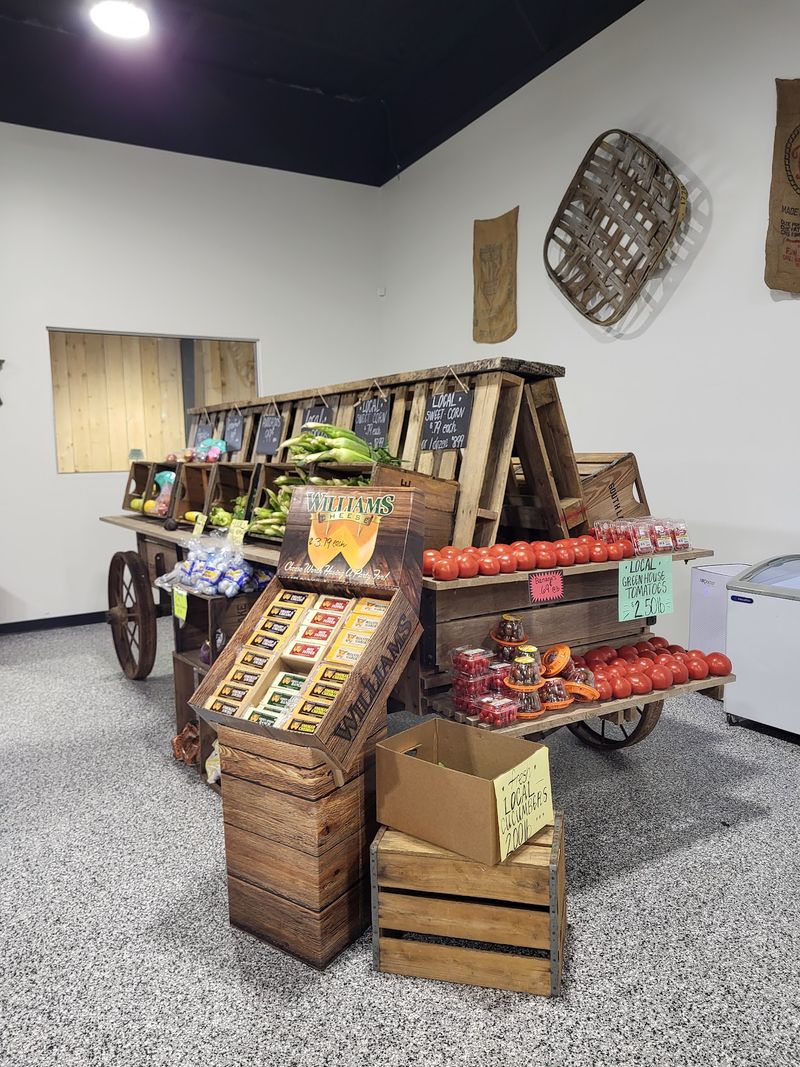
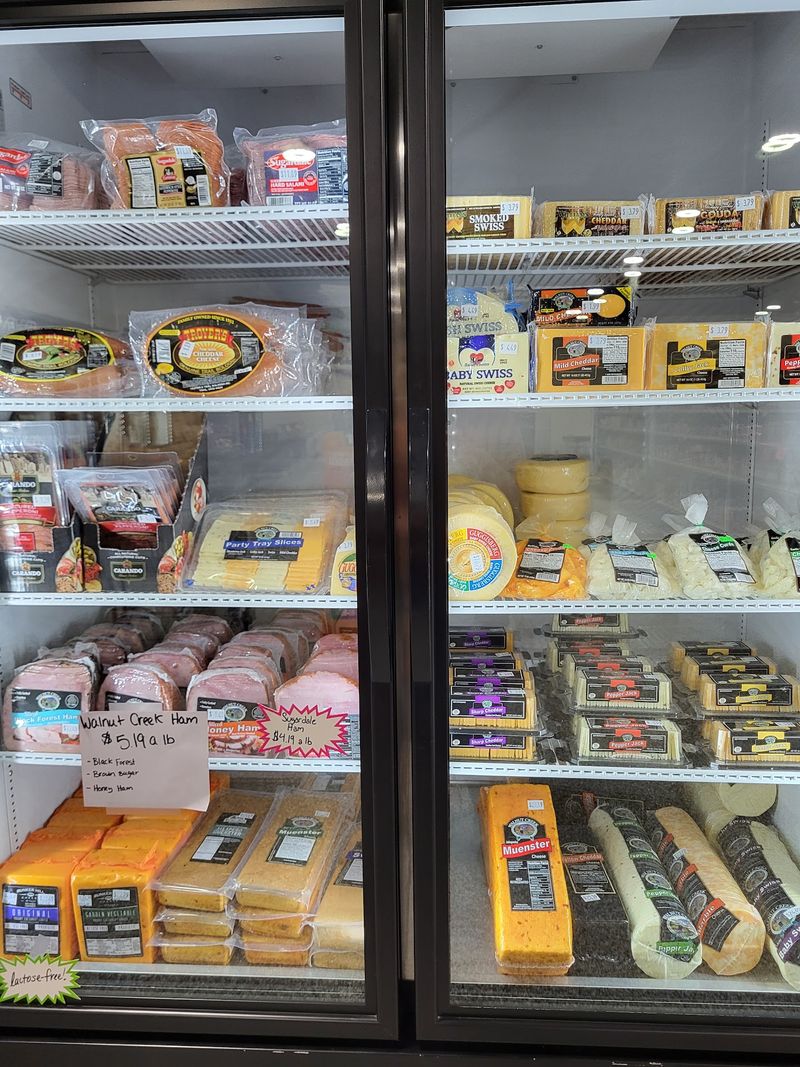
The Salvage Market is not limited to shelf-stable closeouts. Meats, cheeses, fresh produce, and basic grocery needs give shoppers more ways to build an actual meal instead of simply filling the pantry.
That changes the strategy for a first visit. Instead of treating the store as an extra stop for snacks and canned goods, walk the full space before deciding the trip is finished.
Meat can become the anchor for dinner. Cheese can cover sandwiches, snacks, or part of another meal. Produce can fill the fresh side of the cart while discounted packaged goods handle the pantry.
The mix makes it easier to shop in combinations. A meat purchase may lead toward vegetables. Cheese can point toward sandwiches or a snack board.
Produce can turn an unplanned bargain into a dinner idea before checkout.
A cooler or insulated bag is still a practical addition if the drive home is long, especially during warmer Tennessee weather and when chilled items are part of the purchase.
The biggest advantage is range. One household may focus on pantry goods and produce, while another heads toward meat, cheese, and whatever salvage items fit the week.
There is no reason to force the same shopping pattern every time. Let the available stock decide which part of the grocery list gets handled here and which items can wait for another store.
Changing Shipments Reward A Flexible List
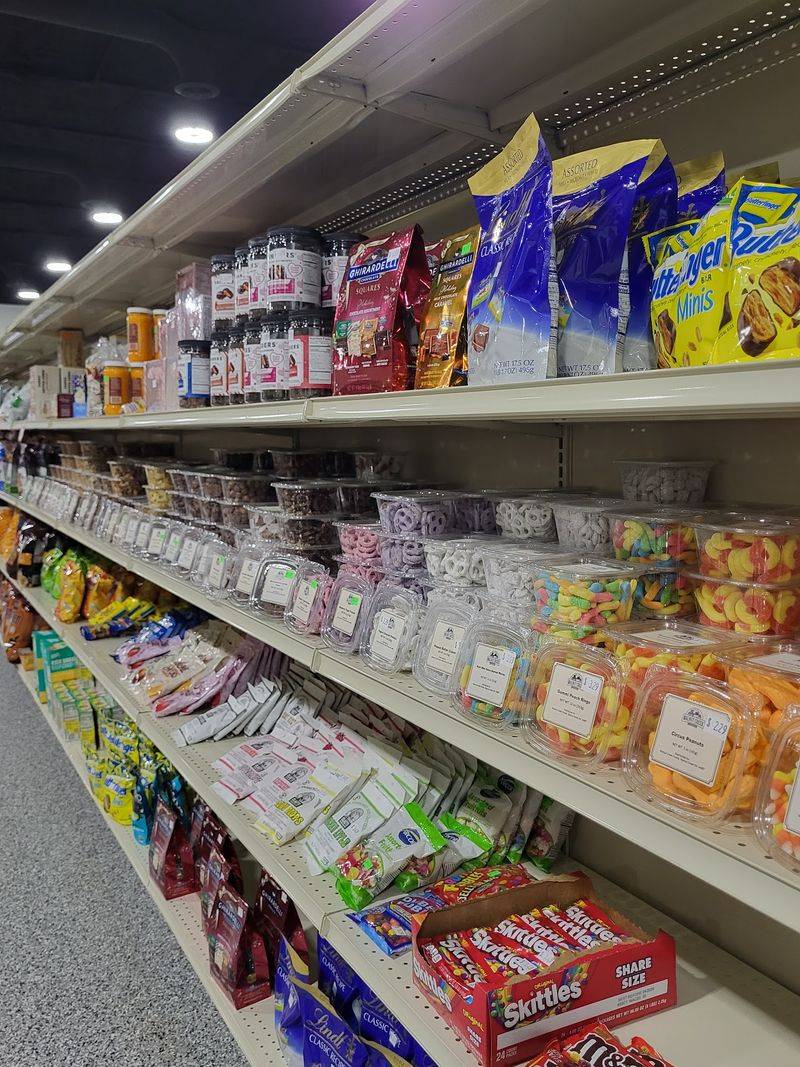
Rotating inventory is part of the experience, so a rigid shopping list can become frustrating quickly. A loose list works much better.
Keep the nonnegotiables short. A household may arrive needing a few pantry staples, something for dinner, or snacks for the week, but specialty items should have room for substitutes.
If one brand is missing, the shelf beside it may hold something just as useful at a better price.
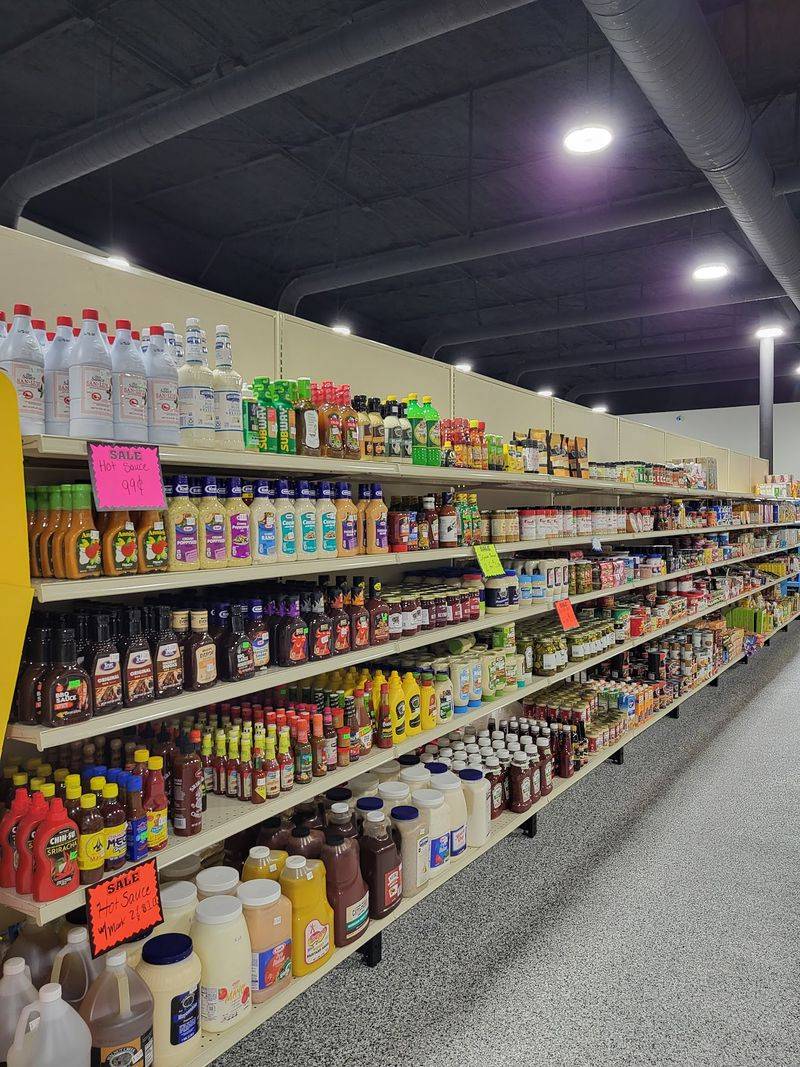
Stocking up can make sense when a familiar product appears at a price that fits the budget, especially if it stores well. Canned goods, packaged foods, snacks, sauces, and other shelf-stable items are obvious candidates.
The trick is knowing when extra becomes excessive. A bargain only helps if the food will actually get used before quality drops or cupboard space disappears.
That makes storage part of the decision. Before grabbing several packages, picture the pantry at home. If there is nowhere sensible to put them, one may be enough.
The changing stock also keeps repeat visits from feeling identical. One trip may lean heavily toward snack foods, while the next offers more useful cooking ingredients.
Treating the shelves as possibilities rather than promises keeps the experience practical and prevents disappointment when last week’s find does not return. The fun is in seeing what is available without letting the surprise factor take over the whole cart.
The Larger Clarkrange Store Has Room For More Categories
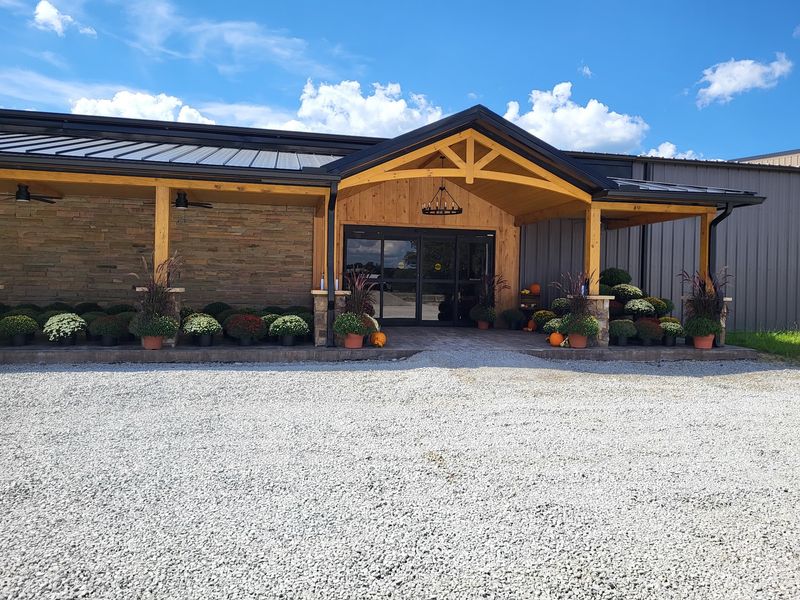
The Salvage Market previously operated from the former Dort’s Pantry location before moving into a larger building in 2025. The new store celebrated its grand opening in September of that year.
The move created more room for the business to expand its original salvage-grocery focus while also carrying basic grocery needs, Walnut Creek products, local produce, locally baked goods, and other categories.
That larger footprint matters when the inventory changes constantly. More shelf space gives the store room to handle several kinds of shopping in the same visit instead of concentrating only on closeout pantry goods.
The Salvage Market is located at 6804 S York Hwy, Clarkrange, TN 38553.
For a first visit, there is no need to race through the aisles. Start with the groceries that brought you in, then circle back through the sections that did not fit the original list.
A larger store can make bargain shopping more useful because it leaves room for ordinary staples beside the unexpected finds. That balance keeps the trip from depending entirely on luck.
The result is a market where a shopper can hunt for discounts without giving up the possibility of covering several basic household needs at the same time.
Local Produce And Baked Goods Add Another Layer
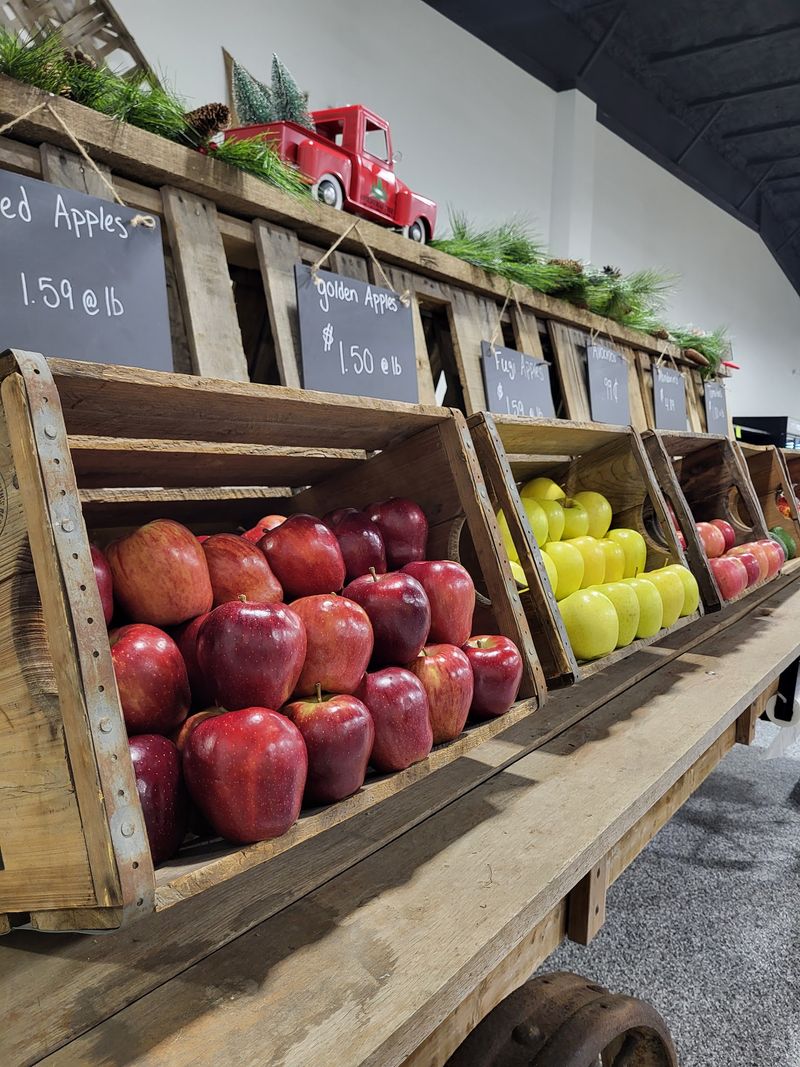
Locally produced items give the store a different dimension from the salvage shelves. Fresh produce and baked goods from the surrounding area are part of the broader selection.
That makes the trip easier to build into meal planning. Produce can become a side dish, salad, or part of dinner, while baked goods can cover breakfast, dessert, or a snack for the drive home.
Availability can naturally change according to what growers and bakers have ready, so this is another section where flexibility helps.
Instead of arriving for one exact vegetable or baked item, check what is available that day and decide whether it fits anything already in the cart.
Local products can also pair naturally with the rest of the store. Produce plus discounted meat points toward dinner. A baked item can solve breakfast the next morning or become the part of the cart that never quite makes it all the way home.
That mix keeps the store from feeling like a warehouse of damaged packages. Fresh and locally made products give shoppers another reason to walk the full space before checking out.
The better question is not whether every trip will produce the same finds. It is what combination makes sense this time. Some visits may lean toward dinner ingredients, while others end with pantry goods and a baked treat tucked into the bag.
Current Hours Make Saturday A Shorter Shopping Day
The Salvage Market is currently open Monday through Friday from 8:30 a.m. to 6:30 p.m. Saturday hours run from 8:30 a.m. to 4:30 p.m., and the store is closed on Sunday.
That schedule leaves plenty of room for weekday shopping, whether the goal is a morning grocery run or a stop later in the day.
Saturday requires a little more attention because the doors close two hours earlier than they do during the week. Anyone planning to browse slowly, compare labels, and check several sections should avoid leaving the trip until late afternoon.
Sunday needs a different plan entirely.
The weekday schedule is especially useful for shoppers who want time to look through changing inventory without feeling rushed. A bargain store rewards a little patience because the best purchase may not be sitting in the first aisle.
Timing can matter for another reason too: limited items may not return once they sell through. If a useful staple appears during one visit, waiting too long for the next trip may mean seeing something completely different in its place.
That is part of the tradeoff. Predictability is lower, but the chance to find something useful remains part of every visit.
A Smart First Visit Starts With Needs And Leaves Room For Surprises
The easiest way to shop The Salvage Market is to combine structure with flexibility.
Begin with a short list of real needs. Check those categories first, compare prices with what you normally pay, and read package labels before deciding what belongs in the cart.
After that, let the changing shelves do some of the work. A pantry item may solve part of dinner. Produce can change the plan for tomorrow night.
Meat or cheese can turn an ordinary grocery run into something more complete. A locally baked treat may become the reward for finishing the rest of the list.
Reusable bags help with the final load, and an insulated bag gives chilled purchases more protection on the drive home.
There is no need to chase every markdown. The useful bargains are the ones that match how the household already eats.
That mindset keeps the trip from becoming a pile of random deals and turns it into something much more practical: a grocery run where lower-priced finds can fill real gaps in the week.
A flexible list, a little patience, and room for one unexpected bargain are all it takes to make the stop work.