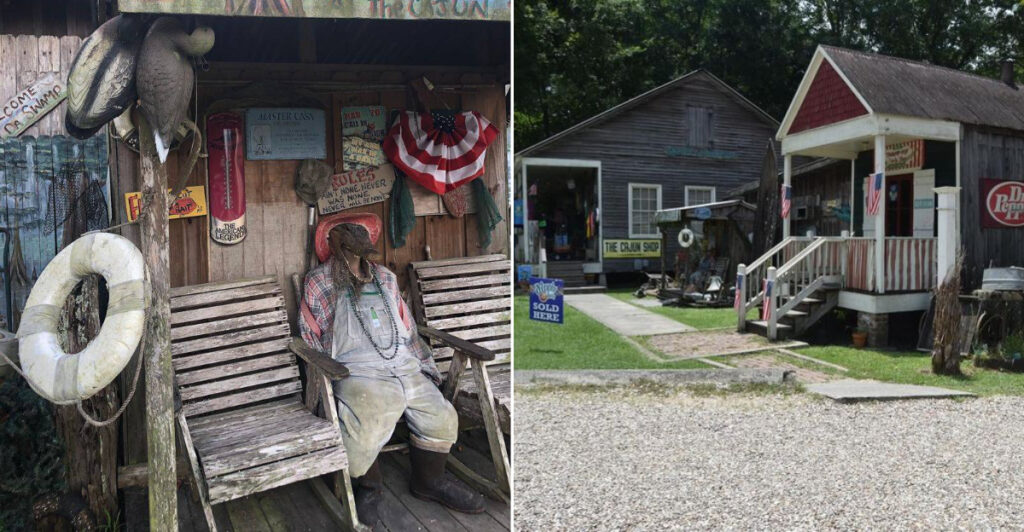
I almost drove past it. The turnoff sits along a stretch of Highway 22 where most people seem to be heading somewhere else, and the cluster of wooden buildings looks modest enough from the road.
Then I stepped onto the grounds and realized how much had been gathered into one quiet corner of Sorrento. Restored Acadian-style homes now hold specialty shops, antiques, Louisiana gifts, a coffee house, and cottages where visitors can stay overnight.
The buildings give the village its character. Wooden porches, old floors, shutters, and simple rooms make browsing feel more personal than walking through an ordinary shopping center.
Start with beignets and café au lait, look through the shops, and leave time to wander outside. The individual businesses may change over the years, but the larger experience remains rooted in preserved architecture, Louisiana food, and the pleasure of discovering something unexpected.
Start With The Village Setting
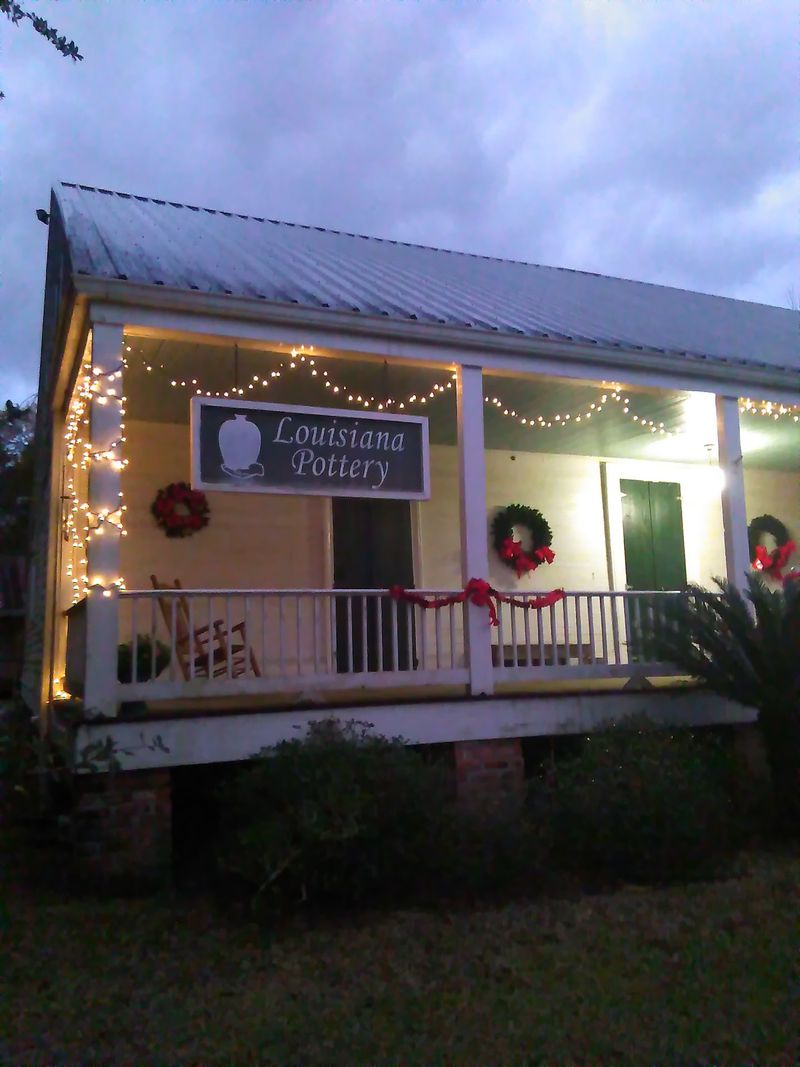
The first surprise is how calm everything feels, even though Highway 22 runs nearby. Cajun Village is made up of restored Acadian-style buildings arranged around porches, paths, trees, and small patches of lawn rather than one large commercial structure.
Before going into the shops, take a minute to look at the buildings themselves. The weathered wood, narrow rooms, shutters, and raised porches give the stop a sense of age that cannot be copied with decorative signs or artificial storefronts.
The village sits at 6490 Highway 22, Sorrento, LA 70778, making it an easy detour between Baton Rouge, New Orleans, and the communities along the Great River Road. Despite that convenient location, the pace feels noticeably slower once you leave the parking area.
I like beginning with one complete walk around the grounds. It helps me understand how the buildings connect, notice which shops are open, and decide whether breakfast or browsing should come first.
The setting is not simply a background for the businesses. It is the main reason the entire place feels memorable, especially when the porches are quiet and morning light reaches the old wooden walls.
Consider An Overnight Stay
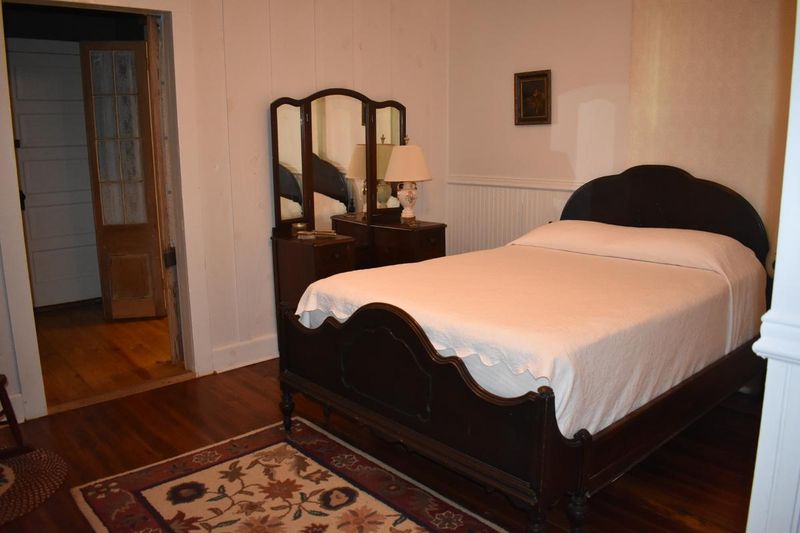
A quick shopping stop is easy, but staying overnight gives the village a completely different rhythm. The Cajun Village Cottages include eight restored Acadian-style shotgun houses dating to around 1900, each relocated from the historic Spanish Town area of Baton Rouge.
Every cottage has its own furnishings and personality. Original wooden floors, antique details, and traditional layouts help the rooms feel connected to their earlier lives instead of resembling identical hotel units decorated with a Louisiana theme.
The result is more personal than an ordinary roadside stay, especially after daytime visitors leave and the grounds become quiet. You can sit outside, hear the sounds around the village, and experience the buildings without moving quickly between shops.
Guests can begin the next morning with breakfast at the nearby Coffee House. That makes the stay feel self-contained without becoming isolated from surrounding attractions.
It also creates a useful base for exploring plantation country, river communities, Baton Rouge, and other South Louisiana road-trip stops.
Check current availability before planning around a particular cottage. The appeal is not luxury in the modern resort sense.
It is the chance to sleep inside a preserved building and wake up somewhere that feels connected to the region’s history.
Browse The Specialty Shops
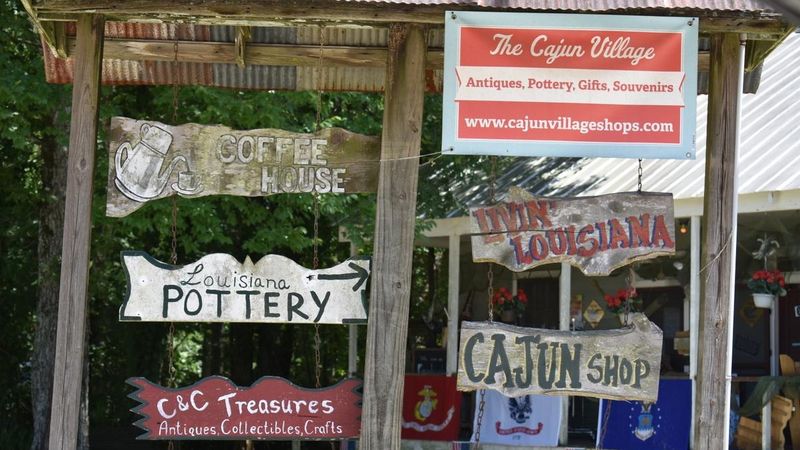
Every doorway has the potential to shift the experience. One restored building may focus on antiques, another on Louisiana gifts, and another on food, home goods, or locally themed products.
That variety is more interesting than entering one enormous store where everything has been selected by the same buyer. Each small business brings its own personality to the village, so the atmosphere can change completely from one house to the next.
I usually make an initial pass without trying to buy anything. It gives me time to see what is available, compare shops, and notice quieter items that might disappear beside brighter souvenirs.
Since individual businesses and inventories can change, current shop hours are worth checking before making a long drive. The village remains worth exploring, but a particular store or product should never be assumed to be available indefinitely.
The smaller rooms also make browsing feel less anonymous. Shelves, cases, and displays fit into spaces originally designed for domestic life, creating a warmer atmosphere than a regular shopping center.
Take your time with each building. Cajun Village is most enjoyable when its shops feel like separate discoveries rather than boxes to check as quickly as possible.
Look For Louisiana-Made Gifts
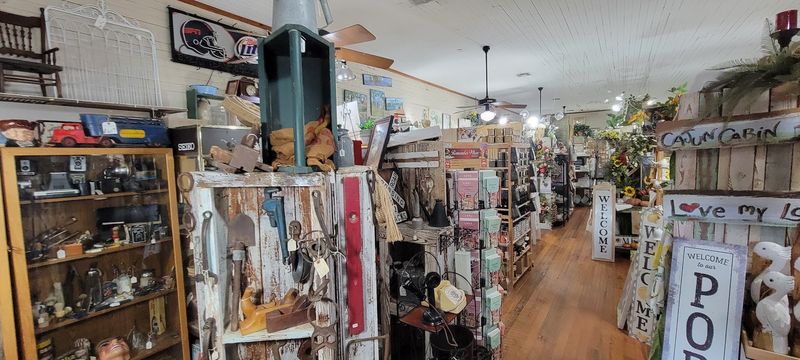
The best souvenirs here usually have some connection to Louisiana beyond a state name printed across the front. Depending on current inventory, visitors may find art, candles, decorative pieces, regional foods, kitchen products, jewelry, antiques, and other items selected with local culture in mind.
I look for gifts that feel useful or personal rather than obviously designed for tourists. A cooking ingredient, small piece of artwork, home accessory, or older object with character can carry a stronger sense of place than something mass-produced.
When an item catches your attention, ask where it came from. Shopkeepers may be able to explain whether it was made locally, inspired by a regional tradition, or discovered somewhere nearby.
That short conversation can make choosing much easier.
The shops are not identical, which is part of the appeal. Some lean rustic, some playful, and others practical.
That range makes it possible to shop for several people without every gift looking as though it came from the same display.
Think about the person receiving the item rather than choosing only by price. The most memorable Louisiana gifts usually feel connected to both the place where they were found and the person who will use or display them.
Notice The Restored Acadian Home
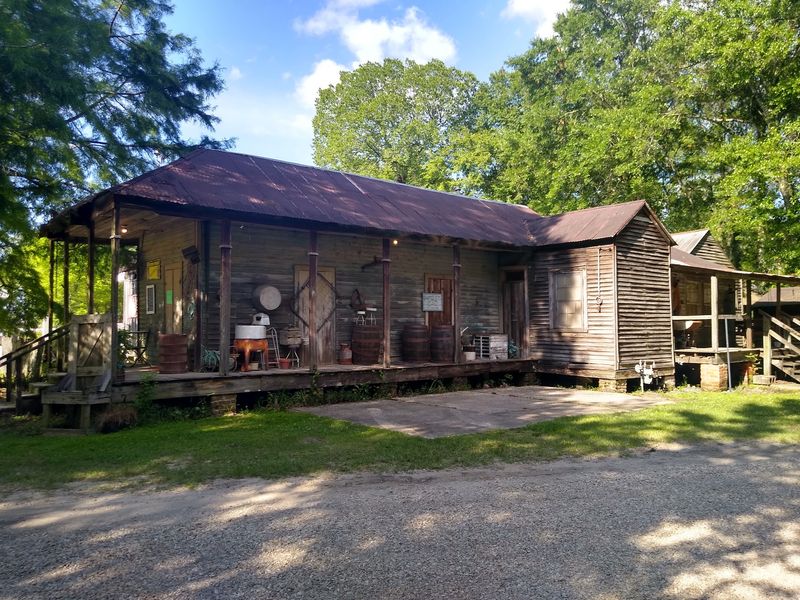
Old wood changes the mood of a room before you fully understand why. Floors creak differently, doorways feel narrower, and sunlight moves across boards that have already survived generations of ordinary life.
The buildings at Cajun Village are not simply modern shops covered with rustic decoration. The destination is known for authentic restored Acadian dwellings that were relocated and adapted for new uses.
Look beyond the merchandise as you move through the rooms. Porches, original flooring, wall proportions, simple construction details, and the relationship between indoor and outdoor spaces help explain how these homes were designed for Louisiana’s climate and daily routines.
Nothing requires a formal architecture lesson. The buildings communicate through details visitors can notice naturally while eating breakfast, shopping, or walking between porches.
I especially like stepping outside between stops because the exteriors make more sense when viewed together. The village layout allows each structure to retain an individual presence instead of disappearing into one large complex.
The businesses give these buildings a reason to remain active, but the architecture gives the destination its personality. Without those restored homes, this would simply be another collection of stores beside a busy Louisiana highway.
Learn About The Preservation Story
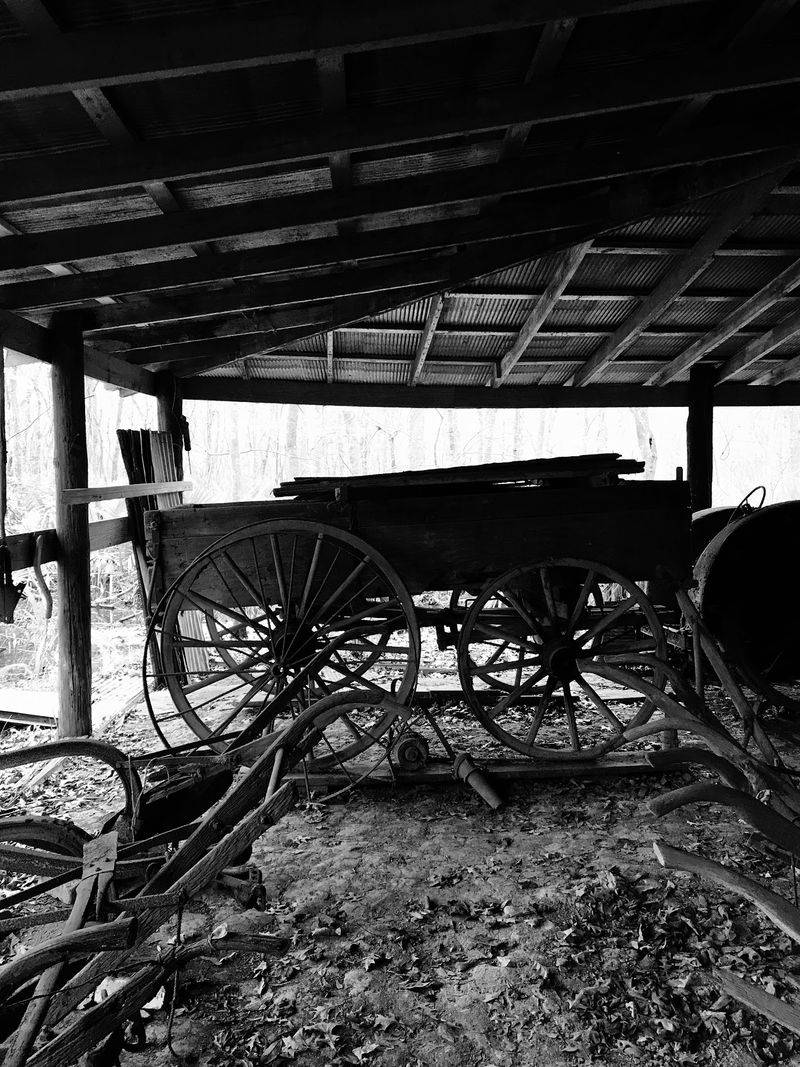
The part that stays with me longest is knowing these structures were preserved through use rather than sealed behind museum barriers. Historic buildings were relocated, restored, and given new purposes instead of being allowed to disappear.
That approach makes preservation feel practical. A former home can become a shop, cottage, or breakfast spot without losing every trace of what it once was.
Walking through the village also raises questions about which buildings communities choose to save. Grand mansions often receive the most attention, but modest homes and worker cottages can reveal just as much about how people actually lived.
Cajun Village lets visitors encounter that history casually. You do not need to follow a guided tour or study long museum labels before appreciating old floors, simple porches, narrow rooms, and buildings designed on a human scale.
Read any posted information you encounter, then look at the structures again. Preservation becomes easier to understand when you can sit, shop, eat, or sleep inside the result.
The village continues changing as businesses come and go, but that adaptability may be exactly what has allowed the buildings to survive rather than becoming abandoned reminders of the past.
Stop At The Coffee House
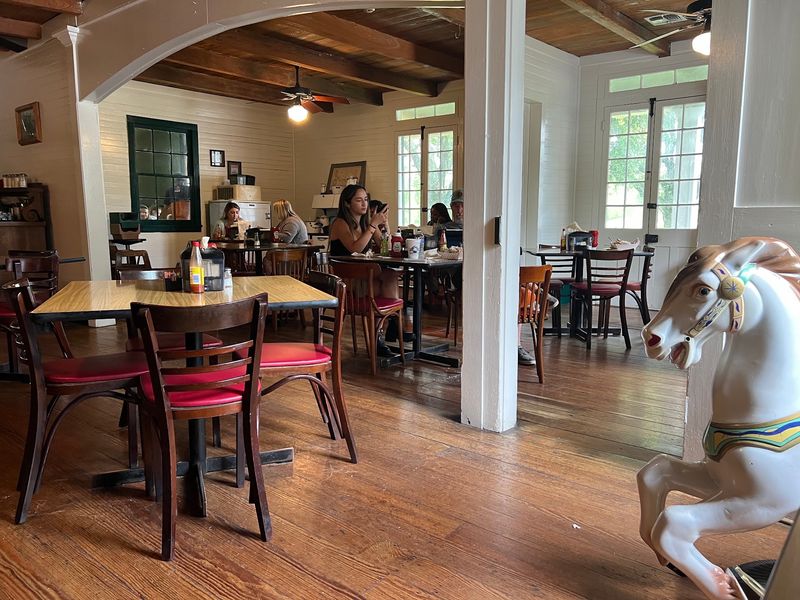
Powdered sugar is almost guaranteed to land somewhere inconvenient, but that is part of ordering beignets at the Coffee House. The café serves New Orleans-style beignets and café au lait alongside breakfast and lunch choices, giving visitors an easy reason to arrive hungry.
I would stop here before beginning any serious shopping. A plate of warm beignets sets a slower pace, and coffee makes wandering between restored buildings feel considerably more civilized in the morning.
Breakfast can also turn Cajun Village into the beginning of a longer road trip rather than a quick roadside pause. Eat first, explore the shops and grounds, then continue toward Baton Rouge, New Orleans, or nearby historic communities.
The Coffee House helps keep the village from feeling like a static collection of old structures. People gather, talk, eat, and begin their day here, giving the preserved setting an active social life.
Hours can change, so check before arriving late in the afternoon or planning around a particular meal.
Beignets may be the obvious order, but taking time to sit inside the old-house surroundings matters almost as much as the powdered sugar, especially when you are not rushing toward the next stop.
Leave Room For Antiques
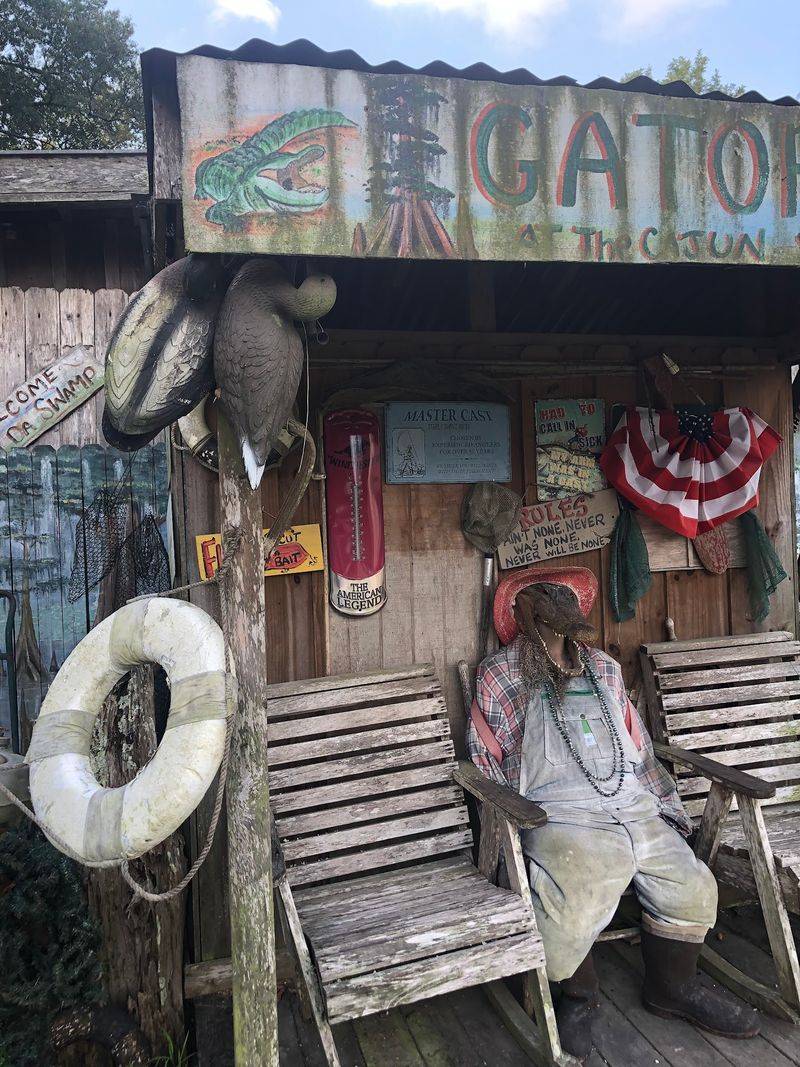
Antiques feel especially appropriate inside buildings that already carry visible age. Furniture, decorative objects, kitchen pieces, signs, collectibles, and small curiosities gain extra context when displayed against worn floors and wooden walls.
I like antique shops that make me slow down instead of presenting everything as a perfectly coordinated collection. The pleasure comes from moving between shelves and noticing one object that feels oddly specific to my own taste.
Condition and price still matter, so look carefully before buying. Check surfaces, hinges, labels, missing pieces, and previous repairs, especially if the item needs to survive a long drive home.
The historical setting can make almost anything seem irresistible. That is why I imagine where an object would actually go before carrying it to the counter.
That small pause has saved me from several beautiful but completely impractical purchases.
Even without buying anything, browsing antiques adds another layer to the village. Preserved buildings hold objects from other periods, allowing different pieces of everyday history to sit beside one another.
Give the quieter corners and lower shelves a second look. The most memorable discovery is rarely placed directly in the doorway, waiting for every visitor to notice it immediately.
Browse Cajun Kitchen Finds

Food is one of the easiest Louisiana traditions to carry home, especially when luggage or car space is limited. Specialty shops around the village may offer sauces, seasonings, mixes, sweets, preserves, cooking tools, and other products tied to regional kitchens.
I focus on items that will actually become part of a meal. A spice blend, hot sauce, soup base, or jarred ingredient has a better chance of being used than a decorative souvenir that spends years collecting dust.
Labels are worth reading. Check the ingredients, preparation instructions, and serving size before choosing, particularly when buying gifts for someone whose tolerance for heat may be very different from yours.
Kitchen products also make the village useful for visitors who are less interested in decorative shopping. You can leave with something practical while still supporting a small Louisiana business.
Pairing a food item with a simple recipe idea makes a particularly good gift. It gives the recipient a reason to open it instead of saving it indefinitely for an occasion that never arrives.
Inventory and individual businesses may change, so approach this part of the village with curiosity rather than one exact shopping list. The unexpected bottle, seasoning packet, or sweet often becomes the best discovery.
Arrive Ready To Browse Slowly
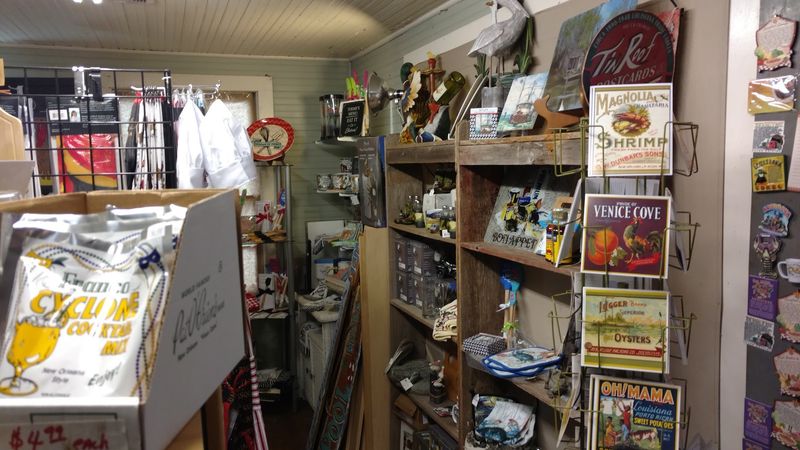
Speed is the enemy of a place like this. Cajun Village works best when you move between buildings without treating each doorway like another task on a checklist.
The smaller rooms encourage that pace naturally. One shelf may hold something bright and obvious, while a side table or back wall contains the item you remember later.
I usually browse once, step outside, and then return to whichever shop stayed in my thoughts. A few minutes on a porch can make it easier to decide whether I genuinely want something or was simply caught up in the moment.
The peaceful grounds also provide breaks between purchases. Sit, look at the buildings, finish a coffee, or watch other visitors wander instead of rushing directly from one register to another.
Weekday mornings may offer the quietest experience, although individual business hours can vary. Calling ahead is sensible when a specific shop is the main reason for making the trip.
The village is modest in size, but that does not mean it needs to be finished quickly. Give it enough time to feel like a place rather than a brief commercial stop beside the highway, and the details will become much easier to remember.
Explore The Village Grounds
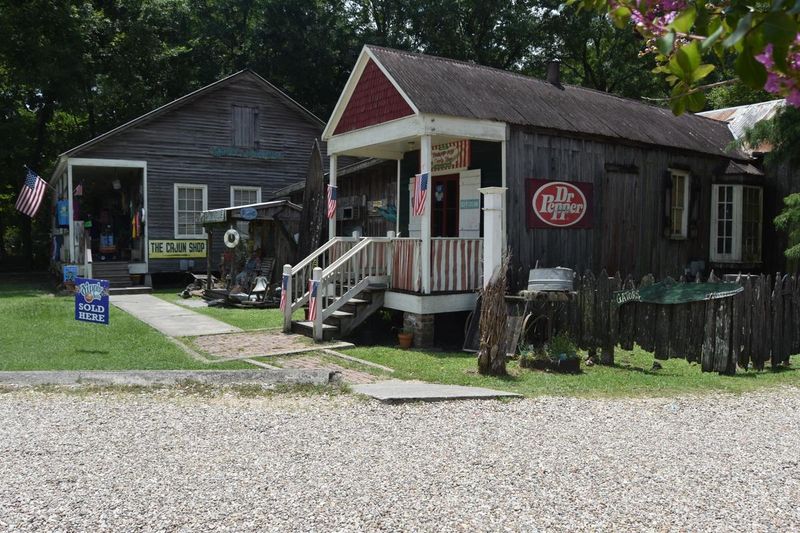
The spaces between the shops are part of the attraction. Porches, swings, old trees, paths, and open areas give visitors somewhere to pause before entering another building.
Walking the grounds also helps the architecture make sense. From outside, you can compare rooflines, porches, shutters, and building shapes that are harder to understand while standing inside a shop.
The village has also been associated with an alligator pond, adding a distinctly Louisiana detail to the visit. Observe any animals only from designated areas, follow posted guidance, and never attempt to feed or approach them.
I like taking photographs outside after browsing because the restored structures provide more context than close pictures of merchandise alone. Morning and late-afternoon light are especially flattering on the wooden walls and porches.
Comfortable shoes are enough for most visitors, but Louisiana heat and sudden rain can change the experience quickly. Bring water during warmer months and keep an umbrella nearby when storms are possible.
A slow loop around the grounds gives the visit a natural beginning and ending. By the time you return to the parking area, the cluster of modest buildings usually feels much larger and more interesting than it appeared from the road.
Treat It As A True Louisiana Gift Stop
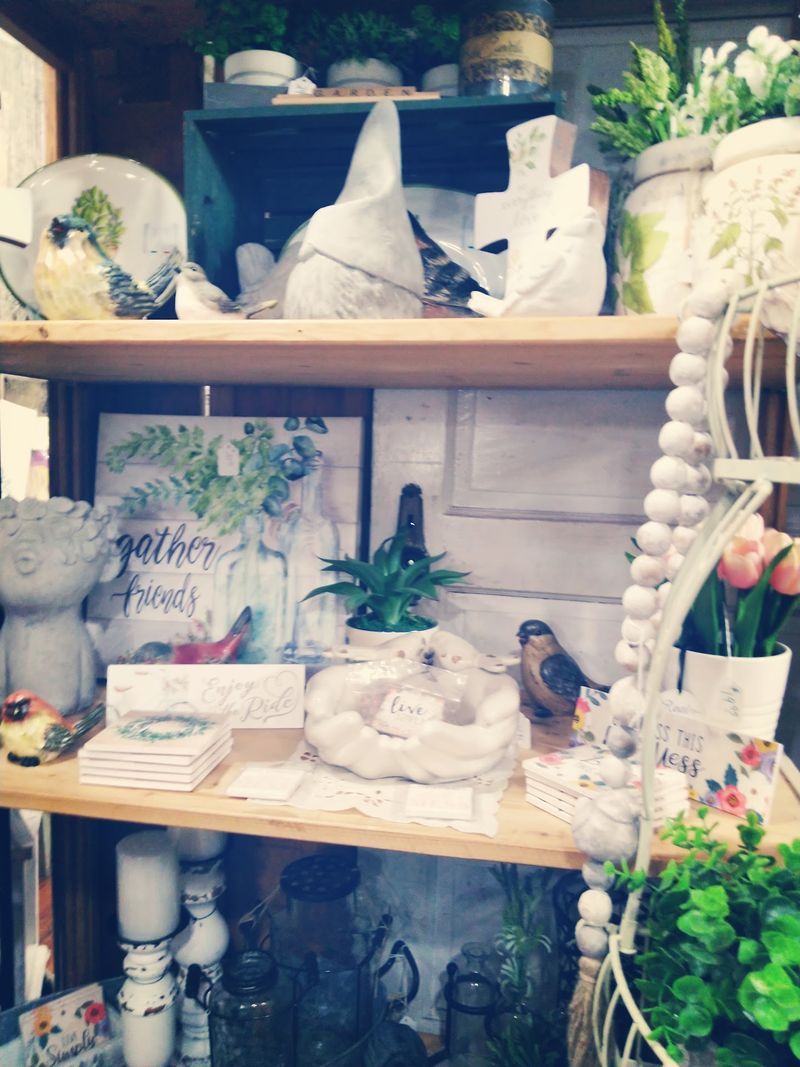
The strongest gifts from Cajun Village feel connected to the state without relying entirely on novelty. Antiques, regional foods, artwork, candles, home goods, and Louisiana-themed items offer more personality than something pulled from a generic highway souvenir rack.
Think about the recipient before choosing. Someone who cooks may appreciate seasonings or kitchen products, while a collector might prefer an antique or small decorative object.
A host gift could be as simple as a regional food item paired with coffee or sweets.
The restored buildings add meaning to the purchase because shopping here feels tied to a specific place. You remember the porch, old floor, Coffee House, and quiet walk between stores rather than only the transaction.
Individual businesses and product selections may shift over time, so the village is better approached as a place to explore than a guarantee of one particular item. That flexibility also keeps repeat visits interesting.
Buy something because it suits the person receiving it, not simply because it says Louisiana. The gifts that last longest are usually the ones that carry both a sense of place and a clear reason for being chosen.
Cajun Village works especially well for that kind of thoughtful, unhurried shopping.